Wakamiya Hachiman Shrine (Osaka, Otsu City, Shiga Prefecture) Complete Guide | The History and Highlights of an Ancient Shrine Dating Back to the Hakuhō Period
Wakamiya Hachiman Shrine, located in Osaka, Otsu City, Shiga Prefecture, is a venerable ancient shrine said to have been founded in the 4th year of the Hakuhō era (675 AD). With a founding legend associated with Emperor Tenji, this shrine, located on the old Tōkaidō road in Zeze, is known as the second oldest Hachiman shrine after Usa Hachiman Shrine. This article provides a detailed introduction to Wakamiya Hachiman Shrine, including its history, highlights, access methods, and surrounding attractions.
History and Origins of Wakamiya Hachiman Shrine
Founding in the Hakuhō Period and the Legend of Emperor Tenji
Wakamiya Hachiman Shrine is said to have been founded in the 4th year of the Hakuhō era (675 AD), boasting a history of over 1300 years. The legend surrounding its founding is very mysterious and originates from an event during Emperor Tenji’s visit to this area.
When Emperor Tenji visited the Ōsaka area, he witnessed a miraculous sight: purple clouds drifting across the sky, and a golden dove perched on a nearby large tree. It is said that, inspired by this auspicious sign, the Emperor decided to build a shrine in this location. Purple clouds have long been considered a symbol of good fortune, and golden doves are seen as messengers of Hachiman, the god of war. Therefore, this event is recounted as evidence of the sacredness of this place.
From Awazu-no-Mori Hachiman Shrine to Wakamiya Hachiman Shrine
Initially, this shrine was called “Awazu-no-Mori Hachiman Shrine.” The shrine buildings were completed in 679 AD (Hakuhō 8), making it the second oldest Hachiman shrine after Usa Hachiman Shrine in Kyushu. Later, it was renamed “Wakamiya Hachiman Shrine,” and since the Meiji era, it has been known as “Wakamiya Hachiman Shrine” to this day.
The name “Wakamiya” signifies a branch shrine of the main shrine or a shrine dedicated to a young deity. As Hachiman worship spread, Wakamiya Hachiman shrines were established in various locations. The Wakamiya Hachiman Shrine in Osaka, Otsu City, is one such example, developing into a center of local faith.
The Battle of Awazu and the Destruction of the Shrine
A crucial event in the history of Wakamiya Hachiman Shrine is the Battle of Awazu in 1184. In this battle between Minamoto no Yoritomo and Kiso Yoshinaka, the shrine was engulfed in flames and completely destroyed.
Kiso Yoshinaka was a warrior who played a significant role in the pursuit of the Taira clan, but due to conflicts with Emperor Go-Shirakawa and Minamoto no Yoritomo, he was ultimately killed in Awazu. This area, known as the site of Yoshinaka’s death, was an important stage in the Genpei War, and Wakamiya Hachiman Shrine stands as a witness to that history. After the war, the shrine was rebuilt and continued to attract the faith of the local people.
Deep Connections with the Zeze Domain
Protection by the Zeze Domain during the Edo Period
During the Edo period, Wakamiya Hachiman Shrine came under the protection of the Zeze Domain. The Zeze Domain was a domain centered around Zeze Castle, built by order of Tokugawa Ieyasu, and was located at a strategic point where the Tokaido and Nakasendo roads converged.
Many shrines in Zeze received protection from the Zeze Domain, and Wakamiya Hachiman Shrine was no exception. The lord of the domain provided support for the repair of the shrine buildings and for festivals, maintaining the shrine as a spiritual pillar of the region. During the Edo period, Zeze flourished as a post town on the Tokaido road, and Wakamiya Hachiman Shrine, situated along the old Tokaido route, was a popular place for travelers to pray for safe journeys.
Relocation of the Inubashiri Gate of Zeze Castle
One of the biggest attractions of Wakamiya Hachiman Shrine is the Inubashiri Gate of Zeze Castle, which is currently used as the main gate. This gate was relocated from the main keep of Zeze Castle and holds great historical value as a precious relic of castle architecture.
An Inubashiri Gate refers to a gate facing the “Inubashiri,” a narrow passageway between the castle’s stone walls and moat. Zeze Castle was dismantled due to the Meiji-era castle demolition order, but parts of it were relocated to temples and shrines within the city, preserving their original appearance. The Inubashiri Gate, relocated to serve as the main gate of Wakamiya Hachiman Shrine, possesses the characteristics of sturdy and robust samurai architecture, allowing visitors to experience the atmosphere of the Edo period.
The gate’s structure and decorations suggest that Zeze Castle was an important military base, making it a must-see spot for history buffs and castle enthusiasts.
Deities and Benefits
Main Deity: Emperor Nintoku
The main deity of Wakamiya Hachiman Shrine is Emperor Nintoku. Emperor Nintoku was the 16th emperor and is considered a symbol of benevolent rule, known for the anecdote of “the people’s hearth.” Based on legends of prioritizing the lives of the people and enriching their lives by exempting them from taxes, Hachiman is revered as a god of stable government and national security.
While Hachiman generally enshrines Emperor Ōjin as its principal deity, Wakamiya Hachiman Shrine enshrines Emperor Nintoku, which is thought to be related to the name “Wakamiya” (young prince). Emperor Nintoku was the son of Emperor Ōjin, and examples of him being enshrined as “Wakamiya” can be found in various places.
Expected Benefits
The benefits you can expect at Wakamiya Hachiman Shrine are diverse:
- National Peace and Security: Benefits related to the benevolent rule of Emperor Nintoku
- Abundant Harvests and Business Prosperity: Divine virtues that enrich the lives of the people
- Protection from Evil and Good Fortune: Protective power based on Hachiman faith
- Safe Travel: As a guardian deity for travelers due to its location along the old Tokaido road
- Long-lasting Military Fortune: Hachiman faith as a god of war
As the local tutelary shrine, it attracts worshippers seeking prayers for important life events and daily peace.
Highlights of the Shrine Grounds
Zeze Castle Inubashiri Gate (Main Gate)
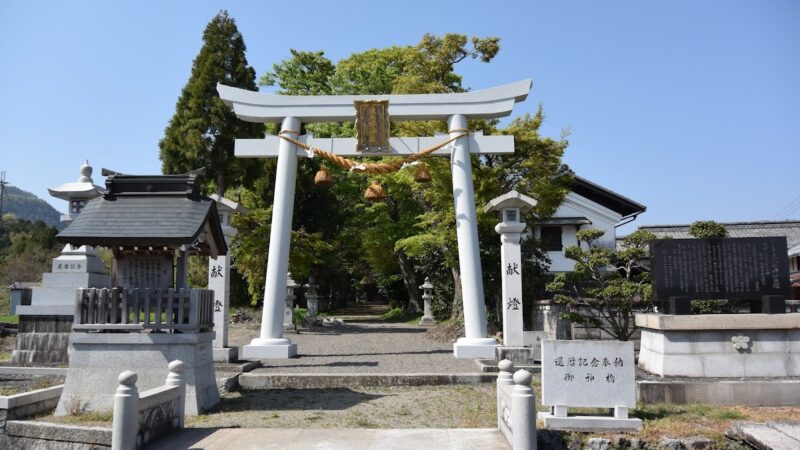
As mentioned above, the Inubashiri Gate of Zeze Castle, which was relocated to serve as the shrine’s main gate, is the biggest highlight when visiting Wakamiya Hachiman Shrine. The imposing wooden architecture exudes a sense of history and dignified presence, and the moment you pass through the gate, you feel as if you’ve traveled back in time to the Edo period castle town of Zeze.
The details of the gate showcase the architectural techniques of the time, allowing you to observe the craftsmanship up close, from the nail covers and metal fittings to the joinery techniques. It’s a popular photo spot, especially during the autumn foliage and spring cherry blossom seasons, where you can enjoy a landscape where the historical building and the beauty of nature harmonize.
Atmosphere of the Shrine and Grounds
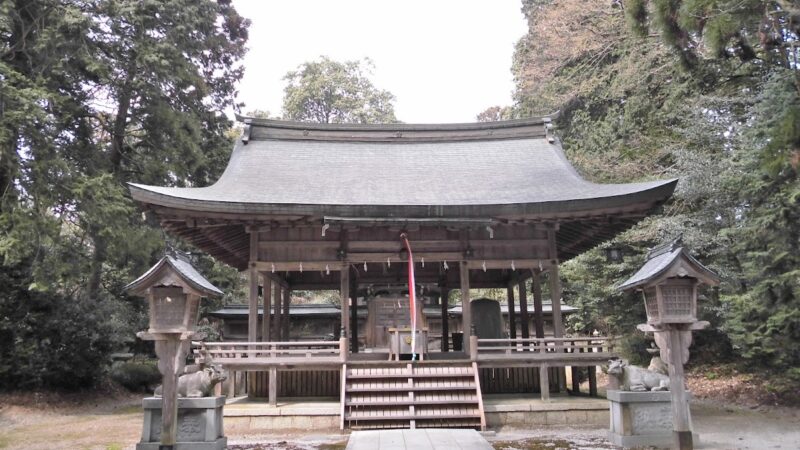
Passing through the main gate, you enter a tranquil shrine grounds. The main hall is built in the traditional shrine architectural style, possessing a simple yet dignified appearance.
The grounds are planted with ancient trees, creating a space surrounded by lush greenery despite its urban location. There is also an ancient tree that evokes the legend of the “Great Tree” where Emperor Tenji is said to have seen a golden dove, allowing you to feel closer to the world of mythology.
Stone Monuments and Historical Traces
Within the shrine grounds, there are stone monuments related to the history of the shrine and the Battle of Awazu. These monuments tell the story of this place not merely as a place of worship, but as a stage for history. Those interested in the Genpei War or the history of the Zeze Domain should definitely take a look at the inscriptions on these monuments.
Access Information
Access by Public Transportation
If using JR or Keihan Railway:
- Approximately 15 minutes on foot from JR Biwako Line “Zeze Station”
- Approximately 12 minutes on foot from Keihan Ishiyama Sakamoto Line “Keihan Zeze Station”
We recommend walking along the old Tokaido Road from Zeze Station. Along the way, you’ll find historical townscapes and historical sites, allowing you to enjoy a stroll on your way to the shrine.
From Otsu Station:
- Approximately 25 minutes on foot from JR Otsu Station, or approximately 10 minutes by bus.
- You can also check detailed directions at the Otsu Station Tourist Information Center.
Access by Car
- Approximately 15 minutes from the Meishin Expressway Otsu Interchange.
- Parking: There is parking space for visitors on the shrine grounds (however, the number of spaces is limited, so the use of public transportation is recommended).
Address and Basic Information
- Location: 2-chome, Osaka, Otsu City, Shiga Prefecture
- Visiting Hours: Grounds are open freely (please check the operating hours of the shrine office).
- Admission Fee: Free
- Inquiries: Information can be obtained from the Biwako Visitors Bureau, etc.
Recommended Spots in the Area
Awazu Shrine
Awazu Shrine, located within walking distance of Wakamiya Hachiman Shrine, is known as a shrine close to the site of Kiso Yoshinaka’s final moments. These are spots you should visit when touring historical sites associated with Yoshinaka.
Zeze Shrine
Zeze Shrine, revered as the guardian shrine of Zeze, is a shrine that, like Wakamiya Hachiman Shrine, received the patronage of the Zeze Domain. It is an indispensable shrine for understanding the history of Zeze, and its magnificent shrine buildings and the atmosphere of its grounds are appealing.
Honda Shrine and Shinozu Shrine
Honda Shrine and Shinozu Shrine are also located nearby, as shrines associated with the Zeze Domain. Honda Shrine is dedicated to the Honda family, the lords of the Zeze Domain, and is an important spot for understanding the history of the domain.
The Townscape of the Former Tokaido Zeze Post Town
Along the former Tokaido road where Wakamiya Hachiman Shrine is located, the townscape retains the atmosphere of a former post town. A stroll while viewing historical buildings, old merchant houses, and signposts offers an experience like stepping back in time.
Zeze Castle Ruins
Zeze Castle is currently maintained as a castle ruins park. Visiting the original location where the Inubashiri Gate was relocated allows for a deeper understanding of its historical connection to Wakamiya Hachiman Shrine. Remnants of the stone walls and moat remain, allowing visitors to imagine its former appearance.
Points and Manners for Visiting
Etiquette for Visiting
When visiting Wakamiya Hachiman Shrine, please observe the basic etiquette for visiting a shrine:
- Bow before passing through the main gate (Zeze Castle Inubashiri Gate)
- Cleanse your hands and mouth at the water basin
- Bow twice, clap twice, and bow once in front of the main hall
- Bow again when leaving the gate after praying
Photography
Photography is generally permitted on the shrine grounds, but consideration should be given to avoiding disturbing festivals or other visitors. The Zeze Castle Inubashiri Gate, in particular, is a valuable cultural asset, so please photograph it with respect.
Please Visit in Silence
As the shrine is located in a residential area, please refrain from loud conversations and noise, and pray quietly. Please remember that this is a place of worship for the local community and be mindful of proper etiquette during your visit.
Annual Events and Festivals
Wakamiya Hachiman Shrine holds various Shinto rituals and festivals throughout the year. Major events include:
- Annual Festival: Held every autumn, the annual grand festival brings together local people for traditional ceremonies.
- New Year’s Visit: Many worshippers visit in the new year to pray for peace and prosperity throughout the year.
- Monthly Festivals: Regular monthly festivals are also held.
It is recommended to check the detailed festival schedules in advance.
The Significance of Visiting Wakamiya Hachiman Shrine
Wakamiya Hachiman Shrine is not merely a tourist spot; it is a witness to over 1300 years of history. It is a place of worship dating back to the time of Emperor Tenji, a site of the Genpei War, and a historic shrine that received the patronage of the Zeze Domain during the Edo period.
This shrine possesses multifaceted appeal, offering close-up views of the precious cultural asset, the Inubashiri Gate of Zeze Castle; its location along the historic old Tokaido road; and its continued reverence for the local people.
When visiting Otsu City, why not take a trip to Wakamiya Hachiman Shrine, in addition to Lake Biwa and Mount Hiei, and spend some quiet time reflecting on history? The sacred atmosphere, which has continued since the Hakuhō period, and the space that encapsulates the history of Zeze, will warmly welcome visitors.
Summary
Wakamiya Hachiman Shrine (Ōsaka, Ōtsu City, Shiga Prefecture) is an ancient shrine said to have been founded in the 4th year of the Hakuhō era. It boasts many points of interest, including its founding legend associated with Emperor Tenji, the history of the Battle of Awazu, its deep connection to the Zeze Domain, and the precious cultural asset of the Inubashiri Gate of Zeze Castle.
Located along the old Tokaido road, this shrine is a worthwhile spot not only for history buffs but also for those seeking a quiet place of worship and those who want to experience local culture. It’s easily accessible on foot from Zeze Station, and with other historical sites scattered around, it’s a great addition to a half-day or full-day historical walking tour.
When visiting Shiga Prefecture, be sure to stop by Wakamiya Hachiman Shrine and experience the weight of its over 1300-year history and the serene atmosphere of the shrine that continues to watch over the region.