Ebisu Shrine (Otsu City, Shiga Prefecture) Complete Guide | Thorough Explanation of Deities, History, Access, and Festivals
Ebisu Shrine, located in the center of Otsu City, Shiga Prefecture, is a historic shrine situated along the old Tokaido road. Located near the Zeze area and deeply connected to the Hiyoshi Sanno Festival’s Osakaki ritual, this shrine has long been a center of local faith. This article provides detailed information useful for visitors, including the deities enshrined at Ebisu Shrine, its history, festival events, and access methods.
Basic Information on Ebisu Shrine
Location: 2-6-30 Chuo, Otsu City, Shiga Prefecture 520-0043
Ebisu Shrine is located in the heart of Otsu City, along the former Tokaido road. The surrounding area is a mix of residential and commercial facilities, and it is cherished as a local guardian shrine.
Deity Enshrined
The deity enshrined at Ebisu Shrine is Kotoshironushi-no-kami. Kotoshironushi-no-kami is a son of Okuninushi-no-kami and is widely worshipped as a god of business prosperity, protection of fisheries, and good fortune. He is commonly known as “Ebisu-sama” and is often identified with Ebisu (Ebisu), one of the Seven Lucky Gods.
Kotoshironushi-no-kami played an important role in the myth of the transfer of the land and is also known as the god of oracles and the god who governs words. Many worshippers visit seeking blessings for business prosperity.
History and Origins of Ebisu Shrine
Origin of Founding
The exact founding date of Ebisu Shrine is unknown, but according to shrine tradition, it began when a sacred tree at Sakakinomiya Shrine in Sakamoto fell, and a divine image was carved from the tree and enshrined. This origin story is an interesting legend that illustrates the historical connection between Sakamoto, located at the foot of Mount Hiei, and Otsu.
Sakakimiya Shrine is considered one of the subsidiary shrines of Hiyoshi Taisha and has been revered as a sacred place since ancient times. The fact that it enshrines a divine statue made from a sacred tree indicates that Ebisu Shrine is not merely a small local shrine, but an important shrine connected to the Hiyoshi Sanno faith.
Changes in the Shrine Name
Ebisu Shrine was formerly written as “Ebisu Shrine” and “Ebisu Shrine“. All of these can be read as “Ebisu,” and it is known that shrines dedicated to the god Ebisu have various spellings, such as Ebisu, Ebisu, Ebisu, and Ebisu.
The spelling “Ebisu” is said to originate from Ebisu, the first child of Izanagi and Izanami, or as another name for Kotoshironushi. In any case, it indicates a history of being worshipped as a god of fortune and business prosperity.
Deep Connection to the Hiyoshi Sanno Festival
A Stopover in the Oosakaki Ritual
The most distinctive role of Ebisu Shrine is its important stopover in the Oosakaki Ritual of the Hiyoshi Sanno Festival, held annually on April 3rd.
The Hiyoshi Sanno Festival is the annual festival of Hiyoshi Taisha Shrine and a grand celebration considered one of the three major festivals of the Lake Biwa region. Within this festival, the Oosakaki Ritual is a crucial ritual performed when the portable shrine is carried from Sakamoto to Otsu. On its way to Tenshin Shrine, the Oosakaki tree stops at Ebisu Shrine, where prayers are offered.
This ritual conveys the historical connection between Sakamoto and Otsu, demonstrating Ebisu Shrine’s important position within the local religious network. The fact that the Oosakaki tree stops here indicates that this shrine is not merely a small shrine, but has played a significant role within the Sanno faith system.
What is the Hiyoshi Sanno Festival?
The Hiyoshi Sanno Festival is the annual festival of Hiyoshi Taisha Shrine, held from April 12th to 15th, and is said to have a history of over 1200 years. A variety of events are held, including a portable shrine procession and sacred rituals, attracting many worshippers. Ebisu Shrine plays a role in the Oosakaki ritual on April 3rd, which is a preliminary stage to this festival.
Shrine Grounds and Architecture
Shrine Grounds Layout
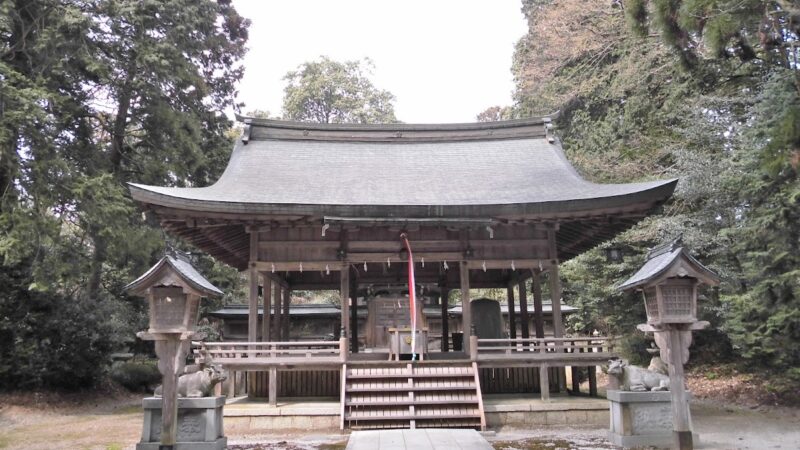
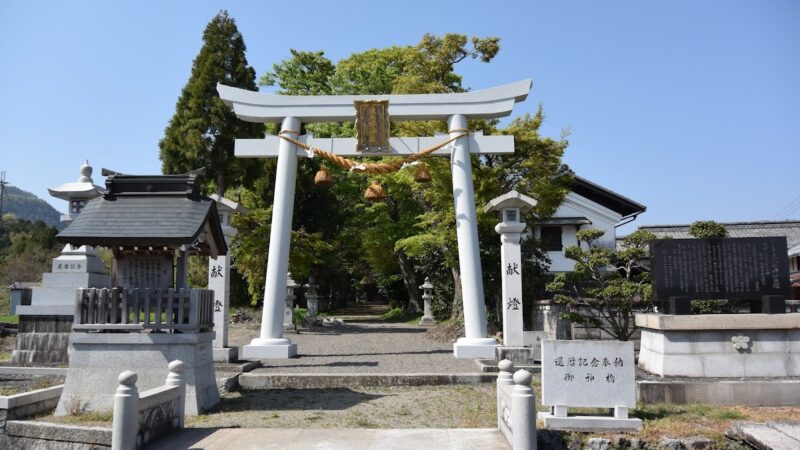
Ebisu Shrine’s grounds are relatively compact due to its urban location, but the torii gate, worship hall, and main shrine are neatly arranged. Surrounded by residential areas, it is clear that the shrine is deeply rooted in the local community.
According to visitor posts, some have noted that the entrance to the grounds is somewhat difficult to find. First-time visitors are advised to check a map before visiting.
Shrine Buildings
While detailed architectural records are limited, based on examples of other Ebisu Shrines in other regions, it is highly likely that the main hall is in a traditional style such as a one-bay nagare-zukuri. The worship hall functions as a place for worshippers to offer prayers.
Annual Festivals and Events
Main Festival Schedule
The following festival events are held at Ebisu Shrine:
April 3rd: Prayer at the Hiyoshi Sanno Festival’s Oosakaki Ritual
- An important ritual related to the Sanno Festival of Hiyoshi Taisha Shrine
- The Oosakaki tree stops by on its way to Tenshin Shrine, and prayers are offered.
Other Festivals: For detailed annual festival schedules, please contact the shrine directly or check local information.
While Ebisu Shrines generally hold events such as the Toka Ebisu (around January 10th) and the Autumn Annual Festival, it is recommended to confirm the specific festival schedule at the Ebisu Shrine in Otsu City before visiting.
Access Information
Nearest Stations and Lines
JR Biwako Line (Tokaido Main Line)
- Nearest Station: Otsu Station or Zeze Station
- Approximately 15 minutes on foot from Otsu Station
- Approximately 10 minutes on foot from Zeze Station
Keihan Electric Railway Ishiyama-Sakamoto Line
- Nearest Station: Keihan Zeze Station or Nakanosho Station
- Approximately 12 minutes on foot from Keihan Zeze Station
- Approximately 8 minutes on foot from Nakanosho Station
The Zeze area is a historically rich region within Otsu City, which flourished as a castle town of the former Zeze Castle. Since Ebisu Shrine is located along the old Tokaido Road, it is recommended to visit while enjoying a historical walk.
Nearest Bus Stops and Routes
Kojaku Kotsu Bus / Omi Railway Bus
- Nearest Bus Stops: “Chuo 2-chome” or “Zeze”
- Route buses operate from JR Otsu Station, Keihan Biwako Hamaotsu Station, etc.
If using the bus, please check the operating times and routes in advance. Public transportation in Otsu City is relatively extensive, but some routes have limited service.
Access by Car
Meishin Expressway
- Approximately 15 minutes from Otsu IC
Parking: It is unclear whether there is a dedicated parking lot on the shrine grounds. We recommend using nearby coin parking or accessing by public transportation.
Map
Address: 2-6-30 Chuo, Otsu City, Shiga Prefecture 520-0043
You can find the exact location by searching for “Ebisu Shrine Otsu City” on online map services such as Google Maps. Located along the old Tokaido road, you can enjoy the historical streetscape while visiting the shrine.
Spots Around Ebisu Shrine
Historical Highlights in the Zeze Area
The Zeze area, where Ebisu Shrine is located, has the following historical spots:
Zeze Castle Ruins: The remains of Zeze Castle, once known as a water castle utilizing the waters of Lake Biwa. It is now maintained as Zeze Castle Ruins Park.
Zeze Shrine: A shrine revered as the guardian shrine of the Zeze Domain.
Old Tokaido Road: Parts of the road retaining the atmosphere of the Edo period highway are preserved, making it ideal for historical walks.
Facilities in the Same Category (Shrines in Otsu City)
Many historical shrines are located in Otsu City.
Hiyoshi Taisha Shrine: The head shrine of all Hiyoshi, Hie, and Sanno shrines nationwide. It possesses many important cultural properties, including the East and West Main Halls, which are National Treasures.
Omi Jingu Shrine: A shrine dedicated to Emperor Tenji, known as a sacred site for karuta (Japanese card game).
Takebe Taisha Shrine: The Ichinomiya (first-ranked shrine) of Omi Province, dedicated to Yamato Takeru.
Tenshin Shrine: A shrine that plays an important role along with Ebisu Shrine in the Osakaki ritual of the Hiyoshi Sanno Festival.
A pilgrimage visiting these shrines is also recommended.
Manners and Precautions for Visiting Shrines
Basic Worship Etiquette
- Bow before passing through the torii gate: Show respect when entering the sacred area.
- Purify yourself at the water basin: Purify your left hand, right hand, and mouth in that order.
- Worship at the main hall: The basic procedure is two bows, two claps, and one bow.
- Remain quiet on the shrine grounds: Be mindful that this is a sacred place.
Photography
Photography is generally permitted on the shrine grounds, but please note the following points.
- Please abide by any restrictions on photography, such as inside the main hall.
- Remember to be considerate of other worshippers.
- Use flash sparingly.
- Maintain respect for the shrine when posting on social media.
Visiting Hours
Generally, shrines are open for worship at any time during the day, but the grounds may become dark in the early morning or after sunset. For safety reasons, we recommend visiting during daylight hours.
Faith and Benefits of Ebisu Shrine
Characteristics of Ebisu Worship
The deity enshrined at Ebisu Shrine, Kotoshironushi-no-kami, is widely worshipped as Ebisu. The main benefits of Ebisu worship are as follows:
Business Prosperity: As a guardian deity for merchants and business owners
Family Safety: Peace and prosperity for the home
Protection of Fisheries: Originally also possessing characteristics as a god of fishing
Abundant Harvest: Prayers for a bountiful harvest
Good Fortune and Prosperity: Bringing general good fortune and blessings
Role as a Local Belief
Ebisu Shrine has long been worshipped as the guardian deity of the local residents in the central area of Otsu City. It serves as a spiritual pillar for the community, not only for daily visits but also for prayers at important life events and for the safety of the area.
History of Otsu City and Ebisu Shrine
Historical Background of Otsu
Otsu City has flourished since ancient times as a transportation hub close to the capital. It is known as the site where Emperor Tenji established the Omi-Otsu Palace, and subsequently developed as a post town on the Tokaido road and a base for water transport on Lake Biwa.
The central area where Ebisu Shrine is located was once along the Tokaido road, a bustling place where travelers and merchants came and went. The presence of a shrine dedicated to Ebisu in this area is thought to be deeply connected to the development of commerce.
Historical Connections with Sakamoto
The fact that Ebisu Shrine’s origins are related to Sakamoto’s Sakakimiya Shrine, and that it plays an important role in the Hiyoshi Sanno Festival’s Osakaki ritual, demonstrates the historical connection between Otsu and Sakamoto.
Sakamoto developed as a temple town for Enryaku-ji Temple on Mount Hiei and is also the location of Hiyoshi Taisha Shrine. From the medieval to the early modern period, Sakamoto was a religiously and politically important center, and had close ties with Otsu. Ebisu Shrine is a shrine that was born and maintained within this regional network.
Visitor Voices and Experiences
The following are comments from visitors who have actually visited Ebisu Shrine:
- “I visited this shrine while walking along the old Tokaido road. It’s a quiet shrine that gives a sense of history.”
- “I stopped by while strolling around the Zeze area. I like the atmosphere that’s rooted in the local community.”
- “I learned about its connection to the Hiyoshi Sanno Festival and visited with great interest.”
Although the shrine grounds are relatively small, it’s a place worth visiting as a shrine that attracts the faith of the local community.
Summary
Ebisu Shrine, located in the center of Otsu City, Shiga Prefecture, enshrines Kotoshironushi-no-kami and is known for its blessings of business prosperity and family safety. It has a history of having a divine image made from the sacred tree of Sakakimiya Shrine in Sakamoto, and as it is an important stop during the Oosakaki ritual of the Hiyoshi Sanno Festival, it has a deep connection to the Hiyoshi Sanno faith.
Due to its location along the old Tokaido road, it’s recommended to visit in conjunction with a historical walk. It’s easily accessible on foot from Zeze Station and Otsu Station, and there are other historical spots such as the ruins of Zeze Castle nearby.
When you visit Otsu City, be sure to stop by Ebisu Shrine and experience the local history and faith. The time you spend calming your mind in the tranquil grounds and praying for the protection of Ebisu will surely be a memorable experience.