Kago Shrine (Miyazaki Prefecture) | Complete Guide to History, Goshuin (Shrine Seals), and Access
Kago Shrine, located in Gunjibun, Miyazaki City, Miyazaki Prefecture, is a historical shrine with a history dating back to the Muromachi period. Known as a place associated with the Ito clan, it has been cherished by locals. This article provides a detailed introduction to Kago Shrine, including its history, highlights within the grounds, information on goshuin (shrine seals), and access methods.
Basic Information on Kago Shrine
Kago Shrine is located northeast of Kunifuji Elementary School in the Gunjibun district, in the southern part of Miyazaki City. It boasts a convenient location, approximately a 2-minute walk from Minamikata Station on the JR Nichinan Line.
Location: Kudomi, Gujibun, Miyazaki City, Miyazaki Prefecture
Nearest Station: Minamikata Station, JR Nichinan Line (approx. 2-minute walk, approx. 196m)
Parking: Available (Note: It is in a slightly difficult-to-access location)
Shrine Rank: Former Village Shrine
Alternative Name: Kago Hachimangu Shrine
The surrounding area has developed into a new residential area and is a commuter town for Miyazaki City. Because Kudomi Elementary School is adjacent, the shrine has a lively atmosphere, with the cheerful voices of children reaching the grounds during the day.
History and Origins of Kago Shrine
Deep Connection with the Ito Clan
Kago Shrine was formerly called “Kago Hachimangu Shrine” and enshrines Emperor Ojin as its main deity. The most distinctive feature of this shrine is that it enshrines the spirits of four generations of the Ito family in the same sanctuary.
In 1486, during the Muromachi period, Lord Ito Sukemura, the enshrined deity, ruled Hichiya Castle (present-day Hyuga City) as the lord of the Ito family. However, he met a tragic end, being killed by local samurai at Hichiya Castle due to a dispute with his brothers.
Because of this historical background, Kago Shrine has been cherished in the region as a shrine associated with the Ito clan. The Ito clan was a family that wielded great influence in Hyuga Province (present-day Miyazaki Prefecture), and this shrine is a valuable record of their history.
Connection to the Soga Brothers
According to local tradition, Kago Shrine is also associated with the Soga brothers. The Soga brothers are famous as samurai who avenged their father’s death in the early Kamakura period, but further historical research is needed to determine their specific connection to this region.
Highlights of the Shrine Grounds
Torii Gate
A magnificent torii gate welcomes visitors at the entrance to Kago Shrine. Located slightly off a busy road, it maintains a quiet environment for worship. Passing through the torii gate, one can feel the sacred atmosphere of the shrine grounds.
Approach and Shrine Grounds
The shrine grounds are well-maintained, reflecting the care and dedication of the local community. Adjacent to Kunifuji Elementary School, the lively voices of children can be heard during weekday afternoons. This vibrant atmosphere is one of Kago Shrine’s defining characteristics.
The grounds are not particularly large, but all necessary facilities are available, making it an easy environment for worship. As a shrine deeply rooted in the community, it is a place where local residents can be seen visiting regularly.
Komainu (Guardian Dogs)
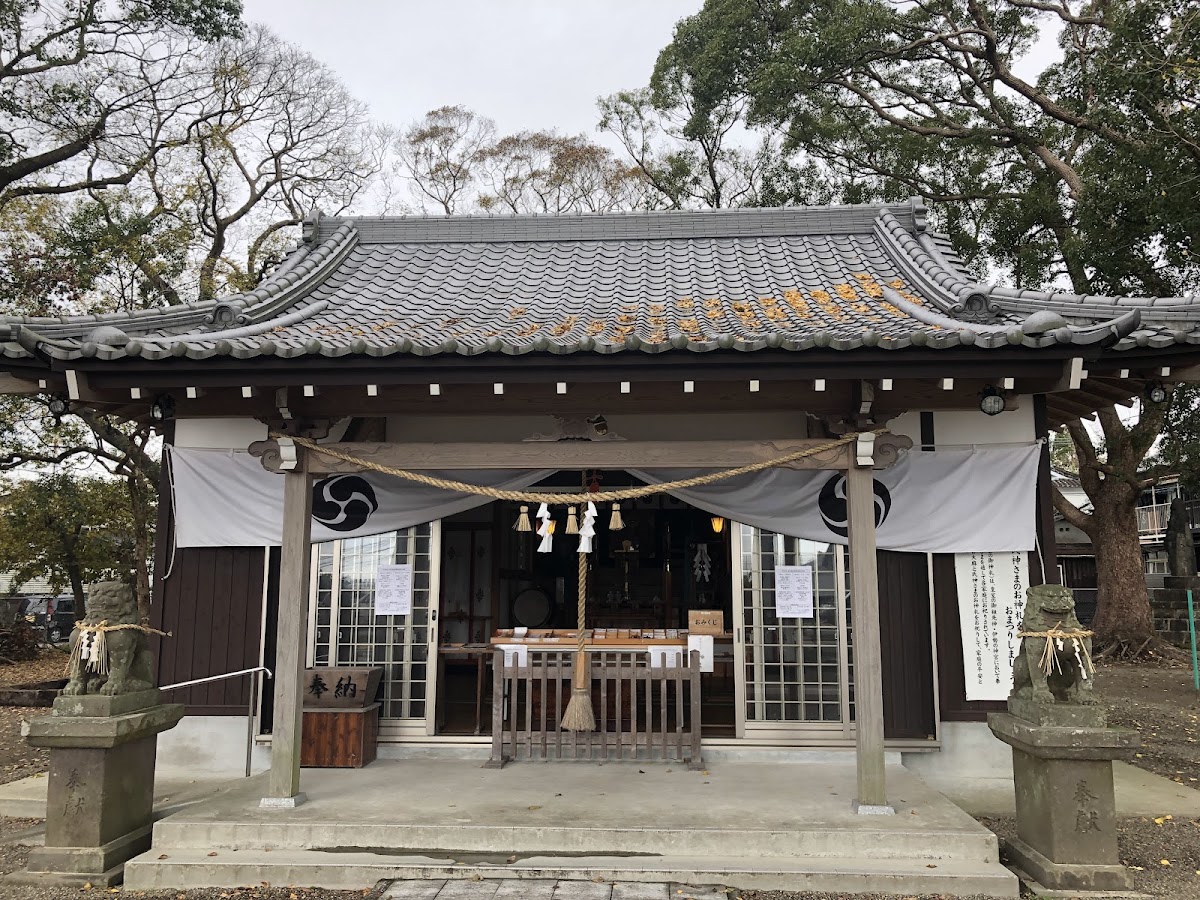
Komainu (guardian dogs) stand within the shrine grounds. Komainu have long been placed in Japanese shrines as guardians of the shrine. The guardian lion-dogs at Kago Shrine also evoke a sense of history, having watched over this land for many years.
Water Basin
A water basin is provided for purifying oneself before worship. Following the proper etiquette for visiting a shrine, purify your hands and mouth at the water basin before proceeding to the main hall.
Water Basin Etiquette:
- Hold the ladle in your right hand and purify your left hand.
- Switch the ladle to your left hand and purify your right hand.
- Switch the ladle back to your right hand, receive water in your left hand, and rinse your mouth.
- Purify your left hand again.
- Hold the ladle upright and purify the handle.
Shrine Building
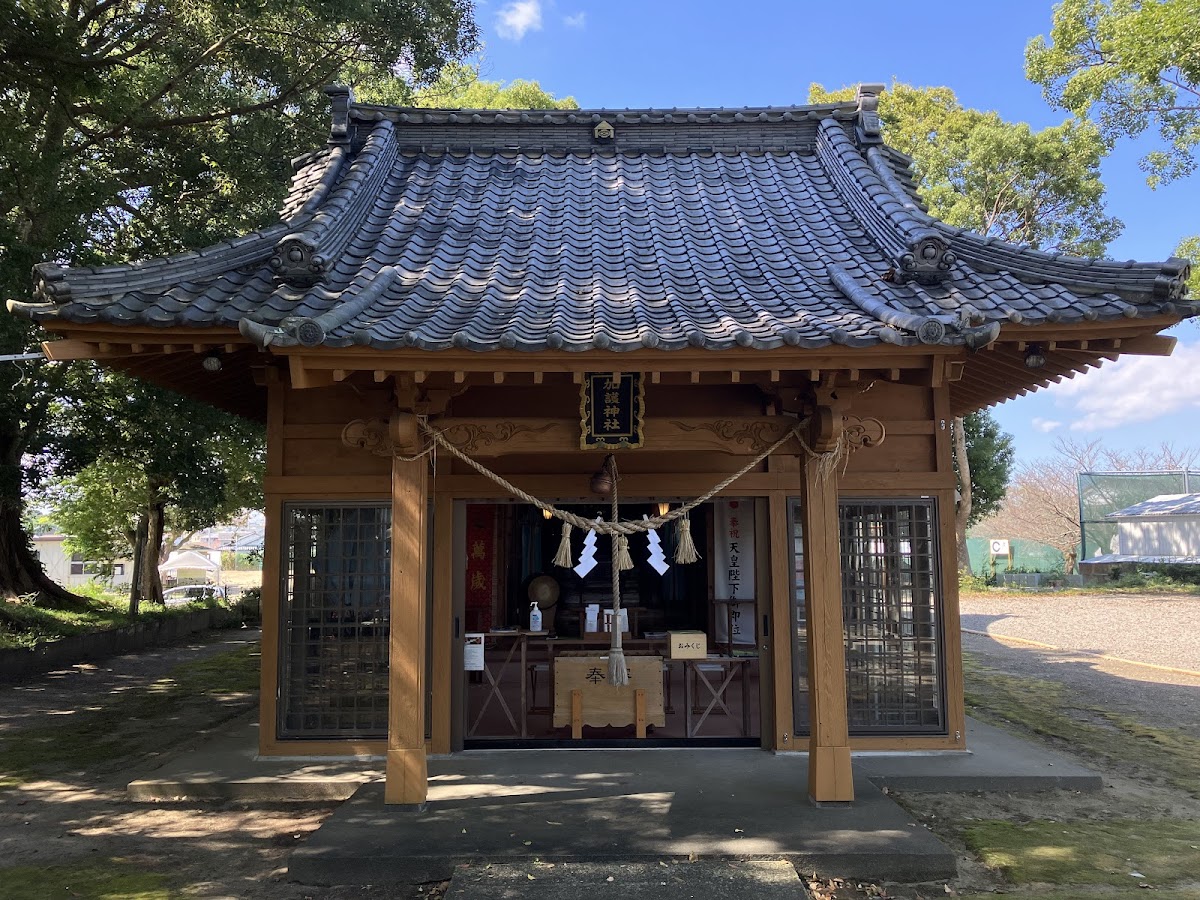
The main hall is built in the traditional style of shrine architecture and enshrines the spirits of Emperor Ojin and four generations of the Ito family. Worship in front of the shrine building using the two bows, two claps, and one bow ritual.
The decorations and architectural style of the shrine building reflect the characteristics of local shrine architecture and possess high historical value.
Sacred Tree
There is a tree on the shrine grounds that is believed to be a sacred tree. Having taken root in this land for many years and watched over the history of the shrine, this sacred tree is also known as a power spot within the shrine grounds. Touching the sacred tree will allow you to feel the energy of nature.
Mysterious Stone Monuments
Several stone monuments are erected on the shrine grounds. These monuments are thought to be inscribed with the history of the shrine and local events, but it is recommended to check the details on-site. History buffs may find some interesting discoveries.
Goshuin (Shrine Seal) Information
You can receive a goshuin at Kago Shrine. Goshuin are popular among many visitors as proof of their visit to the shrine.
How to Obtain a Goshuin (Shrine/Temple Seal)
When obtaining a Goshuin, please note the following:
- Complete your prayers first: A Goshuin is proof of your prayers, so be sure to pray before going to the Goshuin office.
- Prepare your Goshuincho (Shrine/Temple Seal Book): It is common to have your Goshuin written in your Goshuincho.
- Offering Fee: Generally around 300 to 500 yen (varies depending on the shrine).
- Time of Day: Visit during the hours the shrine office is open.
When receiving a Goshuin, remember to show gratitude to the shrine staff and be polite.
How to Access Kago Shrine
Access by Train
Walking distance from Minamikata Station on the JR Nichinan Line
- Approximately 2 minutes on foot from Minamikata Station (approx. 196m)
- The station is unmanned, but the surrounding area is a developed residential area.
- The path from the station to the shrine is flat, so even first-time visitors can arrive without getting lost.
The journey from Miyazaki Station to Minamikata Station takes about 20 minutes on the JR Nichinan Line. Since the number of trains is limited, it is recommended to check the timetable in advance.
Access by Car
From the center of Miyazaki City
- Head south on National Route 220
- Estimated time: Approximately 15-20 minutes
- Parking: Available (however, the entrance is slightly difficult to find, so please be careful)
About Parking
Kago Shrine has a parking lot, but it is located slightly off the road, so first-time visitors should be careful. When looking for the entrance to the shrine grounds from a busy road, using Kunifuji Elementary School as a landmark will make it easier to find. Parking is limited, so please consider using public transportation during busy periods such as New Year’s visits and festivals.
Searching with Car Navigation/Map Apps
- Address: Gunjibun, Miyazaki City, Miyazaki Prefecture
- Landmark: Northeast of Kunitomi Elementary School
- Nearest Station: Minamikata Station, JR Nichinan Line
Searching for “Kago Shrine Miyazaki City” in map apps such as Google Maps or Yahoo! Maps will display accurate location information.
Manners and Points for Visiting a Shrine
Basic Worship Etiquette
- Bow before the Torii Gate: Bow before entering the sacred area.
- Walk along the edge of the path: The center of the path is considered the path of the gods.
- Purify at the Water Basin: Purify your hands and mouth before proceeding to the main shrine.
- Two Bows, Two Claps, One Bow: This is the basic worship etiquette in front of the main shrine.
- Bow before leaving the Torii Gate: Bow again when leaving the sacred area.
Appropriate Attire for Worship
There are no specific dress code requirements, but please dress appropriately as it is a sacred place. Avoid revealing or dirty clothing.
Regarding Photography
Photography is generally permitted on the shrine grounds, but please observe the following points:
- Refrain from photographing inside the main hall.
- Be considerate of other worshippers.
- Remember that this is a sacred place and photograph with moderation.
Attractions Around Kago Shrine
Kunifuji Elementary School
Kunifuji Elementary School, adjacent to the shrine, is a central educational hub for the region. During weekday afternoons, the cheerful voices of children can be heard all the way to the shrine. This lively atmosphere is one of the defining characteristics of Kago Shrine.
Around Minamikata Station
The area around Minamikata Station was once a quiet neighborhood, but it has now developed into a new residential area. It is a commuter town for Miyazaki City, and many families live there.
Access to Miyazaki City Center
It takes about 15-20 minutes by car from Kago Shrine to Miyazaki City center. Visiting other famous shrines in Miyazaki Prefecture, such as Miyazaki Jingu and Aoshima Shrine, is also recommended.
Annual Events and Festivals
Kago Shrine holds various festivals and events throughout the year. Traditional festivals, in which local people participate, are important opportunities to deepen the bonds of the local community.
Main Annual Events
- Hatsumode (January 1st-3rd): The shrine is bustling with New Year’s worshippers.
- Spring Grand Festival: A festival celebrating the arrival of spring.
- Summer Purification Ceremony (June 30th): A Shinto ritual to purify oneself of the impurities accumulated over the past six months.
- Autumn Grand Festival: A festival to give thanks for the harvest.
- Year-End Purification Ceremony (December 31st): A Shinto ritual to purify oneself of the impurities accumulated over the past year.
For specific dates and details, we recommend contacting the shrine directly or checking local bulletin boards.
Benefits of Kago Shrine
Main Benefits
Victory and Long-Lasting Military Fortune: Emperor Ojin is known as a god of war, and is believed to grant blessings for victory in competitions and achieving goals.
Family Safety: As a guardian deity of the region, it protects the safety and happiness of families.
Protection from Misfortune and Disaster: Due to the tragic history of the Ito clan, it is believed to grant blessings for avoiding disaster.
Regional Prosperity: As a shrine that watches over the development and prosperity of the local area, you can pray for the prosperity of the entire region.
Points to Enhance the Benefits of Your Visit
- Visit with a Sincere Heart: Don’t just go through the motions, pray with your heart.
- Visit Regularly: Visiting regularly, not just once, deepens your connection with the gods.
- Never Forget to Be Grateful: Express your gratitude not only for your requests but also for your daily blessings.
- Cherish the Shrine: Cooperating in cleaning and preserving the shrine grounds is also a form of service to the gods.
Local People and Kago Shrine
Kago Shrine is a familiar presence to the local people. Because it is adjacent to Kunifuji Elementary School, it also plays a role as a shrine that watches over the growth of children.
During local festivals, local residents participate wholeheartedly in the preparation and operation, creating a place for intergenerational exchange. This role as a central hub of the local community is becoming increasingly important in today’s increasingly urbanized society.
Connections with Other Shrines in Miyazaki Prefecture
Miyazaki Jingu Shrine
Located in the heart of Miyazaki City, Miyazaki Jingu Shrine is one of the prefecture’s leading shrines, dedicated to Emperor Jimmu. Visiting both Kago Shrine and Miyazaki Jingu Shrine allows for a deeper understanding of Miyazaki’s history.
Aoshima Shrine
Aoshima Shrine, located on Aoshima Island, is nationally famous as a shrine for matchmaking. Visiting both Kago Shrine and Aoshima Shrine is highly recommended when sightseeing in Miyazaki.
Udo Shrine
Located along the coast of Nichinan City, Udo Shrine is a unique shrine with its main hall inside a cave. It’s also accessible from Kago Shrine via the Nichinan Line.
Points to Note When Visiting
Parking
As mentioned above, the parking lot is somewhat difficult to access. First-time visitors should allow ample time and carefully confirm the parking location. During busy times, please be considerate of the surrounding area.
Consideration for Elementary School
As the shrine is adjacent to Kunifuji Elementary School, please be mindful of the children’s safety, especially during weekday commuting hours. Parking may be restricted on days with school events.
Quiet Worship
While on the shrine grounds, please be considerate of other worshippers and nearby residents, and worship quietly. It is especially advisable to avoid visiting early in the morning or late at night.
Best Season for Visiting Kago Shrine
Spring (March-May)
Spring is ideal for visiting the shrine, with its beautiful fresh greenery and pleasant weather. During cherry blossom season, you can also enjoy the surrounding cherry blossoms.
Summer (June-August)
Summer in Miyazaki Prefecture is intensely hot, so early morning or evening visits are recommended. During the Summer Purification Ceremony (June 30th), you can experience a special Shinto ritual.
Autumn (September-November)
Autumn offers mild weather, making it an ideal season for visiting the shrine. During the Autumn Grand Festival, you may be able to experience local festivals.
Winter (December-February)
Winter in Miyazaki Prefecture is relatively mild, but the shrine is crowded with many visitors during the New Year’s visit period (January 1st-3rd). From the New Year’s Purification Ceremony (December 31st) to the New Year’s visit, you can experience a special atmosphere.
Summary: The Charm of Kago Shrine
Kago Shrine boasts a history dating back to the Muromachi period and is a deeply rooted local shrine associated with the Ito clan. Located in the Gunjibun district of Miyazaki City, Miyazaki Prefecture, it offers excellent access, being just a 2-minute walk from JR Minamikata Station, while maintaining a quiet and peaceful environment for worship.
Adjacent to Kunifuji Elementary School, it features a lively atmosphere on weekdays, filled with the cheerful voices of children. The shrine grounds are equipped with all the necessary facilities for worship, including a torii gate, guardian lion-dogs, a purification fountain, a shrine building, and a sacred tree, and you can also receive a Goshuin (shrine stamp).
With Emperor Ojin as its main deity and the spirits of four generations of the Ito family enshrined there, Kago Shrine is believed to offer blessings for victory, family safety, and protection from evil. Beloved by locals, it remains a valuable shrine that conveys Miyazaki’s history to the present day, and will continue to be a central presence in the region.
When you visit Miyazaki, be sure to visit Kago Shrine and experience its history and atmosphere. Parking is available, so you can also access the site by car. The warmth of the local people and the sacred atmosphere of the historic shrine will gently welcome visitors.