Tamoto Shrine (Miyazaki Prefecture) Complete Guide | A Thorough Explanation of its History, Goshuin (Shrine Seals), and Wind Chime Corridor
Tamoto Shrine, located in Hongō Minami, Miyazaki City, Miyazaki Prefecture, is a historic shrine dedicated to Konohanasakuya-hime. Known for its wind chime corridor in summer, it attracts many visitors seeking blessings for safe childbirth and good fortune. This article provides a detailed explanation of Tamoto Shrine, from its history and highlights to information on its goshuin (shrine seals) and access methods.
Basic Information about Tamoto Shrine
Location: 3940-1 Hongō Minamikata, Miyazaki City, Miyazaki Prefecture 880-0921
Phone Number: 0985-56-2660
Former Shrine Rank: Village Shrine
Nearest Station: Approximately 14 minutes on foot from Minamikata Station on the JR Nippo Main Line
Parking: Available (Free)
Tamoto Shrine is conveniently located about 10 minutes by car from Miyazaki Airport, making it a popular shrine to visit during Miyazaki sightseeing. Within the shrine grounds is a shop called “Konohana-kan” where various Shinto altars and amulets are available.
Deities and Divine Virtues
Main Deities
Tamoto Shrine enshrines the following four deities:
Konohanasakuya-hime no Mikoto
Konohanasakuya-hime no Mikoto, the principal deity, is a beautiful goddess also known as the goddess of Mount Fuji. According to myth, she conceived overnight and safely gave birth to three children in a fire, leading to her widespread worship as a goddess of safe childbirth and fertility.
Hikohodemi no Mikoto
He is the son of Konohanasakuya-hime no Mikoto, also known as Yamasachihiko. Known for his visit to the sea god’s palace, he is revered for his blessings of abundant fishing and safe voyages.
Toyotama-hime no Mikoto
She is the daughter of the sea god and the consort of Hikohodemi no Mikoto. She is revered for safe childbirth and matchmaking, and is particularly popular among women.
Toyotamahiko-no-Mikoto
Known as the god of the sea (Watatsumi), he is revered as the god of the sea’s blessings and the guardian of water.
Divine Virtues
Tamoto Shrine is believed to offer the following divine virtues:
- Prayers for Safe Childbirth and Conception: The divine virtues of the main deity, Konohanasakuya-hime-no-Mikoto
- Good Fortune and Protection from Disaster: Removing disasters and inviting happiness
- Matchmaking: Fulfilling good relationships
- Family Safety: Peace and health for the family
- Exorcism: Warding off the misfortunes of the unlucky year
History and Origins of Tamoto Shrine
Founding History
The history of Tamoto Shrine dates back to the late Heian period. In 1091 (Kanji 5), the deity of Tsuma Shrine was enshrined in the Tsunekyu area of Akae Village according to a divine oracle. At that time, a temporary shrine was first built in a place called “Tamoto” south of Hongō, and the deities were enshrined there, which is considered the beginning of the shrine.
This place name, “Tamoto,” is the origin of the current shrine name.
From Ichinomiya Daimyōjin to Tamoto Shrine
After the temporary shrine was built, the main shrine was constructed on a permanent site and enshrined under the name “Ichinomiya Daimyōjin.” Later, in 1872 (Meiji 5), the Udojiri Shrine, located in Hongō and Udojiri, Akae Village, was merged with it.
After the war, it was renamed “Tamoto Shrine,” and it remains so to this day. This renaming meant that the place name of the temporary shrine at the time of its founding was adopted as the official shrine name.
Changes since the Meiji Era
In the Meiji era’s shrine ranking system, Tamoto Shrine was ranked as a village shrine. As the local tutelary deity, it has attracted the faith of residents, mainly in the Hongō area. Even after the post-war reforms to the shrine system, it has been carefully preserved as a shrine deeply rooted in the community.
Highlights of Tamoto Shrine
Wind Chime Corridor (Summer Tradition)
The biggest highlight of Tamoto Shrine is the “Wind Chime Corridor,” which is set up every year from around April 20th to September 30th. Hundreds of wind chimes are hung throughout the shrine grounds, and their refreshing sounds welcome visitors.
The sight of the colorful wind chimes swaying in the breeze is known as one of the most popular summer traditions in Miyazaki Prefecture and is also a popular spot for social media photos. Especially at dusk, the wind chimes illuminated by the setting sun shine beautifully, creating a magical atmosphere.
During the Wind Chime Corridor period, the shrine is bustling with many visitors, and there is a constant stream of people seeking respite from the heat. Photography is freely permitted, so we recommend bringing your camera.
Nagoshi no Harae (Summer Purification Ritual)
Every year from the end of June to the beginning of July, the Nagoshi no Harae (Summer Purification Ritual) is held at Tamoto Shrine. This Shinto ritual purifies the sins and impurities accumulated over the past six months and prays for good health and protection from illness for the remaining half of the year.
A Chinowa (a large ring made of reeds) is set up on the shrine grounds, and worshippers purify their minds and bodies by passing through it. Tanabata decorations are also set up, and visitors can tie strips of paper on which they have written their wishes. Combined with the wind chime corridor, Tamoto Shrine is enveloped in a particularly vibrant atmosphere during the summer.
Konohana-kan (Shrine Office)
The Konohana-kan, located on the shrine grounds, is the shrine office for Tamoto Shrine. Here, various types of Shinto altars, amulets, and talismans are available.
The selection of Shinto altars is particularly extensive, ranging from small ones for home use to more elaborate ones, catering to a wide range of needs. Popular items offered at the shrine include amulets for safe childbirth and matchmaking, reflecting the divine virtues of the enshrined deity.
Atmosphere of the Shrine Grounds
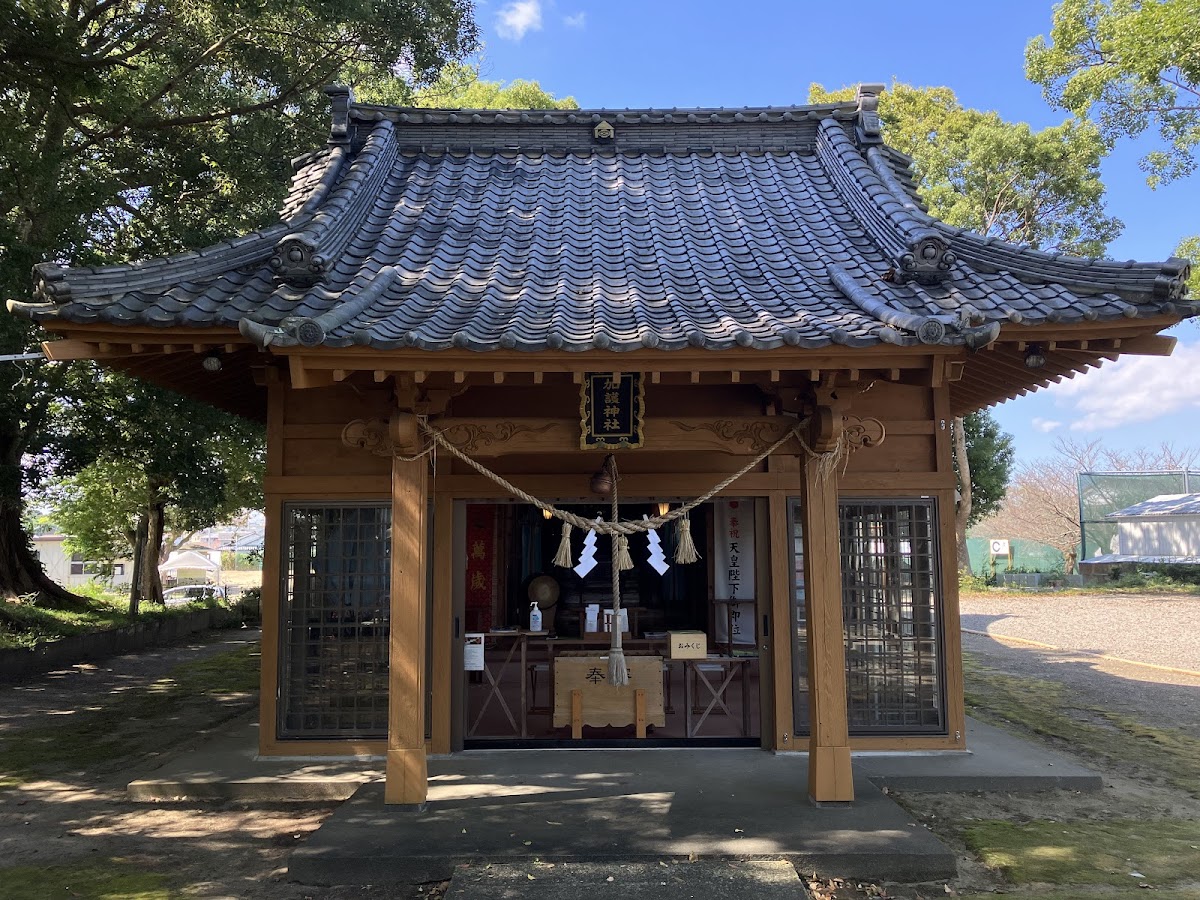
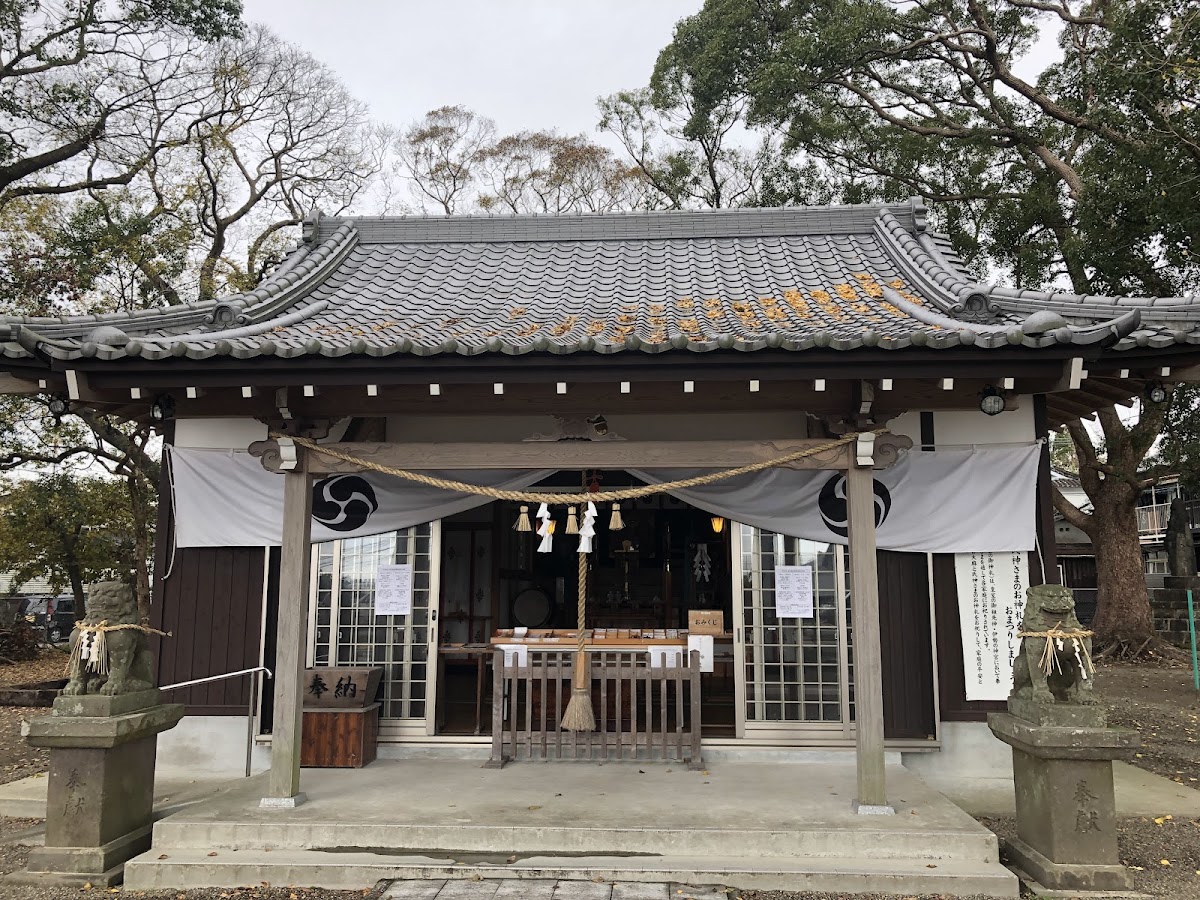
The grounds of Tamoto Shrine are kept clean and have a tranquil atmosphere. The main hall is built in the traditional style of shrine architecture, and a vermilion torii gate welcomes visitors.
In addition to the purification fountain, worship hall, and main hall, there are also subsidiary shrines within the grounds. Trees are planted along the approach to the shrine, allowing visitors to experience the beauty of nature throughout the seasons.
Information on Goshuin (Shrine Seals)
About the Issuance of Goshuin
Tamoto Shrine offers goshuin (shrine seals). Goshuin are available at the “Konohana-kan” (Konohana Hall) and can be requested after your visit.
Granting Hours: Usually 9:00 AM to 5:00 PM (may change due to events, etc.)
Offering Fee: Approximately 300-500 yen
Original Goshuincho (Stamp Book): Available
Features of the Goshuin
Tamoto Shrine’s goshuin sometimes features a design related to the main deity, Konohanasakuya-hime, along with the shrine’s name. Seasonal limited-edition goshuin and special goshuin during the wind chime corridor period are sometimes offered, so we recommend checking the official Instagram account (@tamotojinjya) for the latest information.
Etiquette and Manners for Visiting the Shrine
Basic Visiting Etiquette
- Bow Before Passing Through the Torii Gate
Bow slightly before entering the sacred area.
- Purify at the Water Basin
Purify your left hand, right hand, and mouth in that order, and finally your left hand.
- Walk along the edge of the approach to the shrine.
The center of the approach is considered the path for the gods.
- Two bows, two claps, one bow.
In front of the main hall, bow deeply twice, clap twice, and bow deeply once.
Photography Etiquette
Photography is permitted in the wind chime corridor, but please be considerate of other worshippers. Especially during crowded times, please be considerate of others. It is considered good manners to refrain from taking photos inside the main hall or during religious ceremonies.
Annual Events
Tamoto Shrine holds various religious ceremonies throughout the year.
- January: First Shrine Visit of the Year, New Year’s Day Festival
- February: Setsubun Festival, National Foundation Day Festival
- June-July: Summer Purification Ceremony, Great Purification Ceremony
- October: Autumn Grand Festival
- November: Shichi-Go-San Festival
- December: Great Purification Ceremony, New Year’s Eve Festival
For detailed dates, we recommend contacting the shrine directly or checking their official Instagram.
Access
Access by Train
From JR Nippo Main Line “Minamikata Station”
Approximately 14 minutes on foot. Exit the station and head southeast, then proceed to the shrine via the prefectural road.
From Miyazaki Station
Approximately 10 minutes on the JR Nippo Main Line, get off at Minamikata Station. Approximately 15 minutes by taxi.
Access by Car
From Miyazaki Airport
Approximately 10 minutes by car. Head north on National Route 220, then turn onto the prefectural road and it’s about a 5-minute drive.
From Miyazaki City Center
Approximately 20 minutes by car. Head south on National Route 220 towards Hongō.
Parking: Free parking available on the temple grounds (limited spaces, so be aware of congestion).
Car Navigation Settings
Address: 3940-1 Hongō Minamikata, Miyazaki City, Miyazaki Prefecture
Phone Number: 0985-56-2660
Nearby Tourist Attractions
Miyazaki Airport
Approximately 10 minutes by car. There’s an observation deck where you can watch planes take off and land. The airport also has a wide selection of shops selling Miyazaki’s local products.
Aoshima Shrine
Approximately 20 minutes by car. Famous as a shrine for matchmaking, this shrine exudes a tropical atmosphere. The entire island of Aoshima is considered the shrine grounds, and its unique atmosphere surrounded by subtropical plants is a major attraction.
Udo Shrine
Approximately 40 minutes by car. This is a rare shrine with its main hall located inside a cave on a cliff face, and is known as a famous spot for prayers for safe childbirth.
Nichinan Coast
A representative scenic spot of Miyazaki. It’s a popular driving route, offering beautiful coastline views.
About Prayers and Visits
Various Prayers
Tamoto Shrine accepts the following prayers:
- Prayers for safe childbirth
- First shrine visit (Omiyamairi)
- Shichi-Go-San (7-5-3) ceremony
- Prayers for protection against misfortune
- Family safety
- Business prosperity
- Traffic safety
- Prayers for success in examinations
Applying for Prayers
If you wish to request prayers, it is recommended to make a reservation in advance by phone (0985-56-2660). While same-day registration is possible, reservations are recommended as they may overlap with Shinto rituals or other prayers.
Reception Hours: Approximately 9:00 AM to 5:00 PM
Offering Fee: Varies depending on the prayer (from 5,000 yen)
Points to Note When Visiting Tamoto Shrine
Recommended Time to Visit
Spring (April-May)
The wind chime corridor begins, and the fresh greenery is beautiful. The weather is mild, making it ideal for visiting.
Summer (June-August)
The wind chime corridor is at its most vibrant. The summer purification ritual and Tanabata decorations are also highlights. However, Miyazaki summers are hot, so precautions against heatstroke are necessary.
Autumn (September-November)
From the end of the wind chime corridor to the autumn grand festival and Shichi-Go-San festival. The weather is pleasant for visiting.
Winter (December-February)
Traditional Shinto rituals such as Hatsumode (first shrine visit of the year) and Setsubun Festival are held. Miyazaki has a relatively mild climate, making it easy to visit even in winter.
Estimated Time Required
A typical visit takes about 30 minutes to 1 hour. If you want to leisurely admire the wind chime corridor or enjoy taking photos, allow 1 to 1.5 hours.
Clothing and Items to Bring
There are no specific dress code requirements, but clean clothing appropriate for visiting a shrine is desirable. In summer, it is recommended to bring a hat, parasol, and drinks. If you are receiving a prayer, clothing that is not too casual is preferable.
Summary of the Charms of Tamoto Shrine
Tamoto Shrine is a charming shrine with a long history dating back to the Heian period, while also boasting a modern attraction: the wind chime corridor. It enshrines Konohanasakuya-hime as its main deity and is particularly known for its blessings for safe childbirth and fertility.
It is close to Miyazaki Airport and easily accessible, making it a convenient stop during your Miyazaki sightseeing trip. The summer wind chime corridor is a popular photo spot in Miyazaki Prefecture, attracting visitors year-round.
Tamoto Shrine is known for its warm, community-oriented atmosphere and attentive service. When visiting Miyazaki, we highly recommend a visit. By praying peacefully and receiving the divine blessings of Konohanasakuya-hime, you can gain new vitality and good fortune.
How to Check the Latest Information
The latest information on Tamoto Shrine is posted on its official Instagram account (@tamotojinjya). Information on the wind chime corridor’s installation status, seasonal events, and limited-edition goshuin (shrine stamps) is updated regularly, so we recommend checking before your visit.
You can also inquire by phone (0985-56-2660). For reservations for prayers and detailed information, please contact the shrine directly.
Located in Miyazaki City, Miyazaki Prefecture, Tamoto Shrine is a shrine that preserves history and tradition while continuously showcasing new attractions. This is why so many people visit this place, seeking prayers for a safe delivery, good fortune, and peace of mind.