Hiyoshi Shrine (Tottori Prefecture, Tottori City) Complete Guide | History and Visiting Information for Fuse’s Sanno-sama
What is Hiyoshi Shrine?
Hiyoshi Shrine, located in Fuse, Tottori City, is an ancient shrine affectionately known locally as “Fuse’s Sanno-sama.” Situated on the same hillside as the national historical site “Fuse Kofun,” it boasts a long history dating back to the Muromachi period and is an important place of worship in the heart of Tottori City.
Hiyoshi Shrine was founded by inviting a divided spirit from Hiyoshi Taisha Shrine in Sakamoto, Omi Province, known as the guardian deity of Enryaku-ji Temple on Mount Hiei. As a shrine descended from the Sanno faith and as a deity that heals childhood illnesses, it has long attracted many worshippers.
Currently, it is known as one of the lucky shrines of Inaba and Hoki Provinces (the Twelve Shrines Associated with the Chinese Zodiac), and is attracting attention not only from local residents but also from tourists from outside the prefecture as a destination for praying for good fortune and collecting Goshuin (shrine stamps).
History and Origins of Hiyoshi Shrine
Circumstances of its Founding
The founding of Hiyoshi Shrine dates back to the 6th year of Kōkoku (1345). At that time, Yamana Tokiuji, the lord of Fuse Tenjin-yama Castle, built Tenjin-yama Castle as a base for his rule of Inaba Province, and it is said that he invited a divided spirit of Hiyoshi Taisha (Sanno 21 Shrines) in Sakamoto, Ōmi Province, as its guardian deity.
Yamana Tokiuji positioned this shrine as “the greatest shrine in the country,” and it is said that he surrounded it with nine Buddhist temples and performed rituals using the esoteric teachings of the Nine Stages of Tendai Buddhism. This demonstrates a form of Sanno worship deeply intertwined with the Tendai sect of Enryaku-ji Temple on Mount Hiei, and holds significant importance as a typical example of syncretism of Shinto and Buddhism in the medieval period.
Changes during the Sengoku Period
During the Tensho era (1573-1592), Hiyoshi Shrine was caught in the flames of war during Hashiba Hideyoshi’s (later Toyotomi Hideyoshi’s) invasion of Inaba Province. It is believed that the shrine suffered significant damage when Tenjin-yama Castle fell.
Later, Kamei Korenori, who became the lord of Inaba Province, rebuilt Hiyoshi Shrine as a place of prayer. Kamei was a samurai who ruled eastern Inaba as the lord of Kano Castle and is known for his efforts in protecting shrines and temples within his territory. This reconstruction allowed Hiyoshi Shrine to develop as a center of local faith throughout the Edo period.
Changes Since the Meiji Era
Following the Meiji-era decree separating Shinto and Buddhism, the shrine’s former name, “Sanno Gongen,” was abolished and renamed “Hiyoshi Shrine.” This was a similar change to those experienced by Sanno worship shrines throughout Japan.
In the early Showa period, Hiyoshi Shrine’s annual festival attracted over 20,000 visitors, creating such a vibrant atmosphere that extra trains had to be added. This period can be considered the time when Hiyoshi Shrine held the most important position in the local religious life.
Even after the war, it continued to attract worshippers as the guardian deity of the region and is still affectionately known as “Fuse no Sanno-sama” today.
Deities and Divine Virtues
Main Deities
The main deities of Hiyoshi Shrine are the gods of Sanno worship, invited from Hiyoshi Taisha Shrine. Specifically, the deities of Hiyoshi Taisha Shrine, centered around Oyamakui-no-kami, are enshrined there.
Oyamakui-no-kami is known as the guardian deity of Mount Hiei, possessing characteristics of both a mountain god and a water god, and is believed to bestow blessings of abundant harvests, family safety, and protection against misfortune.
Guardian Deity of Childhood Illnesses
Hiyoshi Shrine is particularly famous as the “guardian deity of childhood illnesses.” “Kan” refers to a general term for symptoms in children such as crying at night, irritability, and loss of appetite, and was once a common childhood illness that troubled many parents.
At Hiyoshi Shrine, prayers for warding off these illnesses were performed, and many families visited the shrine to pray for their children’s healthy growth. This belief continues to this day, with many families visiting for occasions such as Shichi-Go-San (a traditional Japanese rite of passage for children) and Hatsumiyamairi (a first shrine visit for a newborn).
Divine Blessings for Good Fortune
As one of the Inaba-Hoki Province’s Good Fortune Shrines (the Twelve Shrines Associated with the Chinese Zodiac), its divine blessings for good fortune and prosperity are also widely known. Visiting the twelve shrines associated with the Chinese zodiac is believed to bring greater good fortune, and an increasing number of visitors are collecting stamps in their “travel stamp notebooks” or “tote bags.”
Highlights of the Shrine Grounds
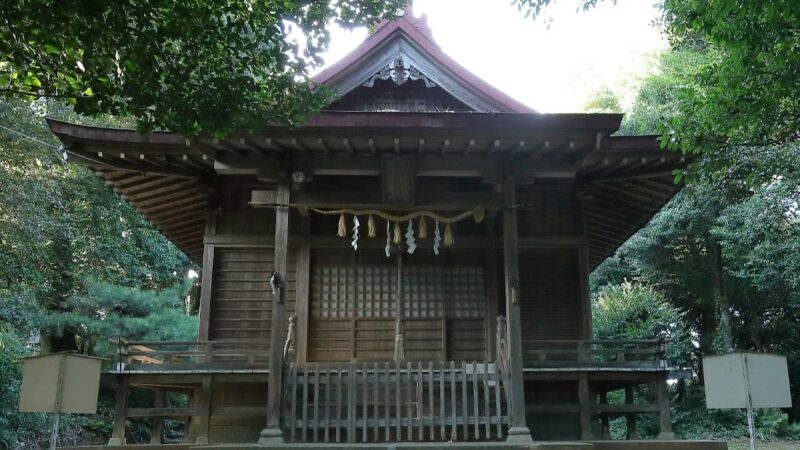
Main Hall and Worship Hall
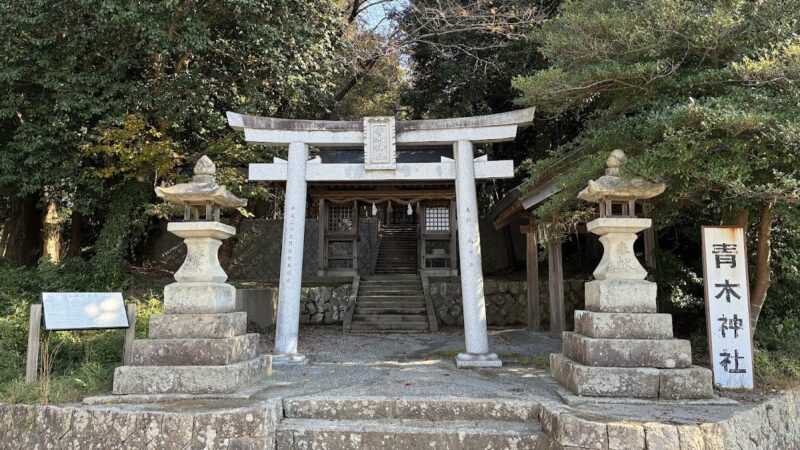
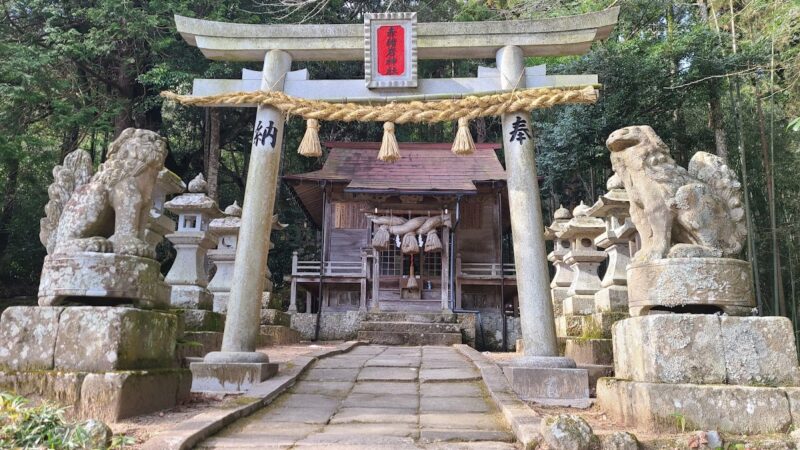
The main hall of Hiyoshi Shrine maintains the traditional style of shrine architecture. The shrine grounds are located on the same hill as the Fuse Kofun (ancient burial mound), and climbing the approach leads to a sacred area surrounded by a quiet forest.
The worship hall is open for worship year-round, and locals visit daily to offer prayers. It is especially crowded on May 15th, the day of the annual festival.
Subsidiary Shrine: Amenohohi-no-Mikoto Shrine
Within the grounds of Hiyoshi Shrine is the Amenohohi-no-Mikoto Shrine, a subsidiary shrine. Amenohohi-no-Mikoto is known as a child of Amaterasu-Omikami and is considered the ancestral deity of the Izumo no Kuni no Miyatsuko (provincial governor of Izumo Province).
The existence of this subsidiary shrine indicates that Hiyoshi Shrine is not merely a shrine of Sanno worship, but is also connected to the ancient beliefs of the Inaba region.
Monkeys as Divine Messengers
At Hiyoshi Shrine, as at Hiyoshi Taisha, monkeys are considered divine messengers (messengers of the gods). Unusually for a local shrine, beliefs and traditions related to monkeys remain, and monkey statues and sculptures can sometimes be seen on the shrine grounds.
Monkeys are also popular as symbols of protection against evil and good fortune, due to wordplay such as “evil leaves” and “victory.”
Annual Festival and Events
Annual Festival (May 15th)
The annual festival of Hiyoshi Shrine is held every year on May 15th. In the early Showa period, it was such a grand festival that over 20,000 worshippers visited, and extra trains were operated.
Even today, on the day of the annual festival, local people gather, and the Shinto rituals are solemnly performed. As an important Shinto ritual praying for a bountiful harvest, family safety, and regional prosperity, it also plays a role in strengthening the bonds of the local community.
Other Annual Events
The shrine also holds typical annual events such as Hatsumode (first shrine visit of the year), Setsubun Festival, and Natsukoshi no Oharae (summer purification ceremony). Many worshippers visit the shrine, especially for Hatsumode, to pray for good health and good fortune in the new year.
The shrine also accepts requests for life-changing rituals such as Shichi-Go-San (a traditional rite of passage for children) and Hatsumiyamairi (a first shrine visit for newborns), functioning as a shrine that watches over important milestones in the lives of people in the community.
Visiting Information and Access
Basic Information
Address: 469 Fuse, Tottori City, Tottori Prefecture 680-0944
Phone Number: 0857-28-4371
Visiting Hours: Grounds are freely accessible (please check the shrine office hours)
Admission Fee: Free
Parking: Available (Free)
Access Methods
Access by Train and Bus
- Approximately 15 minutes by local bus from JR Tottori Station
- Approximately 5 minutes on foot (approx. 388m) from the nearest bus stop, “Sanno-san-mae”
Access by Car
- Approximately 15 minutes from Tottori IC on the Tottori Expressway
- Approximately 10 minutes by car from Tottori Station
- Accessible from National Route 9
The shrine grounds have a parking lot for visitors, making it convenient to visit by car. However, on days when crowds are expected, such as festival days, we recommend using public transportation.
Nearby Tourist Attractions
Fuse Kofun (ancient burial mound)
A nationally designated historical site located on the same hill as Hiyoshi Shrine. A keyhole-shaped burial mound from the late Kofun period, it is an important site for understanding the ancient history of the Inaba region.
Tottori Sand Dunes
Approximately 20 minutes by car from Hiyoshi Shrine. A representative tourist destination of Tottori Prefecture, known as one of Japan’s largest sand dunes.
Tottori Castle Ruins
The ruins of a castle from the Sengoku period to the Edo period. Also known as the site of Hashiba Hideyoshi’s “Tottori Starvation.”
Inaba Provincial Office Ruins
The political center of the ancient Inaba Province. You can learn about the history of the Inaba region before the founding of Hiyoshi Shrine.
Goshuin (temple/shrine stamp) and other items
About Goshuin
Hiyoshi Shrine offers Goshuin. If you bring your Goshuincho (stamp book) during the shrine office’s opening hours, you can receive a handwritten Goshuin.
As one of the Inaba-Hoki Province Lucky Charm Shrines (Twelve Shrines Associated with the Chinese Zodiac), you can also get a stamp in a special “Travel Stamp Notebook.” It is believed that visiting all twelve shrines brings a special sense of accomplishment and good fortune.
Items Offered
Items such as amulets and votive tablets are available. The amulet for warding off childhood illnesses has been particularly popular for a long time, and is given to parents wishing for their children’s healthy growth.
Amulets for various wishes are available, including those for good fortune, traffic safety, family safety, and academic success.
Hiyoshi Shrine and the Inaba-Hoki Province Lucky Charm Shrine Pilgrimage
Hiyoshi Shrine has recently attracted attention as one of the Inaba-Hoki Province Lucky Charm Shrines (Twelve Shrines Associated with the Chinese Zodiac). This project is a lucky charm pilgrimage visiting twelve shrines in eastern and central Tottori Prefecture related to the Chinese zodiac, as well as eight shrines named after auspicious characters. ### How to Visit
Obtain special good luck charms such as a “travel stamp notebook,” “tote bag,” and “tenugui (hand towel),” and visit each shrine while collecting stamps. Visiting all the shrines is believed to bring greater good fortune and a sense of accomplishment.
Starting from Hiyoshi Shrine, visiting shrines in Tottori City and the surrounding areas will allow you to experience Tottori Prefecture’s history, culture, and nature, making for a fulfilling sightseeing experience.
Points to Note When Visiting Hiyoshi Shrine
Etiquette for Visiting Shrines
When visiting Hiyoshi Shrine, please observe general shrine etiquette.
- Bow before passing through the torii gate.
- Walk along the edge of the path, as the center is the path for the gods.
- Purify your body and mind at the water basin.
- At the main hall, pray using the two bows, two claps, and one bow ritual.
- Remain quiet within the shrine grounds and respect the sacred atmosphere.
Recommended Time to Visit
Hiyoshi Shrine can be visited throughout the year, but there are particularly recommended times.
Spring (April-May)
The fresh greenery is beautiful, and the atmosphere is especially special during the annual festival (May 15th).
Autumn (October-November)
The autumn leaves are beautiful, and the pleasant weather makes it ideal for visiting.
New Year’s Visit (January 1st-3rd)
Many visitors come to pray for good fortune in the new year.
Regarding Photography
Photography is generally permitted on the shrine grounds, but there may be restrictions, such as inside the main hall or during religious ceremonies. Please check with the shrine office or review any posted notices before taking photos.
Posting on social media is also permitted, but please be considerate of the privacy of other worshippers and avoid disrupting the atmosphere of the sacred grounds.
Summary
Hiyoshi Shrine in Fuse, Tottori City, is a historic shrine dating back to the Muromachi period and is affectionately known as “Fuse’s Sanno-sama” by the local people. It is a place of worship visited by many as the guardian deity of children’s illnesses and as a god of good fortune and prosperity.
Located on the same hillside as the Fuse Kofun (a national historical site), the shrine grounds, surrounded by a quiet forest, offer an ideal environment for peaceful worship. It is also noteworthy as part of the Inaba-Hoki Province Good Fortune Shrine Pilgrimage, making it a must-visit spot when sightseeing in Tottori.
Easily accessible from the center of Tottori City, Hiyoshi Shrine is surrounded by other tourist attractions such as the Fuse Kofun burial mounds and the Tottori Sand Dunes. Why not spend some peaceful time at Hiyoshi Shrine, where history, faith, and nature harmonize?