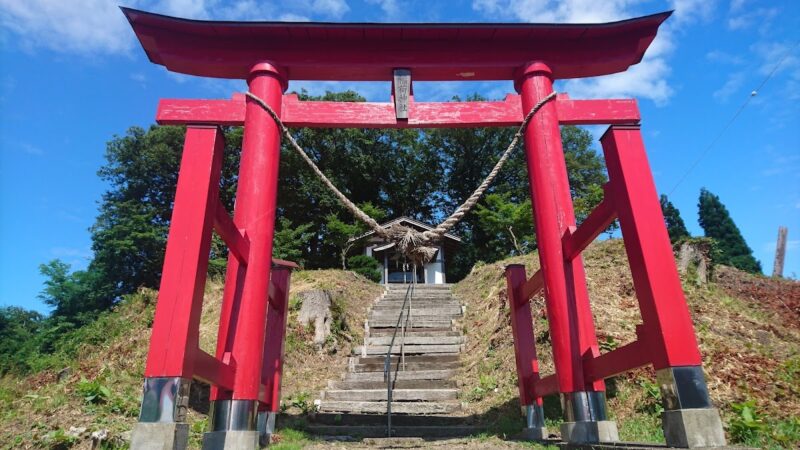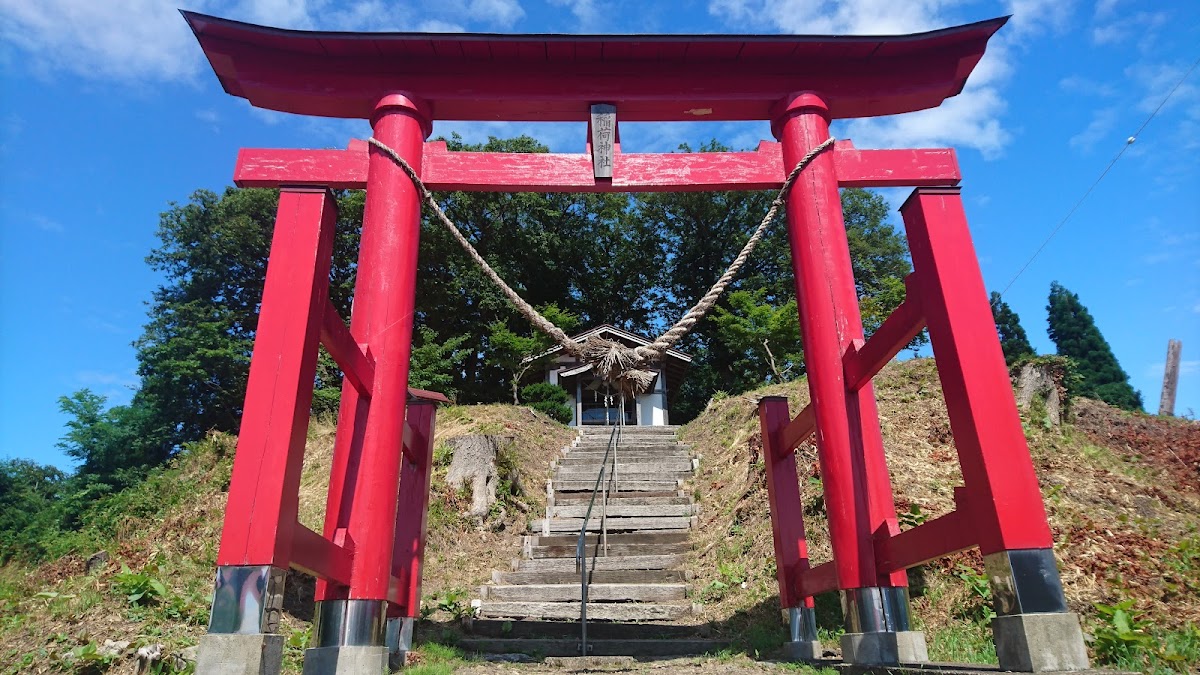
Detailed Information, History, and Access Guide for Inari Shrine (Akindotome, Odate City, Akita Prefecture)
The Inari Shrine, located in Akindotome, Odate City, Akita Prefecture, is a shrine that attracts the faith of the local community. This article provides a comprehensive explanation of the detailed information, historical background, access methods, and shrine culture in Odate City.
Basic Information about Inari Shrine
Location and Contact Information
Official Name: Inari Shrine (Inari Jinja)
Location: 101 Akindotome, Odate City, Akita Prefecture 017-0011
Corporate Number: 3410005002996
Affiliation: Association of Shinto Shrines
This Inari Shrine is one of several Inari Shrines located within Odate City, and is situated in the area known as Akindotome. The place name “Shonin-dome” (merchant’s stop) is thought to originate from the fact that it was once located along a road frequented by merchants.
Registration Information as a Religious Corporation
This shrine is officially registered in the Akita Prefecture Religious Corporation Register and is managed under corporate number 3410005002996. As a shrine belonging to the Association of Shinto Shrines, it inherits traditional Shinto rituals.
Deities and Beliefs of Inari Shrines
About Inari Beliefs
There are said to be over 30,000 Inari shrines throughout Japan, and among them, 2,655 are named “Inari Shrine,” making it the second most numerous shrine name in the country. Inari belief is one of the most widely practiced beliefs in Japan.
Deities Enshrined
The main deities enshrined at Inari shrines are generally the following:
- Ukanomitama-no-kami: God of grains and food
- Ukanomitama-no-mikoto: God of abundant harvests
Originally, Inari was worshipped as a god of agriculture and grain, but over time, it came to be widely worshipped as a god of business prosperity, family safety, and industrial development.
Benefits
Main benefits that can be prayed for at Inari shrines:
- Abundant harvests
- Business prosperity
- Family safety
- Industrial development
- Good fortune and prosperity
- Fulfillment of all wishes
History and Cultural Background of the Akindotome Area
Origin of the Place Name Akindotome
The unique place name Akindotome suggests that this area was an important trading hub from the Edo period to the Meiji period. Odate City developed as the central city of northern Akita Prefecture, with thriving mining and forestry industries.
Topographical Characteristics of Kangamori
The place name “Kangamori” indicates that it was a hilly area covered with forests. Within the rich natural environment of northern Akita Prefecture, Inari shrines have been enshrined as a place of worship for the local residents.
Shrine Culture of Odate City, Akita Prefecture
Total Number and Distribution of Shrines in Odate City
There are 83 shrines in Odate City, Akita Prefecture. This is a relatively large number compared to other municipalities in Akita Prefecture, indicating the depth of local faith.
Main Types of Shrines in Odate City:
- Inari Shrines: Multiple shrines
- Hachiman Shrines: Multiple shrines
- Shinmei Shrines: Multiple shrines
- Kumano Shrines: Multiple shrines
- Other unique local shrines
Inari Faith in Odate City
There are several Inari shrines within Odate City. For example:
- Inari Shrine (101 Kankemori, Shonin Tome) – Corporate Number: 3410005002996
- Inari Shrine (2 Kitashinmei-cho) – Corporate Number: 1410005002998
- Inari Shrine (75 Inaridai, Iwase)
Each Inari Shrine has its own unique history and beliefs specific to its region, playing a central role in the local community.
Shrine Culture and Characteristics of Akita Prefecture
Number of Shrines in Akita Prefecture
There are 1,138 shrines in Akita Prefecture. This is a distinctive number even within the Tohoku region, reflecting Akita Prefecture’s rich religious culture.
Representative Shrines of Akita Prefecture
Representative shrines of Akita Prefecture:
- Taiheizan Miyoshi Shrine (Akita City): The general guardian shrine of Akita Prefecture
- Yataka Shrine (Akita City): A shrine dedicated to the lord of the Akita domain
- Karamatsu Shrine (Daisen City): Known as a power spot
- Masamichi Shrine (Oga City): Associated with the Namahage legend
Comparison with Shrine Culture in the Tohoku Region
Akita Prefecture’s shrine culture is unique compared to other prefectures in the Tohoku region:
- Aomori Prefecture: Approximately 880 shrines
- Iwate Prefecture: Approximately 870 shrines
- Akita Prefecture: Approximately 1,138 shrines
- Miyagi Prefecture: Approximately 940 shrines
- Yamagata Prefecture: Approximately 1,740 shrines
- Fukushima Prefecture: Approximately 3,056 shrines
Akita Prefecture has a moderate number of shrines per unit area, but a relatively high number per capita, indicating that faith is deeply rooted in daily life.
How to access Inari shrines
Access by public transport
Nearest station: JR Ou Main Line “Odate Station”
The distance from Odate Station is approximately 3-4 km. Using a taxi or local bus is convenient.
Access by Bus:
- Take the Akita Kita Bus from Odate Station
- Board the bus bound for Shonindome
- Walk from the nearest bus stop
Access by Car
Access from Expressway:
- Approximately 10 minutes from the Tohoku Expressway “Odate Kita IC”
- Approximately 15 minutes from the Akita Expressway “Odate Minami IC”
Car Navigation Settings:
- Address: 101 Kankemori, Shonindome, Odate City, Akita Prefecture
- Postal Code: 〒017-0011
Parking Information
As this is a small local shrine, it is recommended to check in advance whether there is a dedicated parking lot. Please be considerate of nearby residents when visiting.
Etiquette and Manners for Visiting a Shrine
Basic Etiquette for Visiting a Shrine
Correct Way to Visit a Shrine:
- Bow before passing through the torii gate
- Purify your body and mind at the water basin
- Hold the ladle in your right hand and purify your left hand.
- Switch the ladle to your left hand and purify your right hand.
- Switch the ladle back to your right hand, receive water in your left hand, and rinse your mouth.
- Finally, hold the ladle upright and purify the handle.
- Two bows, two claps, and one bow in front of the main hall
- Bow deeply twice.
- Clap your hands twice at chest height.
- Offer your prayers.
- Finally, bow deeply once.
Clothing and Items to Bring When Visiting a Shrine
- Wear clean clothing.
- Avoid revealing clothing.
- Offer a monetary donation (a lucky amount such as 5 yen or 50 yen).
- Bring a Goshuincho (stamp book) if you wish to receive a Goshuin (stamp).
Places to Visit Alongside Odate City’s Tourist Attractions
Major Tourist Attractions in Odate City
Akita Dog Village
- A tourist facility showcasing the charm of Akita dogs
- Located in front of Odate Station
- Experience interacting with Akita dogs
Odate Jukai Dome
- One of the world’s largest wooden dome buildings
- Used as a venue for various events
Odate Local History Museum
- Learn about the history and culture of Odate City
- Exhibits on the history of mining and forestry
Birthplace of Kiritanpo
- The home of Kiritanpo, a local Akita dish
- Numerous famous restaurants exist within the city
Nearby Shrines and Temples
Other Major Shrines in Odate City:
- Odate Shinmei Shrine: Located in the center of Odate City
- Hachiman Shrine: Multiple locations exist
- Gokoku Shrine: Dedicated to war dead
Annual Events and Festivals
Main Festivals of Inari Shrines
General Annual Events of Inari Shrines:
Hatsuumasai (First Horse Day of February)
- The most important festival at Inari shrines
- Prayers for a bountiful harvest and business prosperity
Spring Grand Festival (April-May)
- Prayers for a good spring harvest
- A festival by local residents
Autumn Grand Festival (October-November)
- Thanksgiving for the harvest
- Traditional events such as Kagura performances
Major Festivals of Odate City
Odate Shinmei-sha Festival
- Held on September 10th and 11th
- Odate City’s largest festival
- Mikoshi procession, numerous stalls
Amekko Market
- Second Saturday and Sunday of February
- A traditional market with over 400 years of history
- A legend says that buying branch candy will prevent you from catching a cold
Social Role of Inari Shrines
The Heart of the Local Community
Shrines are not merely religious institutions; they play a vital role as a nexus of the local community:
- Venue for Local Festivals and Events: Seasonal festivals and events
- Venue for Intergenerational Exchange: A gathering place for people of all ages, from the elderly to children
- Preservation of Traditional Culture: Traditional performing arts such as Kagura and Matsuribayashi
- Disaster Prevention Hub: An evacuation site and information dissemination hub in emergencies
Preservation of Spiritual Culture
In modern society, shrines play a role in preserving the following aspects of spiritual culture:
- Reverence for Nature: The Japanese spirit of coexisting with nature
- Gratitude: Appreciation for daily blessings
- Spirit of Purity: The importance of purifying mind and body
- Sense of Community: Connection with the local community
Visiting Shrines in Akita Prefecture
How to Enjoy Visiting Shrines
Points to consider when visiting shrines in Akita Prefecture:
Collecting Goshuin (Shrine Stamps)
- Each shrine offers its own unique Goshuin (seal impression).
- Record your visit in a Goshuincho (seal impression book).
- Unique Goshuin depending on the calligrapher.
Power Spot Pilgrimage
- Many power spots exist within Akita Prefecture.
- Visiting shrines in a rich natural environment.
- Refreshing for mind and body.
Seasonal Scenery
- Spring: Cherry blossoms and fresh greenery
- Summer: Lush green shrine grounds
- Autumn: The beauty of autumn leaves
- Winter: The grandeur of snowscapes
Shrine Pilgrimage Route in Northern Akita Prefecture
Example of a shrine pilgrimage based in Odate City:
- Shrines in Odate City: Inari Shrine, Shinmei Shrine, etc.
- Kazuno City: Ancient shrines around the Oyu Stone Circles
- Kitaakita City: Tsuzuko Shrine (famous for its large drum)
- Noshiro City: Hiyoshi Shrine, Kashiwagi Shrine
Modern Significance of Shrine Pilgrimage
Peace of Mind and Refreshment
In modern society, visiting a shrine has the following effects:
- Stress Relief: Calmness of mind in a tranquil space
- Mindfulness: An experience of focusing on the present moment
- Digital Detox: Time away from smartphones
- Connection with Nature: Healing in the lush grounds
Value as Cultural Heritage
Shrines are an important cultural heritage of Japan:
- Architectural Style: Traditional wooden construction techniques
- Arts and Crafts: Sculpture, paintings, and crafts
- Intangible Cultural Heritage: Festivals, Kagura (Shinto music and dance), and traditional performing arts
- Ethnological Value: A record of local history and beliefs
Statistical Information for Odate City, Akita Prefecture
Basic Data for Odate City
Population: Approximately 67,000 (as of 2024)
Area: 913.22 km²
Number of Shrines: 83 Shrines
Number of Shrines per Population: Approximately 1 shrine for every 808 people
Number of Shrines per Area: Approximately 1 shrine for every 11 km²
This data indicates that Odate City has a relatively large number of shrines, and that religious faith is deeply rooted in the region.
Shrine Statistics for Akita Prefecture
Total Number of Shrines in Akita Prefecture: 1,138 shrines
Population of Akita Prefecture: Approximately 930,000 people
Number of Shrines per Population: Approximately 1 shrine for every 817 people
Compared to the national average, Akita Prefecture has one of the highest numbers of shrines per capita.
Shrine Culture in Neighboring Prefectures
Shrines in Aomori Prefecture
Aomori Prefecture has approximately 880 shrines. The Tsugaru and Nanbu regions each have their own unique shrine cultures.
Major Shrines:
- Iwaki-san Shrine (Hirosaki City)
- Utou Shrine (Aomori City)
- Kushihiki Hachimangu Shrine (Hachinohe City)
Shrines in Iwate Prefecture
Iwate Prefecture has approximately 870 shrines, and its shrine culture is characterized by the influence of the Nanbu and Date clans.
Major Shrines:
- Morioka Hachimangu Shrine (Morioka City)
- Komagata Shrine (Oshu City)
- Chusonji Temple (Hiraizumi Town) – Culture of Shinto-Buddhist syncretism
Shrines in Yamagata Prefecture
Yamagata Prefecture has the most shrines in the Tohoku region, with approximately 1,740. It is heavily influenced by the Dewa Sanzan faith, and the culture of Shugendo (mountain asceticism) remains strong.
Major Shrines:
- Dewa Sanzan Shrine (Tsuruoka City)
- Kumano Taisha Shrine (Nanyo City)
- Chokaisan Omokimi Shrine (Yuza Town)
Points to Note When Visiting Inari Shrines
Visiting Hours
For small local shrines, specific visiting hours are generally not set. However, it is preferable to visit during the following times:
- From sunrise to sunset: During the time when there is natural light
- Early morning visit: Visit in the fresh air
- Times to avoid: Avoid visiting at night
Consideration for the local community
Remember that the shrine is a place of worship for local residents:
- No noise: Visit quietly
- Take your trash home: Keep the shrine grounds clean
- Photography etiquette: Check areas where photography is prohibited
- Do not trespass on private property: Avoid entering areas outside the shrine grounds without permission
Visiting in winter
Due to heavy snowfall in Akita Prefecture during winter, special precautions are necessary when visiting in winter:
- Cold weather protection: Wear sufficient warm clothing
- Anti-slip measures: Wear snow boots or anti-slip devices
- Check snow removal status: Check in advance whether the approach to the shrine has been cleared of snow
- Daylight Hours: Due to early sunsets in winter, please visit earlier.
Summary
The Inari Shrine, located in Kan-ga-mori, Shonin-dome, Odate City, Akita Prefecture, has long been a beloved place of worship rooted in the local community. As one of the 2,655 Inari shrines nationwide, it welcomes worshippers seeking blessings for abundant harvests, business prosperity, and family safety.
Odate City has 83 shrines, each playing an important role as a center of the local community. Akita Prefecture as a whole has 1,138 shrines, preserving a rich tradition of religious culture.
Visiting a shrine is not merely sightseeing; it’s a valuable opportunity to experience traditional Japanese culture and spirituality. When visiting an Inari shrine, observing proper worship etiquette, being considerate of the local community, and praying with a calm heart will lead to a deeper experience.
When you visit Odate City, in addition to sightseeing such as the Akita Inu Village and kiritanpo (rice dumplings), you can experience the culture and history of Odate more deeply by visiting local shrines. Enjoy a shrine visit that will refresh your mind and body amidst the beautiful nature of each season.