Kōenji Temple (Miyagi Prefecture, Aoba Ward) Complete Guide | History, Access, and Cemetery Information – A Thorough Explanation
Located in Kitayama, Aoba Ward, Sendai City, Miyagi Prefecture, Kōyōzan Kōenji Temple is a historic Tendai sect temple dating back to the Keichō era. Despite its convenient location near the center of Sendai, it is a beloved temple in the community, offering a peaceful environment for ancestral worship. This article provides a detailed explanation of Kōenji Temple’s history, grounds, cemetery information, and access methods.
Basic Information about Koenji Temple
Official Name: Koyozan Koenji Temple
Sect: Tendai Buddhism
Location: 2-14-10 Kitayama, Aoba-ku, Sendai City, Miyagi Prefecture
Phone Number: 022-234-0017
Nearest Station: Approximately 7 minutes on foot (562m) from Kitayama Station on the Sendai City Subway Namboku Line
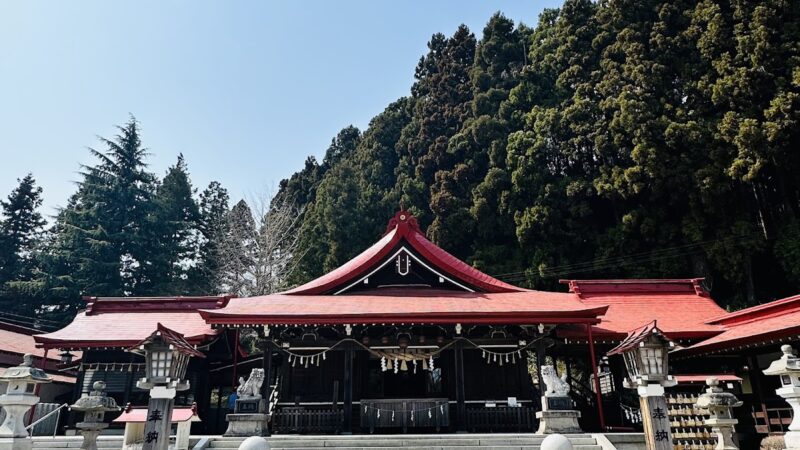
Koenji Temple is located in the Kitayama area of Sendai City, in a cultural area with many historical temples and shrines such as Rinnoji Temple and Aoba Shrine. Based on the teachings of the Tendai sect, it has continued to operate as a center of faith in the region for many years.
History of Koenji Temple
Founding and Founder
Koenji Temple was founded during the Keicho era (1600-1614). This historic temple was founded around the time the Edo Shogunate was established, and was originally built in Mototerakoji, Sendai Castle town. Mototerakoji was an area where many temples were concentrated in the early days of the Sendai Domain, and it is located near the present-day center of Sendai City.
Construction of the Fudō-dō by Date Masamune
In 1625 (Kanei 2), Date Masamune, the founder of the Sendai Domain, built the Fudō-dō (Fudō Hall) within the grounds of Kōenji Temple. Masamune focused on developing Sendai Castle town and was deeply involved in the placement of temples and shrines. This Fudō-dō is an important building of Kōenji Temple and has attracted worshippers for many years.
Relocation and Settlement at Current Location
Kōenji Temple was located in Mototerakoji throughout the Edo period, but due to changes in urban planning in Sendai Castle town, it was relocated to its current location in Kitayama, Aoba Ward. The Kitayama area is a quiet residential area in northern Sendai City and is known for having many temples scattered throughout the area. Even after its relocation, it has remained a center of local faith, cherished by parishioners and visitors.
Damage and Reconstruction from War
On July 10, 1945, the Sendai air raid caused immense damage, with the temple buildings being completely destroyed. This air raid was massive, destroying approximately 80% of Sendai city, and many temples and shrines were also affected.
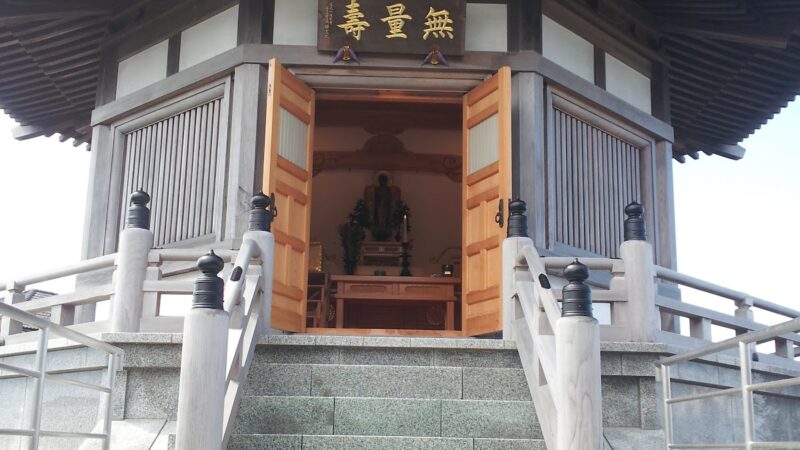
At Kōenji Temple, most of the buildings were destroyed, but miraculously, one statue of Amida Buddha and the Buddha inside the main image were saved from the fire. These Buddha statues are still carefully enshrined today as valuable cultural assets of Kōenji Temple.
After the war, with the support of parishioners and local residents, Kōenji Temple was rebuilt. While the current main hall and other buildings were rebuilt after the war, they maintain the traditional style of temple architecture while also incorporating modern facilities.
About the Tendai School
The Tendai school, to which Kōenji Temple belongs, is one of the major Buddhist sects in Japan, founded in the early Heian period by Saichō (Dengyō Daishi). Its head temple is Enryaku-ji Temple on Mount Hiei, and its fundamental principle is “One Vehicle” thought, that is, “everyone can become a Buddha.”
Characteristics of the Tendai School
- Comprehensive Buddhism: While using the Lotus Sutra as its fundamental scripture, it encompasses diverse practices such as Esoteric Buddhism, Zen, Nembutsu, and precepts.
- Perfect and Sudden Precepts: Emphasizes the precepts of Mahayana Buddhism and teaches that all people possess Buddha-nature.
- Combined Study of Four Schools: A tradition of comprehensively studying Tendai teachings, Esoteric Buddhism, Zen, and Nembutsu.
There are over 3,000 Tendai temples throughout Japan, and numerous Tendai temples exist within Miyagi Prefecture. Kōenji Temple also inherits this tradition and supports local religious activities.
Kōenji Temple Grounds and Features
Main Hall
Rebuilt after the war, the main hall is a modern structure that follows the traditional style of temple architecture. Inside, various Buddhist statues, including the principal image, are enshrined, and memorial services and funerals are held here.
Amida Buddha Statue and Principal Image’s Inner Buddha
The Amida Buddha statue and the principal image’s inner Buddha, miraculously saved from the fires of the Sendai air raids, are valuable cultural assets that tell the history of Kōenji Temple. These statues date back to before the Edo period and are objects of faith for parishioners and visitors.
Cemetery and Burial Grounds
Kōenji Temple has a temple cemetery where parishioners perform ancestral memorial services. Despite its convenient location near the center of Sendai, it maintains a quiet environment, making it suitable for visiting graves.
Perpetual Memorial Service Facilities and Columbarium
To meet modern needs, Kōenji Temple is equipped with perpetual memorial service facilities and columbarium. For those without successors or those concerned about future grave management, perpetual memorial services offer a reassuring option.
Parking
Parking is available for visitors and those attending memorial services, making it accessible by car. We accommodate visitors arriving by both public transport and private vehicle.
How to Access Kōenji Temple
Access by Train
From Kitayama Station on the Sendai City Subway Namboku Line
- Approximately 7 minutes on foot (approx. 562m) from Exit 1 South of Kitayama Station
- Head west along Kitayama Street from the station. After passing through the residential area, you will arrive at Kōenji Temple.
From Kitayama Station on the JR Senzan Line
- Approximately 10 minutes on foot
- It is close to Kitayama Subway Station and can be reached via a similar route.
Access by Bus
If using Sendai City Buses, take a bus bound for Kitayama from Sendai Station, get off at the nearest bus stop, and arrive in a few minutes on foot. Please check the official website of the Sendai City Transportation Bureau for specific bus routes and timetables.
Access by Car
From Central Sendai
- Approximately 10 minutes via National Route 48 towards Kitayama
- Parking is available, but it may be crowded due to memorial services, so advance confirmation is recommended.
From Tohoku Expressway
- Approximately 15 minutes from Sendai Miyagi IC
- Approximately 20 minutes from Izumi IC
Address and Map Information
Location: 2-14-10 Kitayama, Aoba-ku, Sendai City, Miyagi Prefecture 981-0931
Koenji Temple is located in a quiet residential area of Kitayama, surrounded by a group of historical temples known as the Kitayama Five Mountains. Rinnoji Temple, Shifukuji Temple, Kakuganji Temple, Komyoji Temple, and Manshoji Temple are nearby, allowing visitors to enjoy temple and shrine hopping.
About Cemeteries and Perpetual Memorial Services
Characteristics of the Temple Cemetery
Koenji Temple’s cemetery is a Tendai sect temple cemetery, available for use by temple parishioners. The main features of the temple cemetery are as follows:
- Religious Security: Regular memorial services are performed by Tendai Buddhist priests.
- Excellent Management: As the temple manages the cemetery, cleaning and maintenance are thorough.
- Convenience of Memorial Services: Memorial services can be held on the same grounds, eliminating the burden of travel.
Perpetual Memorial Service Facilities
For those without successors or those concerned about future cemetery management, Koenji Temple offers perpetual memorial service facilities. With perpetual memorial services, the temple takes responsibility for continuing memorial services indefinitely, offering the following advantages:
- No Successor Required: You can use it with peace of mind even if you have no descendants.
- No Management Fees: Generally, only an initial fee is required; annual management fees are often not necessary.
- Communal or Individual Burial: You have options such as a communal grave or individual burial space.
Grave Closure and Reburial Acceptance
At Kōenji Temple, we also accept reburials (grave closures) from other cemeteries. Those who find it difficult to manage a distant cemetery, or those who have moved to Sendai, can transfer their ancestors’ remains to Kōenji Temple.
The reburial procedure involves the following steps:
- Consultation with the current cemetery administrator: Inform them of your intention to close the grave.
- Obtaining a reburial permit: Complete the procedure in the municipality where the current cemetery is located.
- Removal of remains: Arrange for a stonemason or similar service to remove the remains.
- Acceptance at Kōenji Temple: Inter the remains in a new grave plot or perpetual memorial facility.
Flow from grave plot purchase to interment
When purchasing a new grave plot at Kōenji Temple, the process generally follows the steps outlined below.
1. Inquiry and Visit
- Contact Kōenji Temple by phone or email to schedule a visit to the cemetery.
- Visit the site to check the environment and plots.
2. Consultation and Application
- Discuss your desired type of burial plot (general burial plot, perpetual memorial service, etc.).
- Receive a detailed explanation of costs and contract details.
- Submit an application form and conclude a contract.
3. Tombstone Construction
- Select a stonemason and decide on the tombstone design and stone material.
- Construction of the tombstone will be carried out (usually 2-3 months).
4. Consecration Ceremony
- Once the tombstone is completed, an consecration ceremony (soul-imbuing) will be held.
- A monk from Kōenji Temple will chant sutras and perform a ceremony to imbue the tombstone with a soul.
5. Interment
- The deceased’s remains will be interred in the burial plot.
- An interment ceremony will be held to pray for the repose of the deceased’s soul.
Regarding Costs
The cost of a cemetery plot and perpetual memorial services varies depending on the type of burial plot and its size. For detailed pricing, please contact Kōenji Temple directly. The general cost structure for temple cemeteries is as follows:
- Perpetual Use Fee: Cost of the right to use the cemetery plot
- Gravestone Cost: Cost of the gravestone itself and construction
- Management Fee: Annual cemetery maintenance fee
- Memorial Service Cost: Costs for services such as the eye-opening ceremony and annual memorial services
Memorial Services and Rituals at Kōenji Temple
Annual Events
As a Tendai sect temple, Kōenji Temple holds various memorial services and events throughout the year.
- Spring Equinox Service: The period centered around the spring equinox in March
- Obon Memorial Service: The Obon festival in August
- Autumn Equinox Service: The period centered around the autumn equinox in September
- Year-End and New Year Memorial Services: Including the ringing of the temple bell on New Year’s Eve and the Shusho-e service
Individual Memorial Services
Parishioners can hold the following individual memorial services at Koenji Temple:
- Funeral/Memorial Service: The final ceremony to send off the deceased
- Seventh Day/Forty-Ninth Day Memorial Service: Memorial service for the deceased
- First Anniversary/Third Anniversary Memorial Service: Annual memorial service
- Visiting Graves during Obon/Equinox: Ancestor worship
We recommend consulting with Koenji Temple in advance regarding the date and content of the memorial service and making a reservation.
Surrounding Temples and Shrines and the Charms of the Kitayama Area
Kitayama Five Temples
The Kitayama area, where Kōenji Temple is located, is home to a historical group of temples known as the “Kitayama Five Temples.”
- Shifukuji Temple: The family temple of Ai-hime, the principal wife of Date Masamune
- Manshōji Temple: A Sōtō Zen temple associated with the Date family
- Kakuganji Temple: The family temple of a senior retainer of the Date family
- Kōmyōji Temple: An ancient Shingon Buddhist temple
- Rinnōji Temple: A Sōtō Zen temple associated with the Date family, boasting a beautiful Japanese garden
These temples are within walking distance, making it easy to enjoy a temple and shrine tour.
Aoba Shrine
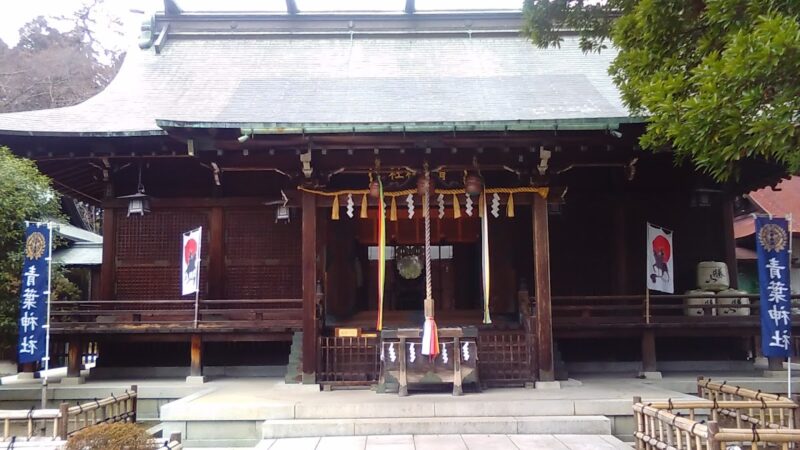
Within walking distance of Kōenji Temple is Aoba Shrine, dedicated to Date Masamune. Aoba Shrine is a nationally registered tangible cultural property and is revered by the citizens of Sendai.
Characteristics of the Kitayama Area
The Kitayama area is a quiet residential area in the northern part of Sendai City, and has the following characteristics:
- Many Historic Temples and Shrines: Many temples and shrines associated with the Date family are concentrated here.
- Educational District: There are many schools and cultural facilities, creating a calm atmosphere.
- Convenient Transportation: It has good access via the Sendai Subway Namboku Line and the JR Senzan Line.
- Natural Environment: Despite being close to the center of Sendai City, a lush green environment is maintained.
Points to Note When Visiting Kōenji Temple
Etiquette for Visiting Temples
When visiting temples, please observe the following basic manners.
- Attire: Modest, understated clothing is preferred.
- Greetings: Bow before the main hall and offer your prayers quietly.
- Photography: Photography is generally permitted within the temple grounds, but permission may be required for photography inside the main hall, etc.
- Smoking and Eating: Please refrain from smoking and eating within the temple grounds.
How to Inquire
For inquiries regarding cemetery visits or memorial service consultations, we recommend contacting us by phone in advance.
Phone Number: 022-234-0017
Reception Hours: Generally 9:00 AM to 5:00 PM (Please inquire directly for details)
Best Time to Visit
Kōenji Temple is open for visits throughout the year, but the following periods tend to be particularly busy.
- Ohigan (Spring and Autumn): The Ohigan period in March and September
- Obon: Mid-August
- Year-End and New Year: Late December to early January
These periods may be crowded, so if you want to visit at a leisurely pace, weekday visits are recommended.
Other Temple Cemeteries in Aoba Ward, Sendai City
Besides Koenji Temple, there are many other temple cemeteries in Aoba Ward, Sendai City. When choosing a cemetery, it is recommended to compare and consider several temples.
Main Temples
- Rinnoji Temple: A Soto Zen temple with a beautiful Japanese garden
- Shifukuji Temple: A temple associated with the Date family, of high historical value
- Osaki Hachimangu Shrine: A Shinto shrine, but with a cemetery nearby
- Mitakiyama Fudōin Temple: A Shingon Buddhist temple with Fudō Myōō as its principal deity
Public Cemeteries
As an alternative to temple cemeteries, there are also public cemeteries operated by Sendai City.
- Sendai Municipal Kuzuoka Cemetery: A large-scale public cemetery located in Kuzuoka, Aoba-ku, Sendai City.
- Sendai Municipal Izumi Cemetery: A public cemetery located in Izumi-ku.
Public cemeteries are open to people of all religions and tend to be relatively inexpensive, but applications often require a lottery.
Summary
Koyozan Koenji Temple is a historic Tendai sect temple dating back to the Keicho era. Having survived the damage of the Sendai air raids, it continues to serve as a center of faith for the community. While easily accessible from central Sendai, it offers a peaceful environment for ancestral worship.
If you are considering a burial plot or perpetual memorial service, or are interested in the history of Koenji Temple, please visit the site. Combined with a tour of temples and shrines in the Kitayama area, you can experience the history and culture of Sendai.
For more information or to make a reservation for a visit, please contact Kōenji Temple directly (Tel: 022-234-0017).