Daihoji Temple (Aoba-ku, Sendai City, Miyagi Prefecture) Complete Guide | History, Access, Funeral Services, and Cemetery Information
About Daihoji Temple
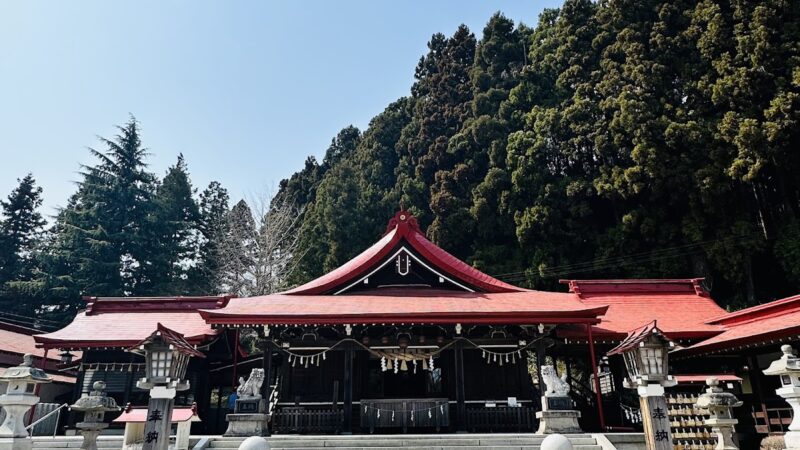
Daihoji Temple is a Jodo sect temple located in Sanjo-cho, Aoba-ku, Sendai City, Miyagi Prefecture. Its official name is “Enkozan Kogan-in Daihoji,” and it is known as a historical temple with deep ties to the Sendai Domain.
Founded in 1608 in Omachi-gashira, Sendai, Daihoji Temple later moved to its current location, the site of the funeral of the second lord of the domain, Date Tadamune. This relocation demonstrates Daihoji Temple’s close connection to the history of the Sendai Domain.
Currently, it is used not only as a venue for funerals and memorial services, but also as a comprehensive Buddhist facility equipped with a cemetery and columbarium, serving the local residents of Aoba-ku, Sendai City.
Basic Information
Location and Contact Information
- Address: 7-27 Sanjo-cho, Aoba-ku, Sendai City, Miyagi Prefecture 981-0935
- Sect: Jodo-shu (Pure Land Buddhism)
- Mountain Name: Enkozan
- Temple Name: Kogan-in
- Temple Name: Daihoji
About the Sect
Daihoji is a Jodo-shu temple. The Jodo-shu sect, founded by Honen Shonin, teaches that by chanting “Namu Amida Butsu,” one can attain rebirth in the Pure Land through the power of Amida Buddha’s original vow.
In Jodo-shu temples, funerals and memorial services are conducted with ceremonies centered on chanting the Buddha’s name. While funerals and memorial services at Daihoji generally follow Jodo-shu customs, consultations may be available for those of other sects; therefore, prior confirmation is necessary.
History of Daihoji Temple
Founding and Relocation History
The history of Daihoji Temple dates back to 1608 (Keicho 13). It was founded in Omachi-gashira, Sendai, during the time of Date Masamune, the first lord of the Sendai Domain. Omachi was the central commercial area of Sendai Castle town, and Daihoji Temple was situated amidst its bustling activity.
Later, it was relocated to its current location in Sanjo-machi, the site where the funeral of the second lord, Date Tadamune (1599-1658), was held. This relocation speaks to the deep connection with the lord and demonstrates the important role Daihoji Temple played in the Sendai Domain.
Connection with the Sendai Domain
Date Tadamune was born as Masamune’s second son and became the second lord in 1636 (Kanei 13). Lord Tadamune is known as a wise ruler who dedicated himself to the development of Sendai Castle town and the promotion of culture.
Daihoji Temple, relocated to the site of Lord Tadamune’s funeral, subsequently attracted the faith of many samurai and townspeople as a temple associated with the Sendai Domain. Throughout the Edo period, Daihoji Temple functioned as a spiritual center for the community.
Daihoji Temple in Modern Times
Daihoji Temple has overcome various difficulties, including the anti-Buddhist movement after the Meiji Restoration and the bombing of Sendai during World War II, and has continued to uphold its religious traditions to this day.
Currently, while fulfilling its role as a traditional temple, it offers a variety of Buddhist services, including funeral services and the provision of cemeteries and columbariums, to meet modern needs.
Access Information
Access by Train
Daihoji Temple can be reached using public transportation.
From JR Senzan Line “Kitayama Station”
- Approximately 11 minutes on foot from Kitayama Station
- Exit the station and head towards Kitayama. After passing through the residential area, you will arrive at Daihoji Temple.
Kitayama Station is approximately 10 minutes from Sendai Station on the Senzan Line, making it easily accessible from central Sendai.
Access by Bus
Several bus stops are available when using Sendai City Buses.
Available Bus Stops
- Get off at “Kitayama 3-chome” bus stop (approximately 3 minutes on foot)
- Get off at “Haguro Shrine” bus stop (approximately 3 minutes on foot)
- Get off at “Sanjo-cho” bus stop (approximately 3 minutes on foot)
These bus stops are accessible from Sendai Station and surrounding areas via multiple bus routes. Sendai City Bus route maps and timetables can be found on the Sendai City Transportation Bureau website.
Access by Car
From Central Sendai
- Travel time: Approximately 15 minutes
- The route using National Route 48 towards Kitayama is convenient.
From Tohoku Expressway
- Approximately 20 minutes from Sendai-Miyagi IC
- Approximately 25 minutes from Izumi IC
We recommend checking with the temple in advance regarding parking availability and capacity. Especially during funerals and memorial services, securing parking spaces for attendees may be necessary.
Map Information of the Surrounding Area
Daihoji Temple is located in the Kitayama area, in the northern part of Aoba Ward, Sendai City. The surrounding area is home to a group of temples known as the Kitayama Five Mountains, a historical area with a concentration of temples and shrines.
Nearby are Haguro Shrine and cemeteries such as Kitayama Cemetery, making it an important religious area in Sendai City.
About Funerals and Memorial Services
Types and Costs of Funerals
Daihoji Temple accommodates various types of funerals.
Traditional Funeral
- A traditional funeral format
- Attends many people, including relatives, friends, and colleagues
- The wake and funeral service are held over two days.
Family Funeral
- A small-scale funeral format that has been increasing in recent years
- Held only with family and close relatives
- Allows for quiet final moments with the deceased
- Often less expensive than a traditional funeral.
One-Day Funeral
- A format that omits the wake and only holds the funeral service.
- Reduces the burden on elderly attendees
- Consideration for attendees traveling from afar.
Direct Cremation
- Only cremation is performed, without a wake or funeral service.
- The simplest and most cost-effective format.
- It is possible to hold a memorial service at a later date.
Funeral costs vary greatly depending on the scale and content. Generally, funeral expenses include the following items:
- Offerings to the temple (e.g., chanting fees, posthumous name fees)
- Costs of funeral equipment such as altars, coffins, and floral tributes
- Venue usage fees
- Cremation fees
- Food and beverage expenses
- Costs of return gifts
For specific costs, it is necessary to request estimates from funeral homes and temples, depending on the desired funeral style and scale.
Regarding memorial services
Daihoji Temple also holds various memorial services after funerals.
First Seven Day Memorial Service
- Held on the 7th day after the death of the deceased
- In recent years, it is often held on the day of the funeral.
Forty-Ninth Day Memorial Service
- Held on the 49th day after the death of the deceased
- Important as a memorial service marking the end of the mourning period
- Often held at the same time as the interment of ashes.
First, Third, and Seventh Anniversary Memorial Services
- Held regularly as annual memorial services
- To remember and continue to honor the deceased.
Obon and Higan Memorial Services
- Held as an annual event
- An opportunity to honor ancestors.
When holding a memorial service, it is necessary to contact the temple in advance to discuss scheduling and preparations.
Ordering Funeral Flowers
Funeral flowers can be arranged for funerals and memorial services. Funeral flowers express condolences to the deceased and also serve to decorate the venue with solemnity.
While ordering funeral flowers is generally done through the funeral home, it is also possible to order directly from a florist. For funerals at Daihoji Temple, it’s a good idea to check with the temple or funeral home to see if they have a recommended florist.
Types of funeral flowers include:
- Standing arrangements: Large floral arrangements displayed at the entrance of the ceremony hall, etc.
- Basket arrangements: Floral arrangements placed around the altar
- Pillow arrangements: Floral arrangements placed at the deceased’s bedside
About the Cemetery and Columbarium
Cemetery Facilities at Daihoji Temple
Daihoji Temple has an attached cemetery where perpetual memorial services and general burial plots are available.
General Burial Plots
- Used as a family grave for generations
- Requires the construction of a tombstone
- Requires a successor
Perpetual Memorial Grave
- Available even for those without successors
- Perpetual memorial services are provided by the temple
- Increasing demand in recent years
Columbarium
- Indoor facility for storing remains
- Allows visits regardless of weather
- Often less expensive than tombstone construction
Costs of Using a Cemetery Plot
The following costs are incurred when using a cemetery plot:
- Perpetual Use Fee: Cost to acquire the right to use a cemetery plot
- Annual Management Fee: Cost for maintaining and managing the cemetery
- Tombstone Construction Cost: Cost of purchasing and installing a tombstone (for general burial plots)
- Interment Cost: Cost for interring remains
Specific costs vary depending on the size and location of the cemetery plot, the type of tombstone chosen, etc. We recommend contacting Daihoji Temple directly for details.
Sendai City Kitayama Cemetery
Near Daihoji Temple is the Sendai City-run Kitayama Cemetery. Kitayama Cemetery is a public cemetery operated by the city of Sendai, and is characterized by its relatively low cost.
Features of Kitayama Cemetery
- Public cemetery operated by the city of Sendai
- Available to all religious denominations
- Lower perpetual use fees compared to private cemeteries
- Certain conditions apply to applications (e.g., being a resident of Sendai)
After a funeral at Daihoji Temple, you can also choose to inter the ashes at Kitayama Cemetery. However, public cemeteries often operate on a lottery system, so even if you wish to use a plot, it is not guaranteed.
Points to Consider When Choosing a Grave
When choosing a grave, consider the following points:
- Location and Access: Is it a place you can visit regularly?
- Cost: Total cost of initial and maintenance fees
- Sect: Are there any restrictions on sect if it’s a temple cemetery?
- Presence of Heir: If there is no heir, consider perpetual memorial services.
- Management System: Is the cemetery well-maintained and clean?
- Facilities: Are there facilities such as parking lots, rest areas, and water sources?
When considering a cemetery at Daihoji Temple, we recommend visiting the site in person to check the atmosphere and discussing details with the temple staff.
Information on Nearby Crematoriums
When conducting a funeral, information on crematoriums is also important. Here are some of the main crematoriums available from Daihoji Temple.
Kuzuoka Crematorium
Location: 42-1 Kuzuoka, Goro, Aoba-ku, Sendai City
Kuzuoka Crematorium is a crematorium operated by Sendai City and is located relatively close to Daihoji Temple. It is a major crematorium used by many Sendai residents.
Features
- Sendai City-operated crematorium
- Equipped with multiple cremation furnaces
- Fully equipped with facilities such as waiting rooms and mortuary rooms
- Available at preferential rates for Sendai residents
Access
- Approximately 15 minutes by car from Daihoji Temple
- Also accessible by Sendai City buses
Rifu Saien Crematorium
Location: 112-26 Uchinome Minami, Morigo, Rifu-cho, Miyagi-gun
Rifu Saien is a crematorium located in Rifu-cho and is used by people from northern Sendai City and surrounding areas.
Features
- Relatively new facility
- Clean and well-equipped
- Funeral hall also available
Access
- Approximately 20 minutes by car from Daihoji Temple
- Close to Rifuchu IC on the Sanriku Expressway
Natori City Crematorium
Location: 50 Yamashita, Takadatekawakami, Natori City
Natori City Crematorium is operated by Natori City. While it’s a bit of a distance from Daihoji Temple, it’s sometimes used by residents of southern Sendai City and Natori City.
Features
- Natori City-operated crematorium
- Funeral hall also available
Access
- Approximately 30 minutes by car from Daihoji Temple
- Close to Natori IC on the Sendai Eastern Expressway
The choice of crematorium should be made considering the deceased’s and family’s place of residence, the scale of the funeral, and the cost. Consult with the funeral home or temple to choose the most suitable crematorium.
Recommended Nearby Funeral Halls
In addition to funerals at Daihoji Temple, it is also possible to use nearby funeral halls. ### Private Funeral Homes
There are several private funeral homes in Aoba Ward, Sendai City, and the surrounding areas. These funeral homes can accommodate funerals regardless of religious affiliation and often have excellent facilities and amenities.
Characteristics of Private Funeral Homes
- Equipped with the latest facilities
- Spacious parking
- May have accommodation facilities
- Diverse funeral plans
Public Funeral Homes
There are also public funeral homes operated by Sendai City and surrounding municipalities.
Characteristics of Public Crematoriums
- Relatively inexpensive usage fees
- Often offers preferential treatment for citizens
- Reservations can be difficult to obtain
Points to Consider When Choosing a Crematorium
When choosing a crematorium, consider the following points:
- Location and Access: Is it a convenient location for attendees to gather?
- Cost: Is the pricing within your budget?
- Facilities: Is the size of the ceremony hall, waiting rooms, parking, etc., adequate?
- Religious Sect Support: Is it possible to hold a funeral of your desired religious sect?
- Services Offered: What kind of support system does the funeral home provide?
Even if you wish to hold the funeral at Daihoji Temple, you can also choose to hold the wake and funeral service at a different crematorium and only the memorial service at the temple. Make your decision after comprehensively considering the family’s wishes, the deceased’s wishes, and the convenience of the attendees.
Points to Note When Using Daihoji Temple
Importance of Prior Consultation
If you plan to hold a funeral or memorial service at Daihoji Temple, or use its cemetery, it is necessary to consult with the temple in advance.
Topics to Discuss:
- Funeral date and format
- Cost estimate
- Restrictions based on religious sect
- Cemetery plot availability
- Interment procedures
You can inquire by phone or visit in person. The atmosphere of the temple, where you can easily discuss your concerns, is an important factor in choosing a temple.
About the Danka System
When using a temple cemetery, you may be required to become a danka (temple parishioner). A danka is a family that financially supports a specific temple and maintains the faith of that temple’s sect.
Danka Obligations:
- Payment of annual maintenance fees (temple upkeep fees)
- Participation in temple events
- Holding funerals and memorial services at the temple
It is important to confirm in advance whether you need to become a danka when using a cemetery at Daihoji Temple.
About Differences in Religious Sects
Daihoji Temple is a Jodo sect temple, but it may be possible for people of other sects to use funerals and cemeteries there. However, since the procedures vary from temple to temple, it is essential to confirm in advance.
In particular, if you already have a family temple of another sect, it is important to consult with both temples to avoid problems.
Temple Information in Aoba Ward, Sendai City
Characteristics of Temples in Aoba Ward
Aoba Ward in Sendai City has many temples, including Daihoji Temple. The Kitayama area, in particular, has five major temples known as the “Kitayama Five Mountains,” making it a historically and culturally important region.
Kitayama Five Mountains
- Toshoji Temple (Rinzai sect)
- Manshoji Temple (Rinzai sect)
- Kakuganji Temple (Rinzai sect)
- Komyoji Temple (Rinzai sect)
- Shifukuji Temple (Rinzai sect)
These temples were all established by Date Masamune as guardians of the northern part of Sendai Castle when he founded Sendai.
Nationwide Temple Network
Daihoji Temple, as a Jodo sect temple, has a network with Jodo sect temples throughout Japan. The Jodo sect is a large sect with approximately 7,000 temples nationwide.
Even if you move far away, a Jodo-shu temple offers the advantage of being able to easily request memorial services and other services as you belong to the same sect.
Information Regarding the Published Information
Accuracy of Information
The information published in this article is based on information available at the time of publication. However, temple operating policies, fees, and services may change.
When actually using Daihoji Temple, we strongly recommend that you always confirm the latest information directly with the temple.
Individual Consultations
For specific consultations regarding funerals and cemeteries, please contact Daihoji Temple directly. You can also compare multiple options by using funeral home and cemetery intermediary services.
There are many portal sites that provide information on funeral homes and cemeteries nationwide, and some offer free services for requesting brochures and comparing quotes.
Kamakura Shinsho Group Sites
For gathering information on funerals and cemeteries, the group sites operated by Kamakura Shinsho, such as “Ii Sougi” (Good Funeral) and “Ii Ohaka” (Good Grave), are useful resources. These sites allow you to search for information on funeral homes and cemeteries nationwide and request brochures and consultations for free.
Main Services
- Search and compare funeral homes
- Search and compare cemeteries and burial grounds
- Provide basic knowledge about funerals and cemeteries
- Free consultations with expert staff
Information about Daihoji Temple may also be listed on these sites, allowing you to check reviews and ratings.
Frequently Asked Questions
Q1: Can I request funeral services from Daihoji Temple even if I am not a temple parishioner?
A1: Policies regarding accepting funerals from non-parishioners vary by temple. We recommend contacting Daihoji Temple directly to confirm. Generally, Jodo sect temples may accept consultations from people of other sects, but conditions and costs may differ.
Q2: Are there any vacancies in the cemetery at Daihoji Temple?
A2: Cemetery vacancies fluctuate depending on the time of year. Please contact Daihoji Temple directly for the latest information. Even if there are no vacancies, other options such as perpetual memorial graves or columbariums may be available.
Q3: How much do funerals cost?
A3: Funeral costs vary greatly depending on the scale and style of the funeral. A family funeral can cost several hundred thousand yen, while a general funeral can cost over one million yen. For specific costs, it’s recommended to get an estimate after explaining your desired funeral arrangements. You need to consider all factors, including offerings to the temple, payments to the funeral home, and cremation fees.
Q4: What is the most convenient way to access Daihoji Temple?
A4: If using public transportation, it’s about an 11-minute walk from JR Senzan Line “Kitayama Station,” or about a 3-minute walk from the Sendai City Bus “Kitayama 3-chome,” “Haguro Shrine,” or “Sanjo-cho” bus stops. By car, it’s about 15 minutes from central Sendai. If there are many attendees at the funeral, it’s recommended to consult with the temple in advance regarding parking.
Q5: I belong to a different religious sect; can I use Daihoji Temple’s cemetery?
A5: Generally, using a temple cemetery requires becoming a parishioner of that temple, and there may be restrictions based on religious affiliation. However, policies vary by temple, so it’s recommended to consult directly with Daihoji Temple. While it may be possible for people of other sects to use the service, conversion to the Jodo sect may be required.
Q6: How often should memorial services be held?
A6: In Buddhism, there are annual memorial services such as the seventh day, forty-ninth day, first anniversary, third anniversary, seventh anniversary, thirteenth anniversary, seventeenth anniversary, twenty-third anniversary, twenty-seventh anniversary, and thirty-third anniversary. It is not necessary to hold all of them; it is common to choose and hold important services according to the family’s circumstances. The forty-ninth day, first anniversary, and third anniversary are considered particularly important.
Q7: What is perpetual memorial service?
A7: Perpetual memorial service is a system where a temple performs perpetual memorial services for the deceased. It is suitable for those who have no successors or who do not want to burden their descendants with the responsibility of maintaining the grave. Generally, memorial services are performed individually for a certain period (for example, until the 33rd anniversary), after which the remains are often moved to a communal grave. The cost is often cheaper than a regular grave with a tombstone.
Q8: Is it possible to purchase a burial plot while still alive?
A8: Yes, it is possible to purchase a burial plot while still alive. This is called “Juryo” (寿陵) and is considered auspicious. Preparing a burial plot in advance reduces the burden on surviving family members and allows you to choose your desired location and tombstone. Daihoji Temple may also offer consultations regarding pre-need burial plots, so please inquire.
Summary
Daihoji Temple is a historic Jodo sect temple located in Aoba-ku, Sendai City, Miyagi Prefecture. Since its founding in 1608, it has had deep ties with the Sendai Domain and, as a historically significant temple that relocated to the site of the funeral of the second lord of the domain, Date Tadamune, it has attracted the faith of the local community.
Currently, it serves not only as a venue for funerals and memorial services, but also as a comprehensive Buddhist facility equipped with cemeteries and columbariums, catering to a variety of needs. You can receive a respectful memorial service based on the teachings of the Jodo sect, and you can choose the funeral format according to your wishes, from family funerals to general funerals.
Access is also good, with a walk of about 11 minutes from Kitayama Station on the JR Senzan Line and a walk of about 3 minutes from several Sendai City bus stops. It is also about a 15-minute drive from the center of Sendai City.
When considering funerals and cemetery use, it is important to consult with the temple in advance regarding costs, sect, and the danka system. It is also recommended to check information on nearby crematoriums and funeral halls and make a comprehensive decision.
Daihoji Temple, while preserving tradition, will continue to be a temple that meets modern needs and will continue to be close to the residents of Aoba Ward, Sendai City. When gathering information on funerals and cemeteries, please refer to this article and feel free to consult with them.