Complete Guide to Shifuku-ji Temple (Sendai City, Miyagi Prefecture) | A Thorough Explanation of its History, Hydrangeas, and Deep Connection with Date Masamune
Located in Kitayama, Aoba Ward, Sendai City, Miyagi Prefecture, Shifuku-ji Temple is an ancient temple of the Rinzai sect, Myoshin-ji school, boasting a history of over 700 years. Known as the temple where Kosai Soitsu, the teacher of Date Masamune, served as chief priest, it has walked hand in hand with the history of the Sendai Domain. In early summer, it is affectionately known as the “Hydrangea Temple” with approximately 1200 hydrangea bushes in full bloom, making it a representative landmark of Sendai, attracting many worshippers and tourists.
History and Origins of Shifuku-ji Temple
From its Founding in the Kamakura Period to its Connection with the Date Family
The history of Shifuku-ji Temple dates back to the Koan era (1278-1288) of the Kamakura period. Shifuku-ji Temple was originally founded by Nagai Tokihide in Natsukari (present-day Natsumo, Takahata-machi, Yamagata Prefecture), near Yonezawa. From its inception, it flourished as a center of learning and was a powerful temple sometimes listed as one of the ten most important temples in the Kanto region.
Shifuku-ji Temple’s deep connection with the Date family dates back to the Sengoku period (Warring States period). When Toraya Sōetsu was invited to become the head priest, Date Terumune (Masamune’s father) had the young Masamune study under him. Masamune learned Zen teachings and scholarship from Toraya Sōetsu, laying the foundation for his later role as the founder of the Sendai Domain.
Temples that relocated with the Date family
Shifuku-ji Temple changed its location along with the relocation of the Date family. First, it moved from Yonezawa to Iwadeyama (present-day Ōsaki City, Miyagi Prefecture), and then to Sendai. Finally, in 1638 (Kanei 15), it settled in its current location in Kitayama, Aoba-ku, Sendai City.
The Kitayama area, located in the northern part of Sendai’s castle town, is a region where temples associated with the Date family are concentrated. Shifuku-ji Temple, along with Rinnoji, Komyoji, Toshoji, and Kakuganji, is known as one of the “Five Temples of Kitayama” and has played a central role among Sendai’s Zen Buddhist temples.
Highlights and Charms of Shifuku-ji Temple
The Status of One of the Five Temples of Kitayama
Shifuku-ji Temple, as one of the Five Temples of Kitayama, occupies an important position in Sendai’s religious and cultural history. The Five Temples of Kitayama refer to five major Rinzai Zen temples protected by the Sendai domain, all of which are prestigious temples with deep ties to the Date family.
Stepping onto the temple grounds, one can feel the tranquil atmosphere and the weight of history. The approach leading from the main gate displays different expressions with each season, gently welcoming visitors.
Third Temple of the Sendai Thirty-Three Kannon Pilgrimage
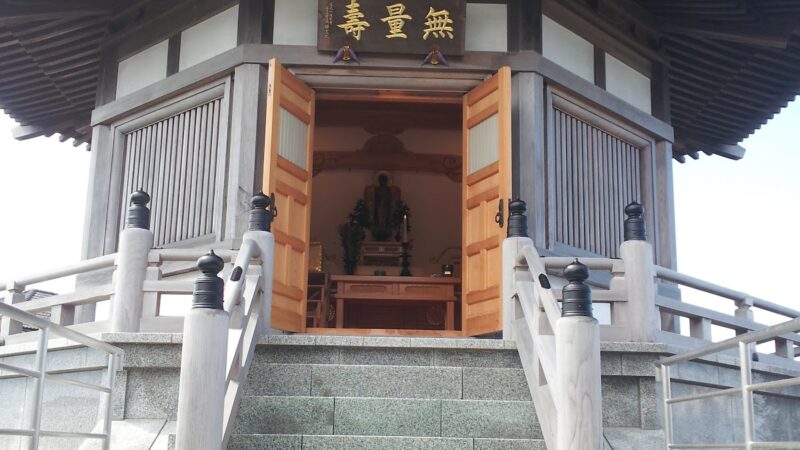
The Kannon Hall of Shifuku-ji Temple enshrines a statue of the Holy Kannon, said to have been created by Jikaku Daishi. This Kannon Hall is designated as the third temple of the Sendai Thirty-Three Kannon Pilgrimage, making it an important sacred site visited by pilgrims.
The Kannon Hall is built separately from the main hall, providing a quiet space for prayer. Faith in the Holy Kannon is deeply rooted in the local community, and people constantly visit with various wishes.
The Master-Disciple Relationship Between Toraya Sōetsu and Date Masamune
An essential aspect of discussing Shifuku-ji Temple is the master-disciple relationship between Toraya Sōetsu and Date Masamune. Toraya Sōetsu was a high-ranking priest of the Rinzai school of Zen Buddhism, and Masamune’s teacher from his childhood to his youth, where he studied Zen and scholarship.
Masamune received a rigorous education from Toraya Sōetsu, acquiring not only the qualities of a military commander but also the qualities of a cultured individual. The influence of Toraya Sōetsu is clearly visible in Masamune’s letters and poems, revealing the depth of their bond. Shifuku-ji Temple is a precious place that preserves this historical master-disciple relationship.
Shifuku-ji Temple, known as the “Hydrangea Temple”
Temple Grounds Adorned with 1200 Hydrangea Plants
Shifuku-ji Temple is widely known as the “Hydrangea Temple,” “Hydrangea Temple,” and “Flower Temple.” Approximately 1200 hydrangea plants are planted on the temple grounds, and in early summer, a riot of colorful blossoms blooms.
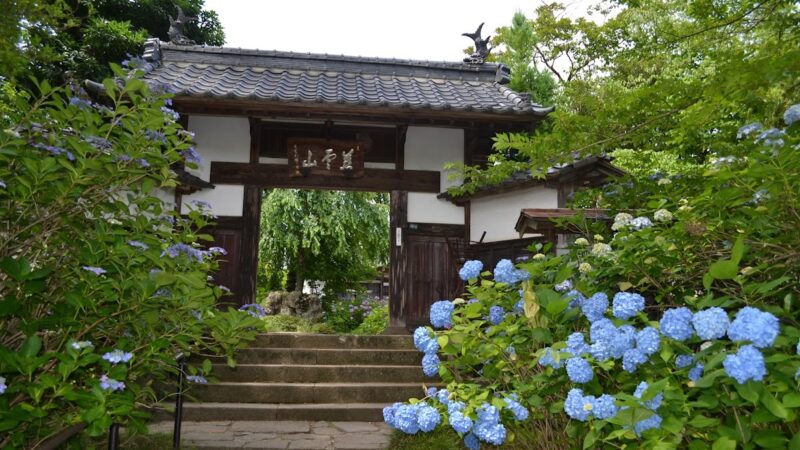
Hydrangeas are placed on both sides of the path leading to the temple gate, around the main hall, and throughout the grounds, beautifully welcoming visitors. The scenery created by hydrangeas of various colors—blue, purple, pink, white, and more—is breathtaking and a quintessential sight of the rainy season.
Best Time to See and Enjoy Hydrangeas
The best time to see hydrangeas is usually from late June to mid-July. During this time of year, the temple grounds become bustling with visitors, including not only locals but also many tourists from within and outside the prefecture.
During the peak blooming season, a matcha tea ceremony is sometimes held in the small study hall, allowing visitors to enjoy a cup of tea while admiring the hydrangeas. The quiet grounds, savoring the vibrant hydrangeas and the aroma of matcha, offer a truly blissful experience.
The path from the approach to the main hall offers various angles from which to admire the hydrangeas. Especially on mornings after rain, the hydrangeas, clad in raindrops, shine even more beautifully, making it ideal for photography.
The Beauty of Nature in Every Season
Besides hydrangea season, Shifuku-ji Temple offers a place to enjoy the beauty of nature in every season. In spring, cherry blossoms and fresh greenery adorn the grounds; in autumn, colorful leaves adorn the grounds; and in winter, silence descends upon the snowy landscape.
Especially during the autumn foliage season, the trees on the grounds turn red and yellow, allowing visitors to enjoy leaf-peeping in the tranquil atmosphere unique to a Zen temple. Shifuku-ji Temple, which displays different expressions with each season, is a fascinating temple where you can discover something new no matter how many times you visit.
Guide to Shifuku-ji Temple Grounds
Main Gate and Approach
Upon arriving at Shifuku-ji Temple, the first thing that catches your eye is the charming main gate. Passing through the gate, a path lined with hydrangeas leads to the main hall. This path offers different scenery depending on the season, quietly welcoming visitors.
One of the charms of Shifuku-ji Temple is the opportunity to slowly calm your mind while walking along the path. Away from the hustle and bustle of the city, you can refresh your mind and body in a space surrounded by nature and history.
Main Hall and Kannon Hall
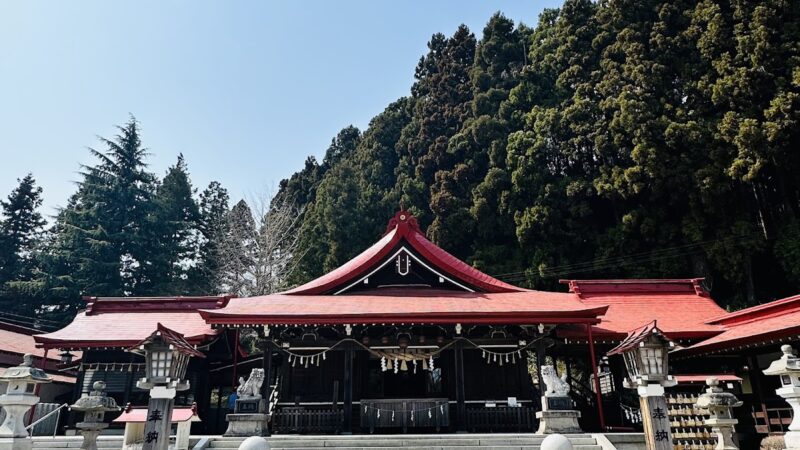
As you proceed along the approach, the majestic main hall comes into view. Daily services are held in the main hall, and worshippers can quietly offer their prayers. The architectural style of the main hall exhibits characteristics of Rinzai Zen temples, giving it a historical feel.
The Kannon Hall is built separately from the main hall and enshrines a statue of Kannon said to have been created by Jikaku Daishi. As the third stop on the Sendai Thirty-Three Kannon Pilgrimage, it is a popular destination for many pilgrims.
Highlights of the Temple Grounds
Besides the main hall and Kannon Hall, there are many other points of interest within the temple grounds. From old stone monuments and lanterns to meticulously maintained gardens, history and tradition can be felt in every detail.
In particular, the historical sites and explanatory plaques related to Toraya Soetsu are valuable resources for understanding his connection to Date Masamune. Taking a leisurely stroll through the grounds and reflecting on the history of Shifuku-ji Temple is highly recommended.
Basic Information and Access
Location and Contact Information
Name: Jiunzan Shifuku Zenji Temple (Shifuku-ji Temple)
Address: 1-13-1 Kitayama, Aoba-ku, Sendai City, Miyagi Prefecture
Sect: Rinzai Zen Myoshinji School
Pilgrimage Site: Third of the 33 Kannon Pilgrimage Sites in Sendai
Visiting Hours: Sunrise to Sunset
Holidays: Open every day
Admission Fee: Free
Parking: Available (approx. 50 spaces)
Access by Train
Shifuku-ji Temple can be accessed by public transportation. The nearest station is Kita-Sendai Station on the Sendai City Subway Namboku Line.
- Approximately 15-20 minutes on foot from Kita-Sendai Station
Exit the station and head northwest towards the Kitayama area. There are signs along the way, making it a relatively easy route to follow.
Since there are other temples of the Kitayama Five Mountains around Kita-Sendai Station, if you have time, we recommend visiting multiple temples on a “Kitayama Five Mountains Pilgrimage.”
Access by Car and Parking
If you are visiting by car, it takes about 15 minutes from the center of Sendai city. It is about 20 minutes from the Sendai-Miyagi Interchange on the Tohoku Expressway.
There is a parking lot on the temple grounds with space for about 50 cars, which is free of charge. However, since it is expected to be crowded on weekends from late June to mid-July when the hydrangeas are in full bloom, we recommend visiting earlier in the day or using public transportation.
Access by Bus
If you are taking a bus from Sendai Station, take a Sendai City Bus or Miyagi Kotsu Bus bound for Kitayama, get off at the “Kitayama” bus stop, and it is about a 5-minute walk. There are relatively many buses, making it easily accessible.
Tourist Spots Around Shifuku-ji Temple
Kitayama Five Mountains Pilgrimage
After visiting Shifuku-ji Temple, be sure to visit the other temples of the Kitayama Five Mountains as well. Rinnoji Temple, Komyoji Temple, Toshoji Temple, and Kakuganji Temple are all within walking distance and each has its own unique characteristics.
Rinnoji Temple is known as the family temple of the Date clan, and its magnificent three-story pagoda is a highlight. Komyoji Temple is famous for housing the tomb of Hasekura Tsunenaga, making it a must-see spot for history buffs.
Access to Sendai City Center
From Shifukuji Temple, it takes about 15 minutes by car to Sendai city center, or about 30 minutes by public transport. It’s also recommended to incorporate it into a historical walking course visiting historical sites associated with Date Masamune, such as Sendai Castle Ruins (Aoba Castle Ruins), Zuihoden Mausoleum, and Sendai Toshogu Shrine.
Nearby Gourmet Spots
After enjoying the hydrangeas, it’s a good idea to take a break at one of the nearby cafes or sweets shops. The Kitayama area and around Kita-Sendai Station have many popular local cafes, bakeries, and Japanese confectionery shops.
Especially during the early summer hydrangea season, many shops offer seasonal sweets, further enhancing the enjoyment of your stroll. ## Points to Note and Manners When Visiting Shifuku-ji Temple
Manners for Visiting
Shifuku-ji Temple is an active temple where daily training takes place. Please observe the following manners when visiting:
- Visit quietly and refrain from loud conversations.
- Take photographs only in areas where photography is permitted.
- Do not enter the main hall or restricted areas.
- Always take your trash with you.
- Do not damage or pick plants on the temple grounds.
Clothing and Belongings
Since some parts of the temple grounds are unpaved, we recommend wearing comfortable shoes. Especially during hydrangea season, there are many rainy days, so it’s a good idea to bring rain gear or an umbrella.
In summer, the sun can be strong, so don’t forget a hat, parasol, and drinks. Insect repellent spray will also make your stroll more comfortable.
Crowded Periods and Timing of Visits
Weekends from late June to mid-July, when the hydrangeas are in full bloom, are expected to be crowded. If you want to enjoy the hydrangeas at a leisurely pace, visiting on a weekday morning or evening is recommended.
Early mornings are less crowded, and you may be able to enjoy the hydrangeas all to yourself in the quiet temple grounds. Also, after rain, the hydrangeas covered in raindrops are beautiful, making it an ideal time for photography.
Annual Events and Special Viewings at Shifuku-ji Temple
Main Annual Events
Shifuku-ji Temple holds various events throughout the year. The main events include the following:
- New Year’s Day: First Shrine Visit of the Year
- Spring and Autumn: Higan Memorial Service
- Late June to Mid-July: Hydrangea Viewing Period (Period of Matcha Tea Ceremony)
- August: Obon Festival
Visiting during these events will allow you to see a different side of Shifuku-ji Temple.
Zen Meditation and Sutra Copying Sessions
Shifuku-ji Temple, a Rinzai Zen temple, sometimes holds Zen meditation sessions and sutra copying sessions. For details, please contact the temple directly or check official information.
Zen meditation is a valuable opportunity to escape the hustle and bustle of everyday life and calm your mind. Programs suitable for beginners are sometimes available, so those interested should definitely try it.
Historical Value and Cultural Significance of Shifuku-ji Temple
Role in the Character Development of Date Masamune
The most important historical value of Shifuku-ji Temple lies in its deep involvement in the education of Date Masamune. The strict Zen teachings of Toraya Sōetsu had a significant impact on Masamune’s character development.
Masamune studied under Toraya Sōetsu from a young age, acquiring not only the mindset of a warrior but also the culture and education of a man of culture. This education formed the foundation for the later cultural policies of the Sendai Domain and Masamune’s multifaceted talents.
Shifuku-ji Temple as a Center of Learning
From the Kamakura period to the Muromachi period, Shifuku-ji Temple flourished as a center of learning. It was sometimes counted as one of the Ten Great Temples of the Kanto region, and many monks came to study there. This academic tradition continued even after the temple relocated to Sendai, and it became known as a temple that particularly emphasized scholarship among the Kitayama Five Mountains. The monks who studied at Shifuku-ji Temple were active in various regions, contributing to the spread of Zen Buddhist culture.
Positioning as a Cultural Heritage Site in Sendai
Currently, Shifuku-ji Temple is positioned as one of Sendai City’s important cultural heritage sites. As a temple associated with the Date family and one of the Kitayama Five Mountains, it is a valuable presence that conveys the history and culture of Sendai.
For the local people, Shifuku-ji Temple is both a place of faith and a place of relaxation where they can feel the changing seasons. Combining the approachability of a “hydrangea temple” with the dignity of a historical Zen temple, Shifuku-ji Temple will continue to be loved by many people as a representative landmark of Sendai.
Summary: Experience the Charm of Shifuku-ji Temple
Located in Aoba-ku, Sendai City, Miyagi Prefecture, Shifuku-ji Temple is an ancient temple of the Rinzai sect, Myoshin-ji school, with a history of over 700 years. As a temple where Toraya Sōetsu, the teacher of Date Masamune, served as head priest, Shifuku-ji Temple is deeply intertwined with the history of the Sendai Domain.
In early summer, approximately 1200 hydrangea bushes bloom, making it a beloved “Hydrangea Temple.” Combining the beauty of nature throughout the seasons with historical value, Shifuku-ji Temple is a must-visit spot when visiting Sendai.
As one of the five temples of Kitayama and the third temple on the Sendai Thirty-Three Kannon Pilgrimage, Shifuku-ji Temple continues to be a center of faith and culture. Why not spend a peaceful moment in its tranquil grounds, reflecting on history?