Complete Guide to Kaizenji Temple (Ishikawa Prefecture): History, Highlights, and Access Information
Ishikawa Prefecture is known for its many historical temples, and among them, Kaizenji Temple is one of the important temples that conveys the region’s history and culture to the present day. This article provides a comprehensive explanation of Kaizenji Temple, from its historical background and architectural features to its cultural assets and practical information useful for visitors.
About Kaizenji Temple
Kaizenji Temple is a Buddhist temple located in Ishikawa Prefecture, with a long history as a center of local faith. As a temple based on the teachings of Zen Buddhism, it has been a place where spiritual practice and worship have taken place in a tranquil atmosphere.
The temple’s name, “Kaizen,” means “opening the path of Zen,” indicating its important role in the spread and development of Zen Buddhism in this region.
Kaizenji Temple’s Sect and Principal Image
Kaizenji Temple is operated as a Zen Buddhist temple, maintaining a tradition that emphasizes zazen (seated meditation) and Zen practice. The principal image is a Buddhist statue that reflects the forms of faith and regional characteristics of each era. A characteristic of Zen Buddhist temples is the emphasis on creating a simple and dignified space rather than ostentatious decoration, providing an environment that brings inner peace to visitors.
History of Kaizenji Temple
Origin of Founding
The founding of Kaizenji Temple is recounted through local historical documents and temple traditions. Like many temples in Ishikawa Prefecture, it supported the faith of the local people through the turbulent times from the medieval to the early modern period.
It is believed that the temple was initially a small structure, but over time, the temple complex was developed and expanded to its current form. It has a history of expanding its functions as a temple with the support of influential local figures and parishioners.
Historical Changes
During the Edo period, it held a certain position within the religious policies of the Kaga Domain and functioned as part of the local temple network. Despite being affected by the anti-Buddhist movement after the Meiji Restoration, it survived thanks to the support of the local community and continues to exist today.
After the war, the temple established itself as a religious corporation and has continued its maintenance and religious activities in cooperation with local parishioners and believers.
Architecture and Grounds of Kaizenji Temple
Features of the Main Hall
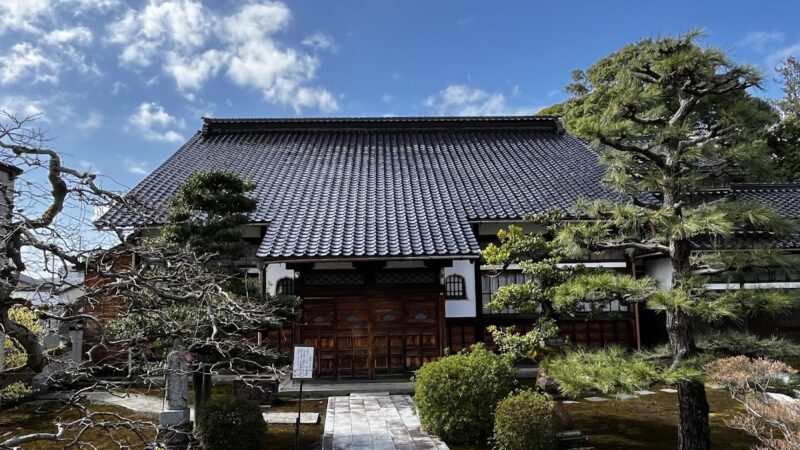
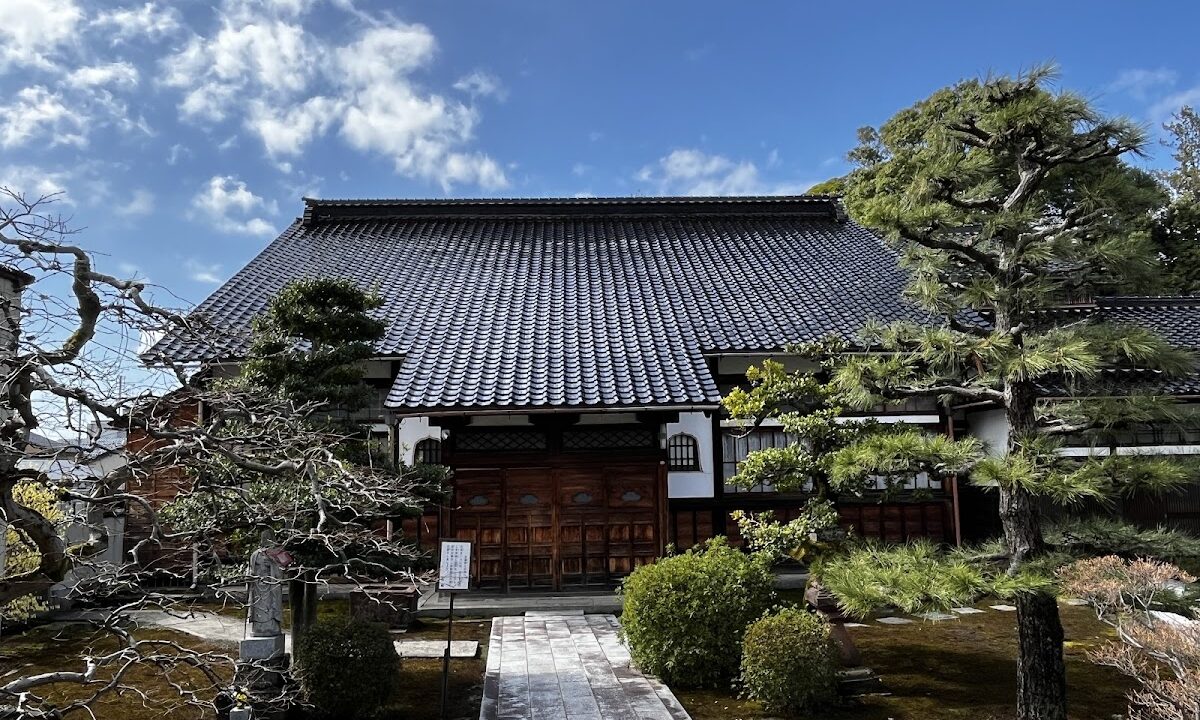
The main hall of Kaizenji Temple has a structure that embodies the characteristics of Zen Buddhist architecture. Traditional wooden construction methods are used, resulting in a simple yet powerful presence.
The interior space is designed for Zen meditation and religious ceremonies, combining a bright and open atmosphere with natural light, while simultaneously providing a tranquil space conducive to focused practice.
Highlights of the Temple Grounds
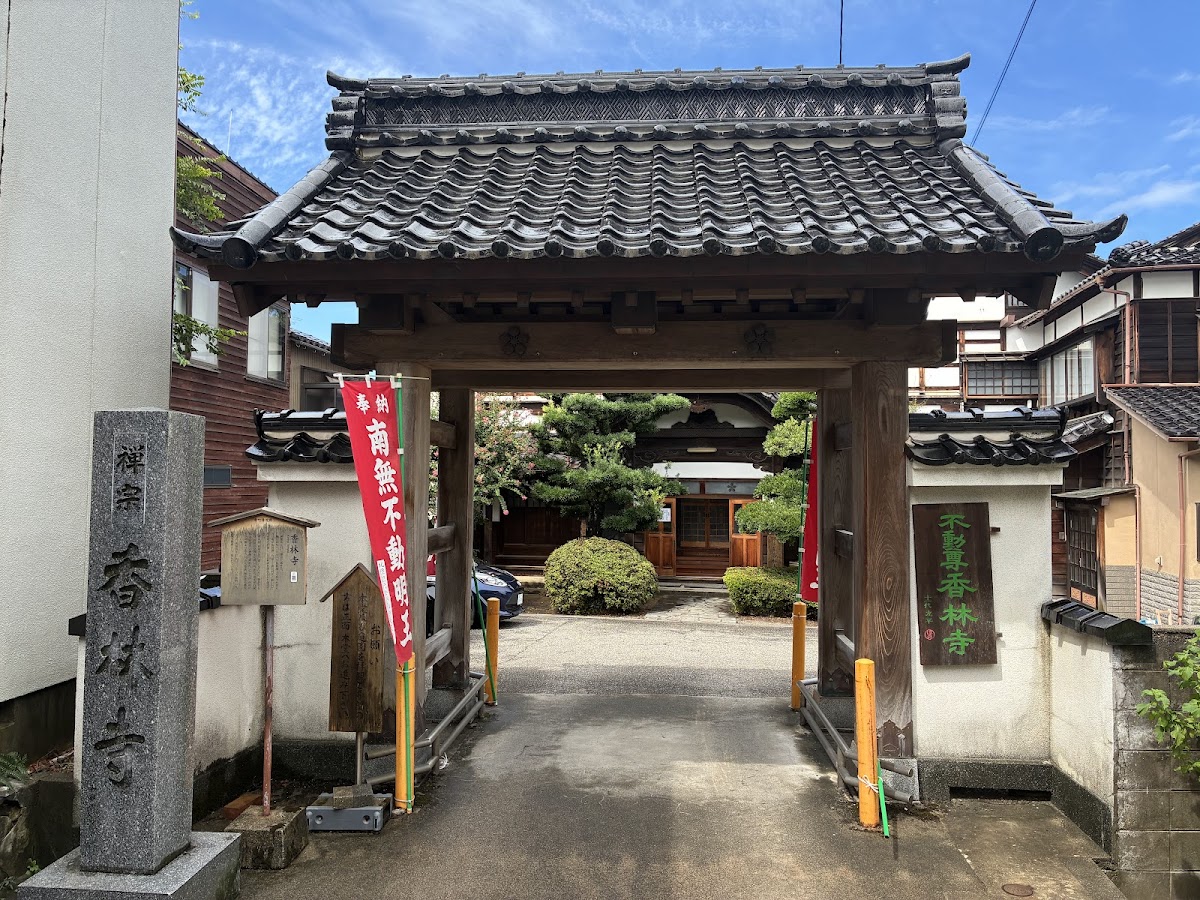
In addition to the main hall, the temple grounds include the main gate, bell tower, and living quarters. Each building harmonizes, forming the overall landscape of the temple.
The garden is also an important element of the temple, featuring a dry landscape garden expressing the spirit of Zen, and plantings that allow visitors to enjoy the changing seasons. Many visitors come, especially during the cherry blossom season in spring and the autumn foliage season.
Cultural Properties and Treasures
Kaizenji Temple houses cultural properties and treasures that have been preserved and passed down through a long history. These include Buddhist statues, Buddhist paintings, scriptures, and calligraphic works, all of which possess value as religious art.
These cultural properties are valuable resources for understanding the history of Buddhist culture in Ishikawa Prefecture, and some are occasionally displayed to the public on special occasions.
Annual Events at Kaizenji Temple
Major Buddhist Services and Events
Kaizenji Temple holds various Buddhist events throughout the year. Starting with the New Year’s Day Shushō-e (New Year’s service), traditional Buddhist ceremonies such as the Spring Equinox service, the Obon (Buddhist festival) Segaki (feeding of hungry ghosts) service, and the Autumn Equinox service are held.
These events are important religious and social events for parishioners and local residents, and also serve as a place for intergenerational exchange.
Zen Meditation Sessions and Training Experiences
Taking advantage of its characteristics as a Zen Buddhist temple, regular Zen meditation sessions may be held. Activities are offered at various levels, from beginner-friendly Zen meditation experiences to programs for dedicated practitioners.
Zen meditation is a popular way for many people to calm their minds and deepen their awareness in daily life.
Access Information
Location
Kaizenji Temple is located in Ishikawa Prefecture and can be accessed using local transportation networks. For the specific address, it is recommended to check the temple’s official website or local tourist information beforehand.
Access by Public Transportation
It is common to take a bus or taxi from the nearest station. Checking access routes from major cities in Ishikawa Prefecture in advance will ensure a smooth visit.
Public transportation timetables may vary depending on the season and day of the week, so it is important to check the latest information before visiting.
Access by Car
If traveling by car, access from major expressways such as the Hokuriku Expressway is convenient. You can receive route guidance by entering the temple name or address into your car navigation system.
It is recommended to check the availability and capacity of parking in advance. Especially during events, crowds are expected, so early arrival is recommended.
Visiting Information
Visiting Hours and Admission Fees
Kaizenji Temple’s visiting hours are generally set during daytime hours, but specific times vary depending on the temple. Visiting hours may also change during religious services and events.
Regarding admission fees, there may be both free and paid admissions, and separate fees may be set for special viewings or the public display of cultural properties.
Visiting Etiquette
When visiting a temple, it is important to observe basic visiting etiquette. Bow when passing through the temple gate, walk quietly within the grounds, and be considerate of other visitors.
When praying in the main hall, offer a donation, clasp your hands together, and pray with sincerity. Photography is prohibited in some areas, so it is advisable to check in advance or obtain permission from temple staff.
Tourist Attractions Around Kaizenji Temple
Temples and Shrines in Ishikawa Prefecture
When visiting Kaizenji Temple, exploring other temples and shrines in the surrounding area will allow you to gain a deeper understanding of Ishikawa Prefecture’s rich religious culture.
Ishikawa Prefecture boasts numerous historically important temples, such as Myojoji Temple, Sojiji Temple, and Natadera Temple, each possessing its own unique characteristics and charm.
Local Tourist Attractions
In addition to visiting temples, you can enjoy Ishikawa Prefecture’s nature and culture. There are abundant diverse tourist resources, including popular attractions in Kanazawa City such as Kenrokuen Garden, Kanazawa Castle, and Higashi Chaya District, as well as the natural landscapes of the Noto Peninsula and the Kaga Onsenkyo hot spring resort.
The local food culture is also a major attraction, allowing you to savor Ishikawa Prefecture’s unique cuisine, including fresh seafood, Kaga vegetables, and traditional Japanese sweets.
The Charm and Characteristics of Kaizenji Temple
A Place of Serene Training
The greatest charm of Kaizenji Temple lies in its tranquil environment, far removed from the hustle and bustle of the city. While preserving its tradition as a Zen training monastery, it also functions as a place of peace and tranquility for modern people.
Stepping onto the temple grounds, time seems to slow down, allowing you to forget the hustle and bustle of everyday life and have time to reflect on yourself.
Connections with the Local Community
Kaizenji Temple is not merely a tourist spot; it plays a vital role as a spiritual pillar of the local community. It also fulfills social functions, such as connecting with local residents through the danka (parishioner) system and facilitating intergenerational exchange through annual events.
It also plays an educational role in passing on local history and culture to future generations, and is used as a place for the emotional development of children.
Points to Note When Visiting Kaizenji Temple
Clothing and Belongings
When visiting a temple, avoid revealing clothing and opt for modest attire. If participating in a Zen meditation session, comfortable, loose-fitting clothing is appropriate.
In summer, the sun is strong, so it is recommended to bring a hat, parasol, and drinking water. In winter, be sure to dress warmly. ### Photography and Social Media Posting
In recent years, sharing information on social media has become commonplace, but consideration is necessary when taking photos within temple grounds. Photography of the main hall and cultural properties may be prohibited, so always check in advance.
Even if photography is permitted, care must be taken to respect the privacy of other visitors and avoid disrupting the serene atmosphere.
Kaizenji Temple’s Initiatives for the Future
Preservation and Transmission of Cultural Properties
Kaizenji Temple is undertaking initiatives to pass on its valuable cultural properties and traditions to future generations. A wide range of activities are being carried out, including the maintenance and management of buildings, the proper preservation of cultural properties, and the continuation of traditional events.
These activities require the cooperation of experts and the support of local residents, and preservation efforts are being advanced through a public-private partnership.
Role in Modern Society
In modern society, temples are expected to play a new role in addition to their traditional role as religious facilities, serving as centers for spiritual healing and community building.
Role in Modern Society Kaizenji Temple, while preserving its traditions, is also exploring activities that meet modern needs. It may be working towards creating an open temple by offering Zen meditation programs, holding cultural lectures, and participating in local events.
Summary
Kaizenji Temple, as a temple embodying Ishikawa Prefecture’s rich religious culture, has maintained a long history and tradition. It serves as a place of training based on Zen teachings, and at the same time, it is a beloved spiritual pillar for the local community.
The tranquil grounds, historic architecture, the changing seasons, and the warm connections with the local community bring deep emotion and peace of mind to visitors.
When visiting Ishikawa Prefecture, we highly recommend visiting Kaizenji Temple to experience its history, culture, and the spirit of Zen. You can escape the hustle and bustle of modern society and spend valuable time reflecting on yourself.
Before visiting, we recommend checking the latest visiting information and access methods, and visiting in appropriate attire and with proper etiquette. I hope your experience at Kaizenji Temple will leave a deep impression on your heart and enrich your life.