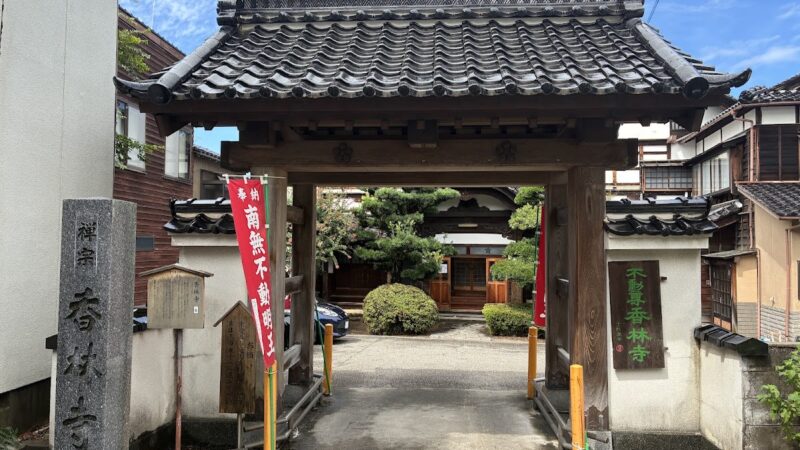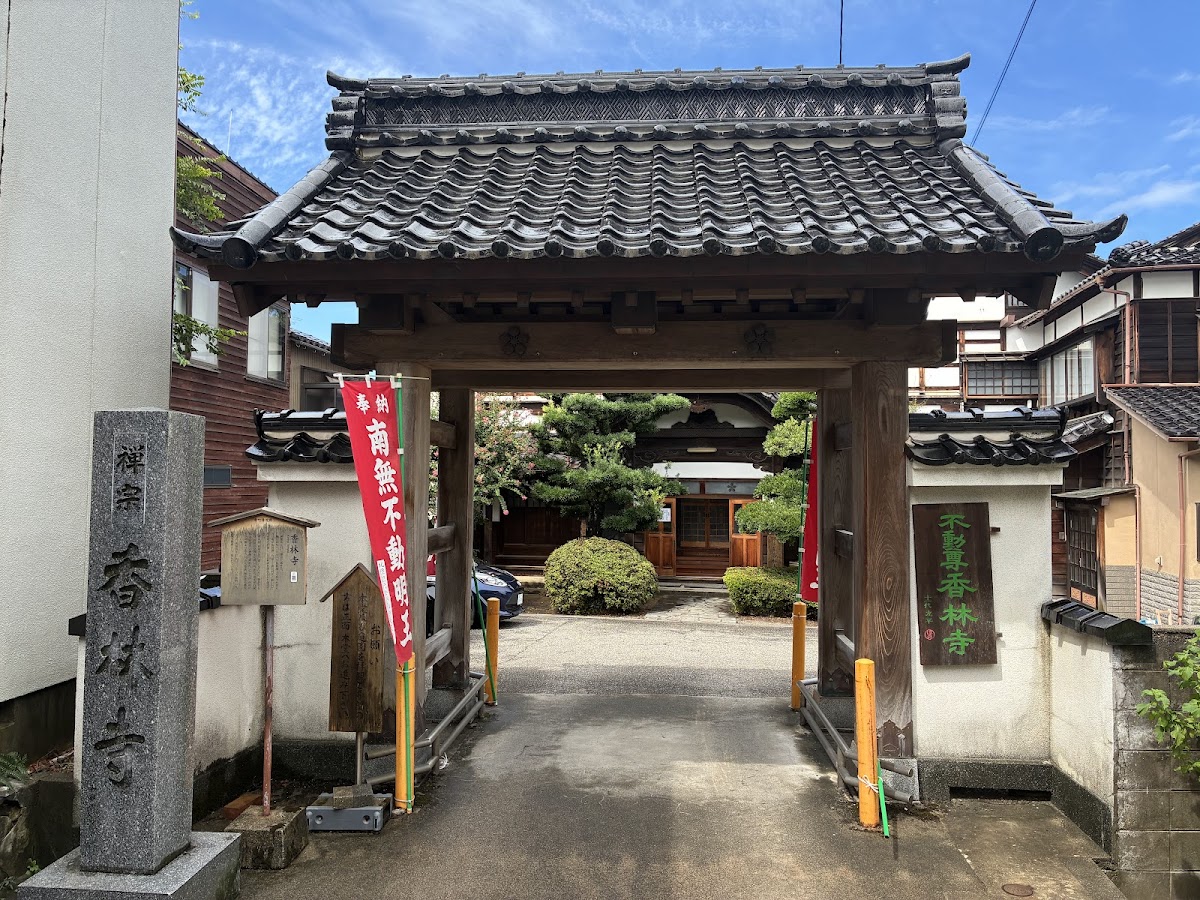
Complete Guide to Korinji Temple | History, Highlights, and Visiting Information for Kanazawa’s Wishing Temple
Korinji Temple, located in Kanazawa City, Ishikawa Prefecture, is a Zen Buddhist temple beloved by locals and tourists alike as a wishing temple. Founded in 1651 by Aoki Gohei, a senior retainer of the Kaga Domain, this temple boasts a history of over 370 years and is known for its various blessings, including good fortune, healing from illness, safe childbirth, and fertility. This article provides a detailed introduction to Korinji Temple, from its history and highlights to visiting information.
History and Origin of Korinji Temple
Circumstances of its Founding
Korinji Temple was founded in 1651 by Aoki Gohei, a senior retainer of the Kaga Domain, at the request of Maeda Toshitsune, the third lord of the Kaga Domain, with Abbot Chogan as its founding priest. To express his deep respect for Lord Maeda Toshitsune, Aoki Gohei constructed the Mikage-do (Image Hall) and enshrined Lord Toshitsune’s memorial tablet. Due to this historical background, Korinji Temple holds an important position in Kanazawa’s history as a temple deeply connected to the Kaga Domain.
Relationship with the Aoki Family
Aoki Gohei, the founder, was a senior retainer of the Kaga Domain and established Korinji Temple as the Aoki family’s ancestral temple. The temple has a history passed down through generations as a family tradition, and this legacy can still be felt today. The unique atmosphere, a fusion of the Kaga Domain’s samurai culture and the spirit of Zen Buddhism, is a characteristic feature of this temple.
Development as a “Wish-Granting Temple”
From the Edo period to the present day, Korinji Temple has attracted many worshippers as a “wish-granting temple.” In particular, it continues to attract the faith of local people due to the various Buddhist deities enshrined there, such as the Fudo Myoo (Acala) for good fortune and fertility, and the Kannon (Goddess of Mercy) for safe childbirth and fertility.
Highlights of Korinji Temple
Principal Image: Shakyamuni Buddha
The principal image enshrined in the hall is Shakyamuni Buddha. As a Zen Buddhist temple, worship is centered around Shakyamuni Buddha, and visitors can worship in a tranquil atmosphere. The solemn atmosphere of the main hall provides deep peace to visitors.
Fudo Myoo, the Goddess of Good Fortune and Medicine
The Fudo Myoo, the Goddess of Good Fortune and Medicine, is particularly popular at Korinji Temple. It is believed to bring healing from illness and good fortune, and many worshippers visit to make wishes. The powerful figure of Fudo Myoo is said to give courage to face difficulties. This is a particularly recommended spot for those wishing for good health or those facing a turning point in their lives.
Kannon, the Goddess of Safe Childbirth and Fertility
A Kannon, the Goddess of Mercy, is also enshrined here, granting wishes for safe childbirth, fertility, and other matters related to children. It is revered as a benevolent presence that accepts various wishes related to children, such as those of those hoping to conceive, those praying for a safe delivery, and parents praying for the healthy growth of their children.
Beautiful Japanese Garden
The charm of Korinji Temple is not limited to its buildings. The temple grounds boast a beautifully maintained Japanese garden where you can enjoy the scenery of each season. The cherry blossoms in spring, the fresh greenery in early summer, the autumn leaves, and the snowscape in winter are particularly magnificent, showing different expressions depending on the season you visit.
Famous Spot for Spider Lilies
During the autumn equinox, spider lilies bloom profusely on the temple grounds. The sight of the red flowers blooming all at once is breathtaking and it is a popular spot for photography. The best time to see the spider lilies is from mid to late September, and many worshippers and tourists visit during this period.
Exhibition of Works by Kimura Uzan and Noh Masks
Inside the temple, works by Kimura Uzan, a Living National Treasure, and valuable Noh masks are on display. The works of Kimura Uzan, a renowned master of Kaga Yuzen dyeing, offer a precious opportunity to experience the splendor of Kanazawa’s traditional crafts. The Noh mask collection is also impressive, allowing visitors to appreciate the profound depth of traditional Japanese performing arts.
Benefits of Korinji Temple
Korinji Temple offers various blessings:
- Good Fortune and Prosperity: Increased luck through the blessings of the Fudo Myoo (Acala)
- Healing from Illness: Prayers for recovery from illness and recovery from disease
- Safe Childbirth: Safe childbirth for pregnant women
- Childbearing: Prayers for being blessed with children
- Child Growth: Healthy growth and academic success for children
- Fulfillment of Wishes: Fulfillment of various wishes
Especially known as a “wish-granting temple,” many visitors believe that if they pray with sincere hearts, their wishes will surely come true.
Information for Visitors
Visiting Hours and Admission Fees
Visiting Hours
- Regular: 9:00 AM – 4:30 PM (Last entry 4:00 PM)
- Hours may vary depending on the season and events; please check in advance.
Admission Fees
- Adults: 500 yen
- Groups (20 or more): Discounts available
- Children: Please inquire directly regarding fees.
Location and Phone Number
Location
1-3-16 Nagamachi, Kanazawa City, Ishikawa Prefecture 920-0865
Phone Number
076-263-0406
Please call during visiting hours. For special prayers or group visits, please contact us in advance.
Access and Transportation Information
Access by Public Transportation
By Bus
- Take the Hokuriku Railway bus from JR Kanazawa Station
- Get off at the “Korinbo” or “Hirokoji” bus stop, then walk for about 5 minutes
- Buses bound for “Kanazawa West” are also available
It’s about a 10-15 minute ride from Kanazawa Station and is conveniently located near major Kanazawa tourist attractions such as the Nagamachi Samurai District and Korinbo, making it easy to incorporate into your sightseeing route.
Access by Car and Parking
Access by Car
- About 15 minutes from the Hokuriku Expressway “Kanazawa West IC”
- Easily accessible from downtown Kanazawa
Parking
- Parking space available on the temple grounds (limited number of spaces)
- If the parking lot is full, we recommend using nearby coin-operated parking lots
- Even if your visit is short, plan accordingly, considering the parking lot’s congestion.
Nearby Tourist Attractions
Korinji Temple is located in the heart of Kanazawa, and there are many attractive tourist spots in the surrounding area. ### Nagamachi Samurai District
Located within walking distance, the Nagamachi Samurai District is a historical area where samurai residences from the Kaga Domain era are preserved. The charming streetscape with its continuous earthen walls creates an atmosphere that feels like stepping back in time to the Edo period.
Korinbo/Katamachi Area
Korinbo and Katamachi, Kanazawa’s largest shopping and entertainment districts, are also within walking distance. You can enjoy shopping and dining, as well as experience the unique Kanazawa scenery where modern cityscapes and historical buildings coexist.
Kenrokuen Garden/Kanazawa Castle Park
Kenrokuen Garden, one of Japan’s three most famous gardens, and Kanazawa Castle Park are also relatively close and can be visited in conjunction with a visit to Korinji Temple. It’s possible to visit these spots in a single day as part of a classic Kanazawa sightseeing itinerary.
Manners and Points for Visiting a Temple
Basic Manners for Visiting a Temple
- Bow at the Temple Gate: Bow before entering the temple grounds.
- Be Quiet: Be quiet within the temple grounds and be considerate of other visitors.
- Photography: Photography inside the hall may require permission. Check in advance.
- Attire: There are no particularly strict regulations, but try to wear appropriate attire for visiting a temple.
Points for Making a Wish
At Korinji Temple, known as a temple for making wishes, it is good to keep the following points in mind:
- Sincere Attitude: Express your wish with sincerity, not just formality.
- Specific Wish: It is said that specific wishes are better than vague ones.
- Gratitude: Express gratitude not only for your wish but also for your daily life.
- Regular Visits: It is said that visiting regularly, not just once, makes your wish more likely to come true.
About Goshuin (Temple Seals)
Goshuin (temple seals) can be obtained at Korinji Temple. The goshuin (temple stamp) written directly by the head priest is meticulously handwritten and is very popular as a memento of your visit. If you bring your goshuincho (stamp book), you can have it written on the spot, but during busy times, pre-written goshuin are also available.
For those collecting goshuin, the goshuin from Korinji Temple will be a precious memory of your Kanazawa sightseeing. The offering fee is a typical amount (around 300-500 yen), but please check the details at the temple.
Annual Events and Festivals
Korinji Temple holds various events throughout the year.
Main Annual Events
- Hatsumode (January 1st-3rd): Many worshippers visit to make wishes for the new year.
- Spring Equinox Ceremony (March): A memorial service for ancestors.
- Flower Festival (April): An event celebrating the birth of Buddha.
- Autumn Equinox Ceremony (September): A memorial service held during the time when spider lilies are in full bloom.
- New Year’s Eve Bell Ringing (December 31st): A traditional end-of-year event.
The Autumn Equinox Ceremony, especially when spider lilies are in bloom, is a popular season attracting many tourists.
Tips for Enjoying Korinji Temple to the Fullest
Recommended Time to Visit
Spring (March-May)
The cherry blossoms and fresh greenery are beautiful, and the garden is at its most vibrant. The cherry blossom season in early April is especially not to be missed.
Autumn (September-November)
The season to enjoy spider lilies and autumn leaves. The peak blooming season for spider lilies, especially from mid- to late September, is a must-see.
Winter (December to February)
The snow-covered temple grounds exude a serene and solemn atmosphere. You can also witness the charming sight of Jizo statues peeking out from the snow.
Estimated Time Required
- Standard Visit: 30 minutes to 1 hour
- In-depth Viewing: 1 hour to 1 hour 30 minutes
- Photography Focus: 1 hour 30 minutes to 2 hours
If you wish to leisurely enjoy strolling through the gardens, viewing the exhibits, and taking photographs, we recommend visiting with ample time.
Korinji Temple and Kanazawa’s Culture
Korinji Temple is not merely a tourist spot; it is an important place embodying the history and culture of Kanazawa. Its history, dating back to the Kaga Domain era, the spirit of Zen Buddhism, and the culture of making wishes passed down to the present day—all of these elements merge to deeply impress visitors.
The exhibition of works by Living National Treasure Kimura Uzan conveys the splendor of Kaga Yuzen, a traditional craft representative of Kanazawa. The Noh mask collection also offers a valuable opportunity to learn about a part of Kanazawa’s Noh culture, specifically Kaga Hosho.
Visitor Voices
Many visitors have visited Korinji Temple and experienced its charm firsthand. There are many reports of wishes being granted, and we hear stories of people who visited to pray for success in exams and actually passed. Many have also expressed their admiration for the beauty of the gardens and the magnificence of the exhibits.
Particularly striking are the comments such as, “I was able to calm my mind in a quiet and peaceful atmosphere.” Korinji Temple is loved by many as a place where they can escape the hustle and bustle of modern life and have time to quiet their minds and reflect on themselves.
Summary
Korinji Temple is a historic Zen Buddhist temple established in 1651 by Aoki Gohei, a senior retainer of the Kaga Domain. Known as a temple for granting wishes, it offers various blessings, including the Fudo Myoo (Acala) for good fortune and the Kannon (Goddess of Mercy) for safe childbirth and fertility. It also boasts a beautiful Japanese garden, autumn spider lilies, and exhibits of works by Kimura Uzan, among other attractions.
Located in the heart of Kanazawa City, near the Nagamachi Samurai District, it’s easily accessible by both public transport and car. The entrance fee is a reasonable 500 yen for adults, and the visit takes approximately 30 minutes to an hour.
When sightseeing in Kanazawa, be sure to visit Korinji Temple and experience its history, culture, and tranquil atmosphere. A sincere prayer will surely make for a memorable visit. The beautiful scenery of each season and the stories woven over 370 years of history warmly welcome visitors.