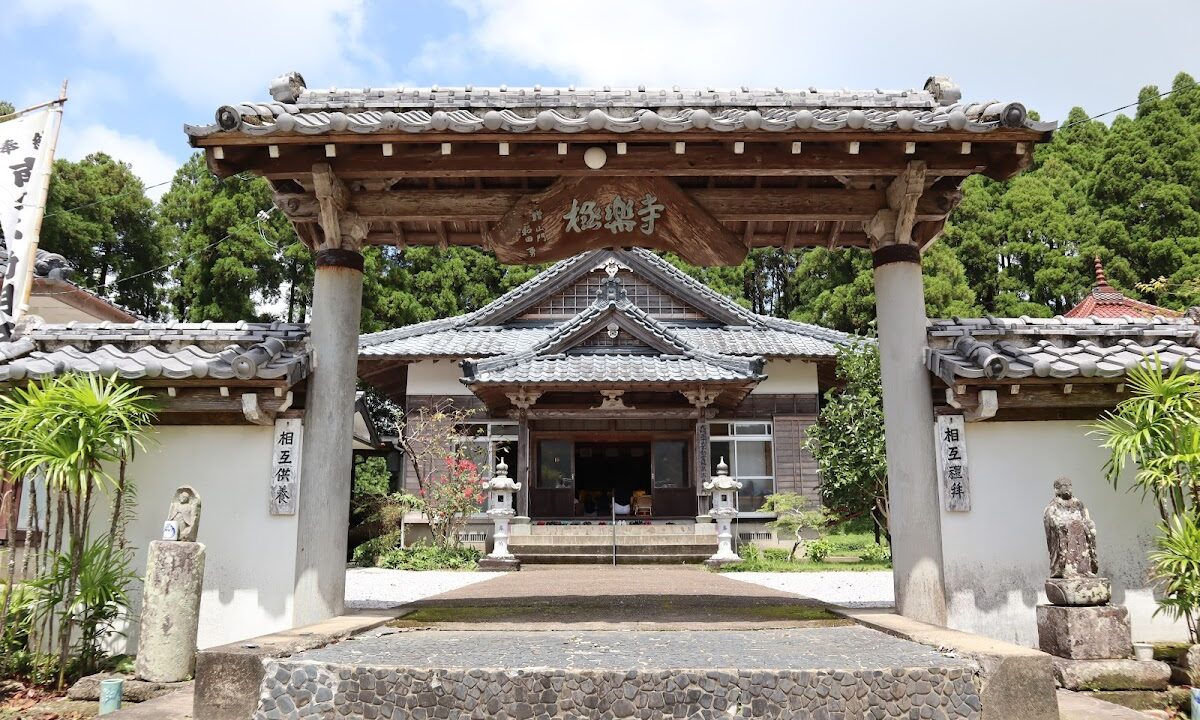
Complete Guide to Ota-san Gokuraku-ji Temple (Kushima City, Miyazaki Prefecture) | A Sacred Site of Fudo Myoo with 900 Years of History
Ota-san Gokuraku-ji Temple, located in the Kitagata district of Kushima City, Miyazaki Prefecture, is a historic temple dating back to the late Heian period. With Fudo Myoo, the deity of protection against misfortune, as its principal image, and as the 14th temple on the Kyushu Thirty-Six Fudo Pilgrimage, it attracts many worshippers from both the local community and outside the prefecture. This article provides a detailed introduction to Gokuraku-ji Temple, including its history, highlights, goshuin (temple stamp) information, and access methods.
About Ota-san Gokuraku-ji Temple
Ota-san Gokuraku-ji Temple is a temple belonging to the Koyasan Shingon sect, located at 5472 Kitagata, Kushima City, Miyazaki Prefecture. Boasting a history of approximately 900 years, it has been cherished as a spiritual center for the local people.
Basic Temple Information
- Official Name: Ootai-san Gokuraku-ji Temple
- Sect: Koyasan Shingon Buddhism
- Principal Image: Fudo Myoo (Acala)
- Pilgrimage Site: 14th Temple of the Kyushu Thirty-Six Fudo Pilgrimage
- Address: 5472 Kitagata, Kushima City, Miyazaki Prefecture 888-0005
- Phone/Fax: 0987-72-6568
- Email Address: koyasan.gokuraku@gmail.com
- Nearest Station: Hyuga-Kitagata Station
Alternative Names of Gokuraku-ji Temple
It is widely known locally as the “Temple of Fudo Myoo for Warding Off Evil,” and is revered as a temple with miraculous powers to remove misfortunes and calamities.
History of Gokuraku-ji Temple
Founded in the Late Heian Period
Gokuraku-ji Temple on Mount Otayama is said to have been founded in 1152 (Ninpei 2). The late Heian period was a time of transition from aristocratic society to samurai society, and Buddhist faith spread among the common people.
Throughout its long history of approximately 900 years since its founding, Gokuraku-ji Temple has overcome numerous difficulties and survived as a center of faith for the local people. Despite enduring various trials faced by Japanese Buddhist temples, such as the turmoil of the Sengoku period, the reorganization of temples and shrines during the Edo period, and the anti-Buddhist movement of the Meiji era, it has continued to uphold its religious traditions.
The Spread of Fudo Myoo Worship
Fudo Myoo, the principal deity of the temple, is considered an incarnation of Dainichi Nyorai and is believed to possess the power to crush worldly desires and subdue evil. At Gokuraku-ji Temple, Fudo Myoo has long been revered as “Fudo for warding off evil,” and people in their unlucky years or those facing turning points in their lives have visited the temple to pray.
The Spread of Fudo Myoo Worship The fact that it is designated as the 14th temple of the 36 Fudo pilgrimage sites in Kyushu indicates that it is a central figure in the worship of Fudo Myoo in this region.
Principal Image and Beliefs
About Fudo Myoo
Fudo Myoo, the principal image of Gokuraku-ji Temple, is the central figure of the Five Great Wisdom Kings in Shingon Esoteric Buddhism. Its Sanskrit name is “Acalanatha,” meaning “the immovable venerable one.”
Characteristics of Fudo Myoo:
- Sword in the right hand: A sword of wisdom that cuts away worldly desires
- Lasso in the left hand: A rope of compassion that saves sentient beings
- Flame halo: A flame of wisdom that burns away worldly desires
- Wrathful appearance: A manifestation of a strong will to subdue evil
Belief as a Fudo for Protection Against Evil
Fudo Myoo at Gokuraku-ji Temple is particularly known for its “protection against evil” benefits. People visit this temple not only for those in their unlucky years, but also for those who wish to be protected from various misfortunes in their daily lives.
During the exorcism prayer, a Goma ritual is performed according to the individual’s wishes, and they can receive the protection of Fudo Myoo.
Relationship with Dainichi Nyorai
Fudo Myoo is considered an incarnation of Dainichi Nyorai. Dainichi Nyorai is the fundamental Buddha of the universe in Shingon Esoteric Buddhism, and it is believed that his compassion and wisdom manifested in the form of Fudo Myoo. Fudo Myoo’s role is to guide sentient beings who cannot be saved by kindness alone, sometimes with a stern demeanor.
About the Kyushu Thirty-Six Fudo Pilgrimage
Overview of the Pilgrimage Sites
The Kyushu Thirty-Six Fudo Pilgrimage is a pilgrimage visiting temples throughout Kyushu that enshrine Fudo Myoo. Gokuraku-ji Temple holds an important position as the fourteenth temple on this pilgrimage route.
The pilgrimage is based on the belief that by visiting each temple, one can purify their mind and body and receive the protection of Fudo Myoo (Acala). In recent years, the number of people enjoying the pilgrimage while collecting temple stamps (Goshuin) has increased.
Role as the 14th Temple
Many pilgrims from outside the prefecture visit Gokuraku-ji Temple. The temple warmly welcomes visitors who stop by during their pilgrimage.
Highlights of Gokuraku-ji Temple
Main Hall
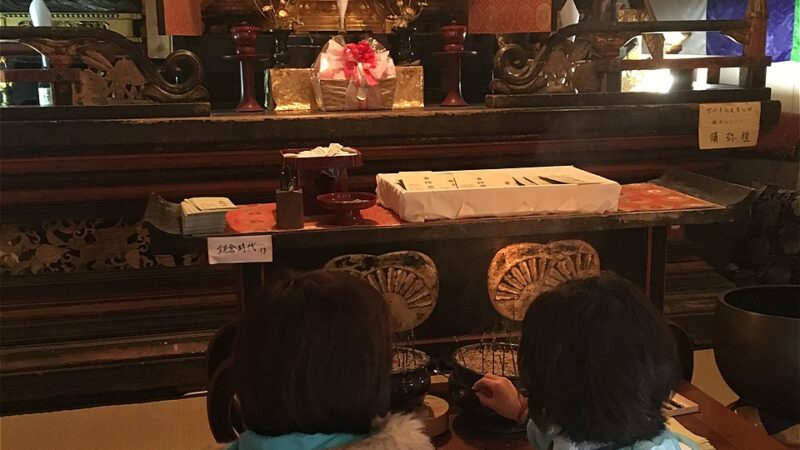
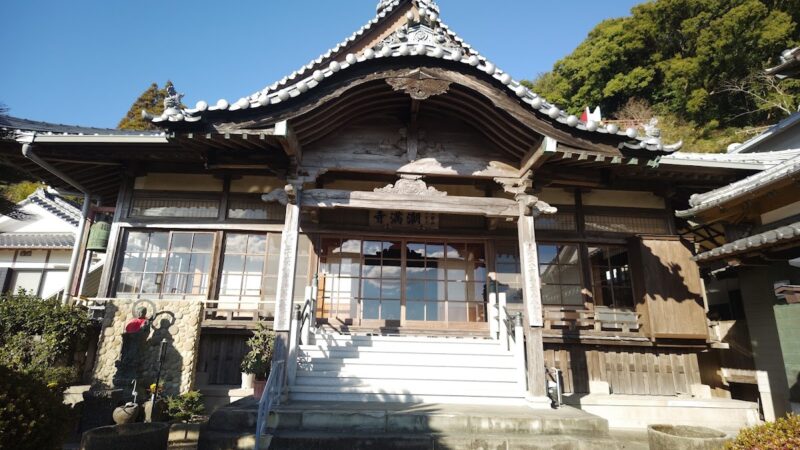
The main hall houses the principal image, Fudo Myoo. You can pray in a tranquil atmosphere, calming your mind. Inside the main hall, you can clasp your hands together before Fudo Myoo and offer your daily gratitude and wishes.
Atmosphere of the Temple Grounds
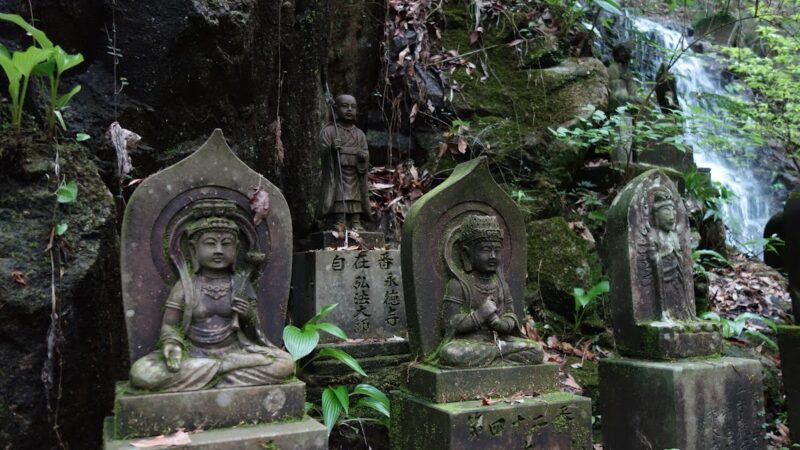
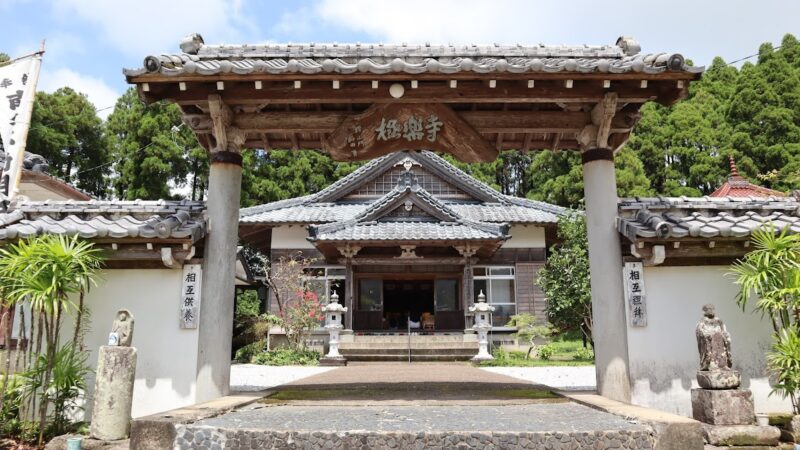
The grounds of Gokuraku-ji Temple are in a quiet environment surrounded by nature. It is an ideal place to escape the hustle and bustle of the city and calm your mind. You can pray slowly while feeling the changing seasons.
Cultural Assets and Highlights
As a temple with a history of approximately 900 years, it retains various historically valuable artifacts and buildings. When visiting, please pay attention to these cultural heritage sites.
Main Events and Annual Events
Annual Events
Gokuraku-ji Temple holds various Buddhist events throughout the year.
- First three days of the New Year: First shrine visit of the year, New Year’s prayers
- Setsubun: Setsubun ceremony, bean-throwing
- Spring and Autumn Equinox: Equinox memorial service
- Obon: Obon festival
- End of Year: New Year’s Eve bell ringing
Regular Events
There are also regularly held memorial services and events, some of which are open to non-parishioners. For detailed schedules, please contact the temple directly.
Goshuin (Temple Seal) Information
Issuance of Goshuin
Gokuraku-ji Temple offers Goshuin to visitors. The Goshuin (temple stamp) from this temple, the 14th stop on the Kyushu Thirty-Six Fudo Pilgrimage, is a precious item for those undertaking the pilgrimage.
Manners for Receiving a Goshuin
- First, complete your prayers at the main hall.
- Bring your Goshuincho (stamp book) (if you don’t have one, you may be able to purchase one at the temple).
- Request politely.
- Pay the Goshuin fee.
A Goshuin is proof of your visit, not a stamp rally. Please receive it after offering your prayers with sincerity.
Services Offered by the Temple
Prayer for Protection Against Misfortune
This is Gokurakuji Temple’s most representative prayer. Those in their unlucky years, as well as those experiencing significant life changes or anxieties, can receive prayers for protection against misfortune.
Perpetual Memorial Grave
For those without successors or those who do not wish to burden their descendants with grave maintenance, we offer a perpetual memorial grave. The temple will take responsibility for continuing memorial services in perpetuity.
Memorial Service for Unborn Children
We also offer memorial services for unborn children who were unable to be born due to various circumstances. Through a respectful memorial service, you can find healing for your soul.
Other Memorial Services and Prayers
- Ancestor Memorial Service
- Anniversary Memorial Service
- Traffic Safety Prayer
- Family Safety Prayer
- Business Prosperity Prayer
- Academic Success Prayer
We offer a variety of prayers and memorial services.
About the Rakuraku-kai (Rakuraku Club)
Creating an Open Temple
Gokuraku-ji Temple has an initiative called the “Rakuraku-kai.” This is a temple club activity that anyone, not just temple parishioners, can freely participate in, aiming to create a temple that is open to the community.
Activities
The Rakuraku-kai deepens interaction among participants through various activities. It functions as a place where people can gather casually while experiencing Buddhist teachings.
If you wish to participate, please contact the temple directly.
Temple Philosophy and Initiatives
A Temple That Stands Close to People
Gokuraku-ji Temple aims to be a temple that stands close to people, where they can feel free to come and consult even about minor worries.
When visiting, you can easily speak to the head priest or temple staff. If you have any worries or concerns about life, you can receive advice based on Buddhist teachings.
Engagement with the Local Community
Gokuraku-ji Temple, which has walked hand in hand with the history of the Kitagata district of Kushima City for approximately 900 years, is an indispensable presence in the local community. We actively participate in the preservation of local traditional events and culture.
Access Information
Access by Train
- Nearest Station: Hyuga-Kitagata Station
- From the station, please walk or take a taxi to the temple.
Access by Car
Please aim for 5472 Kitagata, Kushima City, Miyazaki Prefecture. If using a car navigation system, please search by phone number (0987-72-6568) or address.
Parking
There is parking available for visitors. Please contact the temple for details.
Manners and Etiquette for Visiting the Temple
Basic Manners for Visiting the Temple
- Bow at the Temple Gate: Bow before entering the temple grounds.
- Purify at the Water Basin: Cleanse your hands and mouth.
- Pray at the Main Hall: Quietly join your hands in prayer and offer your prayers.
- Be Quiet on the Temple Grounds: Refrain from loud conversations.
- Photography: There are areas where photography is prohibited, such as inside the main hall, so please check before taking pictures.
About Offerings
Offerings are a way of expressing gratitude to Buddha. There are no set amounts, but please offer with sincerity.
Nearby Attractions
Tourist Spots in Kushima City
Kushima City, where Gokurakuji Temple is located, has many other tourist spots. Why not visit them along with your temple visit?
- Toi Cape: A beautiful cape inhabited by wild horses
- Koshima Island: An island inhabited by wild Japanese macaques
- Kushima Onsen: A hot spring facility where you can soothe your travel fatigue
Nearby Shrines and Temples
There are many other historical shrines and temples scattered around Kushima City. If you have time, a trip visiting several temples and shrines is highly recommended.
How to Contact Us
Contact Information
- Phone/Fax: 0987-72-6568
- Email: koyasan.gokuraku@gmail.com
- Address: 5472 Kitakata, Kushima City, Miyazaki Prefecture 888-0005
Inquiry Details
Please feel free to contact us with any questions regarding graves, prayers, memorial services, etc. The temple provides careful and attentive service to each individual.
Information Dissemination on Social Media
Gokuraku-ji Temple also disseminates information on social media such as Facebook and Instagram. For the latest event information and announcements, please follow us.
- Facebook: Ohtaisan Gokurakuji Temple
- Instagram: @ohtaisan_gokurakuji
Special Experiences at Gokurakuji Temple
Goma Prayer Ceremony
You can experience the Goma prayer ceremony, a representative ritual of Shingon Esoteric Buddhism. The Goma ceremony, in which prayers are offered while burning flames, is believed to burn away worldly desires and grant wishes.
Sutra Copying/Buddhist Image Copying
You may also have the opportunity to experience sutra copying or Buddhist image copying, a way to calm your mind and connect with Buddhist teachings. Please contact the temple for details.
Dharma Talk
You may also have the opportunity to listen to a Dharma talk by the head priest. The Buddhist teachings are explained in an easy-to-understand way, making it recommended for those interested in Buddhism.
Points to Note When Visiting Gokurakuji Temple
Dress Code
While there are no strict dress code regulations, please dress appropriately when visiting a temple. It is best to avoid revealing or overly flashy clothing. ### Visiting Hours
Please visit during daylight hours. Avoid visiting at night or in the early morning. Visiting hours may change if there are memorial services or events, so it is recommended to check in advance.
Weather Considerations
While visits are possible even in rainy weather, the ground may become slippery. Please wear appropriate footwear.
Summary
Ota-san Gokuraku-ji Temple, founded in 1152, boasts a history of approximately 900 years and is a Shingon Buddhist temple of the Koyasan sect, known for its devotion to Fudo Myoo, the protector against misfortune. As the 14th temple on the Kyushu Thirty-Six Fudo Pilgrimage, it attracts many visitors not only from Miyazaki Prefecture but also from outside the prefecture.
While offering various religious services such as prayers for protection against misfortune, perpetual memorial services, and memorial services for stillborn babies, the temple aims to be a “temple that is close to people” and operates with an open approach. It values its connection with the local community through activities such as the Rakuraku-kai, which are open to non-parishioners as well.
Located in the lush natural surroundings of northern Kushima City, Gokuraku-ji Temple offers a peaceful place for worship. It’s a wonderful place to visit during life’s turning points, when facing worries, or when seeking inner peace. Experiencing the compassion and power of Fudo Myoo (Acala) may give you the courage to take a new step forward.
Frequently Asked Questions (FAQ)
Q1: Is there an entrance fee to Gokuraku-ji Temple?
A1: There is no entrance fee for entering the temple grounds or for regular worship. However, if you request special prayers or memorial services, a separate offering is required. Please contact the temple directly for the amount.
Q2: Can I always get a Goshuin (temple stamp)?
A2: Generally, you can get one during your visit, but there may be times when the temple is closed due to ceremonies or events. If you want to be sure to get a Goshuin, we recommend calling ahead to confirm.
Q3: Is a reservation required for exorcism prayers?
A3: If you wish to request individual exorcism prayers, we recommend making a reservation in advance. Please contact us by phone (0987-72-6568) or email.
Q4: Can I consult or request prayers even if I am not a temple parishioner?
A4: Yes, even if you are not a parishioner, you can easily request consultations and prayers. Gokuraku-ji Temple aims to be a “temple that is close to people,” and everyone is welcome.
Q5: Is there parking available?
A5: There is parking space for visitors. Please contact the temple directly for details on the location and number of spaces.
Q6: I would like to make a pilgrimage to the 36 Fudo temples of Kyushu. Do I need to make any special preparations?
A6: No special qualifications are required for the pilgrimage. Please bring your Goshuincho (stamp book) and visit each temple with sincerity. Gokuraku-ji Temple is the 14th temple on the pilgrimage.
Q7: I would like to join the Rakuraku-kai (Rakuraku Association). How can I do that?
A7: The Rakuraku-kai (community gathering) is open to non-temple members as well. Those wishing to participate should contact the temple by phone or email. They will provide detailed information about the activities and schedule.
Q8: I would like to know more about perpetual memorial graves.
A8: Regarding perpetual memorial graves, individual consultation is necessary regarding costs and memorial service methods. We recommend contacting the temple by phone or email and then visiting to receive a detailed explanation.