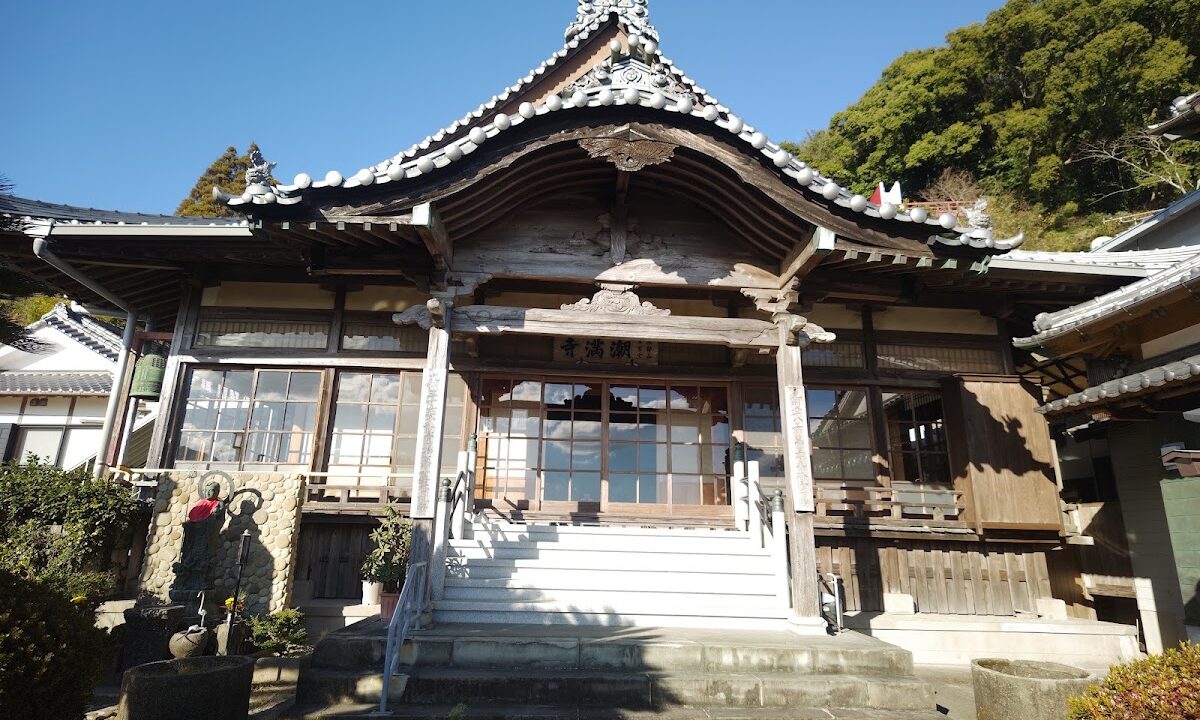
Complete Guide to Chomanji Temple (Nichinan City, Miyazaki Prefecture): An Ancient Temple of the Koyasan Shingon Sect Overlooking the Wave-Cutting Fudo Myoo and Aburatsu Port
Chomanji Temple, nestled at the foot of Mt. Tsunomine in the Aburatsu district of Nichinan City, Miyazaki Prefecture, is an ancient temple of the Koyasan Shingon sect situated on a hill overlooking Aburatsu Port. Its principal deity is the Wave-Cutting Fudo Myoo, and it has been cherished by the local people as a guardian of maritime safety and navigation. This article provides detailed information you should know before visiting Chomanji Temple, including its history, highlights, goshuin (temple stamp) information, and access methods.
Basic Information on Chomanji Temple
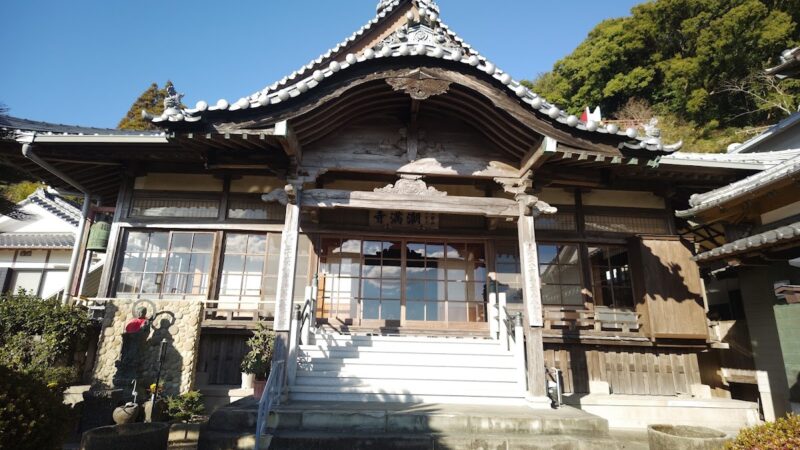
Chomanji Temple is a Koyasan Shingon sect temple located in the Aburatsu district of Nichinan City. Its official mountain name is “Nichinan Koyasan.” Situated on a hill overlooking Aburatsu Port, it is also known as a scenic spot offering panoramic views of Nichinan City from its sunny grounds.
Basic Data
- Official Name: Nichinan Koyasan Shiomanji Temple
- Sect: Koyasan Shingon Buddhism
- Principal Image: Standing Statue of Namikiri Fudo Myoo
- Location: 3-2-7 Aburatsu, Nichinan City, Miyazaki Prefecture
- Phone Number: 0987-22-3131
- Pilgrimage Site: 39th temple of the Kyushu Eighty-Eight Sacred Sites and 108 Sacred Sites; 13th temple of the Kyushu Thirty-Six Fudo Sacred Sites
History and Origins of Shiomanji Temple
From Founding to Restoration
Shiomanji Temple was formerly called “Chomanji Temple.” According to records, it was restored in 1636 (Kanei 13) by Shigeo Hoin, the 6th head priest of Ganjojuji Temple. Ganjojuji Temple is a famous temple in Nichinan City, and Shiomanji Temple also functioned as its retirement temple for a period.
Deep Connection to Aburatsu Port
During the Edo period, Aburatsu flourished as the outer port of the Obi Domain, playing an important role as a port for shipping timber. Shiomanji Temple stands overlooking this port town, attracting the faith of sailors and merchants praying for safe voyages. The principal image, Namikiri Fudo Myoo, as its name suggests, is revered as a Buddha who cuts through rough waves and protects safe voyages.
Shiomanji Temple in Modern Times
Even today, Shiomanji Temple continues to attract the faith of local people and is a temple visited by many pilgrims as one of the 88 sacred sites and 108 sacred sites of Kyushu and the 36 Fudo sacred sites of Kyushu. The excellent view from its elevated position and the tranquil atmosphere of the temple grounds provide peace to visitors.
Highlights of Shiomanji Temple
Principal Image: Standing Statue of Namikiri Fudo Myoo
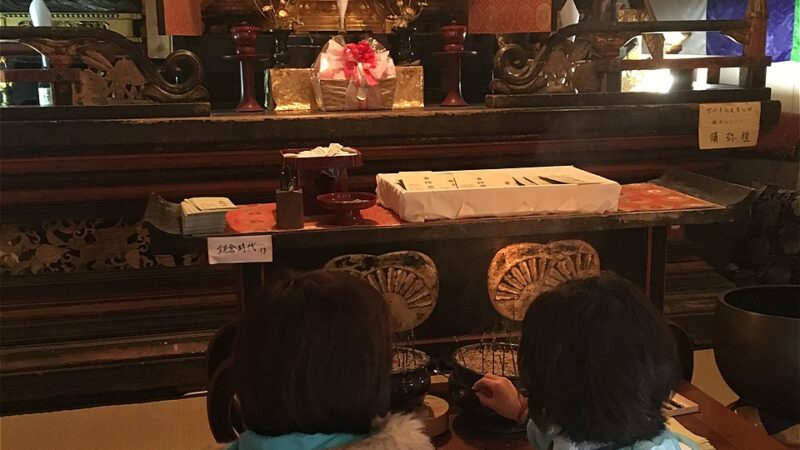
The greatest highlight of Shiomanji Temple is the principal image, the standing statue of Namikiri Fudo Myoo. Fudo Myoo is the central figure of the Five Great Wisdom Kings in Shingon Esoteric Buddhism, worshipped as a Buddha who crushes worldly desires and saves all sentient beings. The name “Namikiri” (wave cutter) symbolizes safe voyages and protection from maritime disasters, a form of worship unique to the port town of Aburatsu.
Benten-do Hall
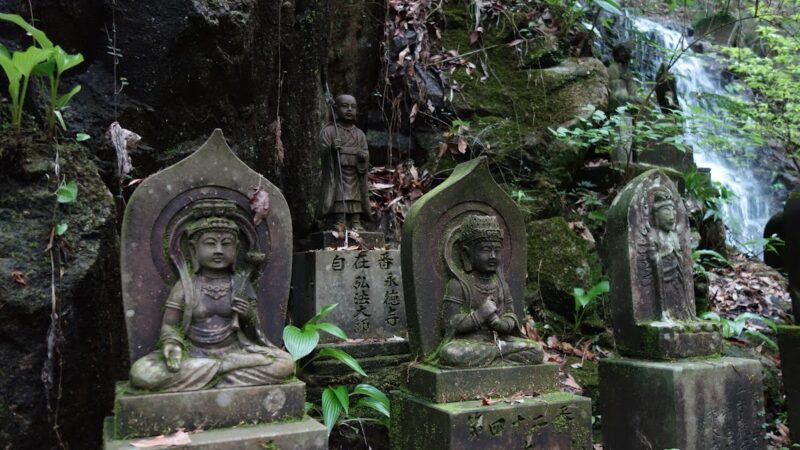
Within the temple grounds is Benten-do Hall, dedicated to Benzaiten, the goddess of water. Benzaiten is known as one of the Seven Lucky Gods and is worshipped as the goddess of art, learning, and wealth. It’s interesting that Benzaiten, the goddess of water, is enshrined here, fitting for a location overlooking the harbor.
View from the Hilltop
Shiomanji Temple is located on a hilltop at the foot of Tsunomine, overlooking Aburatsu Port, and is known for its magnificent views. On clear days, you can see the city of Nichinan, Aburatsu Port, and the blue sea of the Hyuga Sea. Many people visit to enjoy this view.
Atmosphere of the Temple Grounds
The temple grounds, bathed in sunlight, are enveloped in a quiet and peaceful atmosphere. It offers a tranquil environment, far removed from the hustle and bustle of the city, allowing for a calm and peaceful visit. Seasonal flowers are planted throughout the grounds, offering different scenery depending on the time of year.
Information on Goshuin (Temple Seals) and Goshuincho (Seal Books)
Goshuin Available at Shiomanji Temple
At Shiomanji Temple, you can receive multiple goshuin. In addition to the regular temple goshuin, goshuin for pilgrimage sites are also available.
Types of Goshuin Available
- Regular Goshuin of Shiomanji Temple
- Goshuin for the 39th temple of the Kyushu 88 Sacred Sites and 108 Pilgrimage Sites
- Goshuin for the 13th temple of the Kyushu 36 Fudo Pilgrimage Sites
The goshuin include calligraphy such as “Namikiri Fudo-son” and “Nichinan Koyasan,” and are stamped with the temple’s seal. For pilgrims, the appeal lies in being able to receive goshuin for multiple pilgrimage sites simultaneously. ### Points to Note When Receiving a Goshuin (Temple Stamp)
A Goshuin is given as proof of your visit. Please note the following:
- Pray First: Please pray at the main hall first before receiving your Goshuin.
- Prepare Your Goshuincho (Stamp Book): It is customary to bring your Goshuincho.
- Offering Fee: Generally around 300-500 yen (please prepare the exact amount).
- Reception Hours: Since the temple may be closed due to its own circumstances, it is recommended to call ahead to confirm.
Access Information
Access by Train
The nearest station is “Aburatsu Station” on the JR Nichinan Line. While it is within walking distance from the station to Shiomanji Temple, you will need to walk uphill as it is located on a hill.
- From JR Aburatsu Station: Approximately 15-20 minutes on foot
- Exit the station and head towards the Aburatsu shopping street, then walk uphill towards the hilltop.
Access by Car
Visiting by car is the most convenient option.
- From Miyazaki City: Take National Route 220 south for about 1 hour.
- From Kagoshima: Take National Route 220 north.
- Parking: Parking is available on the temple grounds (limited spaces, so be aware during long holidays).
Nearby Tourist Attractions
When visiting Shiomanji Temple, we recommend also visiting the following nearby tourist attractions:
- Aburatsu Shopping Street: A shopping street in a port town with a retro atmosphere.
- Horikawa Canal: A historical canal used for transporting Obi cedar.
- Obi Castle Town: A castle town with samurai residences (about 15 minutes by car).
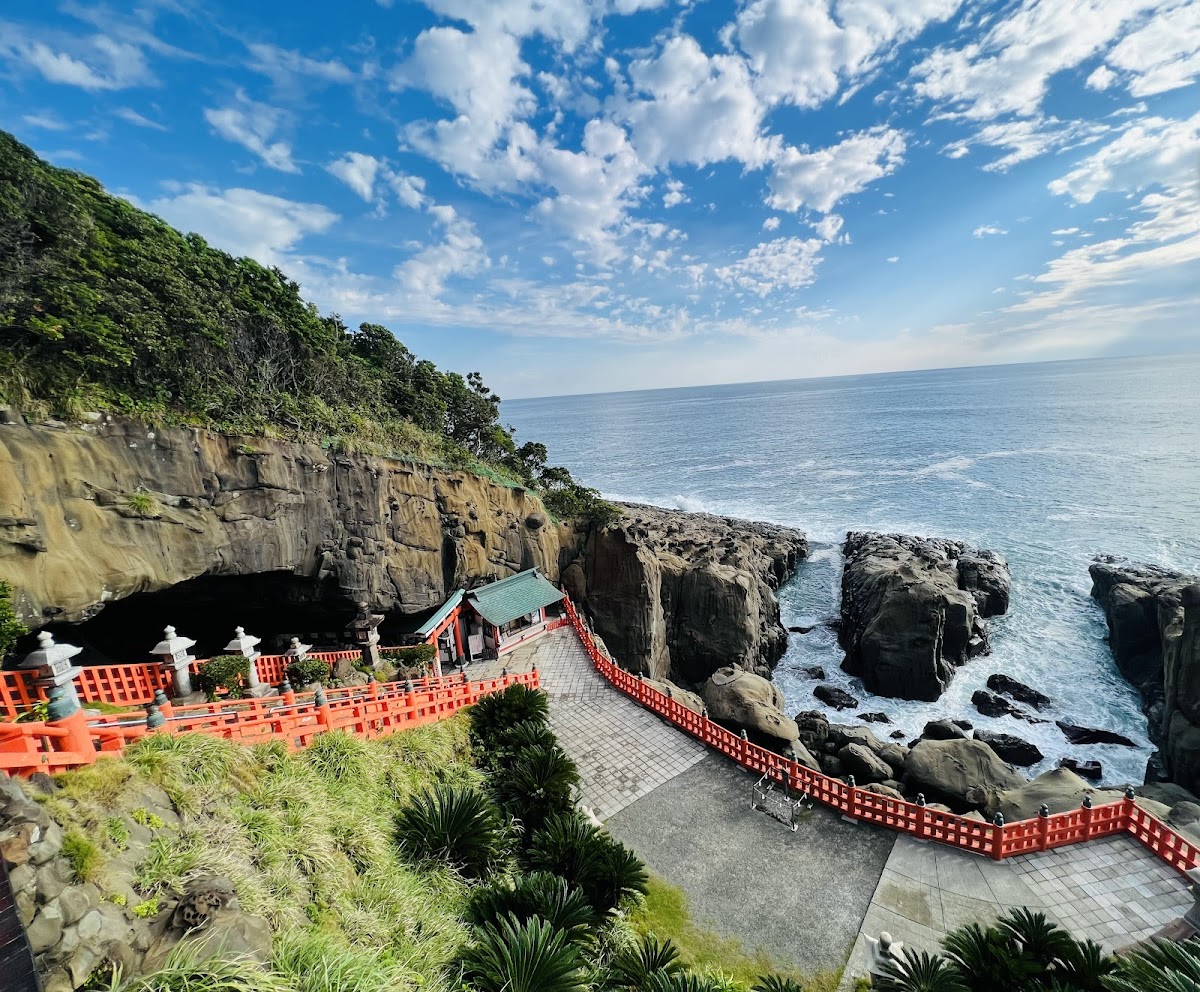
- Udo Shrine: A representative shrine of the Nichinan Coast (about 20 minutes by car).
About the Kyushu Eighty-Eight Sacred Sites and the Kyushu Thirty-Six Fudo Sacred Sites
What is the Kyushu Eighty-Eight Sacred Sites and One Hundred and Eight Sacred Places?
The Kyushu Eighty-Eight Sacred Sites and One Hundred and Eight Sacred Places is a pilgrimage route established throughout Kyushu, modeled after the Shikoku Eighty-Eight Sacred Sites. Shiomanji Temple is the 39th temple on this route and attracts many pilgrims.
What is the Kyushu Thirty-Six Fudo Sacred Sites?
The Kyushu Thirty-Six Fudo Sacred Sites is a pilgrimage route visiting temples throughout Kyushu that enshrine Fudo Myoo (Acala). Shiomanji Temple is the 13th temple on this route and is one of the central centers of worship for Namikiri Fudo Myoo.
The Significance of Pilgrimage
Pilgrimage is considered a form of spiritual practice where one purifies the mind and accumulates merit by visiting each temple. In modern times, tourism has also been added, and many people undertake pilgrimages seeking good health and peace of mind.
How to Visit Shiomanji Temple
Basic Worship Procedure
- Bow at the Temple Gate: Bow before entering the temple grounds.
- Purify at the Water Basin: Purify your hands and mouth.
- Worship at the Main Hall: Join your hands in prayer towards the principal image, Namikiri Fudo Myoo, and offer your prayers.
- Worship at the Benten Hall: Also visit the Benten Hall within the temple grounds.
- Receive a Goshuin (Temple Seal): After worshipping, receive a Goshuin at the Goshuin office.
Shingon Buddhist Worship Etiquette
At temples of the Koyasan Shingon sect, the following etiquette is common:
- Join Hands: Join both hands in front of your chest.
- Bow: Bow deeply.
- Chant the Mantra: The mantra of Fudo Myoo, “Noumaku Samanda Bazaradan Senda Makaroshada Sowataya Untarata” You can also chant “Kanman”.
Annual Events and Special Days
Shiomanji Temple holds various Buddhist services and events throughout the year.
Main Annual Events
- First Three Days of the New Year: Many worshippers visit for Hatsumode (first shrine visit of the year).
- Setsubun Festival: Around February 3rd, prayers for warding off evil.
- Spring and Autumn Equinox Festivals: Memorial services for ancestors.
- Obon Festival: August 13th-15th, Urabon-e (Buddhist festival).
For detailed dates and special services, please contact the temple directly.
History of Nichinan City and Aburatsu
Aburatsu Flourished as the Outer Port of the Obi Domain
Aburatsu flourished as the outer port of the Obi Domain (Ito clan, 57,000 koku) during the Edo period. It was particularly known as a port for shipping Obi cedar, and was a bustling port town with ships carrying timber to Osaka and Edo.
Modern Aburatsu
After the Meiji Restoration, Aburatsu developed as a center of the timber industry, and in the early Showa period, it became one of Kyushu’s leading port cities. It still functions as a fishing port today, known for its bonito and tuna landings.
Culture of Aburatsu
A culture characteristic of port towns, open and enterprising, flourished, and merchants who amassed fortunes through commerce and shipping supported the region’s development. Shiomanji Temple can be said to be a temple that has watched over this history of Aburatsu.
Nearby Temples and Shrines
When visiting Shiomanji Temple, we recommend also visiting other temples and shrines in Nichinan City.
Ganjojuji Temple
Ganjojuji Temple, which has close ties to Shiomanji Temple, is a famous temple known as the family temple of the Ito clan, the lords of the Obi Domain. It boasts a magnificent main gate and main hall, and is a temple of high historical value.
Udo Shrine
A representative shrine of the Nichinan coast, it is a rare shrine with its main hall located inside a sea cave. This temple is famous for prayers for safe childbirth and attracts many visitors.
Other Temples and Shrines
There are many other temples and shrines in Nichinan City, each with its own unique characteristics. If you have the time, it would be a good idea to visit several of them.
Attire and Manners for Visiting the Temple
Regarding Attire
While there are no particularly strict dress code regulations, please pay attention to the following points:
- Clean Attire: Clean and understated clothing is preferable.
- Modest Clothing: Avoid excessive exposure, especially in summer.
- Comfortable Shoes: As the temple is located on a hill, comfortable shoes are recommended.
Manners for Visiting the Temple
- Quiet: Please be quiet within the temple grounds.
- Photography: Permission may be required to take photographs inside the main hall.
- No Smoking: Smoking is prohibited within the temple grounds.
- Take Your Trash Home: Please cooperate in environmental conservation.
Summary of the Charms of Shiomanji Temple
The charms of Shiomanji Temple lie not only in its historical value, but also in its spectacular view overlooking Aburatsu Port, the tranquil atmosphere of its grounds, and the devotion to Namikiri Fudo Myoo. As a temple of the Koyasan Shingon sect and a sacred site in Kyushu, it serves as a spiritual haven for many people.
When you visit Nichinan City, be sure to stop by Shiomanji Temple to experience its history and faith, and enjoy the beautiful view from the hilltop. It’s especially worthwhile for those collecting temple stamps (Goshuin) or on pilgrimages.
Frequently Asked Questions (FAQ)
Here are answers to frequently asked questions from those considering visiting Shiomanji Temple.
Visiting Hours
Q: What are the visiting hours for Shiomanji Temple?
A: While entry to the temple grounds is generally permitted during the day, if you wish to receive a temple stamp or enter the main hall, we recommend contacting us in advance by phone (0987-22-3131). Generally, the hours are from 9:00 AM to around 5:00 PM.
Fees
Q: Is there a fee to visit?
A: Entry to the temple grounds and worship are free. A donation (generally around 300-500 yen) is required to receive a Goshuin (temple stamp).
Access
Q: Is there parking available if I go by car?
A: There is parking space on the temple grounds, but the number of spaces is limited. It may get particularly crowded on weekends and during long holidays, so we recommend visiting with plenty of time to spare.
About Goshuin
Q: Can I get multiple Goshuin?
A: Yes, in addition to the regular Goshuin, Shiomanji Temple also offers Goshuin for the 39th temple of the Kyushu 88 Sacred Sites and the 13th temple of the Kyushu 36 Fudo Sacred Sites. It is possible to have each stamped in a separate Goshuin book.
Accessibility
Q: Is it possible to visit in a wheelchair?
A: Shiomanji Temple is located on a hill, and there are steps within the temple grounds, so visiting in a wheelchair may be difficult. We recommend visiting with an assistant. Please contact the temple in advance for details.
About nearby sightseeing
Q: Are there any sightseeing spots that can be visited together with Shiomanji Temple?
A: Aburatsu Shopping Street and Horikawa Canal are within walking distance. Also, Obi Castle Town is about a 15-minute drive away, and Udo Shrine is about a 20-minute drive away. We recommend visiting these in conjunction with a drive along the Nichinan Coast.
About bringing pets
Q: Is it possible to visit with a pet?
A: Generally, it is considered bad manners to bring pets to temples. In particular, pets should not be brought into the main hall or other buildings on the temple grounds. When walking around the grounds, please keep your pet on a short leash and be considerate of other visitors.
About group visits
Q: Is it possible to visit as a group?
A: Group visits are possible, but we recommend contacting the temple in advance to inform them of the date, time, and number of people. Prior contact is especially important to ensure smooth handling of memorial services and the issuance of temple stamps.
In Conclusion
Located in Aburatsu, Nichinan City, Miyazaki Prefecture, Shiomanji Temple is a historic temple of the Koyasan Shingon sect, with Namikiri Fudō Myōō as its principal deity. It boasts many attractions, including its panoramic view from a hilltop overlooking Aburatsu Port, its quiet and peaceful atmosphere, and its role as a pilgrimage site in Kyushu.
When visiting Nichinan City, be sure to visit Shiomanji Temple to experience its history and faith, and enjoy a moment of peace. It is a must-visit temple, especially for those on pilgrimage or collecting temple stamps.
Why not find inner peace at Shiomanji Temple, where the port town culture of Aburatsu and the faith of Shingon Esoteric Buddhism are fused?