Complete Guide to Kōshūji Temple (Sendai City, Miyagi Prefecture) | History, Goshuin (Temple Seal), Access, and Highlights Explained in Detail
About Kōshūji Temple
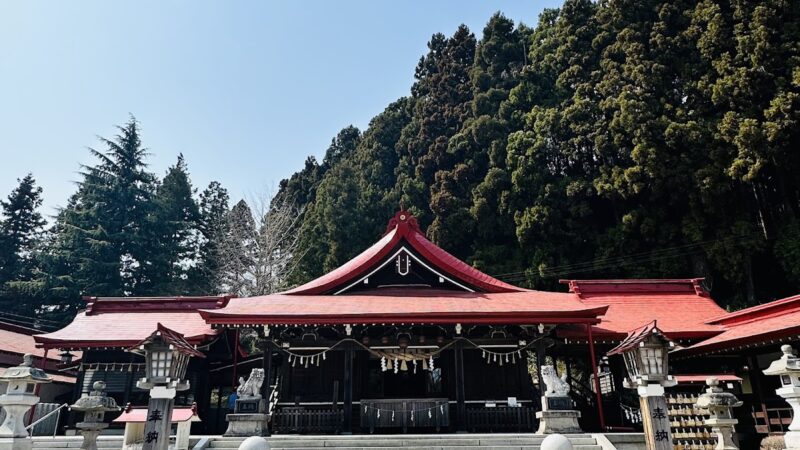
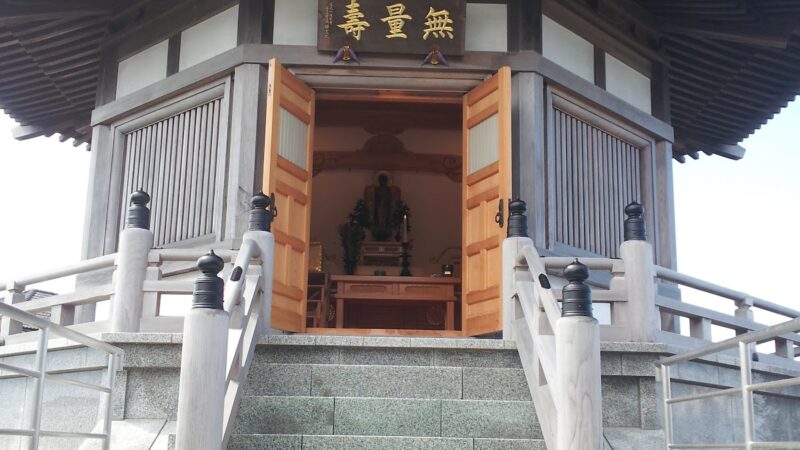
Kōshūji Temple is a Sōtō Zen Buddhist temple located in Kōshū, Taihaku-ku, Sendai City, Miyagi Prefecture. Its official name is “Iōzan Kōshūji,” and it enshrines Fukurokuju, the seventh of the Seven Lucky Gods of Ōshū Sendai.
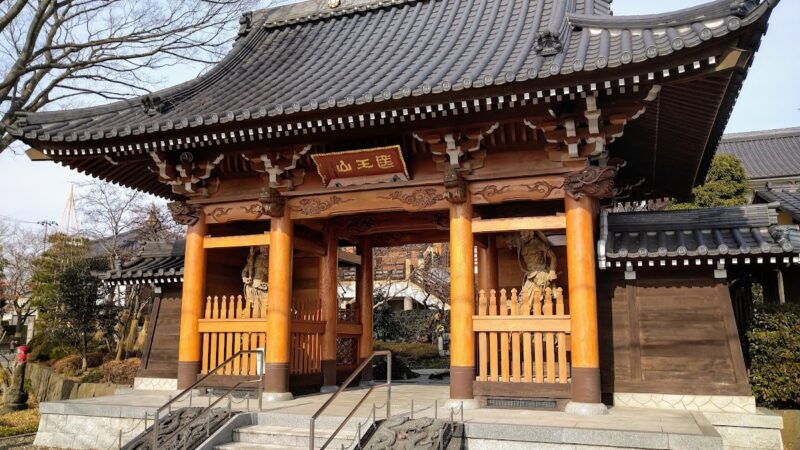
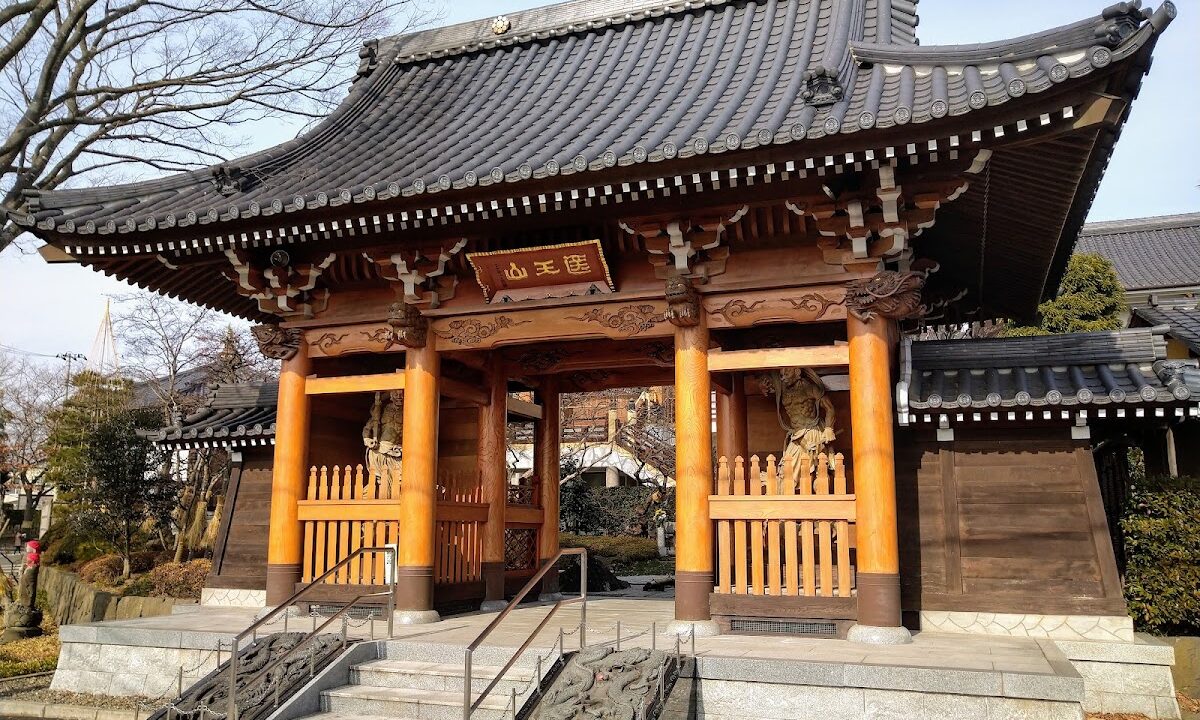
While it is sometimes read as “Kagitori-dera” from the place name “Kagitori,” the correct reading is “Kōshūji.” With its impressive temple gate and dragon statue, it is a historic and dignified temple cherished by the local community.
As a branch temple of Rinnōji Temple in Sendai City, this temple has a long history, having undergone several changes since its founding in 835 AD (Jōwa 2).
History of Kakitori-ji Temple
Founding and Early History
The history of Kakitori-ji Temple dates back to the early Heian period. It was founded in 835 (Jōwa 2) by the Tendai sect’s monk, Saiō. It is said that it was initially built near the present-day Nishitaga National Sanatorium Hospital.
This period was the early Heian period, a time when the Tendai sect was spreading to the Tohoku region. Monk Saiō established the temple in this area as a spiritual center for the local people.
Period of Ruin and Reconstruction
However, due to subsequent wars and disasters, Kakitori-ji Temple fell into disrepair for a time. While detailed records are not available, it is presumed that, like many temples during the turbulent medieval period, it became difficult to maintain.
Conversion to the Sōtō Zen Sect and Reconstruction
A turning point came in the early Edo period. In 1636 (Kanei 13), the temple was converted and restored as a Soto Zen temple by Kakugai Rinjo, the 13th head priest of Rinnoji Temple in Sendai.
At this time, it officially became a Soto Zen temple, “Iōzan Kakitori-ji,” and was positioned as a branch temple of Rinnoji Temple. The mountain name, Iōzan, is thought to originate from Yakushi Nyorai (Medicine Buddha), reflecting the temple’s character as a place where people pray for healing and good health.
Kakitori-ji Temple in Modern Times
Throughout the Edo period, Kakitori-ji Temple functioned as a center of local faith. It overcame the effects of the anti-Buddhist movement of the Meiji era and continues to preserve its Buddhist traditions to this day.
After World War II, in the Kakitori district, which underwent significant residential development, it plays an important role as a valuable presence preserving historical landscapes and as a spiritual support for the local community.
Highlights of Kakitori-ji Temple
Magnificent Temple Gate
The first thing visitors to Kakitori-ji Temple see is its dignified temple gate. The imposing structure speaks to the temple’s long history and prestige. First-time visitors might feel a little intimidated by its grandeur, but it’s also a gate that warmly welcomes visitors.
Stone Statues of Dragons Holding Red Jewels
In front of the temple gate sit two stone dragons, each grasping a red jewel. These dragon statues are symbolic of Kakitori-ji Temple, possessing a powerful presence that seems to protect visitors.
In Buddhism, dragons are revered as divine beasts that control water, and as symbols of wisdom and power. Their grasp of the red jewel is said to represent the protection of the treasures of Buddhist teachings.
Beautiful Gardens
The temple grounds feature well-maintained gardens, where visitors can enjoy the changing scenery throughout the seasons. In the tranquil atmosphere characteristic of a Soto Zen temple, you can stroll around and find peace of mind.
Especially during the seasons of fresh greenery in spring and autumn foliage, you can enjoy beautiful scenery, making it a popular spot for photography.
Oshu Sendai Seven Lucky Gods – Fukurokuju
Kagitori-ji Temple is the 7th temple on the Oshu Sendai Seven Lucky Gods pilgrimage route, and enshrines Fukurokuju. Fukurokuju is worshipped as a god who bestows the three virtues of happiness (Fuku), prosperity (Roku), and longevity (Ju), and is believed to bring blessings of longevity and wealth.
For those undertaking the Seven Lucky Gods pilgrimage, Kagitori-ji Temple is an important pilgrimage site.
Goshuin (Temple Seal) Information
You can receive a Goshuin at Kagitori-ji Temple. A Goshuin commemorating the Oshu Sendai Seven Lucky Gods pilgrimage is also available, making it particularly popular among those on the pilgrimage.
Goshuin (Temple Seal) Reception Hours
Goshuin are generally available from 9:00 AM to around 5:00 PM, but this may not be possible due to memorial services or other events. If you wish to be sure to receive a goshuin, we recommend calling ahead to confirm.
Types of Goshuin
- Standard Goshuin
- Goshuin of the Seven Lucky Gods of Oshu Sendai (Fukurokuju)
If you do not have a goshuincho (stamp book), you may be able to receive a pre-printed goshuin.
About the Soto Zen School
The Soto Zen school, to which Kakitori-ji Temple belongs, is a branch of Zen Buddhism introduced to Japan by Zen Master Dogen during the Kamakura period. It emphasizes “Shikantaza,” that is, the practice of simply sitting in meditation.
Daily Practices of the Soto Zen School
The Soto Zen school uses seven types of scriptures for daily recitation:
- Heart Sutra
- Shushogi
- Kannon Sutra
- Daihishin Dharani
- Shari Raibun
- Kanromon
- Ekobun
Daily practice and faith are carried out through these scriptures.
Access Information
Basic Information
- Address: 4-1-21 Kakitori, Taihaku-ku, Sendai City, Miyagi Prefecture 982-0804
- Phone: 022-245-3937
- Sect: Soto Zen
- Head Temple: Rinnoji Temple (Branch Temple)
Access by Public Transportation
By Subway
The nearest station is Tomizawa Station on the Sendai City Subway Namboku Line. It takes about 10 minutes by car or about 30 minutes on foot from Tomizawa Station.
By Bus
It’s about a 3-minute walk from the Miyagi Kotsu bus stop “Kakitori-cho Higashi” or “Sendai Nishi High School Entrance.” If you take the bus from Sendai Station, the journey takes about 30 minutes.
Access by Car
It’s located a short distance uphill after heading north from National Route 286 into a residential area. It’s about a 20-minute drive from central Sendai.
There is parking on the temple grounds, but spaces are limited, so it may be crowded during events and memorial services.
Landmarks in the Area
- Near Sendai Nishi High School
- About a 5-minute walk from Taihaku Ward Office Kakitori Branch
- Near the border with Natori City
About Perpetual Memorial Services and Cemeteries
Kakitori-ji Temple offers various memorial services to meet modern needs, including perpetual memorial graves, tree burials, and columbariums.
Features of Perpetual Memorial Services
For those without successors or those who do not wish to burden their descendants with grave maintenance, the temple will take responsibility for providing perpetual memorial services. Since the services are conducted respectfully according to the customs of the Soto Zen sect, you can entrust your loved ones to us with peace of mind.
Visiting the Cemetery
Those wishing to visit the cemetery or perpetual memorial graves are advised to make a reservation by phone in advance. You can visit the site, check the atmosphere and environment, and then apply.
The head priest and staff will provide thorough explanations, so please feel free to ask any questions or express any concerns you may have.
Ceremonies and Events at Kakitori-ji Temple
Annual Events
As a Soto Zen temple, Kakitori-ji Temple holds various ceremonies and events throughout the year.
- Spring Equinox/Autumn Equinox: Memorial service for ancestors
- Obon: Urabon-e (Buddhist festival)
- Segaki Memorial Service: Memorial service for unclaimed souls
Funerals and Memorial Services
Kagitori Temple can conduct funerals and memorial services according to the customs of the Soto Zen sect. They provide careful service from the seventh day after death to the forty-ninth day, the first anniversary, the third anniversary, and other annual memorial services.
We recommend contacting them by phone in advance to discuss funerals and memorial services.
About the Kagitori Area
Origin of the Place Name
The place name “Kagitori” has been passed down in this area since ancient times. There are various theories about its origin, but it is thought to be related to the topography or historical events.
Surrounding Environment
The Kagitori area is located in the southwestern part of Taihaku Ward, Sendai City, and is a residential area close to the border with Natori City. This area was once a rural village, but after the war, it developed into a residential area through urban development.
Currently, it is a quiet residential neighborhood, and Kakitori-ji Temple, a valuable historical landmark, stands as a local landmark.
Nearby Attractions
- Sendai Nishi High School: The center of local education
- Kakitori District Park: A place of relaxation for local residents
- Mt. Taihaku: A hiking spot rich in nature
Manners and Points for Visiting the Temple
Basic Manners for Visiting the Temple
- Bow at the Temple Gate: Bow at the temple gate before entering the temple grounds.
- Worship Quietly: Be quiet within the temple grounds and avoid disturbing other worshippers.
- Photography: If taking photographs, be considerate of other worshippers and avoid disturbing religious services.
- Offering a Donation: When praying at the main hall, offer a donation with sincerity.
Attire
For regular visits, no special attire is required, but clean and subdued clothing is desirable. For memorial services or funerals, wear formal mourning attire.
Visiting Hours
While the temple grounds are generally open for free visits during the day, if you wish to view the main hall or receive a Goshuin (temple stamp), the appropriate time is between 9:00 AM and 5:00 PM.
Reviews and Reputation of Kakitori-ji Temple
The following are comments from visitors to Kakitori-ji Temple:
About the Atmosphere
“The magnificent temple gate and the stone dragon statue are impressive, making it a wonderful temple that evokes a sense of history.”
“I was able to visit slowly in a quiet and peaceful atmosphere.”
“The garden was beautifully maintained, and I felt my soul cleansed.”
About Access
“Although it’s located in a residential area, it’s close to a bus stop and easily accessible.”
“I visited by car, and it was easy to find, just off the main road.”
About the Goshuin (Temple Stamp)
“I was very happy that they carefully wrote the goshuin for me.”
“I visited as part of a Seven Lucky Gods pilgrimage, and I was satisfied to receive the goshuin for Fukurokuju (one of the Seven Lucky Gods).”
Kagitori-ji Temple and Sendai’s Temple Culture
Relationship with Rinnoji Temple
Kagitori-ji Temple has had a deep relationship with Rinnoji Temple, a famous temple in Sendai, since the Edo period. Rinnoji Temple is known as a temple associated with the Date family, and Kagitori-ji Temple, as its branch temple, also occupies an important position in Sendai’s Buddhist culture.
Oshu Sendai Seven Lucky Gods Pilgrimage
Kagitori-ji Temple, as the 7th temple on the Oshu Sendai Seven Lucky Gods pilgrimage route, contributes to the local religious culture. The Seven Lucky Gods pilgrimage is a folk belief that has continued since the Edo period, and it is believed that visiting the seven temples and shrines will bestow seven blessings.
The Sendai Seven Lucky Gods pilgrimage is a good opportunity to learn about the region’s history and culture, and attracts many visitors.
For Those Considering Perpetual Memorial Services
Features of Perpetual Memorial Services at Kagitori-ji Temple
Kagitori-ji Temple’s perpetual memorial services are characterized by their careful and respectful service based on the traditions of the Soto Zen sect. Regardless of whether there are successors, the temple will responsibly continue the memorial services perpetually, so you can entrust them with peace of mind.
Regarding Costs
The cost of perpetual memorial services varies depending on the type of service. For detailed costs, we recommend contacting the temple directly. During your visit, you will receive a detailed explanation regarding costs.
Application Process
- Telephone Inquiry: First, make an appointment for a consultation by phone.
- Visit: Visit the temple to check the facilities and atmosphere.
- Receive Explanation: Receive a detailed explanation of the perpetual memorial service, costs, and contract details.
- Consideration: Discuss with your family and consider carefully.
- Application: If you are satisfied, formally apply.
Summary
Kagitori-ji Temple is a valuable cultural asset in Taihaku-ku, Sendai City, with a history of nearly 1200 years since its founding in 835 AD. Originally established as a Tendai sect temple and later restored as a Soto Zen temple during the Edo period, it remains a center of faith for the local community.
It boasts many attractions, including a magnificent temple gate, a stone statue of a dragon grasping a ruby, and beautiful gardens. It is also known as the 7th temple on the Oshu Sendai Seven Lucky Gods pilgrimage route, enshrining Fukurokuju.
Conveniently located, it’s about a 10-minute drive from Tomizawa Station on the Sendai City Subway, and about a 3-minute walk from the bus stop. The temple also offers Goshuin (temple stamps), making it popular with those visiting the Seven Lucky Gods.
Furthermore, it offers modern memorial services such as perpetual memorial services and tree burials, making it a viable option for those considering end-of-life planning.
When visiting Sendai, be sure to stop by Kakitori-ji Temple. You’ll be able to spend a peaceful time in the tranquil atmosphere of this historic temple.