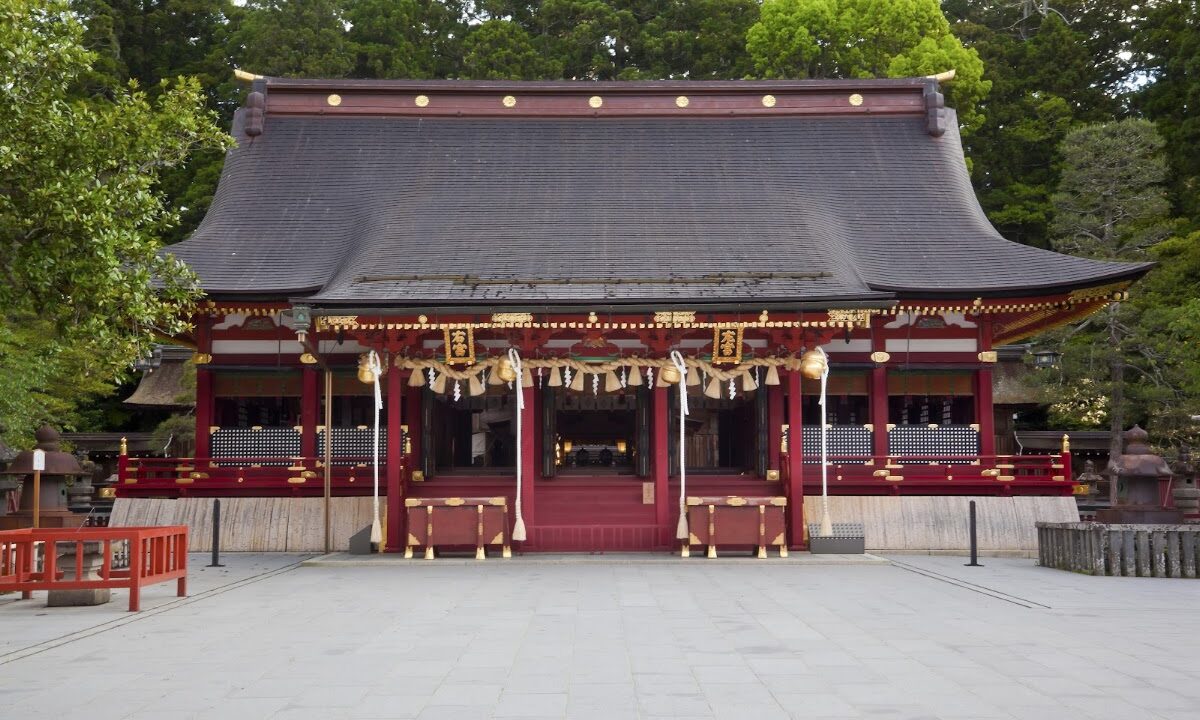
Kinsho-ji Temple (Taihaku-ku, Sendai City, Miyagi Prefecture) Complete Guide | History, Access, Goshuin (Temple Seal), and Perpetual Memorial Service Information
Kinsho-ji Temple, located in Taihaku-ku, Sendai City, Miyagi Prefecture, is a venerable temple of the Soto Zen sect with a history of approximately 450 years. Its formal name is Tomizozan Kinsho-ji, and it is also known as the first temple on the Sendai Seven Kannon Pilgrimage. This article provides a detailed and comprehensive explanation of Kinsho-ji Temple’s history, access methods, goshuin information, and memorial service options such as perpetual memorial services and tree burials.
Basic Information about Kinsho-ji Temple
Location and Contact Information
Address: 108 Uenonaka, Tomita, Taihaku-ku, Sendai City, Miyagi Prefecture
Postal Code: 982-0033
Sect: Soto Zen
Mountain Name: Tomizo-san
Principal Image: Holy Kannon Bodhisattva
Kinsho-ji Temple is located in the Tomita district of Taihaku-ku, Sendai City, and is a center of local faith, beloved by many parishioners and visitors. As a Soto Zen temple, it cherishes Zen meditation and Buddhist teachings while also offering memorial services that meet modern needs.
About the Sect: What is Soto Zen?
Soto Zen is a branch of Zen Buddhism that was introduced to Japan from China by Zen Master Dogen during the Kamakura period. It emphasizes the teaching of “Shikantaza,” which means simply sitting in meditation, as the basis of practice, and that daily life itself is practice. With approximately 14,000 temples nationwide, it is one of the most influential sects in Japanese Buddhism.
Kinsho-ji Temple, based on the teachings of the Soto Zen sect, preaches the practice of Buddhism to its parishioners and local residents, and performs ancestral memorial services and rituals.
History and Origins of Kinsho-ji Temple
Founding and First Abbot
Kinsho-ji Temple was founded in Tensho 3 (1575). The first abbot was Renzan Gin-tatsu Daiohsho, and it was initially established as a branch temple of “Kinryu-in” in Komagamine Village, Uda District, Fukushima Prefecture (present-day Soma City). Founded during the turbulent late Sengoku period, Kinsho-ji Temple developed as a spiritual center for the local people.
Changes in Relationship with the Head Temple
In the Edo period, after the head temple, Kinryu-in, was abolished, Kinsho-ji Temple became a branch temple of Sozen-ji Temple in Negishi-cho, Sendai City. This relationship continues to this day, and it holds an important position within the Soto Zen temple network.
First Temple of the Sendai Seven Kannon Pilgrimage
Kinsho-ji Temple is also known as the first temple of the Sendai Seven Kannon Pilgrimage. The Sendai Seven Kannon Pilgrimage is a sacred site of Kannon associated with the Date family, the lords of the Sendai domain, and has been a popular pilgrimage site for ordinary people since the Edo period. The principal image of Kinsho-ji Temple, the Holy Kannon Bodhisattva, has a history of receiving the wishes of many worshippers.
As the first temple, pilgrims start their pilgrimage of the Seven Kannon Pilgrimage from Kinsho-ji Temple, and by visiting each temple, they can accumulate peace of mind and merit. Even today, worshippers seeking temple stamps and those with Kannon faith visit the temple.
Features of the Temple Grounds
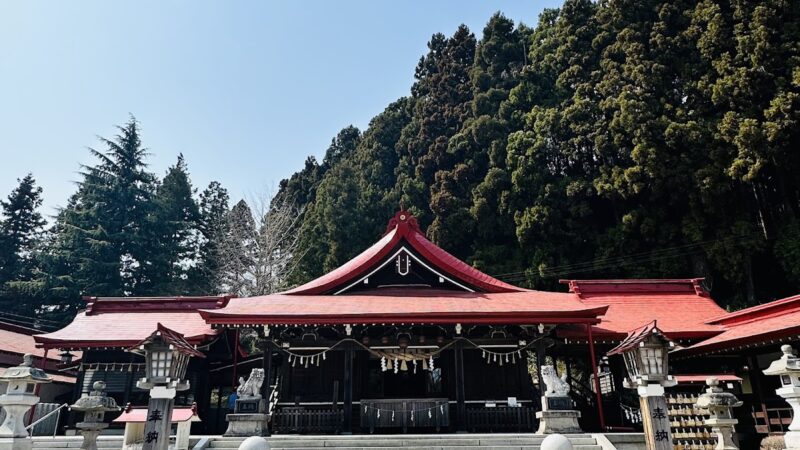
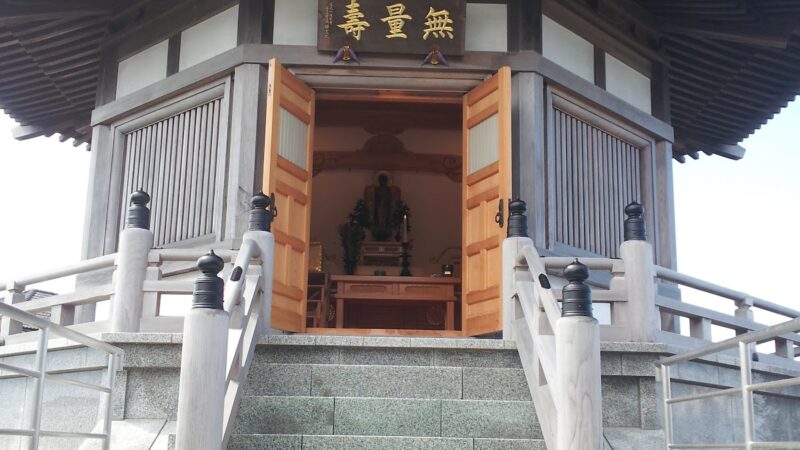
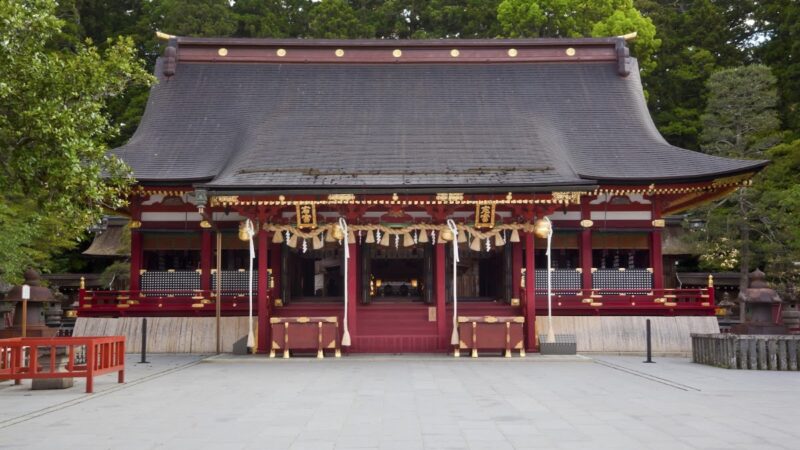
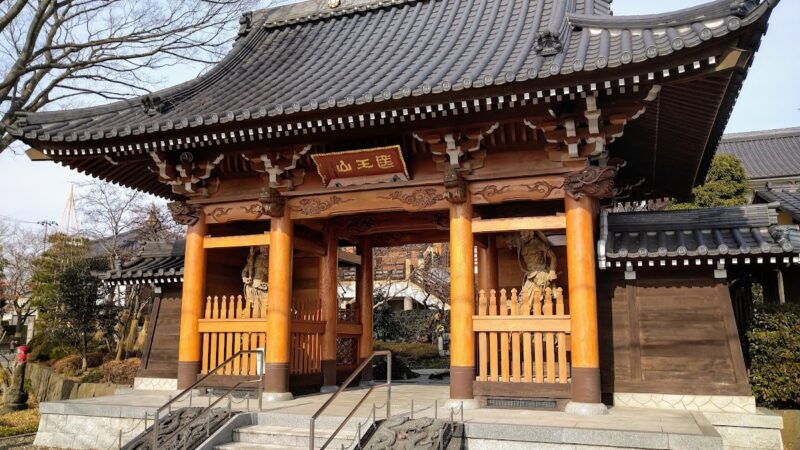
Kinsho-ji Temple’s grounds feature a magnificent main gate and main hall, and its solemn appearance captivates visitors. Located along a quiet alley south of National Route 286, it maintains a tranquil atmosphere despite being in an urban area. The temple grounds are well-maintained and include a cemetery.
Access and Directions
Access by Public Transportation
There are several ways to access Kinsho-ji Temple.
Sendai City Subway Namboku Line
- From Tomizawa Station: Approximately 5 minutes by taxi, approximately 20 minutes on foot
- From Nagamachi-Minami Station: Approximately 10 minutes by taxi
JR Line
- From Taishido Station (JR Joban Line/Tohoku Main Line): Approximately 10 minutes by taxi
Local Bus
- Immediately after alighting at the “Kinsho-ji” bus stop (Miyagi Kotsu Bus)
The nearest station is Tomizawa Station on the Sendai City Subway Namboku Line. Taking a taxi from here is the most convenient option. If using the bus, you can arrive immediately after alighting at the Kinsho-ji bus stop.
Access by Car
Route from Major Roads
- Turn south after passing Nishitaga on National Route 286
- Approximately 15 minutes from Sendai Minami Interchange
- Parking available (for visitors)
Access by car is excellent, and it takes about 20 minutes to reach the temple from the center of Sendai. There is a parking lot for visitors on the temple grounds, so visiting by car is convenient.
Map Information
Kinsho-ji Temple is located in the Tomita area of Taihaku-ku, Sendai City, surrounded by residential areas. For detailed maps and the latest access information, we recommend checking the official website or various map apps.
Goshuin (Temple Seal) Information
Features of the Goshuin
Kinsho-ji Temple offers goshuin (temple seals) to visitors. As the first temple on the Sendai Seven Kannon pilgrimage, the goshuin holds special significance for pilgrims. The temple’s seal (Goshuin) bears the inscription “Holy Kannon Bodhisattva” and the temple’s seal, and is cherished as proof of worship.
Receiving the Temple Seal
Temple seals are available at the main hall or the temple office. After your visit, bring your Goshuincho (seal book) and politely request one. The offering fee (for the seal) is generally around 300 to 500 yen.
Pilgrimage to the Seven Kannon Temples
When undertaking the Sendai Seven Kannon Pilgrimage, Kinsho-ji Temple is the first temple visited. It is believed that by preparing a special Goshuincho and visiting all seven temples, one can attain peace of mind and merit. Collecting the temple seals from each temple will be a valuable experience that brings spiritual fulfillment.
Memorial Service and Cemetery Information
General Cemetery
Kinsho-ji Temple has a traditional general cemetery where many parishioners have their graves. As a Soto Zen temple cemetery, memorial services are conducted according to the sect’s customs.
Cemetery Features
- Soto Zen Buddhist Temple Cemetery
- Well-maintained within the temple grounds
- Convenient for memorial services and Buddhist ceremonies
- Accommodates standard gravestone sizes
Perpetual Memorial Grave
In response to modern needs, Kinsho-ji Temple also offers perpetual memorial graves. Perpetual memorial services are a form of memorial service where the temple takes responsibility for providing continuous care. It is chosen by those without successors or those who do not wish to burden their descendants.
Benefits of Perpetual Memorial Services
- Peace of mind with no need for successors
- Perpetual management and care by the temple
- May be available even without becoming a temple parishioner
- Clear costs make budgeting easier
Tree Burial
Tree burial, which has gained attention in recent years, is another form of memorial service available at Kinsho-ji Temple. Based on the idea of returning to nature, tree burial is a new form of memorial service where a tree serves as a grave marker instead of a tombstone.
Characteristics of Tree Burial
- Popular with those who prefer nature
- Environmentally friendly memorial service
- May be less expensive than a typical cemetery
- Often offered as a package with perpetual memorial services
Columbarium
A columbarium is a facility where cremated remains are kept indoors, offering the advantage of being able to visit regardless of the weather. It may be possible to consult about using a columbarium at Kinsho-ji Temple.
Advantages of Columbarium
- Visiting regardless of weather
- Clean and easy to maintain
- An option when securing a cemetery plot is difficult in urban areas
- Often offered as a package with perpetual memorial services
Costs and Plot Details
For details regarding cemetery plots, perpetual memorial service costs, and plot details, individual consultation is necessary. Costs vary greatly depending on the type of memorial service, plot size, and location. We recommend contacting Kinsho-ji Temple directly or requesting information through a cemetery information website.
The following items are generally included as a guideline for costs:
- Perpetual use fee (right to use the cemetery plot)
- Gravestone cost (for general graves)
- Management fee (annual or lump sum)
- Perpetual memorial service fee (for perpetual memorial services)
- Offering at memorial services
About Memorial Services
Soto Zen Buddhist Memorial Services
Kinsho-ji Temple conducts various memorial services based on the customs of the Soto Zen sect.
Main Memorial Services
- Funeral (funeral hall is located on the temple grounds)
- First seven-day and forty-ninth-day memorial services
- Annual memorial services such as the first, third, and seventh anniversaries
- Joint memorial services during Obon and Higan
- Monthly memorial services
About Offerings
It is customary to offer an offering at memorial services. The amount of the offering varies depending on the type of service and local customs, but you can find out the appropriate amount by checking with the temple in advance. In the Soto Zen sect, offerings are considered an expression of gratitude to the monks and a form of giving (fusegyo) for the opportunity to learn and practice Buddhist teachings.
Danka System
Kinsho-ji Temple is a temple with a danka system. A danka is a family that provides financial and spiritual support to a specific temple, and the temple performs ancestral memorial services and Buddhist rites for the danka.
Benefits of being a Danka
- Priority access to burial plots
- Receiving careful and respectful service and rites
- Building a deep relationship with the temple
- Increased opportunities to learn Buddhist teachings
On the other hand, becoming a danka may require paying annual danka fees and participating in temple events. Some perpetual memorial services and tree burials may be available without becoming a danka, so it is recommended to check with the temple for details.
Visits and Consultations
On-site Visits
Kinsho-ji Temple accepts on-site visits for those considering burial plots and memorial service options. Visiting the temple grounds in person allows you to assess the atmosphere, maintenance, and accessibility.
Points to consider during your visit:
- Atmosphere and cleanliness of the temple grounds
- Maintenance of the cemetery
- Accessibility
- Surrounding environment
- Temple staff’s responsiveness and explanations
Individual Consultation
Consultations are available to address individual circumstances, such as memorial service options, costs, and plot selection. Many cemetery information websites offer free consultations, and you can request brochures or call Kinsho-ji Temple for advice.
Topics you can discuss:
- Details of perpetual memorial services, tree burials, and columbariums
- Cost estimates
- Information on religious sects and the danka system
- Grave closure and grave relocation (reburial)
- Pre-need contracts
Requesting Brochures
Several cemetery information websites allow you to request detailed brochures for Kinsho-ji Temple free of charge. These brochures include details on plots, costs, and access information, making them useful for comparison and consideration.
Grave Closure/Relocation (Reburial)
What is Grave Closure?
Grave closure refers to the removal of the current grave and relocation of the remains to another location. This is often chosen when managing a distant grave becomes difficult or when there are no successors.
Reburial at Kinsho-ji Temple
If you are considering reburial from another cemetery to Kinsho-ji Temple, the following procedures are necessary:
- Inform the current cemetery administrator of your intention to reburial.
- Obtain a reburial permit (from the city/ward/town/village office).
- Confirm whether Kinsho-ji Temple can accept the remains.
- Retrieve and transport the remains.
- Interment and memorial service at Kinsho-ji Temple.
Reburial involves costs and time, but it has the advantage of reducing the burden of future management. Kinsho-ji Temple may also accept consultations regarding reburial, so it is recommended to inquire directly for details.
Surrounding Environment and Relationship with the Community
Characteristics of the Tomita District, Taihaku Ward
Kinsho-ji Temple is located in the Tomita district of Taihaku Ward, Sendai City, a residential area in the southern part of Sendai. With the opening of the Namboku Subway Line, access to central Sendai has improved, and the area has developed into a more livable place.
Center of the Local Community
Kinsho-ji Temple has functioned as a spiritual pillar of the community for approximately 450 years. During joint memorial services in Obon and Higan, many parishioners and local residents gather, deepening community bonds while honoring their ancestors.
Cultural Assets and Tourism
As the first temple on the Sendai Seven Kannon pilgrimage, Kinsho-ji Temple is one of Miyagi Prefecture’s cultural assets. Tourists who enjoy Kannon pilgrimages and collecting temple stamps also visit, contributing to the promotion of local culture.
Soto Zen Teachings and Practice at Kinsho-ji Temple
Zen Meditation Sessions and Dharma Talks
Many Soto Zen temples hold Zen meditation sessions and Dharma talks for the general public. Kinsho-ji Temple may also be engaged in such activities, providing opportunities to engage with Buddhist teachings. A characteristic of the Soto Zen school is the practice of calming the mind through Zen meditation and incorporating Buddhist teachings into daily life.
Daily Life and Buddhist Teachings
The Soto Zen school values the concept of “gyōjūzaga,” meaning that all daily actions are considered forms of spiritual practice. Eating, cleaning, working, and all other activities are considered to be performed with sincerity and devotion.
Kinsho-ji Temple conveys these teachings to its parishioners and visitors, demonstrating how Buddhist wisdom remains relevant in modern society.
Reasons to Choose Kinsho-ji Temple
History and Tradition
Founded in 1575 (Tensho 3), it boasts a long history and a tradition as the first temple on the Sendai Seven Kannon pilgrimage route. Memorial services at this historic temple offer peace of mind to many.
Location and Access
Located within Sendai city limits, it offers a quiet environment and is easily accessible by both public transport and car. Its convenient location, approximately 5 minutes by taxi from Tomizawa Station and right next to the “Kinsho-ji” bus stop, is a major attraction.
Diverse Memorial Service Options
In addition to traditional cemeteries, we offer a variety of memorial service options to meet modern needs, including perpetual memorial graves, tree burials, and columbariums. This provides flexibility to choose according to your lifestyle and values.
Soto Zen Teachings and Practice
As a Soto Zen temple, we conduct respectful memorial services and rituals based on Buddhist teachings. Opportunities to experience Buddhist teachings are also provided through Zen meditation and Dharma talks.
Deep Ties with the Community
With approximately 450 years of experience rooted in the community, we have strong ties with the local community. Being a trusted local temple provides peace of mind when entrusting memorial services to us.
Summary
Kinsho-ji Temple (Taihaku-ku, Sendai City, Miyagi Prefecture) is a Soto Zen Buddhist temple founded in 1575 (Tensho 3). It is a historic temple with a history of approximately 450 years, serving as the first of the seven Kannon temples of Sendai. Its formal name is Tomizozan Kinsho-ji, and its principal image is the Holy Kannon Bodhisattva.
Location and Access: It boasts convenient access, being approximately a 5-minute taxi ride from Tomizawa Station on the Sendai City Subway Namboku Line, and immediately accessible from the “Kinsho-ji” bus stop on the Miyagi Kotsu bus line. It is also easily accessible from National Route 286, and has ample parking.
Memorial Service Options: The temple offers a variety of options to meet modern needs, including general burial plots, perpetual memorial graves, tree burials, and columbariums. While it is a temple with a danka (parishioner) system, some memorial service options, such as perpetual memorial services, may be available to non-danka members.
The temple’s official seal (Goshuin) is given out at the first stop on the Sendai Seven Kannon Pilgrimage and is popular with visitors and pilgrims alike. The magnificent temple gate and main hall leave a deep impression on those who visit.
Kinsho-ji Temple is a temple that preserves history and tradition while also being flexible enough to meet modern needs. Those considering graves or memorial services are advised to first visit the temple or request brochures to obtain detailed information. Kinsho-ji Temple’s greatest appeal lies in its respectful memorial services based on the teachings of the Soto Zen sect and its warm, community-oriented approach.