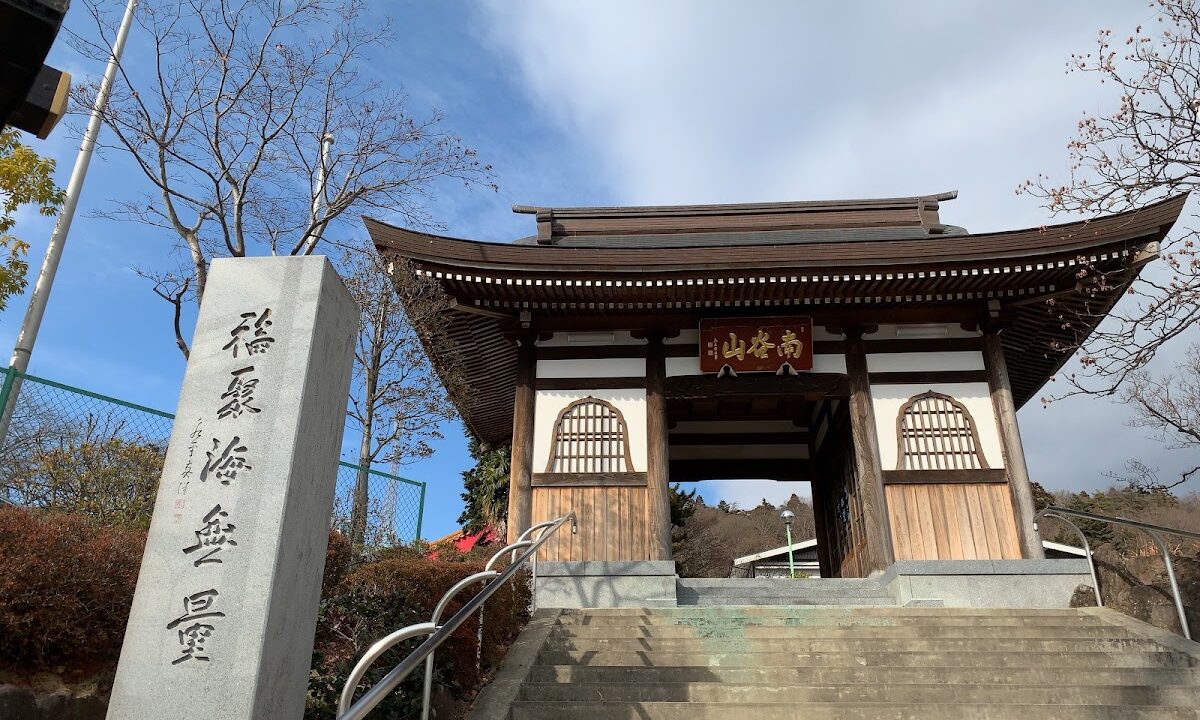
Fukujuin Temple (Sendai City, Miyagi Prefecture) Complete Guide | History, Goshuin (Temple Seal), and Seven Lucky Gods Pilgrimage Information
Fukujuin Temple, located in Taihaku Ward, Sendai City, Miyagi Prefecture, is an ancient Soto Zen temple founded in 1496. It enshrines Hotei, one of the Seven Lucky Gods of Oshu Sendai, and has been affectionately known as “Ana Yakushi-sama” by the local people. This article comprehensively covers everything visitors want to know, from the history of Fukujuin Temple to its highlights and access information.
Table of Contents
- Basic Information about Fukujuin Temple
- History and Origin of Fukujuin Temple
- Highlights of the Temple Grounds
- About the Oshu Sendai Seven Lucky Gods Pilgrimage and Hotei
- Goshuin (Temple Seal) Information
- Access and Parking Information
- Nearby Tourist Spots
- Precautions When Visiting
- Summary
Basic Information about Fukujuin Temple
Official Name: Nankokusan Fukujuin
Sect: Soto Zen
Principal Image: Holy Kannon Bodhisattva
Founding: Meio 5 (1496)
Founder: Toya Bundai Osho, 3rd Abbot of Seiryuzan Sozenji Temple in Negishi-cho
Location: 8-22 Monzen-cho, Taihaku-ku, Sendai City, Miyagi Prefecture
Pilgrimage Site:
- Oshu Sendai Seven Lucky Gods, No. 6 (Hotei)
- Michinoku Pilgrimage, Miyagi Prefecture, No. 25
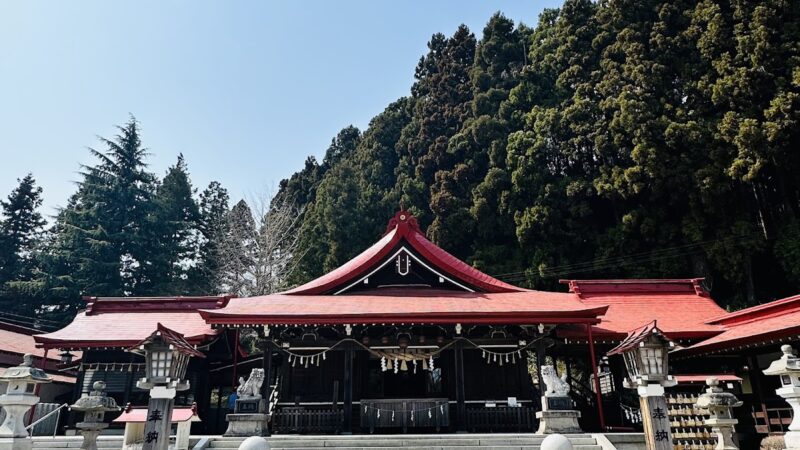
Fukujuin Temple is located in a residential area of Taihaku Ward, Sendai City, and is conveniently located within walking distance of Nagamachi-Itchome Station on the Sendai Subway Namboku Line, yet it maintains a tranquil atmosphere. The temple grounds feature buildings in the style of the Ming Dynasty of China, creating a unique landscape that evokes an exotic atmosphere.
History and Origin of Fukujuin Temple
From Founding to the Edo Period
Fukujuin Temple was founded in 1496 (Meio 5), during the late Muromachi period, by the third abbot of Seiryuzan Sozenji Temple in Negishi-cho, Abbot Toya Bundai. As a venerable temple with a history of over 530 years since its founding, it has been a central figure in local faith.
The Soto Zen sect is a branch of Zen Buddhism introduced to Japan by Zen Master Dogen during the Kamakura period, and emphasizes the practice of “Shikantaza,” or simply sitting meditation. Fukujuin Temple has inherited this tradition and has functioned as a spiritual pillar for the local people for many years.
Development since the Modern Era
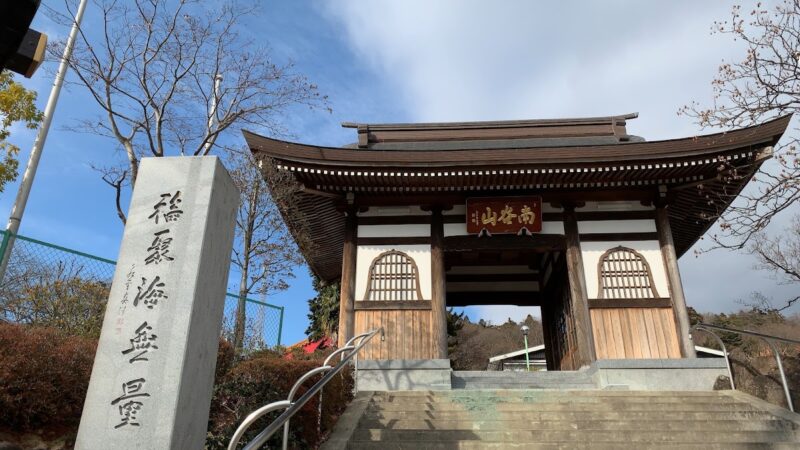
In 1995, to commemorate the 500th anniversary of its founding, the temple gate and approach were renovated. This large-scale renovation of the temple grounds created the current solemn atmosphere. It was also designated as one of the “100 New Tourist Attractions of Miyagi Prefecture,” and has come to be recognized as an important cultural and tourist resource of Sendai City.
Even today, Fukujuin Temple continues to welcome many worshippers as one of the seven lucky gods pilgrimage sites of Oshu Sendai, and continues to play a central role in the local community.
Highlights of the Temple Grounds
Main Hall and the Holy Kannon Bodhisattva
The principal image of Fukujuin Temple is the Holy Kannon Bodhisattva. Kannon Bodhisattva is a symbol of compassion and is believed to relieve the suffering of all people. In the main hall, you can quietly put your hands together and pray with a calm heart.
Hotei (One of the Seven Lucky Gods of Oshu Sendai)
The most distinctive feature of Fukujuin Temple is that it enshrines Hotei, one of the Seven Lucky Gods of Oshu Sendai. Hotei is known for his humorous appearance, carrying a large cloth bag on his back and having a protruding belly.
Hotei is worshipped as the “God of Harmony,” and is especially believed to bring the following blessings:
- Family Harmony and Marital Harmony
- Childbearing and Child-rearing
- Laughter Brings Good Fortune
- Business Prosperity
The belief in “marital harmony and being blessed with children” is particularly strong, and many worshippers visit to pray for the happiness of their families.
Rurikōden and Ana Yakushi Nyorai
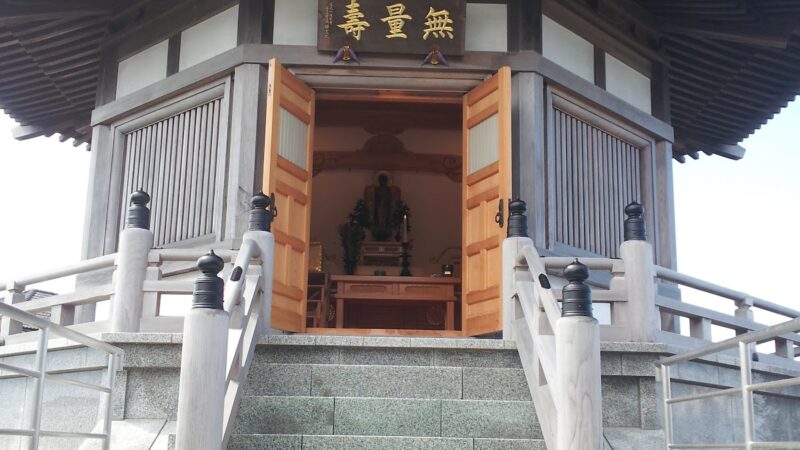
Within the temple grounds is the Rurikōden, where Yakushi Nyorai is enshrined. The Yakushi Nyorai enshrined here is revered by the local people as “Ana Yakushi-sama,” and worshippers constantly visit to pray for recovery from illness and longevity. Yakushi Nyorai (Medicine Buddha) is the principal deity of the Eastern Pure Land of Lapis Lazuli, and has been worshipped since ancient times as a Buddha who heals people’s illnesses and protects their health. The Yakushi Nyorai at Fukujuin Temple is considered particularly miraculous and attracts the faith of many people.
Chinese Ming Dynasty Style Bell Tower
One of the most striking features of Fukujuin Temple’s grounds is the bell tower, built in the style of the Chinese Ming Dynasty. It exudes an exotic atmosphere, different from traditional Japanese temple architecture.
This bell tower, with its continental architectural style, is an important element in forming the unique landscape of Fukujuin Temple. When visiting, be sure to observe the differences in architectural style.
Temple Gate and Approach
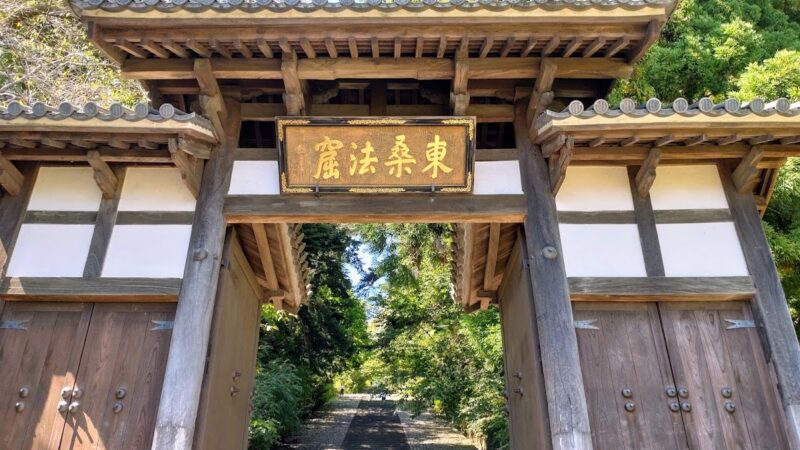
The temple gate and approach, renovated as part of the 500th anniversary celebration in 1995, welcome visitors with a solemn atmosphere. Walking along the well-maintained approach allows you to escape the hustle and bustle of everyday life and purify your mind.
About Hotei, the Seven Lucky Gods of Oshu Sendai Pilgrimage
What are the Seven Lucky Gods of Oshu Sendai?
The Seven Lucky Gods of Oshu Sendai pilgrimage is a sacred site pilgrimage visiting seven temples and shrines in Sendai City. The Seven Lucky Gods are seven deities who bring good fortune, each offering different blessings:
- Ebisu (Business prosperity, protection of fisheries)
- Daikokuten (Abundant harvest, wealth)
- Bishamonten (Long-lasting military fortune, protection from evil)
- Benzaiten (Arts, learning, wealth)
- Fukurokuju (Longevity, good fortune)
- Jurōjin (Longevity, happiness)
- Hotei (Harmony, fertility)
Fukujuin Temple is the 6th temple on the pilgrimage and enshrines Hotei.
How to Visit the Seven Lucky Gods
The Oshu Sendai Seven Lucky Gods pilgrimage typically involves visiting each temple and shrine and collecting a Goshuin (temple/shrine stamp). While it’s possible to visit all of them in one day, many people choose to take their time, savoring the atmosphere of each temple and shrine over several days.
Fujisaki Department Store in Sendai City regularly holds an event called the “Oshu Sendai Seven Lucky Gods Pop-Up Exhibition,” offering an opportunity to collect Goshuin from multiple temples and shrines at once.
The Faith of Hotei
Hotei is believed to be modeled after the Zen monk Keishi, who lived in China from the late Tang Dynasty to the Five Dynasties period. Legend says he always wore a smile and carried a large bag, giving alms to people, making him a symbol of “good fortune comes through laughter” and “harmony.”
The Hotei at Fukujuin Temple is particularly known for its blessings of marital harmony and fertility, attracting many couples about to get married and those hoping for children.
Goshuin (Temple Seal) Information
Types of Goshuin
At Fukujuin Temple, you can receive the following goshuin:
- Standard Goshuin (Principal Image: Holy Kannon Bodhisattva)
- Goshuin of the Seven Lucky Gods of Oshu Sendai (Hotei)
- Goshuin of the Michinoku Pilgrimage
Goshuin are popular among many visitors as proof of their visit and as a memento of their journey.
Etiquette for Receiving a Goshuin (Temple/Shrine Seal)
When receiving a Goshuin, please observe the following etiquette:
- Always pray before receiving the Goshuin
- Prepare your Goshuincho (stamp book) (pre-printed stamps may be available)
- Prepare the Goshuin fee (generally 300-500 yen)
- Use polite language when making your request
- Wait quietly while the Goshuin is being written
A Goshuin is not a stamp rally; it is proof of a connection with Buddha or Shinto deities. Receive it with reverence.
Goshuin Reception Hours
Goshuin reception hours vary by temple, but generally, they are from 9:00 AM to 5:00 PM. However, they may not be able to accommodate requests during memorial services or events, so it is recommended to contact them in advance if you want to be sure to receive a Goshuin.
Access and Parking Information
Access by Public Transportation
By Subway:
- Get off at Nagamachi-Itchome Station on the Sendai City Subway Namboku Line, approximately 10 minutes on foot.
By Bus:
- Get off at the Yamazakura High School bus stop (Sendai City Bus or Miyagi Kotsu Bus), approximately 2 minutes on foot.
The Yamazakura High School bus stop is the closest and most convenient. It takes approximately 20 minutes by bus from Sendai Station.
Access by Car
By Expressway:
- Approximately 10 minutes from Sendai Minami IC on the Tohoku Expressway
- Approximately 5 minutes from Nagamachi IC on the Sendai Southern Expressway
From Central Sendai:
- Approximately 15 minutes via National Route 286
Parking Information
Fukujuin Temple has parking spaces for visitors. However, it may be full during peak seasons such as the Seven Lucky Gods pilgrimage or New Year’s, so please consider using public transportation.
When using the parking lot, please park in the designated area and be considerate of nearby residents, keeping engine noise down.
Location Details
Address: 8-22 Monzen-cho, Taihaku-ku, Sendai City, Miyagi Prefecture 982-0841
Phone Number: We recommend contacting the temple in advance.
Nearby Tourist Attractions
When visiting Fukujuin Temple, exploring the surrounding tourist attractions will allow you to experience the charm of Sendai more deeply.
Other Oshu Sendai Seven Lucky Gods Pilgrimage Sites
If you enjoy the Seven Lucky Gods pilgrimage, consider visiting the other sites as well. By visiting the seven temples and shrines scattered throughout Sendai City, you can feel the unique character and history of each.
Nagamachi Area
The area around Nagamachi-Itchome Station, the nearest station to Fukujuin Temple, is well-equipped with shopping facilities and restaurants. It’s a convenient area for meals and shopping after your visit.
Central Sendai
Around Sendai Station, there are many of Sendai’s representative tourist spots, including Aoba Castle Ruins (Sendai Castle Site), Zuihoden Mausoleum, and Osaki Hachimangu Shrine. Visiting these in conjunction with Fukujuin Temple allows you to experience Sendai’s history and culture comprehensively.
Akiu Onsen
Located about 30 minutes by car from Fukujuin Temple, Akiu Onsen is a hot spring resort known as Sendai’s inner sanctuary. A trip combining temple visits and hot springs is also popular.
Precautions When Visiting a Temple
Attire and Manners
When visiting a temple, please note the following:
- Wear clean clothing (avoid excessive exposure)
- Worship quietly (refrain from loud conversations)
- Take photographs only in designated areas
- Smoking is prohibited on the temple grounds
- Bringing pets requires prior confirmation
Etiquette for Worship
Basic etiquette for worshipping at a Buddhist temple:
- Bow at the main gate before entering the grounds
- Cleanse your hands and mouth at the water basin (if available)
- Clasp your hands together in prayer in front of the main hall and pray quietly
- Place your offering quietly (do not throw)
- Bow at the main gate when leaving
Visiting Hours
General visiting hours are during the day (around 9:00 to 17:00), but these vary depending on the temple. If you particularly wish to receive a Goshuin (temple stamp), it is recommended to visit earlier in the day.
Events and Ceremonies
Temples regularly hold memorial services and ceremonies. General visits may be restricted during these times, so it is recommended to check in advance if you have an important appointment.
Annual Events at Fukujuin Temple
New Year (Hatsumode)
Many visitors come for Hatsumode (first shrine visit of the year) in the new year. Many also participate in the Seven Lucky Gods pilgrimage, making this a particularly busy time.
Seven Lucky Gods Pilgrimage Season
From January to around February is the season for the Seven Lucky Gods pilgrimage, attracting many visitors. Special Goshuin stamps may be available during this period.
Other Events
As a Soto Zen temple, Buddhist ceremonies such as the spring and autumn equinox ceremonies and the Obon (Buddhist festival) Segaki (feeding of hungry ghosts) ceremony are held. The temple has strong ties with local residents and participates in local cultural events.
Fukujuin Temple and the Local Community
Fukujuin Temple is not merely a tourist attraction; it functions as a central hub for the local community. Through its danka (parishioner) system, it maintains deep ties with local residents and plays a vital role as a venue for funerals, memorial services, and ancestral worship.
Furthermore, its selection as one of the “Miyagi’s Top 100 New Tourist Attractions” has led to its recognition as a cultural and tourist resource of Sendai City, contributing to regional development.
Related Topics
To deepen your understanding of Fukujuin Temple, please also refer to the following related topics:
- Soto Zen Buddhism: The Buddhist sect to which Fukujuin Temple belongs
- Seven Lucky Gods Belief: A unique Japanese folk belief
- Kannon Belief: Belief in the principal image, the Holy Kannon Bodhisattva
- Yakushi Belief: Belief in Anayakushi-sama (the Yakushi Buddha in the cave)
- History of Sendai City: The history of Date Masamune and the Sendai Domain
- Buddhist Culture of the Tohoku Region: Forms of Buddhist belief unique to the Tohoku region
Summary
Fukujuin Temple is an ancient Soto Zen temple with a history of over 530 years, founded in 1496 (Meio 5). It enshrines Hotei, one of the Seven Lucky Gods of Oshu Sendai, and is known for its blessings of harmony and fertility. It also enshrines Yakushi Nyorai, affectionately known as Anayakushi-sama, and attracts many visitors praying for recovery from illness.
The temple grounds feature unique architecture, including a bell tower and Rurikōden (Lapis Lazuli Hall) in the style of the Chinese Ming Dynasty. In 1995, the main gate and approach were renovated to commemorate the 500th anniversary of its founding. It has also been selected as one of “Miyagi’s 100 New Tourist Attractions,” making it an important cultural and tourist resource for Sendai City.
Access is convenient, approximately a 10-minute walk from Nagamachi-Itchome Station on the Sendai Subway Namboku Line. It’s also a popular stop on the Seven Lucky Gods pilgrimage. Multiple types of Goshuin (temple stamps) are available, making them a memorable memento of your visit.
When visiting Sendai, be sure to visit Fukujuin Temple, where history and faith thrive. You can find peace of mind in the tranquil grounds, be soothed by the smile of Hotei (the god of happiness and good fortune), and spend time praying for a fulfilling life.
Footnote
The information in this article is current as of 2024. Visiting hours, Goshuin availability, and event schedules may change, so please check the latest information before visiting.
For detailed information about Fukujuin Temple and the latest event schedule, please contact the temple directly or check official sources. Information about the Seven Lucky Gods pilgrimage can also be obtained from the Sendai City Tourism Association and each of the pilgrimage sites.