Complete Guide to Yagyu-ji Temple (Taihaku-ku, Sendai City, Miyagi Prefecture) | History, Access, and Goshuin Information
Located in the Yagyu district of Taihaku-ku, Sendai City, Miyagi Prefecture, Yagyu-ji Temple is a Soto Zen Buddhist temple founded in 1587. Deeply intertwined with local history, the temple is also known for its monument honoring individuals who contributed to the development of Yagyu washi (Japanese paper). This article provides detailed information about Yagyu-ji Temple, including its history, cultural value, visiting information, and access methods—everything you need to know before visiting.
Basic Information about Yagyu-ji Temple
Yagyu-ji Temple is a Soto Zen Buddhist temple located in the Yagyu district of Taihaku-ku, in southern Sendai City. It has a long history as a center of faith for local residents.
Temple Name: Yagyuji Temple
Sect: Soto Zen
Location: 78 Kita, Yagyuji, Taihaku-ku, Sendai City, Miyagi Prefecture 981-1106
Phone Number: 022-241-2794
Founded: 1587 (Tensho 15)
The Soto Zen sect is a branch of Zen Buddhism that was introduced to Japan from China (Song Dynasty) by Zen Master Dogen during the Kamakura period. Its head temples are Eiheiji Temple in Fukui Prefecture and Sojiji Temple in Kanagawa Prefecture. It is characterized by its emphasis on seated meditation (“Shikantaza”) and has many temples throughout Japan.
History and Origins of Yagyuji Temple
Founded in the Tensho Era
Yagyuji Temple was founded in 1587 (Tensho 15). This period coincided with the Azuchi-Momoyama era, when Toyotomi Hideyoshi was unifying Japan, and Date Masamune was expanding his power in the Tohoku region. Yagyu-ji Temple, founded before the establishment of the Sendai Domain (1600), played a crucial role as a center of Buddhist culture in the region.
Deep Connection to Yagyu Washi Paper
Within the grounds of Yagyu-ji Temple stands a monument commemorating Konishi Rihei, who dedicated himself to improving Yagyu washi paper. The Yagyu area has been known as a washi paper production center since the Edo period, and Konishi Rihei made significant contributions to improving the quality and popularizing Yagyu washi paper.
Yagyu washi paper was produced utilizing the high-quality water of the Natori River system and the rich natural environment, and it developed as an important industry for the Sendai Domain. The presence of a monument commemorating Konishi Rihei’s achievements at Yagyu-ji Temple demonstrates the close ties between the temple and the local industry and culture.
As the Center of the Local Community
From the Edo period to the present day, Yagyu-ji Temple has served as a spiritual pillar of the Yagyu district, maintaining deep ties with local residents through funerals, memorial services, and annual events. Located in the rural area of southern Taihaku Ward, the temple has served not merely as a religious institution but as a crucial point of community connection.
About the Soto Zen School | About the Sect of Yagyu-ji Temple
Understanding the Soto Zen school to which Yagyu-ji Temple belongs provides a deeper understanding of the temple’s teachings and practices.
The Establishment and Teachings of the Soto Zen School
The Soto Zen school is a branch of Zen Buddhism spread by Zen Master Dogen after his return from China in 1227 during the Kamakura period. Through works such as “Shobogenzo,” Zen Master Dogen expounded the philosophy of “Shusho Itto” (the unity of practice and enlightenment), which holds that zazen itself is enlightenment.
The characteristics of the Soto Zen school are as follows:
- Shikan Taza: Emphasis on simply and wholeheartedly practicing Zen meditation
- Shinjin Datsuraku: Releasing attachments to mind and body through Zen meditation
- Shusho Itto: Practice and enlightenment are not separate things; practice itself is enlightenment
Head Temples and Temple Organization
The Soto Zen school has two head temples:
- Eihei-ji (Fukui Prefecture): The fundamental training center founded by Zen Master Dogen
- Soji-ji (Kanagawa Prefecture): The ancestral temple founded by Zen Master Keizan
With over 14,000 temples nationwide, the Soto Zen school is one of the largest Buddhist sects in Japan. Yagyu-ji Temple is also a part of this vast temple network, spreading the teachings of the Soto Zen school in the region.
How to Access Yagyu-ji Temple
Yagyu-ji Temple is located in the southern part of Sendai City and is accessible by both public transport and car.
Access by Train
From Minami-Sendai Station on the JR Tohoku Main Line/Joban Line
- Approximately 18-19 minutes on foot (approx. 1.5 km)
- Head east from the station, via Prefectural Road 258
From Tomizawa Station on the Sendai City Subway Namboku Line
- Approximately 18 minutes on foot (approx. 1.4 km)
- Head southeast from the station, through the residential area to the Yagyu district
Both Minami-Sendai Station and Tomizawa Station are roughly the same distance away and within walking distance. Depending on the weather and your physical condition, you can also take a taxi from the nearest station.
Access by Bus
Sendai City Buses and Miyagi Kotsu Buses operate routes around the Yagyu district. It may be possible to access the temple within a few minutes’ walk from the nearest bus stop. Please check the official websites of the Sendai City Transportation Bureau or Miyagi Kotsu for the latest bus route information. ### Access by Car
From central Sendai
- Approximately 20-30 minutes via National Route 286 or Prefectural Route 258
- Approximately 10 minutes from the Yamada Interchange on the Sendai Southern Expressway
Parking
- There may be parking spaces for visitors on the temple grounds, but please contact the temple in advance for details (Tel: 022-241-2794)
Landmarks in the Surrounding Area
Yagyu-ji Temple is located in an area of the Yagyu district where residential and agricultural land are mixed. Yagyu Elementary School and Yagyu Junior High School are nearby, making it a familiar place for local residents.
Yagyu-ji Temple Grounds and Highlights
Monument to Konishi Rihei
The most noteworthy cultural asset on the temple grounds is the monument commemorating Konishi Rihei, who dedicated himself to improving Yagyu washi (Japanese paper). This stone monument is a valuable historical site that conveys the region’s industrial history and tells the story of the prosperity of washi culture in the Yagyu district.
Yagyu Washi is known as a strong, high-quality Japanese paper made from mulberry (kozo) fibers, and was used as the official paper of the Sendai Domain during the Edo period. Konishi Rihei dedicated himself to improving the manufacturing process and enhancing the quality, significantly contributing to the reputation of Yagyu Washi.
Atmosphere of the Main Hall and Temple Grounds
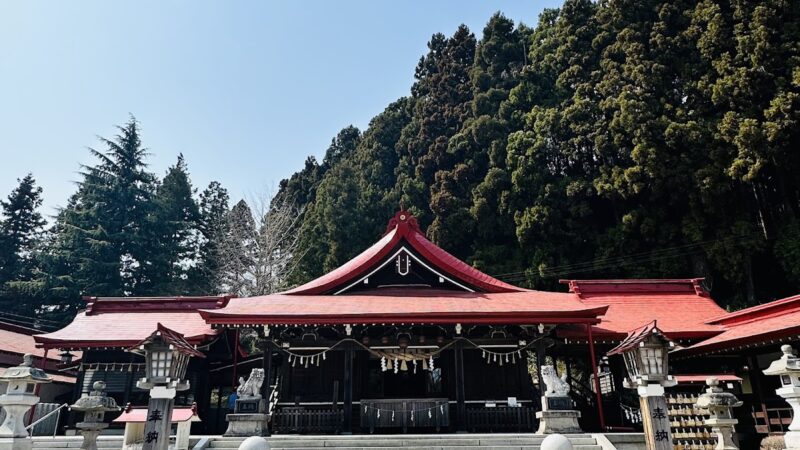
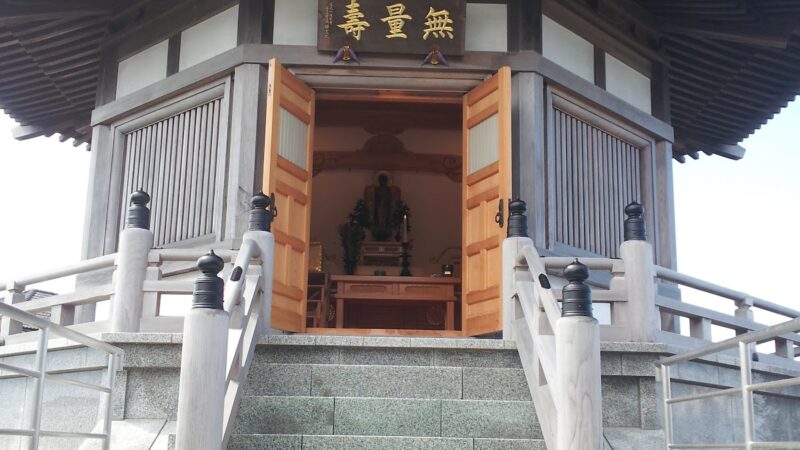
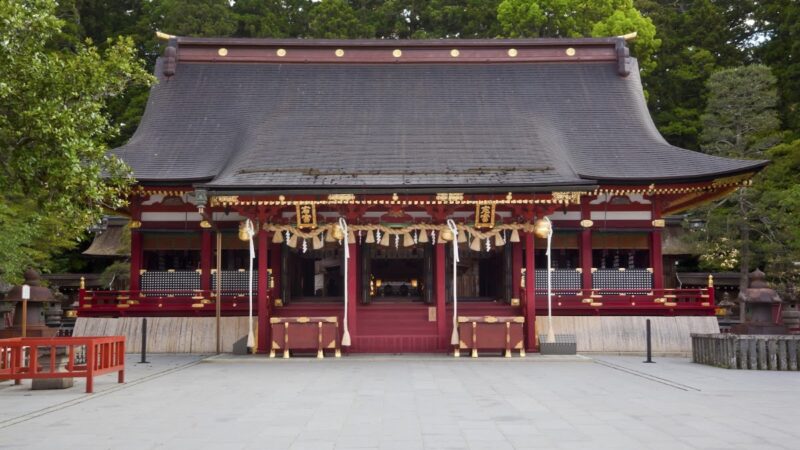
The main hall, with its tranquil atmosphere typical of a Soto Zen temple, is where daily services and religious ceremonies are held. The temple grounds are enveloped in a peaceful atmosphere, offering a serene space away from the hustle and bustle of the city.
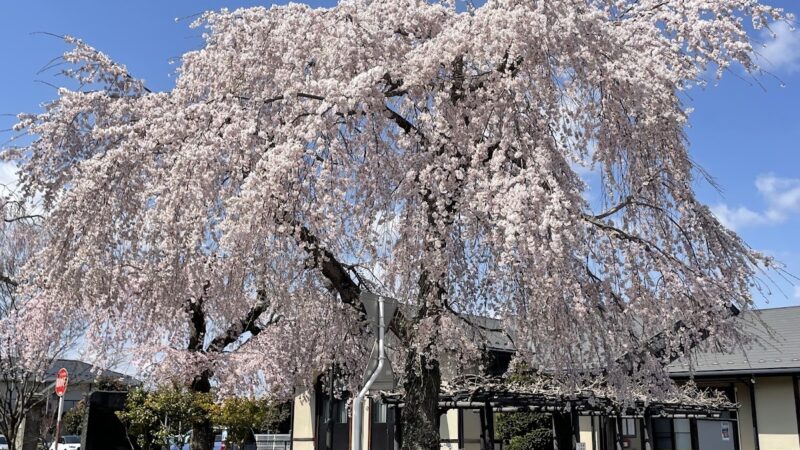
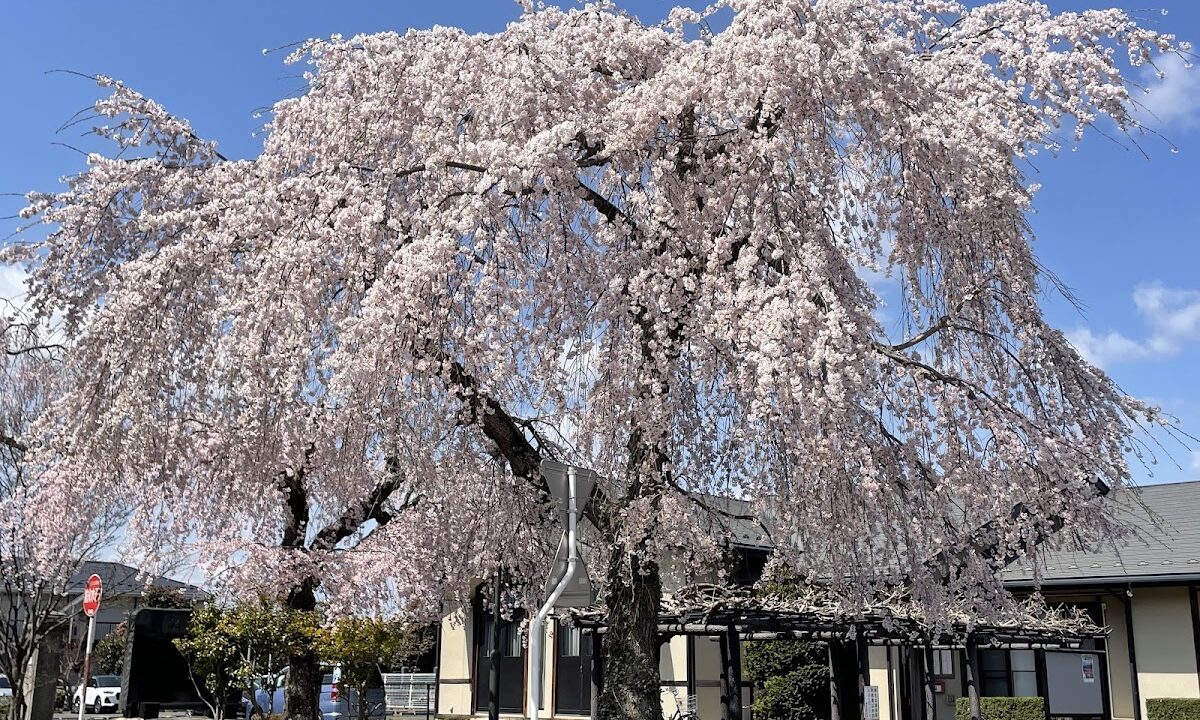
The natural beauty of the temple grounds changes with the seasons, allowing visitors to enjoy the beauty of each season: cherry blossoms in spring, lush greenery in summer, autumn leaves in fall, and snowscapes in winter.
About Goshuin (Temple Seals)
Yagyu-ji Temple offers Goshuin to visitors. In recent years, electronic Goshuin have also become available, providing a service that meets modern needs alongside the traditional paper Goshuin.
Reception for Goshuin (Temple Stamps)
- Reception Hours: Usually 9:00 AM to 5:00 PM (may vary depending on the season and temple events)
- Offering Fee: Generally around 300-500 yen (please inquire in advance)
- Electronic Goshuin: May be available
When receiving a Goshuin, please complete your prayers at the main hall first, then speak to the priests at the temple’s living quarters (kuri) or reception. Bringing your Goshuincho (stamp book) is recommended.
Significance of Goshuin
Goshuin are not merely commemorative stamps, but sacred items bestowed as proof of visiting a temple or shrine. It is important to carefully preserve them as a record of your visit and respect them as proof of your faith.
Annual Events and Memorial Services
Yagyu-ji Temple holds annual events and memorial services in accordance with the traditions of the Soto Zen sect.
Main Annual Events
- Shushōe: January 1st-3rd, a Buddhist service praying for peace in the new year
- Spring Equinox: One week centered around the spring equinox in March
- Hanamatsuri (Buddha’s Birthday): April 8th, a Buddhist service celebrating the birth of Buddha
- Obon Memorial Service: August 13th-16th, a memorial service for ancestors
- Autumn Equinox: One week centered around the autumn equinox in September
- Kaisanki: A memorial service commemorating the founding of the temple (please inquire with the temple for dates)
- Jōdōe: December 8th, a memorial service commemorating the enlightenment of Buddha
These events are attended by temple parishioners and local residents who offer prayers together. Some events are open to the general public; please contact the temple directly for details.
Funeral and Memorial Service Consultations
Yagyu-ji Temple handles all aspects of Buddhist services for its parishioners, including funerals, memorial services, and perpetual memorial services.
Services Available
- Funeral/Memorial Service: Funerals can be held at the temple’s funeral hall.
- Memorial Services: First seven days, forty-ninth day, first anniversary, third anniversary, seventh anniversary, etc.
- Perpetual Memorial Service: Memorial services for those without successors.
- Cemetery/Interment: Use of the temple’s cemetery (availability must be confirmed).
- Memorial Service for Stillborn Children: Memorial services for stillborn children.
How to Consult
We recommend contacting us by phone in advance for funeral and memorial service consultations.
Phone Number: 022-241-2794
We conduct respectful memorial services in accordance with the rituals of the Soto Zen sect, and the head priest will provide compassionate consultations. Consultations from non-parishioners may also be accepted, so please inquire first.
History and Culture of the Yagyu District
The Yagyu district, where Yagyu-ji Temple is located, is a historical area in the southern part of Sendai City.
Origin of the Name Yagyu
There are several theories about the origin of the name Yagyu, but one theory suggests it was named after the many willow trees that grew there. Another theory suggests a connection to the Yagyu clan, a samurai family, but no definitive records remain.
The Tradition of Yagyu Washi Paper
As mentioned above, the Yagyu district has been known as a washi (Japanese paper) production area since the Edo period. The pure water of the Natori River system and the climate suitable for cultivating the mulberry tree (kozo), the raw material, enabled the production of high-quality washi paper.
Yagyu washi paper was used for various purposes such as shoji screens, calligraphy paper, and official documents, and flourished as an important industry of the Sendai Domain. Although the washi paper industry has declined today, the Konishi Rihei Memorial Monument at Yagyu-ji Temple preserves its history.
Harmony between Agriculture and Residential Areas
The current Yagyu district is an area where traditional agricultural land and new residential areas coexist. Due to its convenient access to central Sendai, residential development has progressed in recent years, but the rural landscape remains, maintaining an environment where urban life and nature are in harmony.
Nearby Tourist Attractions
Here are some nearby attractions you might want to visit when you come to Yagyu-ji Temple.
Akiu Onsen
Akiu Onsen, located about 20 minutes by car from Yagyu-ji Temple, is one of Tohoku’s leading hot spring resorts, known as “Sendai’s inner sanctuary.” Inns and hotels line the Natori River, and day trips for bathing are also available.
Sendai Jomon Forest Plaza
This is an experiential facility utilizing Jomon period ruins located in the Yamada district of Taihaku Ward. You can learn about ancient life and experience activities such as fire-making and pottery making. It’s about 15 minutes by car from Yagyu-ji Temple.
Underground Forest Museum
This museum, located in Nagamachi Minami, Taihaku Ward, preserves and displays Paleolithic ruins. You can see the remains of a forest from approximately 20,000 years ago and traces of human activity up close. It’s easily accessible, just a 5-minute walk from Tomizawa Station.
Mount Taihaku
Mount Taihaku (elevation 321m), a symbol of Taihaku Ward, is a popular mountain among residents for its easy accessibility. From the summit, you can see the city of Sendai and the Pacific Ocean, making it ideal for hiking.
Manners and Precautions When Visiting a Temple
When visiting a temple, please observe the following manners.
Basic Manners for Visiting a Temple
- Bow at the Temple Gate: Bow before entering the temple grounds.
- Be Quiet: Walk quietly within the temple grounds and refrain from loud conversations.
- Worship at the Main Hall: Join your hands in prayer and bow or bow once in front of the main hall (in the Soto Zen sect, it is customary to join hands in prayer and bow).
- Photography: Photography inside the main hall and of Buddha statues is generally prohibited. Please refrain from taking photos within the temple grounds.
- Offering: If there is an offering box, please offer an amount of your choosing.
Regarding Attire
There are no specific dress code requirements, but please dress in clean and modest attire appropriate for a sacred place like a temple. For memorial services, mourning attire or semi-formal attire is appropriate.
When and Where to Visit
- Visiting Hours: Generally, daytime (around 9:00 AM to 5:00 PM) is preferable.
- Memorial Service Period: The temple may be crowded during the O-Higan and Obon periods.
- Winter: Miyagi Prefecture is a region with snowfall, so please be careful of your footing when visiting in winter.
It is recommended to call in advance to confirm visiting hours and event schedules.
Frequently Asked Questions about Yagyu-ji Temple
Is there parking available?
There may be parking spaces for visitors within the temple grounds, but please contact the temple in advance regarding the number of spaces and available hours (Tel: 022-241-2794). The temple may be crowded during memorial services.
Can I get a Goshuin (temple stamp)?
Yes, Yagyu-ji Temple offers Goshuin. Please speak to a staff member after visiting the main hall during reception hours. Electronic Goshuin may also be available.
Can I request a memorial service even if I’m not a temple parishioner?
This varies depending on the temple, so please call first to inquire. As a Soto Zen temple, some may be willing to discuss services regardless of sect.
Is it okay to just visit?
While temples are places of worship, general visits and tours are possible. However, there are times when services are held or the temple is closed to the public, so it is recommended to check in advance.
How do I get there from the nearest station?
It’s about an 18-19 minute walk from JR Minami-Sendai Station or Sendai City Subway Tomizawa Station. A taxi will get you there in about 5 minutes.
Summary | The Charm of Yagyu-ji Temple
Located in Taihaku-ku, Sendai City, Miyagi Prefecture, Yagyu-ji Temple is an ancient Soto Zen temple that has supported local faith for over 400 years since its founding in 1587. As evidenced by the monument commemorating Konishi Rihei, who contributed to the development of Yagyu washi (Japanese paper), this temple is deeply intertwined with the history and culture of the region.
Situated in a quiet residential area in southern Sendai, Yagyu-ji Temple offers a peaceful retreat from the hustle and bustle of the city. Through Zen meditation and Buddhist services based on the teachings of the Soto Zen sect, one can escape the busyness of daily life and find time for self-reflection.
Its convenient location, within walking distance of Minami-Sendai Station and Tomizawa Station, is another attractive feature. When sightseeing in Sendai, or to learn about local history, why not visit Yagyu-ji Temple? In its tranquil grounds, you can feel the weight of history and the richness of local culture.
When visiting, we recommend checking the opening hours and event schedule by phone in advance (022-241-2794). We hope that Yagyu-ji Temple will be a place of peace and historical exploration for everyone.