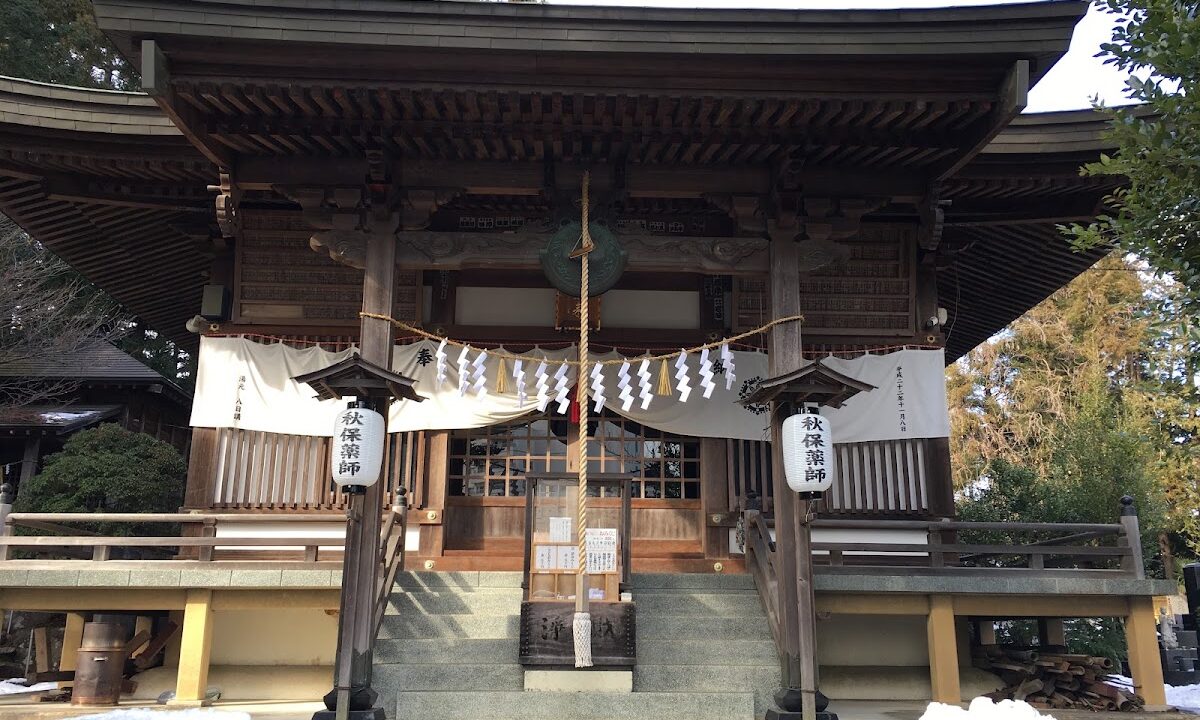
Complete Guide to Yakutozan Senmyoji Temple (Miyagi Prefecture) | The Guardian Temple of Akiu Onsen and the History of Japan’s Three Imperial Hot Springs
About Yakutozan Senmyoji Temple
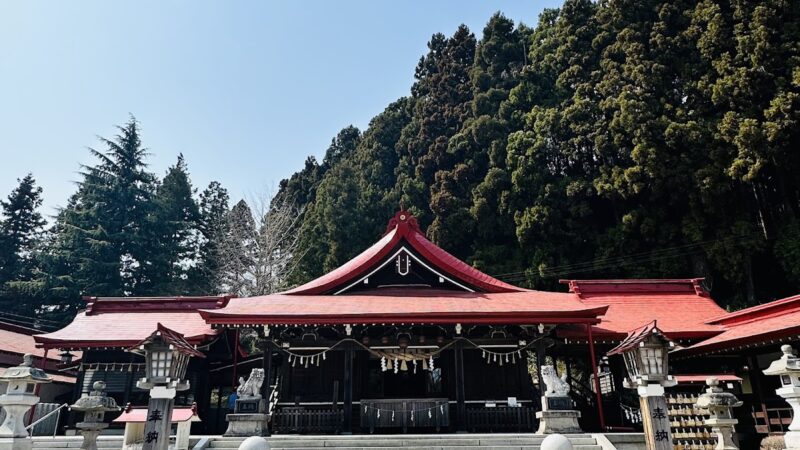
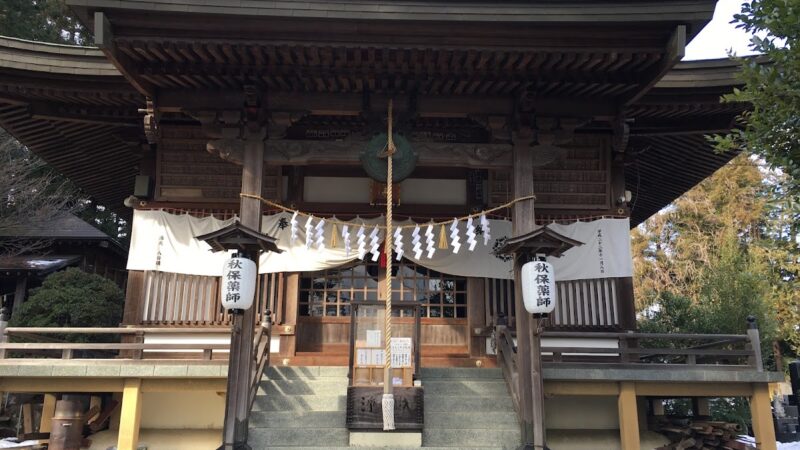
Yakutozan Senmyoji Temple, located in Yumoto, Akiu-machi, Taihaku-ku, Sendai City, Miyagi Prefecture, is a historic temple known as the guardian temple of Akiu Onsen. It bears the responsibility of protecting “Natori no Oyu (Akiu Onsen),” renowned as one of Japan’s Three Imperial Hot Springs, and boasts a history of over 1400 years as a place where Yakushi Nyorai (the Medicine Buddha) is said to have manifested.
Akiu Onsen has a legend that when Emperor Kinmei, the 29th emperor of Japan during the Kofun period, suffered from a skin disease, he had the hot spring water from this area transported to the capital and bathed in it, resulting in a complete cure. Since then, it has been called one of Japan’s Three Imperial Hot Springs, along with Shinano no Oyu (Bessho Onsen) and Inukai no Oyu (Nozawa Onsen). Senmyoji Temple is cherished by the local people as the spiritual pillar of this historic hot spring area.
The Temple’s Origin and the Faith in Yakushi Nyorai
The official name of Senmyoji Temple, “Yakuyuzan,” reflects the deep connection between Yakushi Nyorai (the Medicine Buddha) and hot springs (medicinal baths). Yakushi Nyorai is worshipped as the Buddha who presides over healing illnesses and promoting health and longevity. Combined with the efficacy of the hot springs, this has attracted the faith of spa-goers since ancient times.
The water quality of Akiu Onsen is a weak saline spring, believed to be effective for neuralgia, lower back pain, and skin diseases. This natural blessing fostered a belief in the miraculous power of Yakushi Nyorai. Located in the heart of the hot spring town, Senmyoji Temple has served as a spiritual haven for spa-goers and has played a role as the guardian temple of the hot springs.
The History of Akiu Onsen and Japan’s Three Imperial Hot Springs
Emperor Kinmei and the Imperial Hot Springs of Natori
The origin of Akiu Onsen being counted as one of Japan’s “Three Imperial Hot Springs” dates back to the 6th century during the Kofun period. Records show that when Emperor Kinmei, the 29th emperor, suffered from a skin disease, he had the hot spring water from this area transported to the capital and bathed in it, after which his illness was completely cured.
Due to this miraculous event, Akiu Onsen became known as “Natori no Oyu,” an imperial hot spring, establishing its special status. Along with the other two imperial hot springs, Shinano Oyu (Bessho Onsen in Nagano Prefecture) and Inukai Oyu (Nozawa Onsen in Nagano Prefecture), it became known throughout Japan as one of the country’s most famous hot springs.
Relationship with the Date Family, Lords of the Sendai Domain
During the Edo period, Akiu Onsen came under the protection of the Date family, the lords of the Sendai Domain. The Date family established a bathhouse in Akiu and used it as a retreat for the lord and his retainers. Izumi-ji Temple also solidified its position as the guardian temple of the hot spring town under the patronage of the Date family.
Conveniently located just a 20-minute drive from downtown Sendai, Akiu Onsen has developed as “Sendai’s inner sanctuary” and continues to be a popular destination for tourists and those seeking therapeutic baths. Its easy access from the Tohoku Expressway’s Sendai-Minami Interchange makes it a popular and easily accessible hot spring resort even today.
Heisei Yakuyu Fudo-son (Keyaki Wood Carving)
A Powerful Buddha Statue, Seven Feet Tall
The Heisei Yakuyu Fudo-son is a particularly eye-catching statue within the grounds of Senmyoji Temple. This Fudo Myoo statue is a single-piece carving from a single zelkova tree, boasting an overwhelming size of seven feet (approximately 2.1 meters) in height.
Single-piece carving is a traditional sculpting technique that combines the natural strength of the wood with the sculptor’s skill, resulting in a work of art. Created during the Heisei era, this Fudo-son is a masterpiece showcasing the pinnacle of modern craftsmanship and continues to captivate many visitors.
Fudo Myoo and Hot Spring Worship
Fudo Myoo is a Buddhist deity believed to possess the power to burn away worldly desires and ward off illness. Combined with the purifying and healing power of hot springs, the Fudo Myoo of the Medicinal Hot Springs attracts the faith of people seeking physical and mental health.
Especially for those visiting for therapeutic purposes, worshipping Fudo Myoo provides spiritual support that enhances the effects of the hot spring treatment, making it a must-visit spot when visiting the hot spring town.
UNESCO Intangible Cultural Heritage “Yumoto Rice Planting Dance”
May Festival and Traditional Performing Arts
At Senmyoji Temple, an annual festival is held in May, during which the “Yumoto Rice Planting Dance” is performed. This dance is a traditional performing art highly regarded internationally, as one of the “Akiu Rice Planting Dances” registered as a UNESCO Intangible Cultural Heritage.
The Rice Planting Dance is a folk art that prays for a bountiful harvest and celebrates a rich harvest, and is a valuable cultural heritage that has been passed down in the Akiu region for centuries. The sight of dancers in colorful costumes gracefully dancing to the sounds of drums and flutes captivates viewers.
Preservation of Local Culture
The Yumoto Rice Planting Dance is a traditional culture that has been passed down through generations by the local people. Its registration as a UNESCO Intangible Cultural Heritage has given it global recognition, further increasing the importance of its preservation and transmission.
During the annual festival, a wide range of generations, from local children to adults, participate, continuing their efforts to pass on the tradition to the next generation. Many tourists visit Akiu Onsen every year to see this Rice Planting Dance during the annual festival in May.
Relationship between Akiu Onsen Public Bath and Senmyoji Temple
Public Bath Adjacent to a Temple
The Akiu Onsen Public Bath is located right next to Senmyoji Temple. This small public bathhouse draws its water directly from the hot spring source and is renowned for the quality of its spring water. It’s known as a hidden gem of Akiu, frequented by local regulars.
The mildly saline water warms you to the core and is said to be effective for neuralgia and lower back pain. It functions not only as a tourist attraction but also as a community hub, integrated into the daily lives of locals.
The Integration of the Guardian Temple and the Hot Spring
The adjacent proximity of Izumiji Temple and the public bathhouse symbolizes the integration of faith and therapeutic bathing in Akiu Onsen. Combining worship and bathing embodies the essence of Japanese hot spring culture, pursuing health in both mind and body.
As the guardian temple of the hot spring town, Izumiji Temple is not merely a religious facility, but functions as the spiritual center of the entire hot spring area, offering peace and healing to visitors.
Tourist Attractions Around Akiu Onsen
Natural Landscapes
The area around Akiu Onsen boasts abundant natural beauty along the Natori River gorge. Rairaikyo Gorge, formed over many years by the river’s erosion of rock, features stunning scenery with its unique rock formations and rapids.
Akiu Great Falls, a magnificent waterfall selected as one of Japan’s Top 100 Waterfalls, is 6 meters wide and 55 meters high. Visitors can enjoy the changing seasons, especially during the fresh green season and the autumn foliage season.
Cultural Facilities and Craft Village
At Akiu Craft Village, visitors can observe and experience the production process of traditional crafts. Traditional crafts such as kokeshi dolls, spinning tops, and wooden toys are preserved, allowing visitors to witness the artisans’ skills up close.
Facilities such as the Kaleidoscope Museum and Yume no Mori (Dream Forest) offer year-round enjoyment, making it a perfect place to spend a full day enjoying the hot springs. At the Akiu Onsenkyo Tourist Information Center, you can obtain detailed tourist information and use free rental bicycles and footbaths.
Access and Surrounding Area Information
Access by Car
Access to Senmyoji Temple and Akiu Onsen is very convenient. It’s conveniently located about 20 minutes by car from downtown Sendai and about 15 minutes from the Tohoku Expressway Sendai Minami Interchange. Parking is available throughout the hot spring town, making it suitable for visits by car.
The address is Yumoto, Akiu-machi, Taihaku-ku, Sendai City, Miyagi Prefecture. You can easily find it by searching for “Senmyoji Temple” or “Akiu Onsen” on your car navigation system.
Access by Public Transportation
From JR Sendai Station, Miyagi Kotsu buses run to Akiu Onsen, arriving in about 50 minutes. Buses operate on both weekdays and holidays, making it easy to visit.
Due to its proximity to downtown Sendai and the availability of public transportation, it’s a convenient location for both day trips and overnight stays.
Akiu Onsen’s Water Quality and Effects
Characteristics of a Mildly Salt Spring
Akiu Onsen’s water quality is a mildly saline spring (sodium-calcium chloride spring), colorless and transparent, with a slightly salty taste. The source temperature is around 50 degrees Celsius, and the water is adjusted to a suitable temperature before being served at each facility.
Chloride springs have a high heat retention effect due to the salt adhering to the skin, making it difficult to cool down after bathing. It is also known as a “hot spring,” and is expected to warm the body to the core.
Effects and Therapeutic Benefits
The main effects of Akiu Onsen include relief from neuralgia, muscle pain, joint pain, lower back pain, cold sensitivity, and fatigue. It has a long history as a therapeutic hot spring resort, and the large number of repeat visitors attests to its effectiveness.
It is also known for its effects on skin diseases, and as the legend of Emperor Kinmei shows, it has been used to treat skin conditions since ancient times. Even today, people visit seeking improvement in conditions such as atopic dermatitis and chronic eczema.
Accommodation and Day-Trip Hot Springs
Diverse Accommodation Options
Akiu Onsen offers a diverse range of accommodation options, from large hotels to small inns. Large hotels such as Hotel Hananoyu, Hotel New Mitoya, Akiu Grand Hotel, and Hotel Zuiho offer spacious public baths and open-air baths utilizing the abundant hot spring water.
Traditional inns like Satoya Ryokan offer an experience of traditional hot spring therapy, allowing guests to relax and enjoy the hot springs in a homey atmosphere. Other options include Kagari-no-Yu Ryokusuitei and Akiu Resort Hotel Crescent, each with its own unique characteristics.
Enjoying Day-Trip Hot Springs
Day-trip hot spring facilities are also plentiful, with many hotels and inns, including Ichitaro-no-Yu, accepting day visitors. Operating hours vary by facility, but many are open year-round, making them easily accessible even on weekdays.
Akiu Onsen’s public baths are valuable places to interact with locals and are open to tourists. The prices are reasonable, and you can enjoy authentic, free-flowing hot springs.
Seasons and Ways to Enjoy Akiu Onsen
Spring’s Arrival and Rice Planting Dance
Spring in Akiu Onsen is a beautiful season of fresh greenery. At the Izumiji Temple Festival in May, you can enjoy the Rice Planting Dance, a UNESCO Intangible Cultural Heritage, and enjoy both traditional culture and the beauty of nature. The cherry blossoms bloom later this year, reaching their peak from late April to early May.
Summer’s Coolness and Valley Beauty
Summer is the perfect season for strolling along the Natori River valley. Walking along the Raikyo Gorge promenade, you’ll be soothed by the sound of the flowing river and the greenery of the trees. The Akiu Great Falls also boasts a large volume of water, offering a powerful and impressive sight.
Autumn’s Foliage and Hot Springs
Autumn is a popular time for tourists to enjoy the autumn foliage. From mid-October to early November, the valleys and mountains are dyed in red and yellow, enveloping the entire hot spring town in a beautiful landscape. Enjoying an open-air bath while gazing at the autumn foliage is a truly special experience.
Winter Snowscapes and Hot Spring Atmosphere
Akiu Onsen in winter is appealing for its combination of snowscapes and hot springs. The warmth of the hot springs feels especially comforting in this cold season. Many facilities offer snow-viewing baths, allowing you to experience the unique atmosphere of winter hot springs.
Points to Note When Visiting Senmyoji Temple
Etiquette for Visiting
When visiting Senmyoji Temple, first bow at the main gate before entering the grounds. Cleanse your hands and mouth at the water basin before proceeding to the main hall and paying your respects to Yakushi Nyorai (Medicine Buddha). Don’t forget to also pay your respects to Heisei Yakuyu Fudo-son (Heisei Medicinal Hot Spring Fudo Myoo).
After your visit, you can take a leisurely stroll through the temple grounds and find peace in the tranquil atmosphere. A hot spring town surrounds the temple, making it ideal to combine a visit to the temple with a relaxing soak in the hot springs. ### Annual Events and Special Days
The annual festival in May is the most important event, featuring a rice-planting dance. Visiting during this time allows you to experience traditional culture up close. Other seasonal memorial services and events are also held; it’s a good idea to check the information beforehand.
Connections with the Community and Tourist Information
Utilizing the Akiu Onsenkyo Tourist Information Center
When visiting Akiu Onsen, it’s convenient to utilize the Akiu Onsenkyo Tourist Information Center. You can check the latest tourist information, event information, facility operating status, and obtain a tourist guide. Using the free rental bicycles allows you to efficiently explore the area around the hot spring town.
Interacting with Locals
Interacting with locals at public baths and shopping streets is another enjoyable aspect of your visit. You might even get local information on how to use the hot springs and recommendations for nearby spots.
Tips for Booking and Planning
Booking Accommodation
Akiu Onsen is a popular hot spring resort, so early booking is necessary, especially on weekends, holidays, and during the autumn foliage season. Compare plans and prices on each accommodation’s official website or booking site.
Even for day trips to hot springs, some facilities require advance reservations. Especially if you are visiting with a large group, it is recommended to inquire in advance.
Planning Your Stay
For day trips, a typical plan involves visiting Senmyoji Temple, bathing in the hot springs, and exploring the surrounding area, lasting about 3-4 hours. For overnight stays, a two-day plan, where you arrive on the first day, enjoy the hot springs, and then explore the surrounding area the following day, offers a more fulfilling experience.
Summary: The Charms of Yakuyuzan Senmyoji Temple and Akiu Onsen
Yakuyuzan Senmyoji Temple is a historic temple with over 1400 years of history, serving as the guardian temple of Akiu Onsen, one of Japan’s three most famous hot springs. Akiu Onsen is a place of worship associated with the miraculous healing of Yakushi Nyorai (the Medicine Buddha), and boasts numerous attractions, including the Heisei Yakuyu Fudo-son temple and the rice-planting dance, a UNESCO Intangible Cultural Heritage.
Located just a 20-minute drive from downtown Sendai, Akiu Onsen is a valuable tourist destination where you can enjoy abundant nature and a rich history of hot spring culture. The high-quality, mildly saline hot springs are effective for neuralgia and lower back pain, making it a place you’ll want to visit again and again.
Combining a visit to Senmyoji Temple with a soak in the hot springs offers a special experience that will refresh both your mind and body. The beauty of nature throughout the seasons, traditional culture, and warm interactions with the local people are all unique charms of Akiu Onsen.
When sightseeing in Sendai, be sure to visit Akiu Onsen and Yakuyuzan Senmyoji Temple to experience the essence of Japanese hot spring culture.