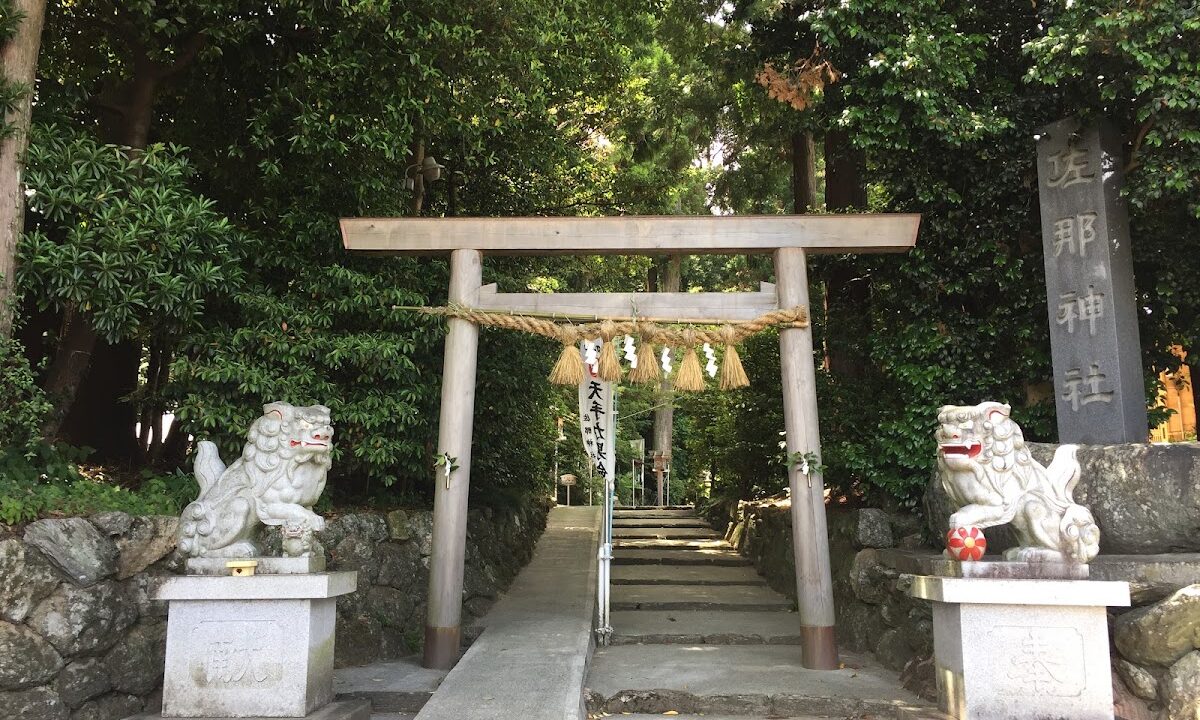
Sana Shrine (Taki-cho, Mie Prefecture) Complete Guide | A Thousand-Year-Old Shrine Dedicated to Ame-no-Tachikarao-no-Mikoto
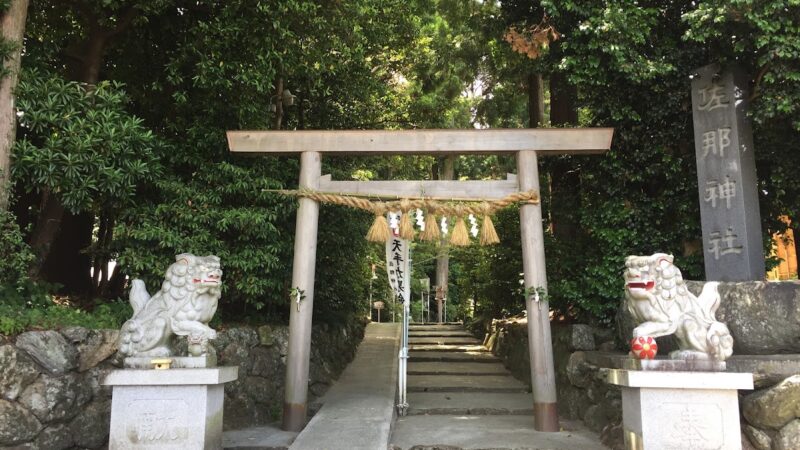
Sana Shrine, located in Nitta, Taki-cho, Taki-gun, Mie Prefecture, is an ancient shrine dedicated to Ame-no-Tachikarao-no-Mikoto, known from the legend of the Heavenly Rock Cave. Listed in the Engishiki Jinmyocho (a list of shrines compiled in the Heian period), this shrine, with its deep connection to Ise Grand Shrine, is a place of worship for many, not only from the local area but also from within and outside the prefecture, as it is revered as a god of strength.
Deities and Divine Virtues of Sana Shrine
Main Deity: Ame-no-Tachikarao-no-Mikoto
Ame-no-Tachikarao-no-Mikoto, the main deity of Sana Shrine, is a god of strength who played an important role in Japanese mythology. He is known for the legend of powerfully opening the door of the Heavenly Rock Cave when Amaterasu-Omikami hid in it, restoring light to the world.
From this myth, Ame-no-Tajikarao-no-Mikoto is believed to possess the following divine virtues:
- Good Fortune and Prosperity: The power to break through darkness and bring light
- Improved Luck in Competitions: Overcoming difficulties with immense power
- Improved Sports Skills: As the god of strength and skill, he improves athletic ability
- Protection from Evil: A strong power to ward off evil spirits
- Achievement of Goals: Removing obstacles and opening the way
Enshrined Deity: Aketatsu-no-Mikoto
Along with Ame-no-Tajikarao-no-Mikoto, Aketatsu-no-Mikoto is also enshrined at Sana Shrine. This deity is deeply connected to the region and is revered as the local tutelary deity.
History of Sana Shrine
Origin as Recorded in the Kojiki
The founding date of Sana Shrine is unknown, but its history is very old. The Kojiki, in the section on the descent of the heavenly grandchild, states, “Next, Tajikarao-no-Kami resided in Sana Province.” This description indicates that when Ame-no-Tajikarao-no-Mikoto descended to earth accompanying Ninigi-no-Mikoto, he took up residence in the land of Sana, telling a history of faith that has continued since the age of the gods.
Status as an Engishiki Shrine
The Engishiki Jinmyocho, compiled in the mid-Heian period, lists “Sana Shrine” as a shrine in Taki District, Ise Province. Engishiki shrines were particularly important to the imperial court at the time, and the fact that Sana Shrine is listed second from the beginning in the Taki District section suggests its high status.
Deep Connection with Ise Grand Shrine
A noteworthy aspect of Sana Shrine’s history is its deep connection with Ise Grand Shrine, especially Toyouke Daijingu (Geku). It is recorded as one of the six shrines whose buildings were rebuilt by the Geku Zotai-shi (Geku Reconstruction Commission) in conjunction with the Shikinen Sengu (periodic rebuilding) of Ise Grand Shrine, positioning it as a shrine with a special connection to the Grand Shrine. This relationship indicates that Sana Shrine is not merely a local shrine, but has played an important role within the Ise faith sphere.
Names as Nakamiya and Omori Shrine
Sana Shrine has long been known as “Nakamiya” (Middle Shrine). It was also known by the alternative name “Omori Shrine” (Great Forest Shrine) due to the large trees that grew abundantly within its grounds. These names reflect the shrine’s importance to the region and its characteristics as a sacred site surrounded by rich nature.
Development since the Modern Era
In the modern shrine ranking system of the Meiji era, it was ranked as a prefectural shrine, positioning it as an important shrine in Mie Prefecture. Even today, as the tutelary shrine of the Nitta and Gokatsura districts of Taki Town, it serves the entire former Sana Village in Taki District, and remains a center of local faith.
Highlights and Cultural Assets within the Shrine Grounds
The Lush Forest of the Sacred Grounds
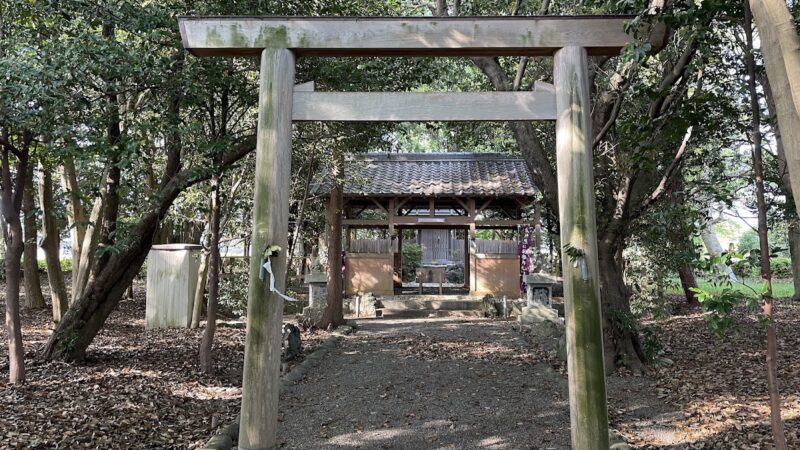
Sana Shrine’s grounds are surrounded by a large, lush forest. The sacred forest surrounding this shrine exudes a majestic atmosphere, reflecting the dignity of a shrine with over a thousand years of history. As you proceed along the approach, a tranquil space surrounded by giant trees unfolds, allowing you to forget the hustle and bustle of the city.
Shrine Architecture
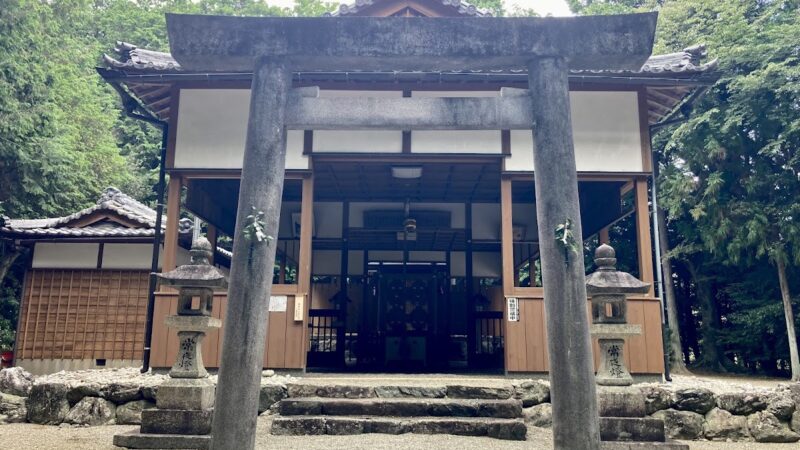
The shrine buildings of Sana Shrine reflect the architectural style of its relationship with Ise Grand Shrine. Having been rebuilt in accordance with the Shikinen Sengu (periodic rebuilding of the shrine), it boasts a dignified structure influenced by the architecture of Ise Grand Shrine.
Subsidiary and Auxiliary Shrines
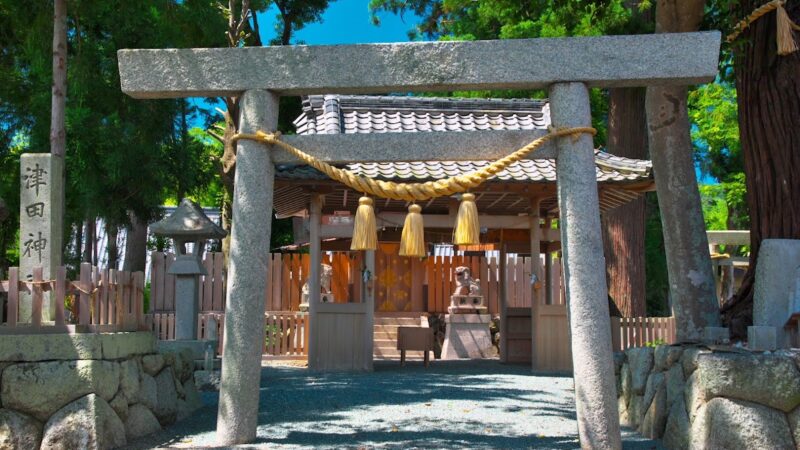
Several subsidiary shrines are located within the grounds, centered around the main shrine. These subsidiary shrines also attract local devotion and are believed to possess unique divine virtues.
Sana Shrine’s Goshuin (Shrine Seal) Information
About the Issuance of Goshuin
Sana Shrine offers goshuin to visitors. Goshuin are cherished by many visitors as proof of their visit and as a way to forge a connection with the shrine.
The Goshuin (temple/shrine stamp) features the name of Sana Shrine and reflects its identity as a shrine dedicated to Ame-no-Tajikarao-no-Mikoto. The powerful brushstrokes of the Goshuin evoke the divine virtues of Ame-no-Tajikarao-no-Mikoto.
About the Goshuincho (Stamp Book)
Regarding the availability of Sana Shrine’s original Goshuincho, we recommend checking with the shrine office during your visit. For those visiting shrines throughout Mie Prefecture, the Sana Shrine Goshuin will be a valuable addition to your collection.
Issuance Hours and Precautions
If you wish to receive a Goshuin, you must visit during the shrine office’s opening hours. Since staff may be absent, we recommend calling ahead to confirm availability if you definitely want a Goshuin.
As a matter of proper etiquette, please pay your respects at the main shrine before receiving your Goshuin. It’s important to remember that the Goshuin is not a stamp rally item, but rather a precious token of connection with the shrine.
Detailed Information and Access
Basic Information
Shrine Name: Sana Shrine
Location: Nitta, Taki-cho, Taki-gun, Mie Prefecture
Former Shrine Rank: Prefectural Shrine
Engishiki Shrine: Engishiki Shrine (Taki-gun, Ise Province)
Main Deities: Ame-no-Tajikarao-no-Mikoto, Akebono-Tachio-no-Mikoto
Annual Festival Days: Multiple festivals are held throughout the year
Access by Train
To visit Sana Shrine by train, the nearest station is Sana Station on the JR Kisei Main Line.
- From Sana Station: Approximately 10 minutes on foot (about 700m east)
- The path from the station to the shrine is relatively flat, and you can arrive without getting lost by following the signs.
- The area around the station is a quiet residential area, allowing you to enjoy the peaceful scenery while visiting the shrine.
Access by Car
If you are visiting by car, the following routes are convenient:
- Ise Expressway: Approximately 10 minutes from Seiwa-Taki Interchange
- Accessible via Prefectural Road from National Route 42
- Parking is available on or around the shrine grounds, but please check the details on-site.
Nearby Facilities
Sana Elementary School is located next to Sana Shrine to the east, indicating its deep roots in the community. Taki Town is also known as a production area for Matsusaka beef, so you can enjoy local cuisine before or after your visit.
Points to Note When Visiting and Annual Events
Proper Etiquette for Visiting
When visiting Sana Shrine, please observe the following basic etiquette:
- Bow before passing through the torii gate: This is a courtesy before entering the sacred area.
- Purify yourself at the water basin: Purify your left hand, right hand, and mouth in that order.
- Walk along the edge of the path: The center is considered the path of the gods.
- Two bows, two claps, one bow: This is the basic way of worship in front of the main shrine.
Recommended Time to Visit
Sana Shrine displays its beauty in every season:
- Spring: The fresh greenery is beautiful, and you are enveloped in refreshing air.
- Summer: The deep green forest creates a cool atmosphere.
- Autumn: The autumn leaves color the shrine grounds, enhancing the solemn atmosphere.
- Winter: You can offer a solemn worship experience in a tranquil atmosphere.
Annual Events
Sana Shrine holds various festivals and ceremonies throughout the year. These rituals, including the annual festival, are carefully preserved and passed down by the local community, playing a central role in the local community.
Voices of Visitors to Sana Shrine
Local Faith
Sana Shrine, as the tutelary deity of the Nitta and Gokatsu districts of Taki Town, enjoys deep faith from the local people. Its parish extends throughout the former Sana Village in Taki District, making it a place of worship passed down through generations.
Visitors from Within and Outside the Prefecture
Because the enshrined deity is Ame-no-Tajikarao-no-Mikoto, the god of strength, visitors come not only from Taki Town but also from various parts of Mie Prefecture, including Matsusaka City and Kameyama City. Furthermore, visitors from outside Mie Prefecture, such as Nagoya City and Osaka City, also come to pray for success in competitions and the achievement of goals.
Visits from Athletes and Students
Due to its divine power as a god of strength, many athletes aiming for success in sports and students praying for the achievement of their goals, such as passing exams, visit the shrine. Many also visit at important turning points in their lives, seeking the power to overcome difficulties.
Nearby Shrines and Temples
Visiting Shrines and Temples in Taki Town
When visiting Sana Shrine, we recommend visiting other shrines and temples in Taki Town. Taki Town has approximately 30 shrines and temples, each with its own unique history and beliefs.
Relationship with Wadama Shrine
Nearby are shrines related to Sana Shrine, such as Wadama Shrine. Visiting these shrines will allow you to gain a deeper understanding of the region’s religious history.
Shrines in the Tsu and Matsusaka Area
The Tsu and Matsusaka area of Mie Prefecture has over 600 shrines and temples, and Sana Shrine holds an important position among them. Many visitors enjoy visiting the shrines in this area in conjunction with a visit to Ise Grand Shrine. ## The Position of Sana Shrine within the Ise Faith Area
Special Relationship with Ise Grand Shrine
Sana Shrine holds a very special position as one of the six shrines whose buildings were rebuilt by the Outer Shrine Construction Commission in conjunction with the Shikinen Sengu (periodic rebuilding) of Ise Grand Shrine. This relationship indicates not only geographical proximity but also a deep connection based on faith.
Connection with the Outer Shrine
Sana Shrine is said to have a particularly deep relationship with Toyouke Daijingu (Outer Shrine). The Outer Shrine enshrines Toyouke-no-Omikami, who presides over food and grains, and, along with the Inner Shrine, is a central presence of Ise Grand Shrine. This connection with the Outer Shrine speaks to the high status of Sana Shrine.
Relationship with the Ise Pilgrimage Route
Historically, many pilgrims passed through this area as part of their pilgrimage route to Ise Grand Shrine. Sana Shrine also has a history of attracting the faith of many people as a shrine they stopped at on their way to Ise.
The Spread of the Worship of Ame-no-Tajikarao-no-Mikoto
Shrines Dedicated to Ame-no-Tajikarao-no-Mikoto Nationwide
While shrines dedicated to Ame-no-Tajikarao-no-Mikoto exist throughout Japan, Sana Shrine, explicitly mentioned in the Kojiki as “residing in Sana Province,” holds a special significance as a sacred site.
While there are other well-known shrines dedicated to Ame-no-Tajikarao-no-Mikoto, such as Tejikarao Shrine in Kakamigahara City, Gifu Prefecture, and Togakushi Shrine in Nagano Prefecture, Sana Shrine possesses an unparalleled status in terms of its history as recorded in the Kojiki.
Worship as a God of Strength
Due to his overwhelming power in opening the Heavenly Rock Cave, Ame-no-Tajikarao-no-Mikoto is worshipped as a god of strength and good fortune. Even today, athletes, martial artists, weightlifters, and others in professions requiring strength visit the shrine.
Furthermore, he is revered as a god who bestows not only physical strength, but also mental strength to overcome difficulties and the drive to achieve goals—in a broader sense of “strength.”
Guidelines for Visiting Sana Shrine
Respecting the Tranquil Environment
The grounds of Sana Shrine are a tranquil space surrounded by a lush forest. To preserve this sacred atmosphere, please refrain from loud conversations and noisy behavior.
Photography Etiquette
Photography is generally permitted on the shrine grounds, but it may be advisable to refrain from taking pictures inside the main hall or during special Shinto rituals. Please check with the shrine office if you have any questions.
Consideration for the Community
Sana Shrine is adjacent to a residential area. When visiting, please be considerate of the lives of local residents and avoid causing inconvenience through illegal parking or noise.
Summary: The Charm of Sana Shrine
Located in Taki-cho, Mie Prefecture, Sana Shrine is an extremely important shrine, combining three elements: its history recorded in the Kojiki, its status as an Engishiki-listed shrine, and its deep connection to Ise Grand Shrine.
Sana Shrine, dedicated to the god of strength, Ame-no-Tajikarao-no-Mikoto, attracts many worshippers seeking good fortune in competitions and the achievement of their goals. At the same time, it continues to be an integral part of the local community as a tutelary shrine. Its greatest appeal lies in its continued function as a vibrant place of worship even today, despite its history spanning over a thousand years.
Its convenient location, within walking distance of JR Sana Station, makes it a must-visit shrine for anyone visiting Mie Prefecture. Why not combine a visit to this ancient shrine with a visit to Ise Grand Shrine? Within its sacred grounds, surrounded by lush forests, you’re sure to feel the powerful divine presence of Ame-no-Tajikarao-no-Mikoto.