Tsuda Shrine (Taki-cho, Mie Prefecture) Complete Guide | History and Deities of the Shikinaisha Hayashi Shrine
Tsuda Shrine, located in Inaibayashi, Taki-cho, Taki-gun, Mie Prefecture, is an ancient shrine known as a candidate for the Shikinaisha (minor shrine) “Hayashi Shrine (Ise Province, Taki-gun)” listed in the Engishiki Jinmyocho (a list of shrines compiled in the Heian period). Situated on the south bank of the Kushida River, this historic shrine has attracted the faith of the local community. This guide provides a detailed introduction to its history, deities, grounds, and access methods.
Basic Information about Tsuda Shrine
Location: 159-1 Inaibayashi, Taki-cho, Taki-gun, Mie Prefecture 519-2186
Former Shrine Rank: Former Village Shrine
Shikinaisha (Shrine listed in the Engishiki): Hayashi Shrine (Ise Province, Taki-gun) candidate
Nearest Station: Approximately 3km west of Aika Station on the JR Kisei Main Line
Tsuda Shrine is located in the Inaibayashi area, approximately 3km west of Aika Station on the Kisei Main Line. It is situated north of National Route 421, north of the local elementary school. The shrine grounds extend southward along the south side of the Kushida River, and the shrine stands amidst a quiet rural landscape.
History and Origins of Tsuda Shrine
Founding Date and Ancient Records
The founding date of Tsuda Shrine is unknown, but its origins date back to ancient times. It is presumed that this shrine existed before the Heian period, as it is identified as the “Hayashi Shrine” listed in the *Engishiki Jinmyocho* (compiled in 927).
According to the records in the *Engishiki*, Hayashi Shrine received offerings of silk, cotton, hemp, and shields for the Kinensai and Niinamesai festivals. This indicates that the shrine was considered important by the imperial court at the time. Furthermore, it is thought to have had a deep connection with the Saigu (the residence of the imperial princess serving at Ise Grand Shrine), and held a special position as a shrine in Ise Province.
Shrine Consolidation in the Meiji Period
A major transformation occurred in 1908 (Meiji 41). Three unranked shrines located within the former Tsuda Village and 27 unranked shrines within the shrine grounds were consolidated, and the shrine’s name was changed to “Tsuda Shrine.” This period was a time when the policy of shrine consolidation was being promoted nationwide, and many small shrines were merged.
This merger strengthened Tsuda Shrine’s character as the guardian shrine of the former Tsuda Village, making it the center of faith for the entire region. Originally known as Hayashi Shrine, the name was changed to Tsuda Shrine, incorporating the local place name, further clarifying its connection to the community.
Fire and Loss of Historical Records
Unfortunately, Tsuda Shrine suffered a fire in the past, resulting in the loss of many historical records. Therefore, many details regarding its founding and its specific history from the medieval to early modern periods remain unknown. However, its status as a Shikinaisha (a shrine listed in the Engishiki, an ancient Japanese legal code) and the continued faith of the region attest to its importance.
About the Deities Enshrined
The deities enshrined at Tsuda Shrine are as follows:
Main Deity
Kasuga-no-Okami
Kasuga-no-Okami is known as the deity enshrined at Kasuga Taisha Shrine in Nara, and is a collective term for the following four deities:
- Takemikazuchi-no-Mikoto
- Futsunushi-no-Mikoto
- Amenokoyane-no-Mikoto
- Himegami
These deities are revered as gods of national protection, long-lasting military fortune, and good fortune.
Enshrined Deities
Four Deities of Unknown Deities
These four deities are believed to have been enshrined before the Meiji-era merger, but their details are unknown. Due to the loss of ancient records, their specific names are not known, but it is highly likely that they were local tutelary deities or agricultural deities.
Hitsukura Shrine
Hitsukura Shrine is known as a subsidiary shrine or a shrine that has been merged with another shrine. While details about the deity enshrined at Hitsukura Shrine and its history are unknown, it is an important presence that conveys the unique beliefs of the region.
Shrine Grounds and Highlights
Shrine Grounds Layout and Atmosphere
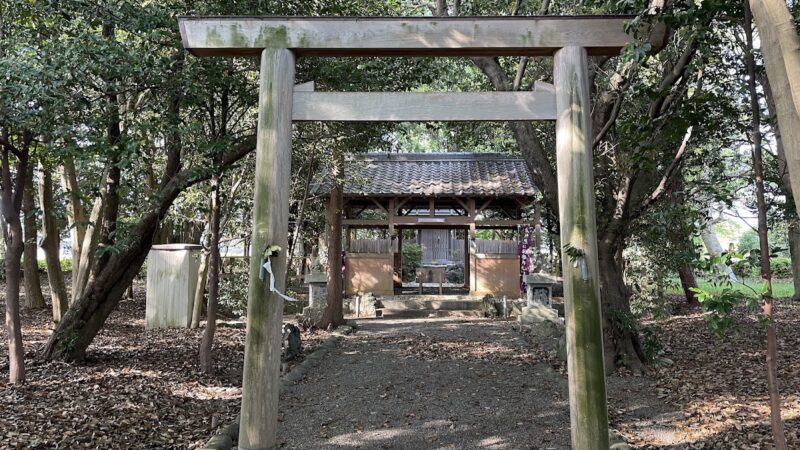
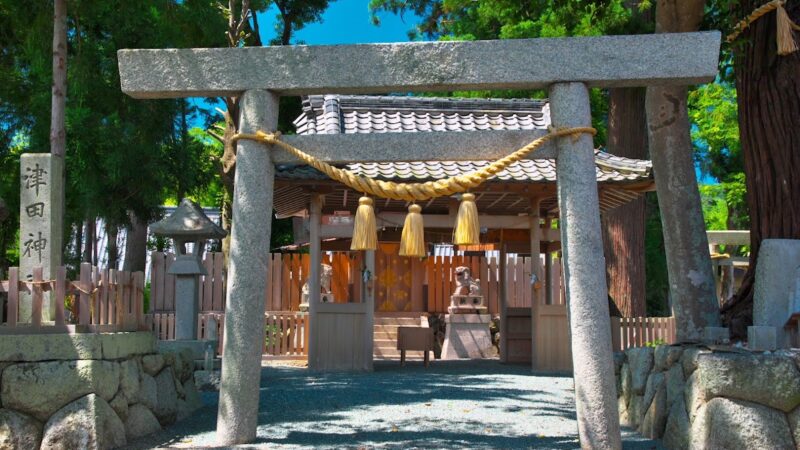
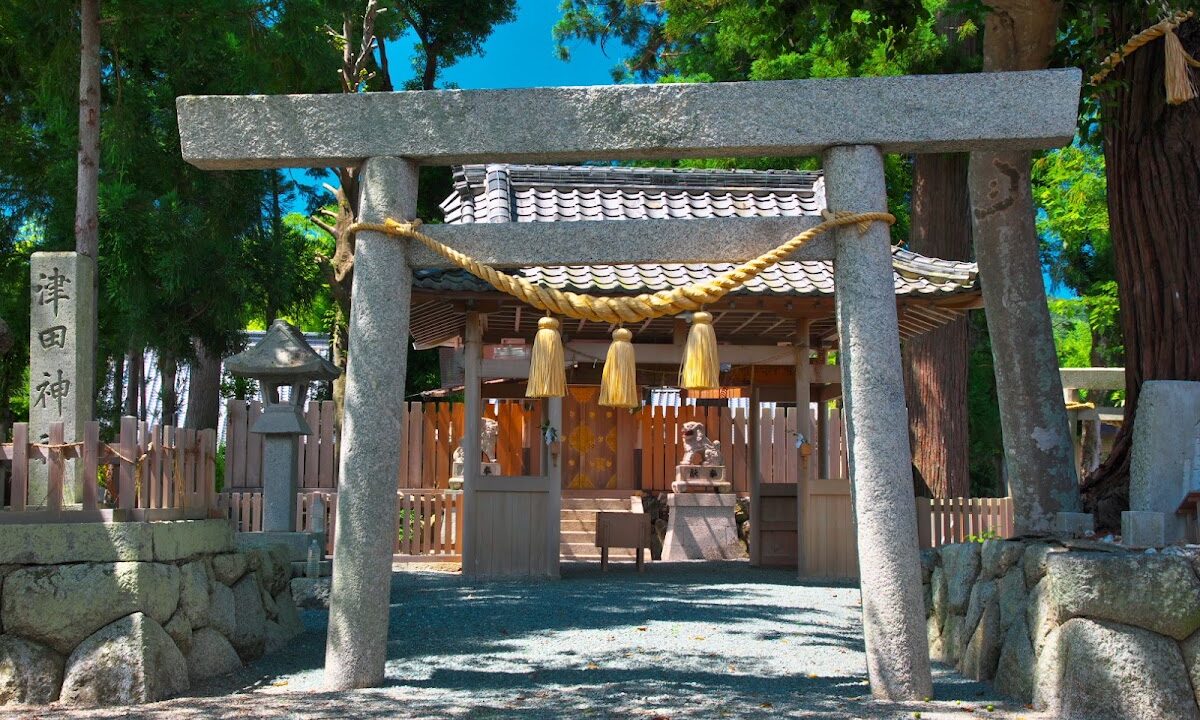
The grounds of Tsuda Shrine face south, and the main shrine building is located directly ahead as you proceed along the approach. The grounds are relatively small, but they are well-maintained, reflecting the care and affection the local community has for the shrine.
Torii Gate and Approach
A torii gate stands at the entrance to the shrine grounds, and beside it is a stone pillar inscribed with “No Killing.” This “No Killing” pillar commemorates the ancient custom of prohibiting killing within the sacred grounds and is an important sign indicating the sanctity of the shrine.
The approach is enveloped in a quiet and peaceful atmosphere, allowing you to feel a sacred space away from the hustle and bustle of the city. ### Shrine Buildings
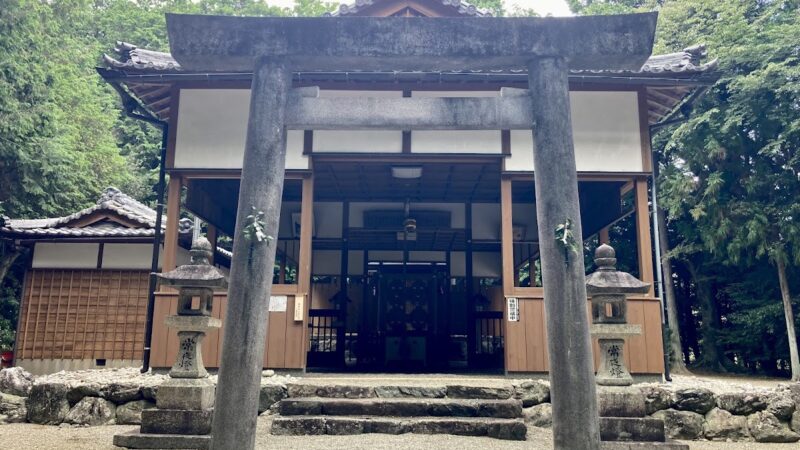
The main shrine building is constructed in the traditional style of Shinto shrine architecture and is maintained together with the worship hall. While not large in scale, it possesses the dignified presence of a central religious center in the region.
Surrounding Environment
Tsuda Shrine is located on the south bank of the Kushida River, surrounded by rural landscapes. It sits amidst a beautiful scenery, with fresh greenery in spring and golden rice fields in autumn, allowing visitors to experience the changing seasons while offering their prayers.
Positioning as a Shikinaisha (Shrine Listed in the Engishiki) and Hayashi Shrine
What is the Engishiki Jinmyocho (List of Shrines in the Engishiki)?
The Engishiki Jinmyocho is the 9th and 10th volumes of the Engishiki, compiled in the 5th year of the Engi era (927 AD) during the mid-Heian period. It is a list of official shrines (shrines recognized by the imperial court) at that time. It lists 2,861 shrines nationwide, 253 of which are located in Ise Province.
Description of Hayashi Shrine
The “Engishiki Jinmyocho” (a list of shrines compiled in the Heian period) lists “Hayashi Shrine” in the section for Taki District, Ise Province, and classifies it as a minor shrine. Records indicate that special offerings were made to the shrine during the Kinensai (harvest festival) and Niinamesai (harvest festival), suggesting a close relationship with the imperial court.
Regarding Candidate Shrines
Regarding the identification of Shikinaisha (shrines listed in the Engishiki), multiple shrines can be considered candidates due to changes in shrine names and locations over long periods. Tsuda Shrine is considered one of the strong candidates for Hayashi Shrine, and its geographical conditions and historical background make it highly probable.
History of Taki Town and the Kushida River Basin
Overview of Taki Town
Taki Town is located almost in the center of Mie Prefecture, in the southern part of the Ise Plain. The fertile land along the Kushida River basin has long been a center of agriculture and is known as a production area for rice offered to Ise Grand Shrine.
The Kushida River and Regional Development
The Kushida River is a first-class river flowing through Mie Prefecture, and has brought abundant blessings to its basin since ancient times. The Inaibayashi district, where Tsuda Shrine is located, is one of the areas that has developed thanks to the benefits of the Kushida River. Tsuda Shrine, located on the south bank of the river, is thought to have functioned as a place of worship related to water and agriculture.
Relationship with Ise Grand Shrine
Taki District is a region close to Ise Grand Shrine, and has had deep ties with the shrine since ancient times. The site of the Saigu (Imperial Princess’s residence) is also located nearby, and it is presumed that Tsuda Shrine functioned as part of the Ise Grand Shrine’s worship sphere as a shrine of Ise Province.
Access and Visiting Information
Access by Public Transportation
By Train:
- Get off at “Aika Station” on the JR Kisei Main Line
- Approximately 39 minutes on foot west from the station (approximately 3.1 km)
- Approximately 10 minutes by taxi
Aika Station is not a stop for express trains, but local trains run regularly. While it’s possible to access the shrine on foot from the station, it’s a bit of a distance, so we recommend allowing ample time for your visit.
Access by Car
If traveling by car:
- From National Route 42, take National Route 421
- From Route 421, head north to the Inaibayashi area
- Approximately 5 minutes from the Taki Town Hall in Taki District
We recommend checking parking availability in advance. The area surrounding the shrine is a residential and rural area, so please be considerate of the neighbors when visiting.
Points to Note When Visiting
- The shrine grounds are a place carefully protected by the local community. Let’s pray quietly.
- As indicated by the stone pillar inscribed with “No Killing,” let’s cherish living things within the sacred grounds.
- Photography is permitted, but consideration is needed inside the shrine and during Shinto rituals.
- Regarding Goshuin (shrine stamps), it is recommended to check in advance as there may not always be a resident Shinto priest.
Nearby Tourist Attractions
Saigu Historical Museum
Located about 15 minutes by car from Tsuda Shrine, the Saigu Historical Museum is a museum about the site of Saigu, the former residence of the Saio (Imperial Princess serving at Ise Grand Shrine). It is a valuable facility for learning about the history of ancient Ise Province.
Gokatsuraike Furusato Village
Gokatsuraike Furusato Village, a popular tourist spot in Taki Town, offers agricultural experiences and opportunities to enjoy local specialties. It is recommended to visit in conjunction with a visit to Tsuda Shrine.
Niu Daishi Jinguji Temple
Taki Town also has other historical temples and shrines. Niu Daishi Jinguji Temple is known as a temple associated with Kukai (Kobo Daishi).
Annual Events and Festivals
Tsuda Shrine holds various festivals throughout the year by local parishioners. For detailed schedules, we recommend referring to local information and Taki Town’s tourist information.
Typical annual events at shrines include:
- New Year’s Day Festival (January 1st): A festival celebrating the New Year
- Spring Festival: A festival praying for a bountiful spring harvest
- Autumn Festival: A festival giving thanks for the harvest
These are some of the events that are likely to be held.
The Charm of Tsuda Shrine and the Significance of Visiting
Historical Value as a Shikinaisha Shrine
The greatest charm of Tsuda Shrine lies in its status as a Shikinaisha shrine with a history of over 1000 years. Shrines listed in the Engishiki Jinmyocho (a list of shrines compiled in the Heian period) are historically significant shrines recognized by the imperial court in ancient times, and this tradition continues to this day.
Center of Local Faith
Tsuda Shrine, which consolidated 30 shrines in the former Tsuda Village during the Meiji period’s shrine consolidation, has been the guardian shrine of the region, attracting the faith of local people. Unlike the large urban shrines, you can see a simple, locally rooted form of faith.
An Environment in Harmony with Nature
Nestled quietly in the countryside on the south bank of the Kushida River, Tsuda Shrine is situated in a beautiful environment that can be described as a quintessential Japanese landscape. The opportunity to worship while experiencing the changing seasons is a major attraction of this shrine.
A Space of Silence and Prayer
Unspoiled by tourism, Tsuda Shrine is an ideal place for quiet prayer. You can escape the hustle and bustle and have time to reflect on yourself.
Tsuda Shrine and Shrine Faith in Ise Province
Characteristics of Shrines in Ise Province
Ise Province (present-day northern and central Mie Prefecture) is a special region as the home of Ise Grand Shrine. The Engishiki Jinmyocho (a list of shrines compiled in the Heian period) lists 253 shrines, making it one of the regions with the highest density of shrines in Japan.
Shrines like Tsuda Shrine functioned as part of a network of shrine faith with Ise Grand Shrine at its apex. The offering of special sacrificial offerings during the Kinensai and Niinamesai festivals demonstrates the connection between the Imperial Court, the shrines, and Ise Grand Shrine.
Shikinaisha Shrines in Taki District
Besides Hayashi Shrine (Tsuda Shrine), several other Shikinaisha shrines existed in Taki District. These shrines attest to the importance of Taki District in ancient times. The fertile land of the Kushida River basin and its geographical location along the route to Ise Grand Shrine are thought to have fostered the shrine faith in this region.
Summary: A Recommendation to Visit Tsuda Shrine
Tsuda Shrine, located in Inaibayashi, Taki-cho, Taki-gun, Mie Prefecture, is an ancient shrine with a history of over 1000 years, identified as the Hayashi Shrine listed in the Engishiki Jinmyocho (a list of shrines compiled in the Heian period). With Kasuga Okami as its main deity and four other unidentified deities enshrined alongside, it was a former village shrine that attracted the faith of the local community.
Following the consolidation of shrines in 1908 (Meiji 41), 30 shrines in the former Tsuda Village were merged to form the current Tsuda Shrine, which now serves as the guardian shrine of the region. Although many ancient records were lost in a fire, its status as a Shikinaisha (a shrine listed in the Engishiki, an ancient Japanese legal code) and the continued faith of the community demonstrate its importance.
Nestled quietly amidst the rural landscape on the south bank of the Kushida River, Tsuda Shrine possesses a simple charm unspoiled by commercialization. The shrine grounds, marked by a stone pillar inscribed with “No Killing,” convey the ancient form of faith.
If you have the opportunity to visit Ise Grand Shrine or Mie Prefecture, be sure to also visit Tsuda Shrine. Visiting this historic Shikinaisha will be a valuable experience that touches upon the origins of Japanese shrine faith. Accessing it on foot from Aika Station allows you to enjoy the tranquil rural scenery during your visit, leading to a deeper sense of fulfillment.
Tsuda Shrine is a hidden gem, offering a quiet and peaceful worship experience rooted in the local community, unlike the large tourist shrines you might find elsewhere.