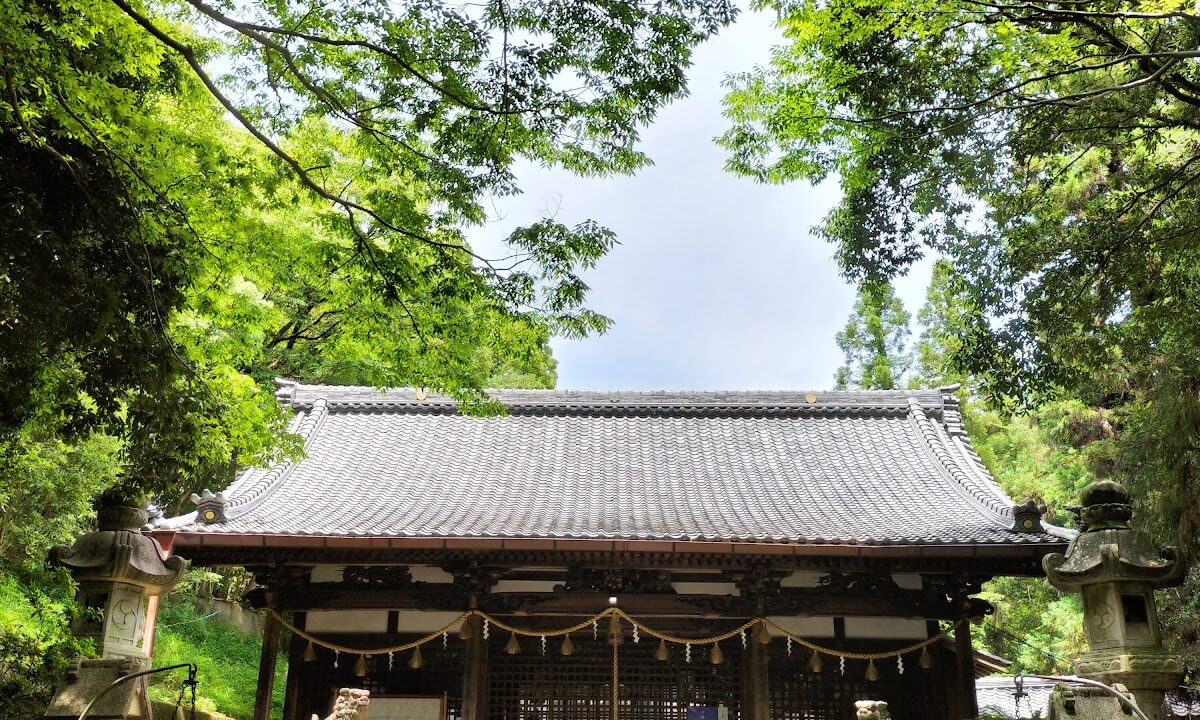
Obuke Shrine (Asahi Town, Mie Prefecture) Complete Guide: A Historic Shrine Famous for its Hachioji Fire Festival and Dedicated to Tachibana Moribe
Obuke Shrine, located in Asahi Town, Mie Prefecture, is widely known for its spectacular fire festival, the “Obuke Hachioji Festival,” held every August. It enshrines Tachibana Moribe, a local scholar of Japanese classics, and is a valuable site that preserves the region’s history and culture, attracting attention from worshippers and history enthusiasts alike.
This article will introduce the charm of Obuke Shrine in its entirety, from its history, enshrined deities, and highlights to the details of its fire festival, which is designated as an intangible cultural property of Asahi Town.
Basic Information and Access to Komukai Shrine
Location and Transportation Access
Address: 1573-3, Komukai, Asahi-cho, Mie-gun, Mie Prefecture
To access Komukai Shrine by public transport, the nearest station is Ise-Asahi Station on the Kintetsu Nagoya Line. It’s about a 12-15 minute walk from the station to the shrine. A shrine marker stands along the Tokaido road, and while it’s a short distance from there to the shrine grounds, the walk through the peaceful residential area is charming.
If coming by car, it’s easily accessible from National Route 1, and there’s parking available for visitors on the grounds. Especially during festivals, many visitors come, so using public transport is recommended.
Visiting Hours and Goshuin (Shrine Seals)
Komukai Shrine is generally open to visitors. Those wishing to receive a Goshuin (temple/shrine stamp) can do so at the shrine office. However, since the chief priest is not always present, it is advisable to contact them in advance or aim for a time when cleaning is taking place. In fact, some visitors have shared stories of receiving a Goshuin by chance on a cleaning day.
The Goshuin is in the traditional style, with the shrine’s name written in ink and stamped with a red seal. Many people cherish it as a memento of their visit.
History and Deities of Komukai Shrine
History and Origins of the Shrine
While detailed records of the founding date of Komukai Shrine are lacking, it has long been revered as the tutelary shrine of the Komukai district, attracting the faith of local residents. Asahi Town in northern Mie Prefecture has a history of flourishing as a post town on the Tokaido road, and Komukai Shrine has played an important role as a central part of the local culture.
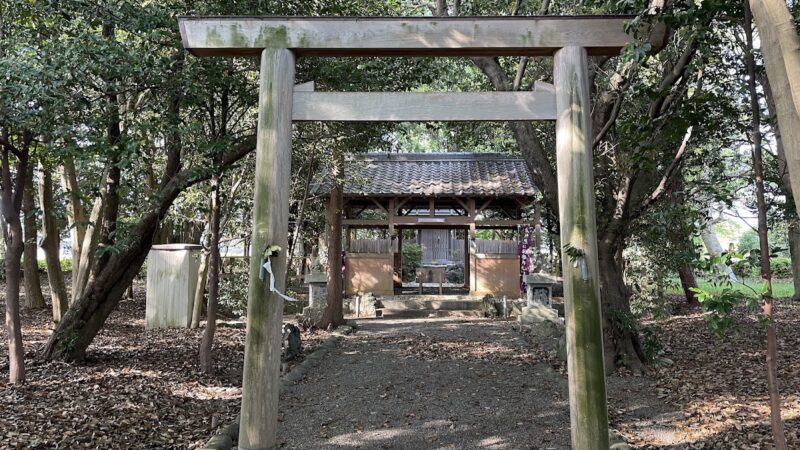
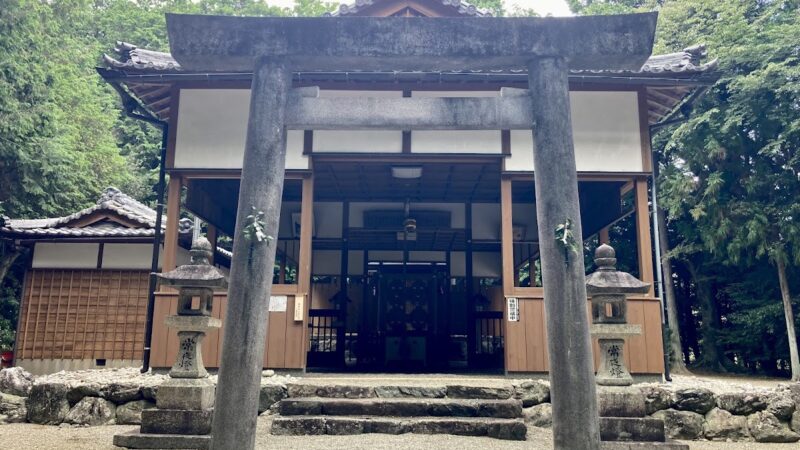
The shrine grounds feature neatly arranged buildings such as the main hall, worship hall, and torii gate, and are carefully preserved by the local people. Especially during the annual festival, parishioners and local residents come together to perform the Shinto rituals, passing on traditions to future generations.
Deity Enshrined: Enshrinement of Tachibana Moribe
One of the major characteristics of Komukai Shrine is the enshrinement of Tachibana Moribe, a scholar of Japanese classics from the local area.
Tachibana Moribe was a scholar of Japanese classics in the late Edo period, known as a disciple of Motoori Norinaga. He was from Komukai Village, Asake District, Ise Province (present-day Komukai, Asahi-cho, Mie District, Mie Prefecture), and left behind important achievements in the study of Japanese classics. He particularly devoted himself to the study of the *Kojiki* and *Manyoshu*, leaving behind many writings.
By enshrining a local hero as a deity, Komukai Shrine functions not only as a tutelary shrine but also as a place symbolizing the cultural identity of the region. Many visitors pray for academic success and the development of culture and arts.
The Charm of the Komukai Hachioji Festival, an Intangible Cultural Property of Asahi Town
History and Significance of the Fire Festival
When discussing Komukai Shrine, the “Komukai Hachioji Festival,” held annually on August 13th, is indispensable. This festival is designated as an intangible cultural property of Asahi Town and is known as one of the most magnificent fire festivals in Mie Prefecture.
The Hachioji Festival is a Shinto ritual that uses the power of fire to drive away epidemics and diseases that tend to spread during the height of summer, and to pray for the safety and health of the community. Fire is believed to have purifying power, and fire-based festivals have been held throughout Japan since ancient times, but the Komukai Hachioji Festival is a valuable example that strongly preserves this tradition.
Festival Content: Clash of Burning Straw Bundles
The highlight of the Komukai Hachioji Festival is the clash of burning straw bundles, performed by two teams, a youth group and a middle-aged group, both bare-chested.
The participants gathered in the temple grounds swing burning bundles of straw, striking each other. This vigorous ritual is meant to drive away illness and misfortune with the power of fire. The magnificent spectacle unfolding amidst flying sparks overwhelms the onlookers, creating an unforgettable summer night memory.
The serious expressions of the participants, combined with the fantastical atmosphere created by the flames, make for a precious experience that simultaneously conveys the solemnity of a religious ceremony and the vibrancy of a festival.
Offering of a Pillar of Fire from a Giant Torch
At the climax of the festival, a giant torch, reaching a height of 5-6 meters, is lit. The sight of the massive torch burning and sending a pillar of fire into the night sky is breathtaking.
It is believed that along with this pillar of fire, illnesses common in midsummer are driven to heaven, and peace returns to the region. The sight of the flames reaching towards the heavens possesses both sacredness and power, eliciting loud cheers from worshippers and spectators.
For local residents, this festival is not merely an annual event, but a cultural heritage passed down through generations and an important opportunity to reaffirm community bonds.
Komukai Shrine Grounds and Highlights
Torii Gate and Approach
Upon entering the grounds of Komukai Shrine, visitors are greeted by a magnificent torii gate. Passing through the gate, a well-maintained approach leads to the main shrine, creating a tranquil atmosphere.
While there is a short distance from the shrine marker along the Tokaido road to the shrine grounds, the journey itself is part of the enjoyment of visiting the shrine. Walking through the residential area, one can truly feel the presence of the shrine integrated into the local life.
Worship Hall and Main Shrine
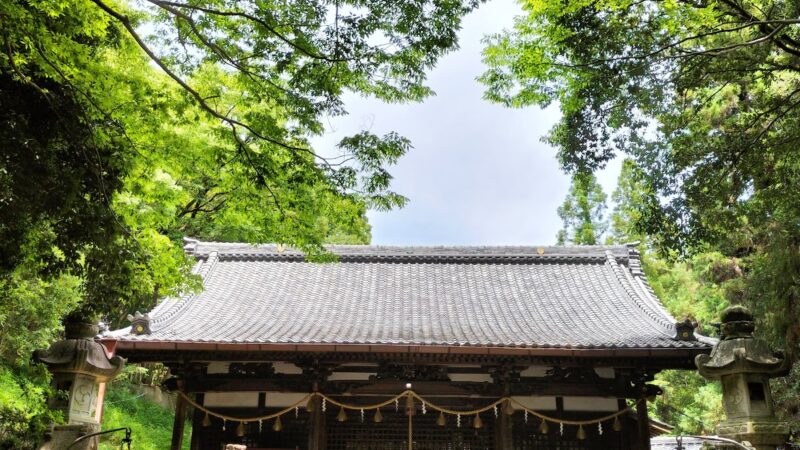
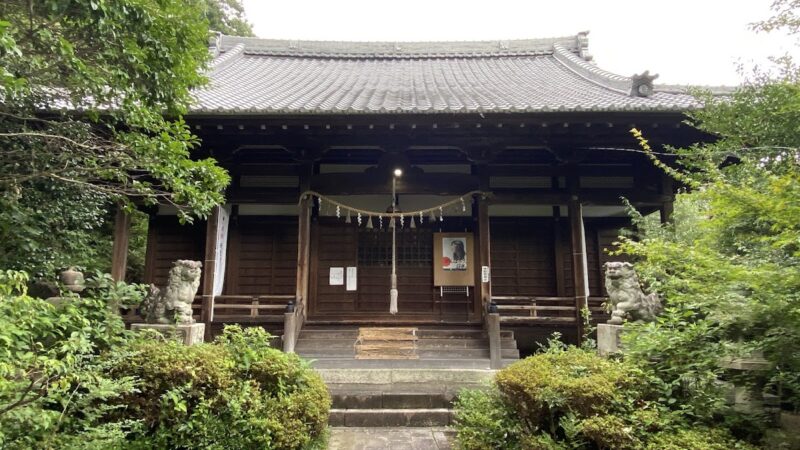
At the center of the grounds is the worship hall, with the main shrine situated behind it. The architectural style follows traditional shrine architecture, conveying the beauty of wood and the weight of history.
Daily worship takes place in the worship hall, where local residents can be seen regularly visiting and offering their prayers. Especially during New Year’s and festivals, the shrine is bustling with many worshippers and plays a central role in the local faith.
Cultural Properties in the Collection: Ceramic Sake Bottles
Komukai Shrine possesses seven pairs of ceramic sake bottles, designated as Mie Prefecture’s traditional crafts. These were produced from the Edo period to the Meiji period and were designated as prefectural cultural properties on March 31, 1973 (Showa 48).
These bottles were used in Shinto rituals and are valuable historical materials that convey the ceramic techniques of the time and the rituals of the shrine. They are not usually open to the public, but are sometimes displayed on special occasions.
Nearby Tourist Spots and Recommended Information
History and Culture of Asahi Town
Asahi Town, Mie District, Mie Prefecture, is a small town with a population of approximately 10,000, but it has a history of flourishing as a post town on the Tokaido road, and buildings and historical sites that retain the atmosphere of that time are still scattered throughout the town.
When visiting Komukai Shrine, exploring the surrounding historical sites will allow you to gain a deeper understanding of the local culture. In particular, some areas along the Tokaido road retain their old streetscapes, making for an enjoyable stroll.
Nearby Temples and Shrines: Saikoji Temple, etc.
Near Komukai Shrine are several temples, including Saikoji Temple. Visiting both shrines and temples allows you to experience the diversity of Japanese religious culture.
Several other shrines and temples are scattered around Ise-Asahi Station, making it a great place for a temple and shrine tour. Learning about the unique history and characteristics of each temple and shrine will deepen your understanding of the region.
Food and Souvenirs
Around Asahi Town, there are restaurants where you can enjoy Mie Prefecture’s unique cuisine. Why not stop by before or after your visit to try local dishes such as Ise Udon and Tekone Sushi, or dishes made with fresh seafood?
Also, there are roadside stations and shops selling local products nearby, where you can purchase souvenirs from Mie Prefecture. Taking home local specialties as a memento of your visit is highly recommended.
Points and Manners for Visiting Komukai Shrine
Etiquette for Visiting a Shrine
The basic etiquette for visiting a shrine is to bow before passing through the torii gate and to walk along the path, avoiding the center. If there is a purification fountain, cleanse your hands and mouth, and at the front of the main hall, perform the “two bows, two claps, one bow” ritual.
Komukai Shrine is a local shrine cherished by the community as the guardian deity of the area. Please be mindful of visiting quietly and with respect.
Regarding Photography
Photography is generally permitted on the shrine grounds, but there may be restrictions during festivals and religious ceremonies. Also, please be considerate of other visitors, and refrain from taking photos in sacred areas, especially inside the main hall.
Precautions for Viewing the Hachioji Festival
When viewing the Komukai Hachioji Festival on August 13th each year, please be extremely careful about safety as it is a religious ceremony involving fire. The shrine grounds are expected to be crowded, so it is recommended to arrive early to secure a spot.
Also, since this event takes place at night during the summer, please remember to take precautions against heatstroke, such as bringing insect repellent and drinks.
Annual Events at Komukai Shrine
Main Festivals and Rituals
Komukai Shrine holds various rituals and festivals throughout the year.
- New Year’s Day Festival (January 1st): A ritual celebrating the New Year
- Spring Grand Festival: A prayer for a bountiful spring harvest
- Komukai Hachioji Festival (August 13th): A fire festival, an intangible cultural property
- Autumn Grand Festival: A ritual of thanksgiving for the harvest
- Monthly Festival: A ritual held regularly every month
These rituals are carefully preserved by the local residents, and the Hachioji Festival in particular is a major event that attracts many visitors from outside the town.
The Shrine Culture of Mie Prefecture and the Role of Komukai Shrine
Mie Prefecture as the Home of Ise Grand Shrine
Mie Prefecture is the land where Ise Grand Shrine, often called the spiritual home of the Japanese people, is located, and Shinto culture has been deeply rooted there since ancient times. There are many shrines of all sizes throughout the prefecture, each conveying the history and culture of its region to the present day.
Komukai Shrine also plays a part in this shrine culture of Mie Prefecture, continuing to uphold faith rooted in the local community. Unlike large-scale shrines like Ise Grand Shrine, it remains a community-oriented guardian deity, closely intertwined with the daily lives of the residents.
The Inheritance of Fire Festival Culture
While various fire festivals exist throughout Japan, many have been forced to scale down or be canceled due to a lack of participants or safety concerns. In this context, the fact that the Komukai Hachioji Festival continues to be passed down unchanged demonstrates the strong unity of the local community and a strong will to preserve its culture.
With its designation as an intangible cultural property of Asahi Town, it is hoped that this precious fire festival culture will be reliably passed down to future generations.
Significance of Visiting Komukai Shrine
Experiencing Local History
Visiting Komukai Shrine is more than just sightseeing or visiting a power spot. This shrine, which enshrines Tachibana Moribe, a scholar of Japanese classics from the local area, and preserves the traditional fire festival, is a valuable place to experience the history and culture of the region firsthand.
Standing in the shrine grounds and quietly offering prayers, one can reflect on the community’s activities that have continued since the Edo period and the thoughts of their ancestors.
Experiencing Japanese Rituals and Ceremonies
The Komukai Hachioji Festival on August 13th, in particular, is an excellent opportunity to experience traditional Japanese ritual culture. The purification rituals using fire and the Shinto ceremonies performed by the local residents together evoke a sense of community bonds that are gradually disappearing in modern society.
The magnificent Shinto rituals unfolding amidst the flickering flames will leave a deep impression on both participants and spectators, allowing them to rediscover the profound depths of Japanese culture.
Summary: Reasons to Recommend a Visit to Komukai Shrine
Located in Asahi-cho, Mie-gun, Mie Prefecture, Komukai Shrine is a shrine with many attractions, serving as a local guardian deity and a cultural sanctuary dedicated to the scholar of Japanese classics, Tachibana no Moribe.
The Komukai Hachioji Festival, held annually on August 13th, is a precious fire festival designated as an intangible cultural property of Asahi-cho, and a traditional event that you should definitely experience when visiting Mie Prefecture. The clash of burning straw bundles and the pillars of fire from the large torches rising into the night sky will be an unforgettable sight.
Despite being easily accessible on foot from Ise-Asahi Station, Komukai Shrine maintains a quiet and peaceful atmosphere. Be sure to visit it when touring shrines in Mie Prefecture or exploring historical sites along the Tokaido Road. This will be a memorable pilgrimage experience, allowing you to connect with the region’s history, culture, and the warmth of its people.
Komukai Shrine may not be a large-scale tourist destination, but that’s precisely why it’s a place where you can genuinely feel the faith deeply rooted in Japanese local communities. The time you spend quietly praying and reflecting on the region’s history will surely leave something special in your heart.