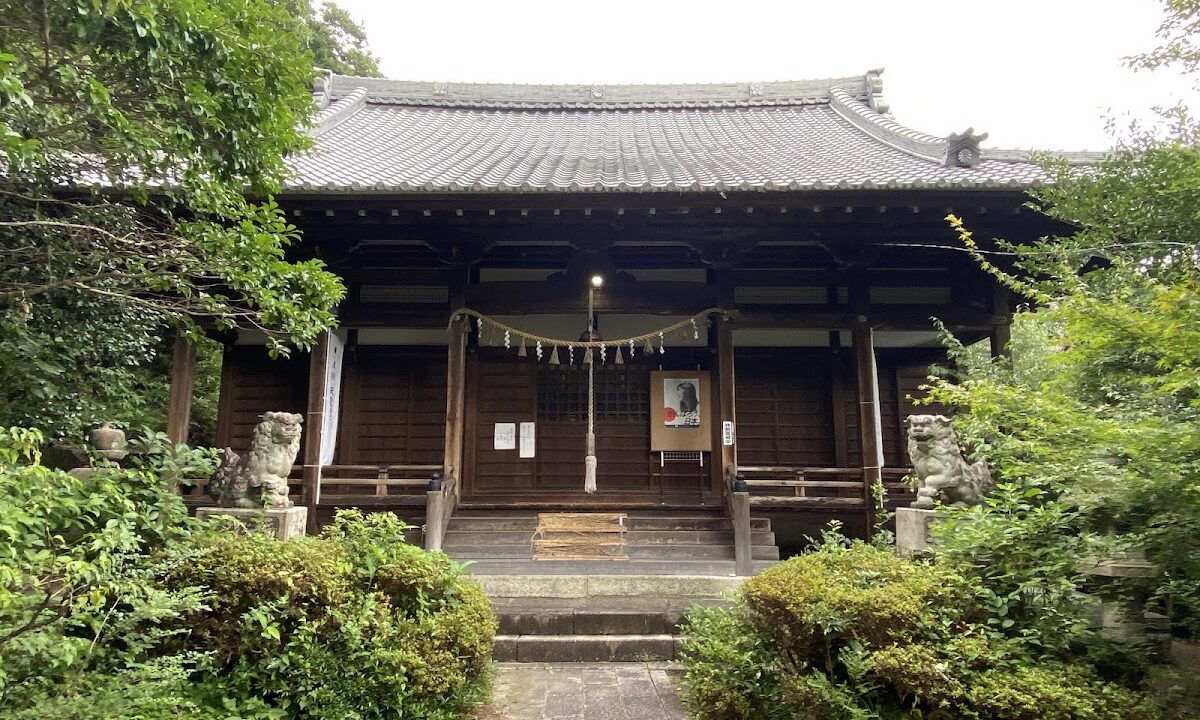
Nawashiro Shrine (Asahi Town, Mie Prefecture) Complete Guide | Goshuin (Shrine Seal), History, and Access Information
Nawashiro Shrine, located in the Nawao district of Asahi Town, Mie Prefecture, is a venerable shrine that has long been revered as a Shikinaisha (shrine listed in the Engishiki) of Ise Province. Situated on the summit of a low mountain, and said to have ties to the legend of Issun-boshi (the one-inch boy), this guide provides detailed information on its history, goshuin (shrine seal), highlights within the grounds, and access methods.
Basic Information about Naeshiro Shrine
Location
2645 Nawao, Asahi-cho, Mie-gun, Mie Prefecture 510-8102
Deity Enshrined
Sukunahikona-no-Mikoto
Shrine Rank
- Shikinaisha (Asake District, Ise Province)
- Former Village Shrine
Nearest Station
Approximately 9 minutes on foot from Kintetsu Nagoya Line “Ise-Asahi Station” (approximately 700m north)
Parking
Parking available for visitors on the shrine grounds
History and Origins of Naeshiro Shrine
Founding and Status as a Shikinaisha
The exact founding date of Naeshiro Shrine is unclear, but according to shrine tradition, Sukunahikona-no-Mikoto was invited and enshrined from Aekuni Shrine in Iga Province during the Hakuhō era (late 7th century). This shrine is listed in the Engishiki Jinmyocho, a list of shrines compiled in 927 during the Heian period, indicating its importance in Asake District since ancient times.
A Shikinaisha is a shrine listed in the Engishiki, signifying a prestigious shrine officially recognized by the imperial court at the time. While many Shikinaisha exist in Mie Prefecture, Naeshiro Shrine is a representative ancient shrine in the Asahi-cho area, attracting local devotion.
Sukunahikona-no-Mikoto and Divine Virtues
The enshrined deity, Sukunahikona-no-Mikoto, is known in Japanese mythology as a god who dedicated himself to nation-building. He worked alongside Okuninushi-no-Mikoto in land management and is particularly worshipped as the god of medicine, hot springs, and sake brewing. Furthermore, as a small god possessing wisdom and courage, he is considered the model for Issun-boshi (the one-inch boy), which is why Naeshiro Shrine is known as a “shrine associated with Issun-boshi.”
Naeshiro Shrine is revered by the local community for its divine blessings related to health, recovery from illness, bestowal of wisdom, and abundant harvests.
Relationship with the Place Name “Nawashiro”
There is believed to be a deep connection between the place name “Nawashiro,” where the shrine is located, and the name “Naeshiro Shrine.” “Naeshiro” means the place where rice seedlings are grown, suggesting that this region has been deeply connected to rice cultivation since ancient times. As a shrine dedicated to Sukunahikona-no-Mikoto, who also has characteristics as a god of agriculture, it has been revered as the guardian deity of local agriculture.
Naeshiro Shrine Grounds and Highlights
Shrine Situated on a Mountaintop
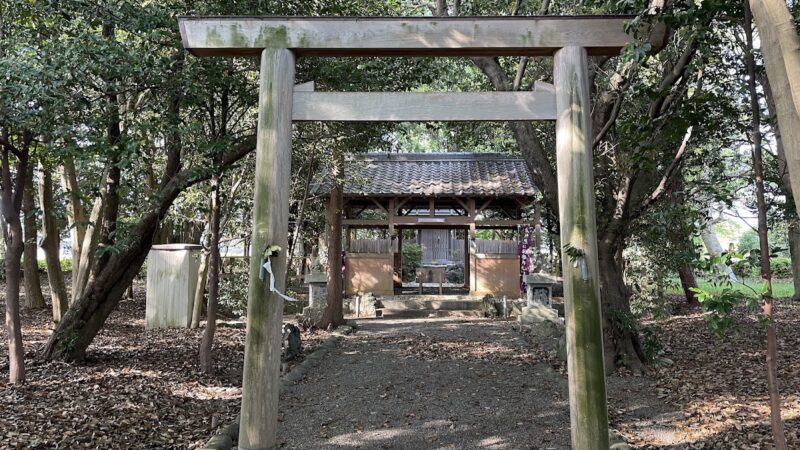
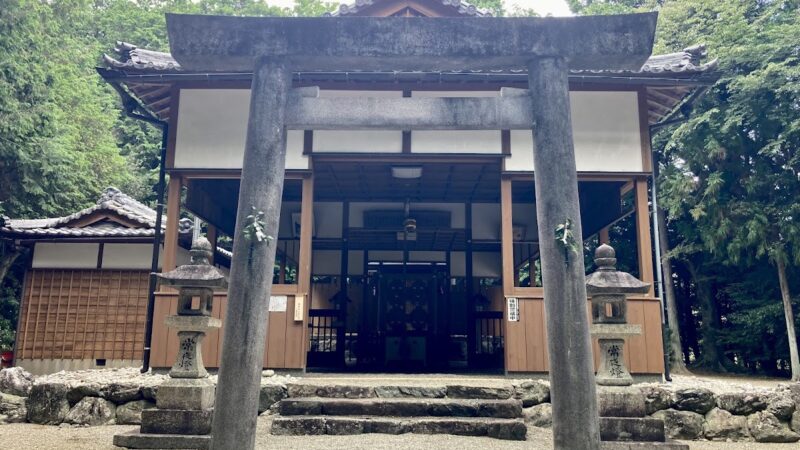
Naeshiro Shrine is located almost at the top of a low mountain, and access to the grounds is via a stone staircase. Surrounded by trees, it offers a quiet environment, offering a sacred atmosphere far removed from the hustle and bustle of the city.
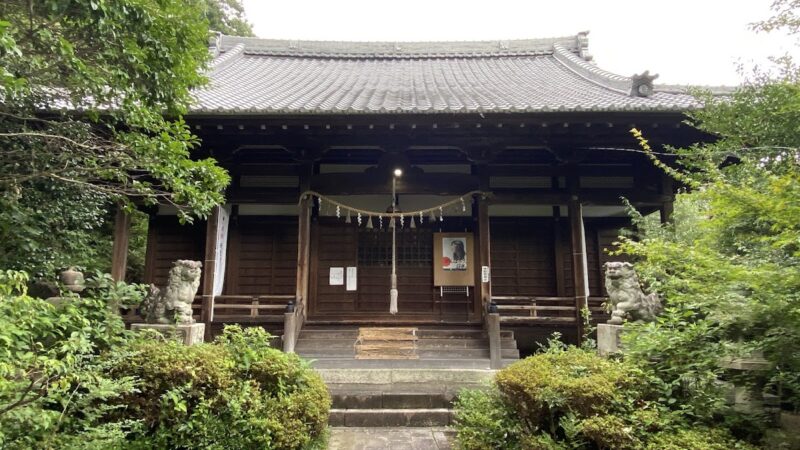
The main hall is built in the traditional shrine architectural style, and together with the worship hall, it conveys the history of the region to the present day. The shrine grounds are well-maintained, preserving an environment where visitors can appreciate the changing seasons while offering their prayers.
Natural Environment of the Shrine Grounds
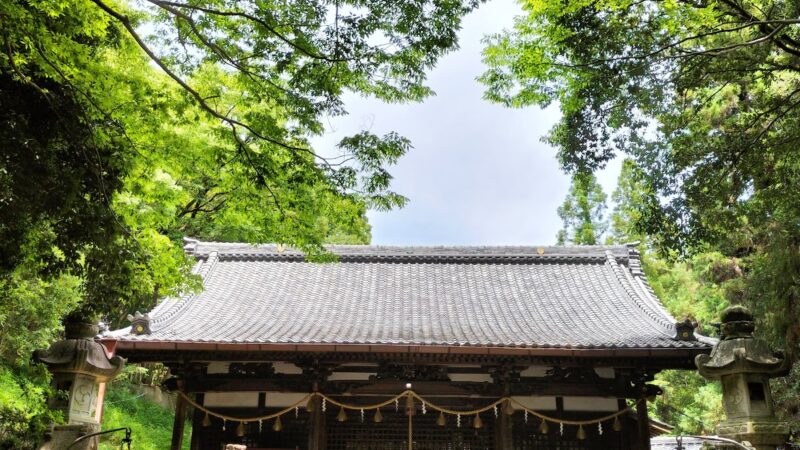
Taking advantage of its location on a mountaintop, the shrine grounds retain abundant natural beauty. In particular, it displays different expressions with each season: the fresh greenery of spring, the deep green of summer, the vibrant autumn foliage, and the tranquility of winter. The peaceful environment that allows for a calm and peaceful visit is one of the great charms of Naeshiro Shrine.
Stone Steps and Approach
Approaching the shrine from the direction of Ise-Asahi Station, visitors are greeted by an approach and stone steps leading from the foot of the mountain. The process of climbing the steps itself is a time to shift one’s mind from everyday life to a sacred realm. While the number of steps is not particularly large, it provides moderate exercise, making it a fitting pilgrimage experience for those visiting a shrine to pray for good health.
About Goshuin (Shrine Seals)
How to Obtain Goshuin
Goshuin can be obtained at Naeshiro Shrine. However, there is no permanent shrine office, so if you wish to receive a Goshuin (shrine stamp), you will need to visit the priest’s home, which is a few minutes’ walk from the shrine.
According to visitor accounts, if you speak to the priest, he will kindly come to the shrine and hand-write the Goshuin for you. This kind of courteous service reflects the warmth of a shrine deeply rooted in the community.
Points to Note When Receiving a Goshuin
- Visit the priest’s home after completing your regular shrine visit.
- It is recommended to visit with ample time, as the priest may have a schedule to consider.
- Bring your Goshuincho (stamp book) and make your request politely.
- Prepare a donation (usually around 300-500 yen).
Relationship with Obuke Shrine
Obuke Shrine is also located in the same Asahi-cho town, and the same priest serves both shrines. Many people visit both shrines together, making it a popular shrine pilgrimage in Asahi-cho. You can also receive Goshuin (temple/shrine stamps) at both shrines.
Access and Surrounding Information
Access by Public Transportation
Nearest Station: Kintetsu Nagoya Line “Ise-Asahi Station”
Travel Time: Approximately 9 minutes on foot from the station exit (approximately 700m)
From Ise-Asahi Station, head north, and after passing through a residential area, you will see the mountain where the shrine is located. There are signs along the way, making it a relatively easy route to follow.
Access by Car
Access from Major Roads:
- Approximately 2km from National Route 1
- Approximately 3km from National Route 23 (Meishi National Highway)
Parking: There is parking space for visitors on the shrine grounds. However, due to its location on a mountain, some roads are narrow. Those who are not confident in their driving skills are advised to use public transportation.
Nearby Shrines and Temples
Komukai Shrine
Like Naeshiro Shrine, this is a Shikinaisha (shrine listed in the Engishiki) located in Asahi Town. The same priest serves both shrines, so visiting both is recommended.
Other Nearby Spots
Asahi-cho is adjacent to Yokkaichi City, providing good access to shrines and temples within Yokkaichi City. There are restaurants and convenience stores around Ise-Asahi Station, making it convenient for resting before or after your visit.
Points and Manners for Visiting
Visiting Etiquette
- Bow Before Passing Through the Torii Gate
As a sign of respect before entering the sacred area, bow before the torii gate before entering the grounds.
- Purify Yourself at the Water Basin
If there is a water basin on the grounds, purify your hands and mouth before praying.
- Praying at the Main Hall
Pray using the two bows, two claps, and one bow ritual.
- Bow deeply twice
- Clap your hands twice
- Bow deeply once at the end
Suitable Time for Visiting
Naeshiro Shrine is open for worship at all times, but if you wish to receive a Goshuin (shrine stamp), the best time is during the daytime (around 9:00 AM to 4:00 PM). The head priest is likely to be absent in the early morning or after evening, so please be mindful of the time if you wish to receive a Goshuin.
Clothing and Items to Bring
- As the shrine is located on a mountain, comfortable walking shoes are recommended.
- Insect repellent is useful in the summer.
- Dress warmly in the winter.
- If you wish to receive a Goshuin, do not forget your Goshuincho (stamp book) and offering.
Naeshiro Shrine and the Legend of Issun-boshi
As a Shrine Associated with Issun-boshi
Naeshiro Shrine is sometimes introduced as a “shrine associated with Issun-boshi.” This is because the enshrined deity, Sukunahikona-no-Mikoto, is known as a small god and is considered to be the prototype of Issun-boshi.
In the Kojiki and Nihon Shoki, Sukunahikona-no-Mikoto is depicted as a god with a very small body but possessing wisdom and courage, who, together with Okuninushi-no-Mikoto, accomplished the creation of the nation. Because this image overlaps with the story of Issun-boshi (the one-inch boy), who displays wisdom and courage despite his small size, shrines dedicated to Sukunahikona-no-Mikoto are often associated with the Issun-boshi legend.
Divine Virtue of Wisdom and Courage
As the story of Issun-boshi teaches, the lesson that one can overcome difficulties with wisdom and courage, regardless of size, resonates with us living in modern times. It is believed that visiting Naeshiro Shrine bestows such wisdom and courage upon oneself.
Annual Events and Festivals
As the local guardian shrine, Naeshiro Shrine holds various festivals throughout the year. For detailed dates, we recommend asking the chief priest during your visit or checking local information.
Generally, the main events held at shrines include:
- New Year’s Day Festival (January 1st)
- Spring Grand Festival
- Autumn Grand Festival
- Monthly Festival
These are some examples. Participating in local traditional events will allow you to feel a deeper connection to the shrine.
History of Asahi Town and Naeshiro Shrine
Overview of Asahi Town
Asahi Town, located in the northern part of Mie Prefecture, is a small town bordering Yokkaichi City and Kuwana City. It has a population of approximately 10,000, but has a long history of development as a transportation hub.
The Role of Naeshiro Shrine in the Region
Naeshiro Shrine, located in the Nawao district of Asahi Town, has long functioned as a spiritual center for the community. While possessing the status of a Shikinaisha (a shrine listed in the Engishiki), it is cherished by residents as a local guardian deity.
Even today, it plays a role in strengthening community ties through local festivals and annual events. Even amidst increasing urbanization, the preservation of such traditional places of worship is extremely important for the transmission of local culture.
Visitor Voices and Experiences
A Quiet Worship Experience
Many visitors highly appreciate the quiet and peaceful atmosphere of Naeshiro Shrine. Its charm lies in the fact that it is a simple shrine, not commercialized for tourism, allowing visitors to worship at their own pace and with a calm mind.
The Warm Welcome of the Priest
Many visitors who received a Goshuin (shrine stamp) have expressed their admiration for the priest’s thoughtful service, as he personally came to the shrine to write the stamp for them. This kind of warm human interaction is another charm unique to small shrines.
View from the Mountaintop
Because the shrine grounds are located on the mountaintop, visitors can enjoy views of the surrounding scenery. Especially on clear days, visitors can overlook the townscape of Asahi-machi, and it is said that they can worship with a refreshing feeling.
Pilgrimage to Shikinaisha Shrines in Mie Prefecture
How to Enjoy Pilgrimage to Shikinaisha Shrines
Naeshiro Shrine is one of the Shikinaisha shrines in Mie Prefecture and is a popular destination for shrine pilgrimages. Mie Prefecture has numerous Shikinaisha shrines, each with its own unique history and charm.
Pilgrimages to Shikinaisha shrines allow you to experience the history of ancient faith firsthand and provide a great opportunity to learn about the culture and local characteristics of each region. When visiting Naeshiro Shrine, it is also recommended to visit nearby Shikinaisha shrines.
Shikinaisha Shrines Around Asahi Town
- Komukai Shrine (Asahi Town)
- Tado Taisha (Kuwana City)
- Kuwana Shrine (Kuwana City)
- Tsubaki Daijinja (Suzuka City)
Many other Shikinaisha shrines are located in the surrounding areas.
Summary: A Recommendation to Visit Naeshiro Shrine
Naeshiro Shrine is a historic shrine listed in the Engishiki (ancient Japanese legal code) located in Asahi-cho, Mie-gun, Mie Prefecture. It enshrines Sukunahikona-no-Mikoto as its main deity and is believed to bestow blessings for health, wisdom, and abundant harvests.
Nestled in a quiet environment on a mountaintop, its simple atmosphere, unspoiled by tourism, is its charm. It’s easily accessible, about a 9-minute walk from Ise-Asahi Station, making it a shrine you can visit casually.
While you’ll need to visit the priest’s home near the shrine to receive a Goshuin (shrine stamp), the courteous service is said to be a heartwarming experience. It’s also associated with the legend of Issun-boshi (the one-inch boy), and many visitors come seeking blessings of wisdom and courage.
Why not visit Naeshiro Shrine as part of your tour of Mie Prefecture’s Engishiki shrines, Asahi-cho’s shrines, or your sightseeing in the Yokkaichi/Kuwana area? Spending time in quiet prayer in this sacred space, where ancient beliefs still thrive, will be a precious experience that allows you to forget the hustle and bustle of everyday life.