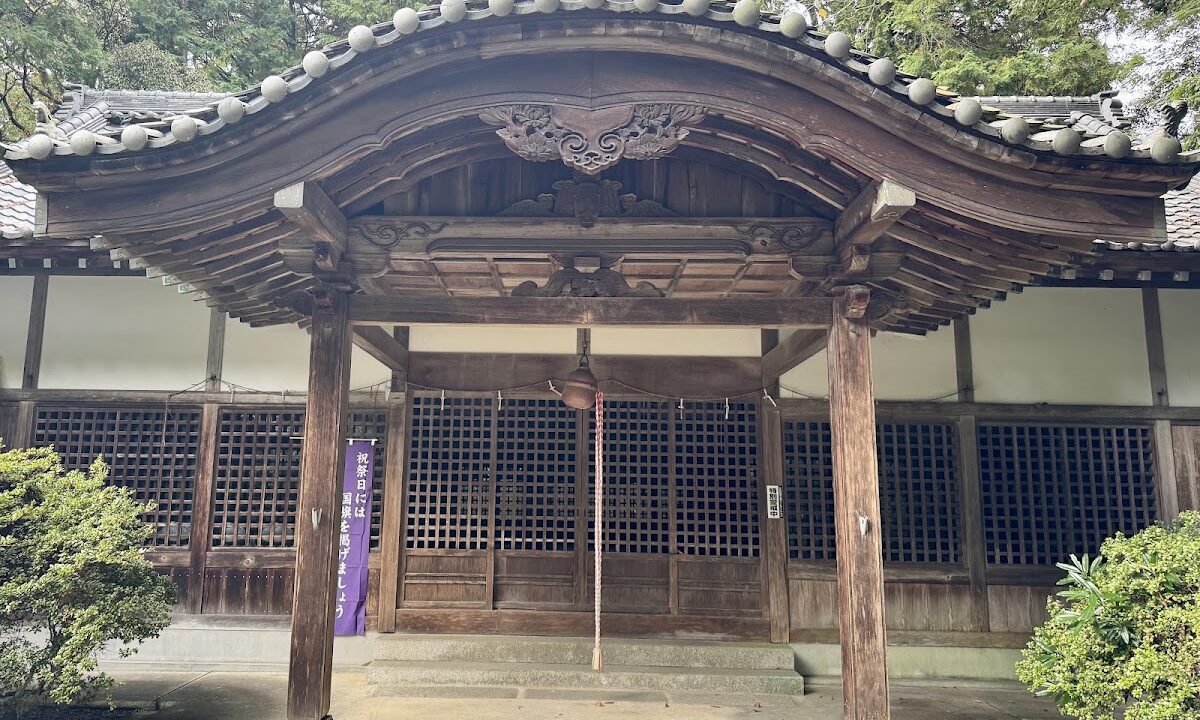
Minifuri Shrine (Tsu City, Mie Prefecture) Complete Guide | History, Deities, Access, and Visiting Information
About Minifuri Shrine
Minifuri Shrine is a Shinto shrine located at 2250 Kitakuroda, Kawage-cho, Tsu City, Mie Prefecture. As one of the 815 shrines in Mie Prefecture affiliated with the Association of Shinto Shrines, it has long been a center of local faith. The current chief priest is Yoshihiro Hattori, and the shrine is officially registered as a religious corporation belonging to the Mie Prefecture Association of Shinto Shrines.
Kawage-cho in Tsu City is a region facing Ise Bay, and has long been a thriving area for agriculture and fishing. Minifuri Shrine, as the guardian deity of this region, has been deeply rooted in the lives of the residents and continues to be revered to this day.
Origin and Pronunciation of the Shrine Name
The unusual shrine name “Minifuri” is thought to originate from an old place name or Shinto ritual. The pronunciation “Minifuri” may reflect local dialect or archaic language, reflecting the unique historical background of this region. Mie Prefecture has many shrines with unique names, each serving as a valuable resource for preserving the local culture and history.
History of Minifuri Shrine
Founding and History
While the exact founding date of Minifuri Shrine is unclear from existing historical records, it is believed to have been an object of worship from a considerably ancient period, based on the traditions of local elders and the establishment dates of surrounding shrines.
The Kawage-cho area of Tsu City flourished as part of Ise Province since ancient times and has deep ties to Ise Grand Shrine. Many shrines in this region were established alongside the development of the area and agriculture, functioning as places to pray for abundant harvests and family safety.
Relationship with the Association of Shinto Shrines
As a shrine affiliated with the Association of Shinto Shrines, Minifuri Shrine maintains a network with shrines nationwide through the Mie Prefecture Shrine Association. The Association of Shinto Shrines (Jinja Honcho) is a religious corporation encompassing approximately 80,000 shrines nationwide and is the central organization of Shinto, with Ise Grand Shrine as its head shrine.
The Mie Prefecture Shrine Association is comprised of 815 shrines within the prefecture. Its activities include encouraging visits to Ise Grand Shrine, promoting support activities, training Shinto priests, holding training sessions and workshops for Shinto priests, representatives, and other shrine-related personnel, handling communications with the Association of Shinto Shrines, and conducting educational and public relations activities to raise awareness of shrines. Minifuri Shrine is also a member of this network, continuing to protect local faith.
Deities and Benefits
About the Deities
The deities enshrined at Minifuri Shrine are believed to be gods that have been worshipped since ancient times as guardian deities of the region. Many local shrines in Mie Prefecture enshrine imperial ancestral deities, such as Amaterasu Omikami, or local pioneering deities or tutelary deities.
As a local shrine, it has played a role in protecting abundant harvests, family safety, and the prosperity of the community.
Benefits and Faith
At Minifuri Shrine, the following benefits are expected:
- Family Safety: Protection of family health and peaceful living
- Abundant Harvest: Prayers for abundant harvests in agricultural areas
- Community Safety: Prayers for peace and prosperity in the parish area
- Protection from Misfortune: Protection from various calamities
As the guardian deity of the community, it also plays an important role as a place for life rituals such as first shrine visits, Shichi-Go-San (a traditional rite of passage for children), and exorcisms.
Highlights of the Shrine Grounds
Shrine Buildings and Facilities
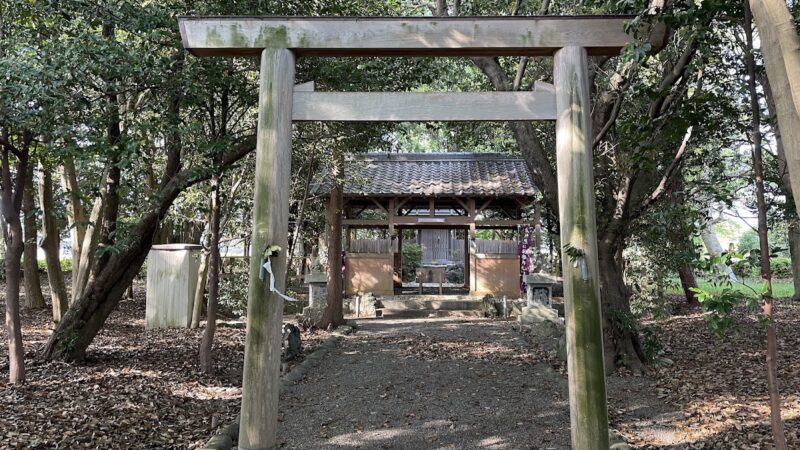
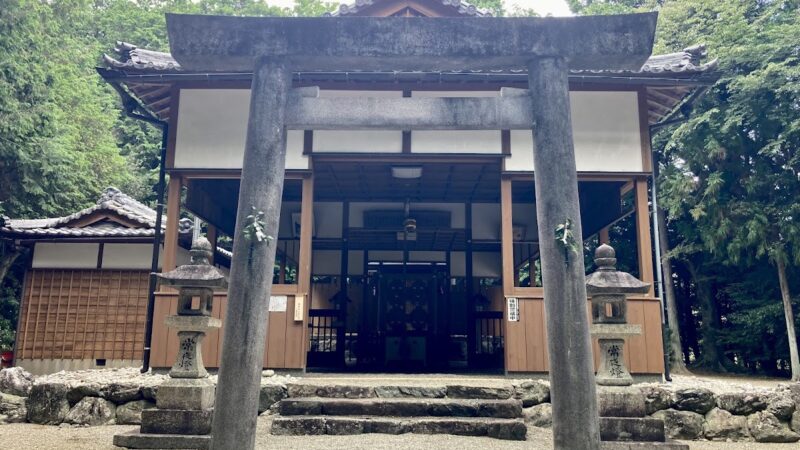
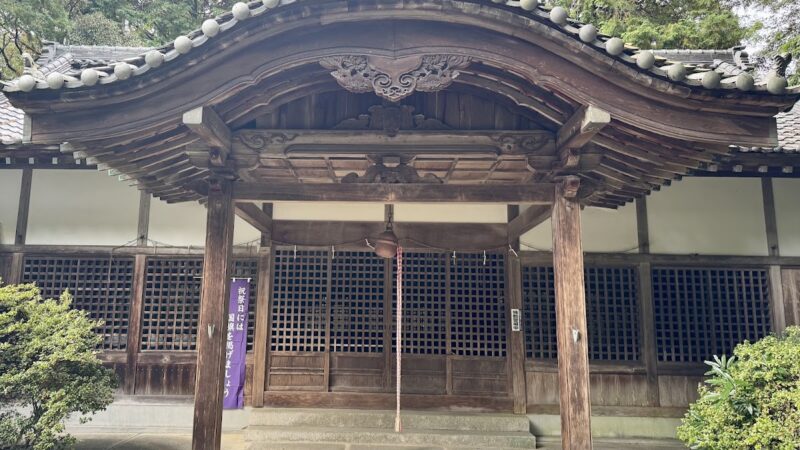
The grounds of Minifuri Shrine have a calm atmosphere befitting a local shrine. In addition to the main shrine buildings such as the main hall and worship hall, there are also facilities for worshippers such as a purification fountain.
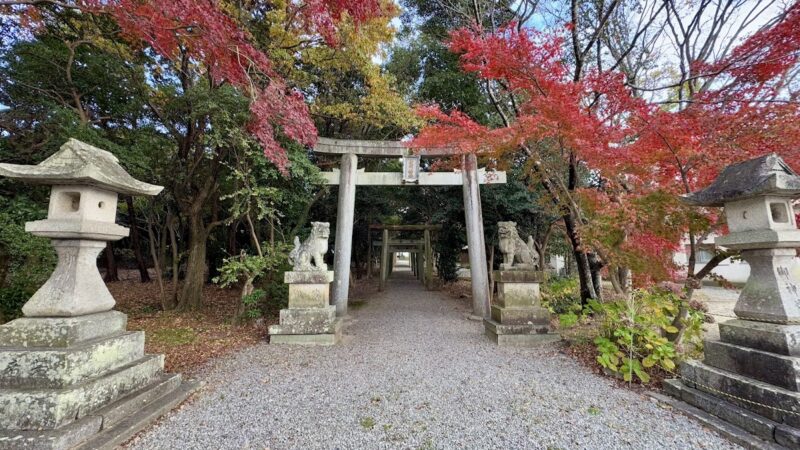
The shrine grounds are home to trees carefully maintained by local residents, allowing visitors to experience the beauty of nature throughout the seasons. The tranquil grounds offer particularly beautiful scenery during the fresh greenery of spring and the vibrant autumn foliage.
Annual Festivals and Events
Minifuri Shrine holds various festivals and events throughout the year. As a local shrine, the following events are likely to be held:
- Grand Festival: The shrine’s most important festival
- New Year’s Festival: Prayers for peace in the new year
- Spring and Autumn Festivals: Thanksgiving and prayers for a bountiful harvest
- Summer Purification Ceremony: Purification of sins and impurities accumulated over the past six months
- Year-End Purification Ceremony: Purification of sins and impurities accumulated over the past year
These festivals are attended by local parishioners, serving as a place to deepen the bonds of the local community.
How to Worship and Etiquette
Basic Worship Etiquette
When visiting Minifuri Shrine, please follow the basic Shinto etiquette:
- Bow before passing through the torii gate: A courtesy before entering the sacred area
- Purify yourself at the water basin: Purify your left hand, right hand, and mouth in that order, and finally your left hand
- Avoid walking in the center of the approach: The center is the path for the gods
- Bow twice, clap twice, and bow once in front of the main hall: A basic Shinto worship etiquette
- Bow again at the torii gate when leaving: A courtesy when leaving the sacred area
Life Rituals and Shrines
Shrines are also places to visit at important milestones in life. It is believed that the following life-cycle rituals are performed at Minifuri Shrine:
- First Shrine Visit: Reporting the birth of a baby to the gods and praying for healthy growth.
- Shichi-Go-San: Celebrating a child’s growth and praying for future health.
- Exorcism: Warding off misfortune during unlucky years and praying for peace.
- Wedding Ceremony: Exchanging wedding vows before the gods.
It is common to contact the shrine in advance and make a reservation for these rituals.
Amulets and Talismans
Shrines bestow amulets and talismans. Amulets are placed on the household altar to pray for family safety. Talismans are worn and carried to protect daily safety.
It is common to replace amulets with new ones every year, and old amulets are returned to the shrine for burning.
Access Information
Location
Address: 2250 Kitakuroda, Kawage-cho, Tsu City, Mie Prefecture
Access by Car
- Approximately 15 minutes from Tsu IC on the Ise Expressway
- Accessible via National Route 23
- Parking may be available on the temple grounds or nearby (prior confirmation recommended)
Access by Public Transportation
- Take a bus or taxi from JR Kisei Main Line/Ise Railway “Tsu Station”
- Take a Mie Kotsu bus towards Kawage and walk from the nearest bus stop
- Detailed public transportation information can be found on the Mie Kotsu website
Nearby Shrines and Temples
Many shrines and temples are scattered throughout the Tsu City area. When visiting Minifuri Shrine, we recommend also visiting the following shrines:
- Yuki Shrine: A representative shrine of Tsu City
- Mie Prefecture Gokoku Shrine: Known as the prefecture’s Gokoku Shrine
- Takada Honzan Senshuji Temple: The head temple of the Shinshu Takada sect
A map of shrines in the Tsu area can be found on the Mie Prefecture Shrine Association website.
Mie Prefecture’s Shrine Culture
Relationship with Ise Grand Shrine
Mie Prefecture is the region where Ise Grand Shrine, known as the “spiritual home of the Japanese people,” is located. Many shrines in the prefecture have deep ties with Ise Grand Shrine and conduct special support activities during the Shikinen Sengu (periodic rebuilding of the shrine).
The Shikinen Sengu is Japan’s largest Shinto ritual, taking place every 20 years, in which the shrine buildings are rebuilt. Through the Mie Prefecture Shrine Association, shrines in the prefecture actively support and encourage visits to the Shikinen Sengu.
Characteristics of Shrines in Mie Prefecture
Mie Prefecture has approximately 815 shrines affiliated with the Association of Shinto Shrines, each preserving the history and culture of its region. Each region, corresponding to the former provinces of Ise, Iga, and Shima, possesses distinct characteristics and exhibits diverse forms of worship.
The Tsu City area developed as the center of Ise Province and also has a history as a castle town. The shrines in this region exhibit a unique form of worship that blends samurai culture and commoner culture.
Precautions When Visiting a Shrine
Attire and Manners
Please observe the following points when visiting a shrine:
- Clean Attire: Clean and understated clothing is preferable.
- Remove Hats: It is considered good manners to remove your hat while on the shrine grounds.
- Quiet Worship: Please pray quietly and refrain from speaking loudly.
- Photography: Please be mindful of areas where photography is prohibited, such as the main hall.
- Bringing Pets: As a general rule, please refrain from bringing pets onto the shrine grounds.
Visiting Hours
Generally, shrine visits are permitted from sunrise to sunset. However, while many shrine grounds are open 24 hours, it is advisable to refrain from visiting at night.
If you wish to receive prayers or a Goshuin (shrine stamp), it is recommended to check the opening hours of the shrine office in advance.
Connection with the Community
The Parishioners and the Shrine
Minifuri Shrine serves as the tutelary shrine of the Kitakuroda district in Kawage-cho, Tsu City, and is the center of faith for the local residents. Parishioners are local residents who worship the shrine’s deity and cooperate in its maintenance and management.
Local shrines are not merely religious institutions; they play a vital role in strengthening community bonds. Through festivals and cleaning activities, they serve as a place for intergenerational exchange.
Preservation of Local Culture
Shrines also serve as places for passing on local traditional culture to future generations. Cultural activities centered around the shrine, such as festival etiquette, traditional performing arts like Kagura and lion dances, and seasonal events, form the identity of the community.
Minifuri Shrine, too, will continue to be carefully preserved as a valuable presence that conveys the history and culture of the region to the present day.
Activities of the Mie Prefecture Shrine Association
Role of the Shrine Association
The Mie Prefecture Shrine Association, as the organization that oversees shrines within the prefecture, carries out the following activities:
- Training and Education of Shinto Priests: Cultivating Shinto priests who protect shrines
- Workshops for Shrine Personnel: Educating representatives and parishioners
- Encouraging Visits to Ise Grand Shrine: Promoting visits to Ise Grand Shrine by residents of the prefecture
- Educational and Public Relations Activities: Disseminating and raising awareness of shrine culture
- Liaison and Coordination with the Association of Shinto Shrines: Collaborating with the national organization
Through these activities, the association contributes to the maintenance and development of shrine culture in Mie Prefecture.
Initiatives to Learn About Shrines
The Mie Prefecture Shrine Association undertakes various initiatives to help residents learn more about shrines. The website provides information such as a list of shrines in Mie Prefecture, trivia about life rituals and Shinto, and proper etiquette for worship at home.
Those interested in shrines can click on the official website of the Mie Prefecture Shrine Association for more detailed information.
Summary
Minifuri Shrine is a community-based shrine located in Kitakuroda, Kawage-cho, Tsu City, Mie Prefecture. As a formal religious corporation under the Association of Shinto Shrines, it is a member of the prefectural shrine network through the Mie Prefectural Shrine Association.
As the local guardian shrine, it attracts the faith of residents and plays an important role as a place for life rituals and as a center of the local community. It will continue to be cherished by the local people as a place to visit for life’s milestones such as first shrine visits, Shichi-Go-San (a traditional rite of passage for children), and exorcisms, as well as a place to offer daily gratitude and prayers.
Mie Prefecture is home to many historically significant shrines, including Ise Grand Shrine. When visiting Minifuri Shrine, be sure to also visit the surrounding shrines and temples to experience Mie Prefecture’s rich shrine culture. Using a shrine map of the Tsu area will allow you to efficiently visit multiple shrines.
Visiting shrines is a valuable opportunity to experience traditional Japanese culture and purify your soul. By learning the correct etiquette for worship and deepening your knowledge of Shinto, you can have a more fulfilling worship experience. We hope that your visit to Minifuri Shrine will be a peaceful and comforting time for you.