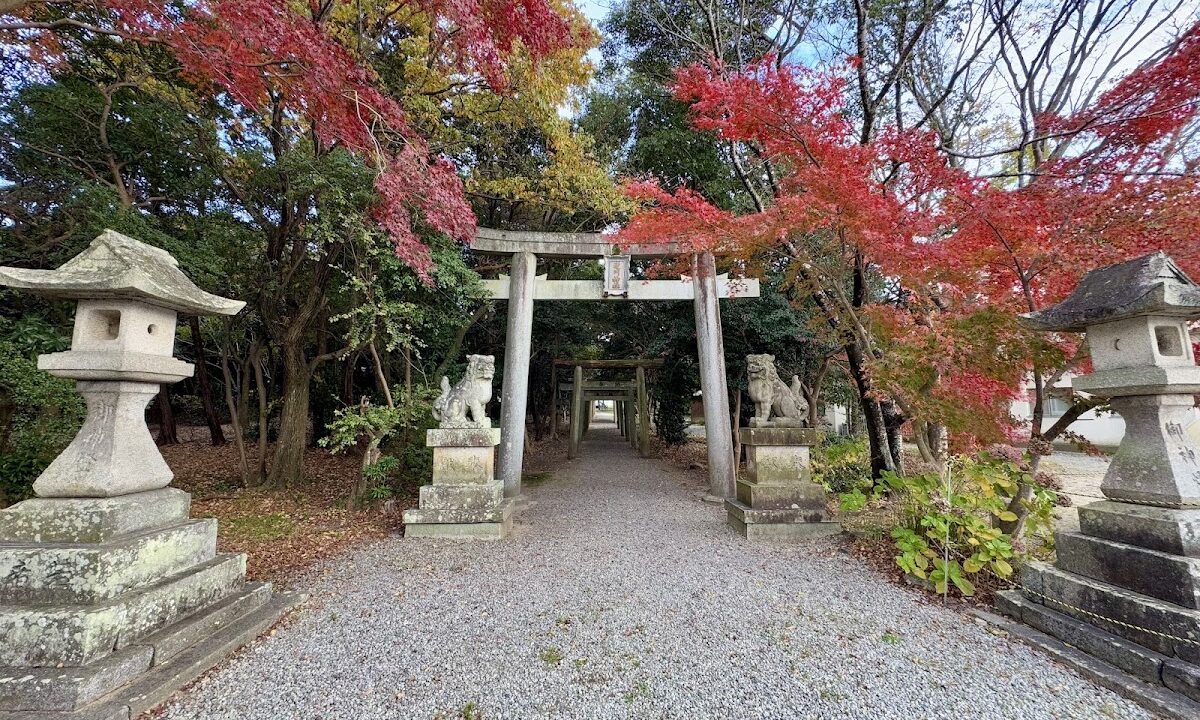
Sakagawa Shrine (Tsu City, Mie Prefecture) Complete Guide | History, Deities, Access, and Highlights Explained in Detail
Sakagawa Shrine, located in Kurima Ogawa-cho, Tsu City, Mie Prefecture, is a historical shrine said to have been founded during the Heian period. Formerly known as “Ryuo Daigongen,” it has attracted the faith of the local community. This article provides detailed information useful for visiting Sakagawa Shrine, including its history, enshrined deities, highlights within the grounds, and access methods.
Basic Information on Sakagawa Shrine
Sakagawa Shrine is located at 275 Kurima Ogawa-cho, Tsu City, Mie Prefecture, and belongs to the Association of Shinto Shrines. It is situated on the right bank near the mouth of the Shidomo River, facing the Ise Kaido road.
Location: 275 Kurima Ogawa-cho, Tsu City, Mie Prefecture
Nearest Station: Approximately 12 minutes on foot (approx. 996m) from Takada Honzan Station on the Kintetsu Nagoya Line, approximately 15 minutes on foot (approx. 1.2km) from Higashi Isshinden Station
Representative Director: Yamato Ryuki
Affiliation: Association of Shinto Shrines
History and Origins of Sakagawa Shrine
Founded in the Heian Period
Sakagawa Shrine is said to have been founded during the reign of Emperor Go-Ichijo in the Heian period (early 11th century, around 1016-1036). This was the height of Fujiwara no Michinaga’s regency, a time when the founding and development of shrines progressed throughout Japan.
From “Ryuo Daigongen” to “Sakagawa Shrine”
From its founding until the early Meiji period, this shrine was known as “Ryuo Daigongen.” The name Ryuo Daigongen indicates that the shrine was worshipped as a water deity and a god of rainmaking. Given its location near the mouth of the Shidomo River, it is thought that worship related to water transport and flood control was prevalent in the area.
Due to the separation of Shinto and Buddhism in the early Meiji era, many shrines changed their names, and Ryuo Daigongen was also renamed “Sakagawa Shrine.” There are various theories about the origin of the name “Sakagawa,” but it is thought to be related to the local topography and the flow of the river.
As a Shrine Along the Ise Highway
Sakagawa Shrine is located facing the Ise Highway. The Ise Highway was an important road used by many people as a pilgrimage route to Ise Grand Shrine, and Sakagawa Shrine has been a popular place for travelers to pray for safety and a safe journey.
Deities and Divine Virtues
Main Deity
The main deity enshrined at Sakagawa Shrine is Izanami-no-Mikoto. In Japanese mythology, Izanami-no-Mikoto is known as the mother goddess who, along with Izanagi-no-Mikoto, created the land and gave birth to many gods.
Enshrined Deities
In addition to the main deity, the following deities are enshrined:
- Takamimusubi-no-kami: God of creation, god of generating all things
- Toyoukehime-no-mikoto: God of food and grains, enshrined at the Outer Shrine of Ise Grand Shrine
- Toyotamahime-no-mikoto: Daughter of the sea god, goddess of safe childbirth and child-rearing
- Okuninushi-no-mikoto: God of nation-building, goddess of matchmaking and business prosperity
Divine Virtues
From these enshrined deities, Sakagawa Shrine is believed to possess the following divine virtues:
- Matchmaking and marital harmony: Divine virtues of Izanami-no-mikoto and Okuninushi-no-mikoto
- Safe childbirth and child-rearing: Divine virtues of Toyotamahime-no-mikoto
- Abundant Harvest and Business Prosperity: Divine Virtues of Toyoukehime-no-Mikoto and Okuninushi-no-Mikoto
- Good Fortune and Prosperity: Divine Virtues of Takamimusubi-no-Kami
- Protection from Water Disasters: Former Faith as Ryuo Daigongen
Highlights of the Shrine Grounds
Shrine Building
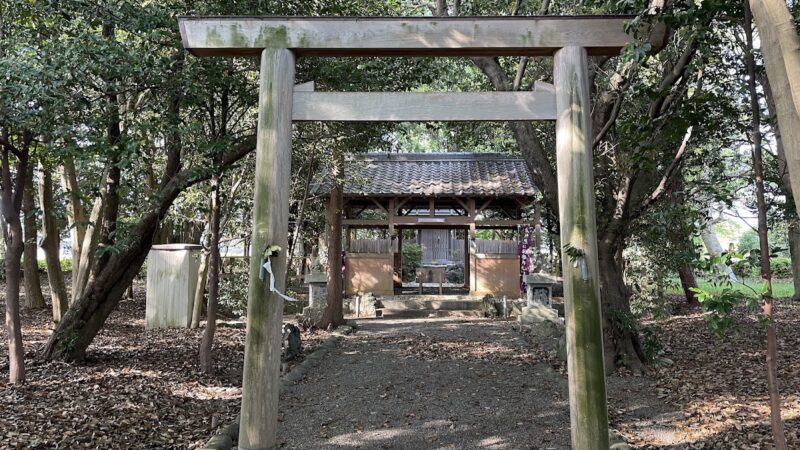
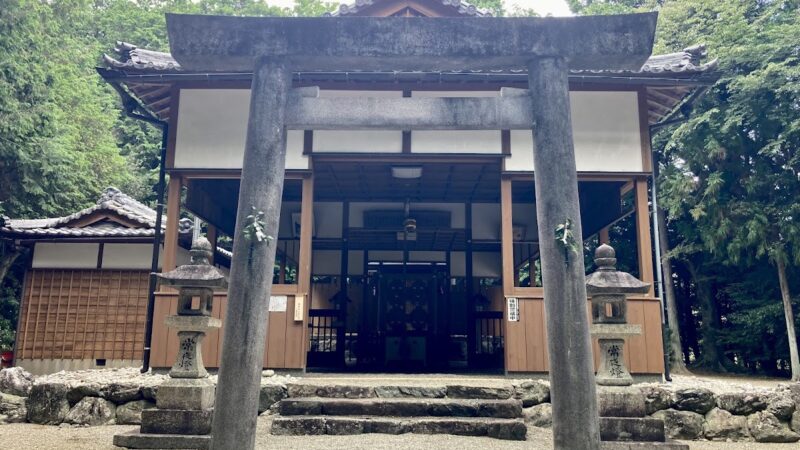
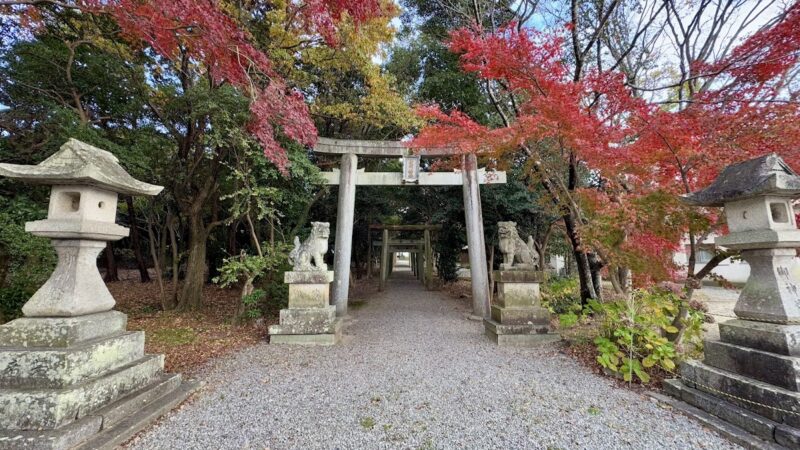
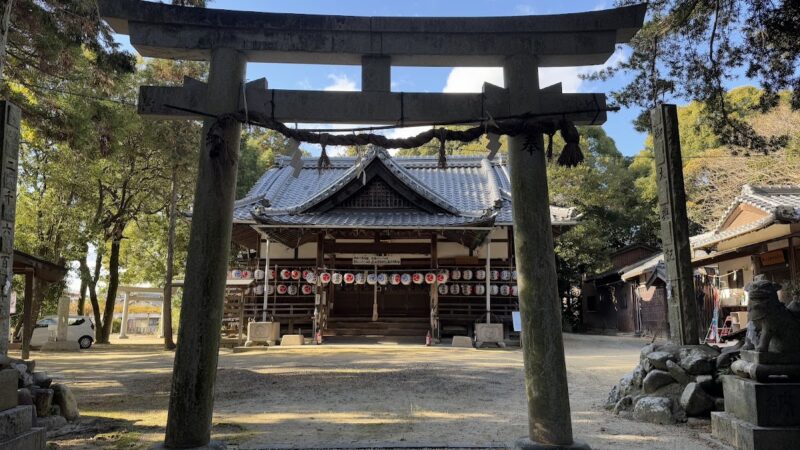
The shrine building of Sakagawa Shrine is located at the back of the approach facing the Ise Highway. While not large in scale, it is a charming shrine that has been carefully preserved by the local people. Regular maintenance ensures a clean and serene atmosphere.
Benten Pond
Behind the shrine building is a pond called “Benten Pond.” This pond is one of the important highlights of the shrine grounds, preserving the remnants of the water deity worship of the former Ryuo Daigongen. The area around the pond is enveloped in a tranquil atmosphere, calming the hearts of visitors.
Azalea Season
Sakagawa Shrine is particularly beautiful during azalea season (late April to early May). The azaleas blooming on the shrine grounds are stunning, adding a touch of color to your spring visit. Visiting during this time allows you to spend a peaceful time surrounded by flowers in the tranquil grounds.
Relationship with Shidomogawa River
The shrine grounds are geographically located near the mouth of the Shidomogawa River, allowing you to feel the flow of the river. Imagining its past connection to water transport and flood control will deepen your understanding of the shrine’s historical background.
Access Methods
Access by Train
Using the Kintetsu Nagoya Line:
- Approximately 12 minutes on foot from Takada Honzan Station (approx. 996m)
- Approximately 15 minutes on foot from Higashi Isshinden Station (approx. 1.2km)
Both stations are within walking distance, but access from Takada Honzan Station is slightly closer. From the station, head towards the Ise Kaido road and follow the signs to arrive.
Access by Car
Since it is located along the Ise Kaido road, it is accessible by car. However, it is recommended to check in advance whether there is a dedicated parking lot on the temple grounds. Please plan your visit considering the surrounding road conditions and parking availability.
Distance from Major Nearby Attractions
- Approximately 4km from Tsu Station (approximately 15 minutes by car)
- Approximately 40km from Ise Grand Shrine (approximately 50 minutes by car)
- Approximately 70km from central Nagoya (approximately 1 hour 30 minutes by car)
Manners and Etiquette for Worship
Basic Worship Etiquette
- Bow before passing through the torii gate: Bow before entering the shrine grounds.
- Walk along the edge of the approach: The center of the approach is considered the path for the gods.
- Purify at the water basin: Purify your left hand, right hand, and mouth in that order.
- Etiquette in front of the main hall: The basic etiquette is two bows, two claps, and one bow.
Photography
Photography is generally permitted on the shrine grounds, but consideration is needed inside the shrine buildings and during special ceremonies. Please take photos quietly so as not to disturb other worshippers.
About Goshuin (Shrine Seals)
Currently, it is reported that Sakagawa Shrine does not issue Goshuin (shrine seals). However, there is also information that an electronic Goshuin service may be available. Those wishing to receive a Goshuin are advised to check in advance.
Shrine policies and circumstances may change, so please contact the shrine directly or the Mie Prefecture Shrine Association for the latest information.
Annual Events and Festivals
Sakagawa Shrine, as a local shrine, holds various festivals and events. The main annual events are thought to include the following:
Spring Festivals
- Spring Festival: A festival to pray for a bountiful harvest as spring arrives.
- Azalea Blooming Season (Late April to Early May): The most vibrant season for the shrine grounds.
Autumn Festivals
- Autumn Festival: A festival to express gratitude for the harvest and pray for a good harvest the following year.
Other Festivals
- Monthly Festival: A regular festival held every month.
- Great Purification Ceremony: A purification ritual held in June and December.
For specific dates and details, please check with the Mie Prefecture Shrine Association or local information.
Nearby Attractions
Takada Honzan Senshuji Temple
This is the head temple of the Shinshu Takada sect, located within walking distance of Sakagawa Shrine. It houses the Mikage-do and Nyoraido halls, designated as National Treasures, and offers magnificent architecture to admire. Visiting it in conjunction with a visit to the shrine is highly recommended. ### Tourist Attractions in Tsu City
- Tsu Castle Ruins: The site of a castle built by Todo Takatora, now developed as a park.
- Gotemba Coast: A beautiful coastline with white sand and pine trees.
- Sakakibara Onsen: A famous hot spring known as “Nanaguri no Yu”.
Access to Ise Grand Shrine
Ise Grand Shrine is approximately a 50-minute drive from Sakagawa Shrine. As a shrine along the Ise Highway, it’s a charming stop before or after a pilgrimage to Ise.
Charms of Sakagawa Shrine
Quiet Worship Environment
Sakagawa Shrine is not a large-scale tourist shrine, allowing for a quiet and peaceful worship experience. It’s an ideal environment for those seeking solace away from the hustle and bustle, and for those who wish to deeply connect with the deities.
Community-Rooted Faith
This shrine has a long history dating back to the Heian period, and has been protected by the local people. The faith and care the local people have for the shrine are reflected in the atmosphere of the grounds.
Seasonal Beauty
The shrine grounds offer a chance to experience the beauty of nature throughout the seasons, especially during the azalea season. The azalea season, in particular, is a popular time to visit, attracting many worshippers.
Historical Value
This shrine has a rich historical and cultural background, including its name change from Ryuo Daigongen to Sakagawa Shrine, its connection to the Ise Road, and its geographical relationship with the Shidomogawa River. It is a valuable site for learning about the history of the region.
Points to Note When Visiting
Visiting Hours
While the shrine grounds are generally open for worship, it is recommended to avoid visiting early in the morning or late at night, and instead visit during daylight hours.
Dress Code
There are no specific dress code requirements, but please dress neatly and respectfully when visiting the shrine.
Behavior within the Shrine Grounds
- Do not speak loudly
- Always take your trash with you
- Do not harm plants or animals
- Remember to be considerate of other visitors
Visiting Shrines in Mie Prefecture
When visiting Sakagawa Shrine, why not also visit other shrines in Mie Prefecture?
Shrines around Tsu City
- Yuki Shrine: A shrine known for its plum blossoms
- Tsubaki Grand Shrine: The Ichinomiya (first-ranked shrine) of Ise Province, dedicated to Sarutahiko-no-Okami
- Akuni Shrine: The Ichinomiya of Iga Province, a shrine with a long history
Ise-Shima Area
- Ise Grand Shrine (Naiku and Geku): The spiritual home of the Japanese people
- Futami Okitama Shrine: A shrine famous for its Meoto Iwa (Married Couple Rocks)
- Sarutahiko Shrine: A shrine dedicated to the god of guidance
Sakagawa Shrine and Local Culture
History of Kurima Ogawa-cho, Tsu City
Kurima Ogawa-cho, where Sakagawa Shrine is located, is situated in the northern part of Tsu City and has developed as a settlement along the Ise Highway since ancient times. It is a region where agriculture and commerce have flourished, benefiting from the bounty of the Shidomo River.
Culture of the Ise Kaido Road
The Ise Kaido Road became an important thoroughfare during the Edo period when pilgrimages to Ise Shrine flourished, attracting many travelers. Sakagawa Shrine also gathered the faith of those who traveled this road, watching over their safe journeys.
Connection to Water
Sakagawa Shrine has a deep connection to water, given its location near the mouth of the Shidomo River, its former name Ryuo Daigongen, and the Benten Pond within its grounds. This is closely linked to the history of flood control and water transport in the region.
Enjoyment After Visiting the Shrine
Local Food Culture
Tsu City is known for its eel. Also, “Tsu Gyoza,” large dumplings, are a popular local delicacy. Enjoying the local food culture after visiting the shrine is highly recommended.
Exploring the Surrounding Area
Historical buildings and sites are scattered along the Ise Kaido Road. A stroll along the road, enjoying the atmosphere, is a delightful experience in conjunction with your shrine visit.
Summary
Sakagawa Shrine is a historic shrine located in Tsu City, Mie Prefecture, founded during the Heian period. Formerly known as Ryuo Daigongen, it has been a center of water deity worship, cherished by the local people. Its location along the Ise Highway, its connection to the Shidomo River, and the Benten Pond within its grounds give it a unique history and culture.
The main deity enshrined here is Izanami-no-Mikoto, with Takamimusubi-no-Kami, Toyoukehime-no-Mikoto, Toyotamahime-no-Mikoto, and Okuninushi-no-Mikoto also enshrined. It offers various divine blessings, including matchmaking, safe childbirth, and abundant harvests.
During the azalea season, the shrine grounds are adorned with beautiful flowers, creating a quiet and peaceful atmosphere for a peaceful visit. It’s easily accessible, about a 12-minute walk from Takada Honzan Station, making it ideal for a stop during sightseeing in Tsu City or a pilgrimage to Ise.
While it’s not a large-scale tourist shrine, the tranquil atmosphere and the history of faith deeply rooted in the local community are what make Sakagawa Shrine so appealing. When you visit Mie Prefecture, be sure to stop by Sakagawa Shrine.