Complete Guide to Nakiri Shrine (Shima City, Mie Prefecture) | Guardian Deity of the Sea Known for the Whale Stone and the Waraji Festival
Nakiri Shrine, located in Nakiri, Daio-cho, Shima City, Mie Prefecture, is a shrine that has long been revered as the tutelary deity of the Nakiri district, which flourished as a fishing town. Known for the mystical legend of the whale stone and the “Waraji Festival,” designated as an Intangible Folk Cultural Property of Mie Prefecture, it attracts many worshippers praying for safety at sea and a bountiful catch.
This article will provide a comprehensive guide to Nakiri Shrine, from its historical background and highlights to annual events, goshuin (shrine stamp) information, and detailed access methods, showcasing its appeal as a tourist spot.
History and Origins of Nakiri Shrine
The Nakiri District and the Origins of the Shrine
Nakiri Shrine is located at 1 Nakiri, Daio-cho, Shima City, and boasts a grounds area of 4,505 square meters. The shrine’s crest is a diamond-shaped flower, and it has long been cherished by the local residents as the guardian shrine of the Namikiri district.
The name Namikiri is said to originate from the fact that it was a base for sailors who cut through rough seas. The Ise-Shima region has had deep ties with the sea since ancient times, and fishing and maritime transport have flourished there. Namikiri Shrine has served as a spiritual pillar for the community, a place where people prayed for the safety and prosperity of those who made their living from the sea.
Deities and Benefits
Namikiri Shrine is known as a shrine that enshrines the gods of house building and nation-building. The main blessings offered are as follows:
- Safety at Sea: Protection of fishermen and sailors
- Prayer for a Bountiful Catch: Abundant catches and prosperity of the fishing industry
- Family Safety: Health and happiness of the family
- Good Health and Protection from Illness: Protection from illness and misfortune
- Safe Navigation: Safety of sea voyages and maritime traffic
The shrine is particularly revered by those involved in the fishing industry, and even today, many fishermen visit before setting out to sea.
The Legend of the “Whale Stone,” the Greatest Attraction at Namikiri Shrine
What is the Whale Stone?
When visiting Namikiri Shrine, you must see the “Whale Stone” (Kujiraishi), located on the right side of the shrine grounds. This rounded, egg-shaped stone is associated with an interesting legend that tells the history of fishing in Namikiri.
The Story of the Discovery of the Whale Stone
In the early Edo period, whaling was thriving in Namikiri. One day, while fishermen were butchering a large whale they had caught on the beach, a large, egg-shaped stone was discovered inside its belly.
Surprised by this sudden event, the fishermen considered it a divine message or perhaps an incarnation of a god. People at that time had a strong faith in finding mystical meaning in natural phenomena and mysterious events, and they believed this stone possessed special powers.
The Whale Stone as an Object of Worship
Fearing divine retribution, and simultaneously praying for safety in whaling and a bountiful catch, the fishermen dedicated this mysterious stone to the Namikiri Shrine. Since then, the Whale Stone has become one of the important objects of worship at Namikiri Shrine and is carefully preserved to this day.
Standing before the Whale Stone, one can feel the reverence of the Edo-period fishermen and the faith of people who lived in harmony with the sea. Photography is permitted, so please take a picture as a memento of your visit.
Mie Prefecture Intangible Folk Cultural Property: “Waraji Festival”
Overview of the Waraji Festival
The “Waraji Festival,” held annually in September at Namikiri Shrine, is officially called “Namikiri no Waraji Hiki” and is an important festival designated as an Intangible Folk Cultural Property of Mie Prefecture.
The most distinctive feature of this festival is its unique ritual using giant straw sandals. The festival features a rare form of worship nationwide, where a giant straw sandal, crafted by all the local residents, is pulled on the festival stage and ultimately floated out to sea from the beach.
Origin and Meaning of the Waraji Festival
The Waraji Festival is also known as the “Ashiya Gongen Autumn Festival” and is deeply connected to the story of Dandarabocchi (the giant legend).
According to legend, a giant once appeared in this area and caused trouble for the people. The villagers, racking their brains, created giant straw sandals and floated them out to sea, making the giant think, “There’s someone even bigger in this land,” and causing him to retreat.
This legend is passed down through generations at the Waraji Festival, which is celebrated as an event for warding off evil, ensuring good health, and praying for a bountiful catch.
Festival Highlights
The Waraji Festival features the following highlights:
- Making the Giant Straw Sandals: Giant straw sandals made through the cooperation of local residents
- Straw Sandal Pulling Ritual: A magnificent ceremony in which the giant straw sandals are pulled on a stage
- Transporting to the Beach: A procession carrying the straw sandals to the beach
- Floating into the Sea: A solemn ceremony in which the straw sandals are finally floated out to sea
Many tourists visit the festival, making it a valuable opportunity to experience the traditional culture of the Namikiri district.
Guide to the Namikiri Shrine Grounds
White Torii Gate and Stone Steps
The approach to Namikiri Shrine is marked by a white torii gate. Passing through this torii gate, you’ll find a stone staircase leading to the sacred area. Looking back as you ascend the steps, you can enjoy a beautiful panoramic view of the town of Namikiri and the sea.
Worship Hall and Main Shrine
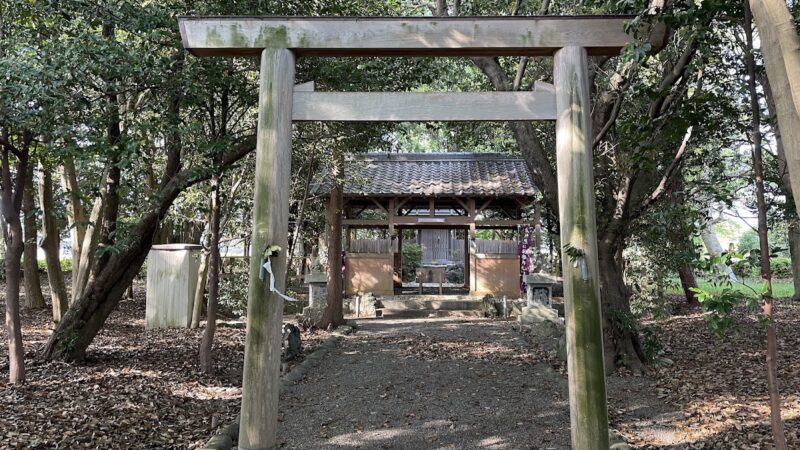
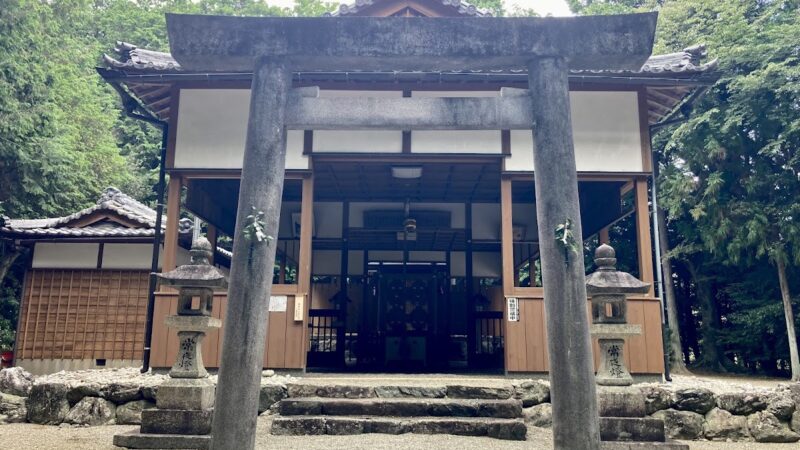
Upon reaching the top of the stone steps, the worship hall appears directly ahead. The worship hall boasts traditional shrine architecture, providing a tranquil atmosphere for worship. Behind the worship hall is the main shrine, where the enshrined deity is worshipped.
Highlights of the Shrine Grounds
Besides the whale stone, the shrine grounds offer the following points of interest:
- Shrine Office: For receiving goshuin (shrine stamps) and requesting prayers.
- Water Basin: A place to purify oneself before worship.
- Subsidiary Shrines: Smaller shrines and subordinate shrines are also located within the grounds.
- Stone Monuments and Memorials: Historical materials that tell the history of the shrine.
The shrine grounds are well-maintained and filled with a refreshing atmosphere.
Goshuin Information
Goshuin of Namikiri Shrine
Namikiri Shrine offers goshuin (temple/shrine stamps). Goshuin are popular among many visitors as proof of worship and a memento of their trip.
Goshuin are available at the shrine office, and the offering fee (amount paid) is the same as at most shrines. You can bring your own goshuincho (stamp book) or purchase one on-site.
Etiquette for Receiving Goshuin
When receiving a goshuin, please observe the following etiquette:
- Complete your worship first before receiving the goshuin.
- Check the opening hours of the shrine office.
- Request using polite language.
- Open your goshuincho and hand it over.
- Have small change ready for the offering fee.
Goshuin are not merely stamps; they are proof of a connection with the deities. Receive them with respect.
Tourist Attractions Around Namikiri Shrine
Daiozaki Lighthouse
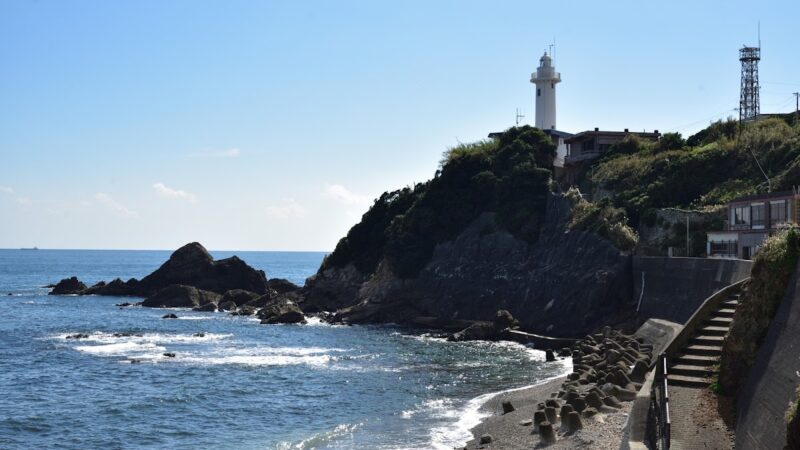
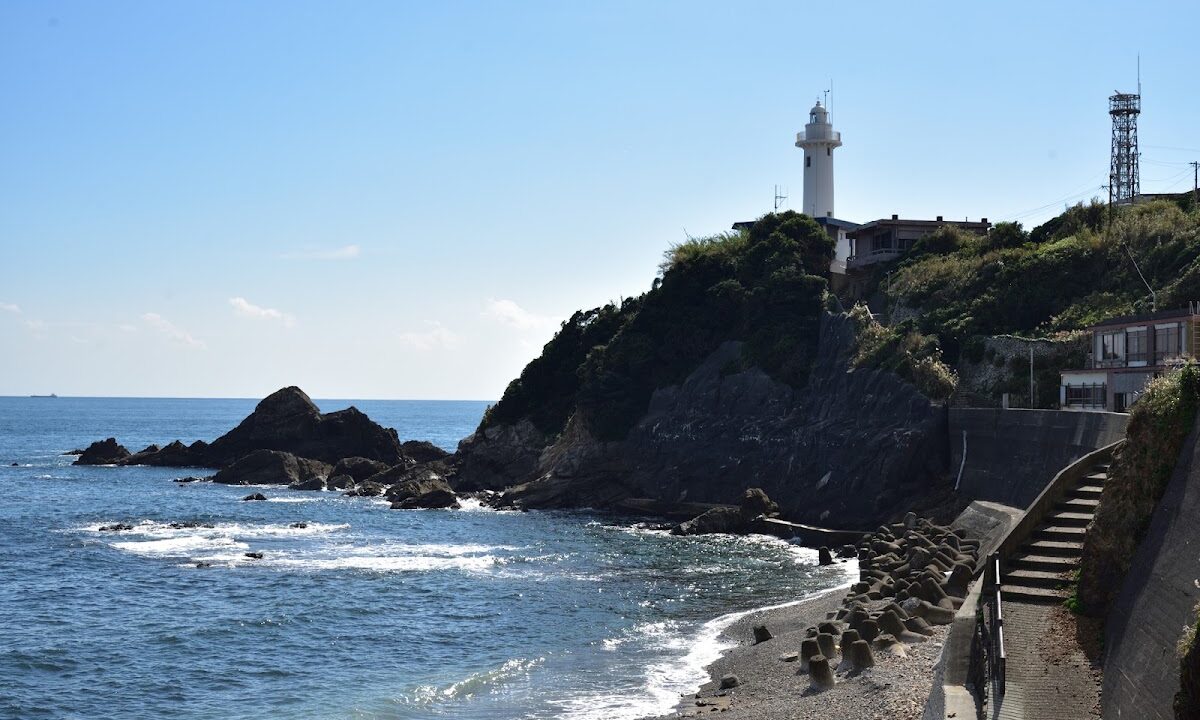
Located about a 10-minute walk from Namikiri Shrine is the Daiozaki Lighthouse, a representative tourist spot of the Shima Peninsula.
The Daiozaki Lighthouse is a beautiful white lighthouse built in 1927 (Showa 2), and visitors can tour its interior. From the top of the lighthouse, a panoramic view of the Pacific Ocean unfolds, making it a spectacular spot to see far into the distance on a clear day.
The area around the lighthouse is also known as a “town of painters,” and many artists visit to paint this scenery. It’s a must-visit tourist spot, especially when visiting Namikiri Shrine.
Strolling Through the Townscape of Namikiri
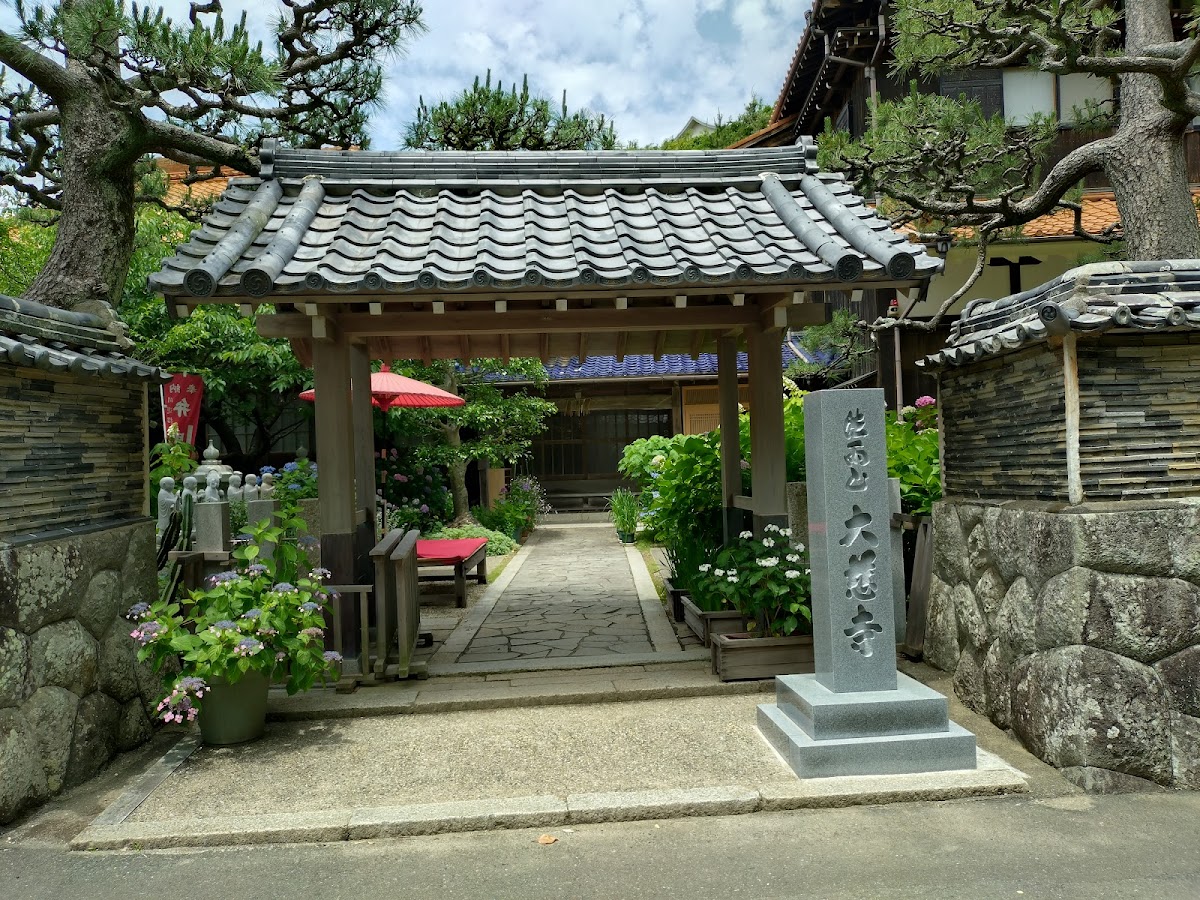
The Namikiri area is a charming town that retains the atmosphere of an old fishing village. Strolling through the narrow, winding alleys, you can see traditional houses, stone walls, and historical sites related to fishing.
Taking a leisurely stroll and soaking up the atmosphere of the seaside town is highly recommended. Interacting with the locals will also be one of the joys of your trip.
Shima Spain Village
A short trip away is Shima Spain Village, a popular theme park for families. This amusement facility allows you to enjoy Spanish culture and atmosphere, with attractions, shows, and gourmet food to keep you entertained all day long.
Combining a quiet visit to Namikiri Shrine with a lively time at Shima Spain Village will allow you to enjoy a diverse Shima sightseeing experience.
Access and Parking Information
Location
Address: 1 Nakiri, Daio-cho, Shima City, Mie Prefecture
Access by Public Transportation
Using Trains and Buses:
- Get off at Shima-Shinmei Station on the Kintetsu Shima Line
- Take the Mie Kotsu bus bound for Goza Port
- Get off at the Nakiri bus stop and walk for about 5 minutes.
Since the number of buses is limited, it is recommended to check the timetable in advance. It can be especially crowded on holidays and during tourist seasons.
Access by Car
Using a Car:
- Approximately 1 hour from Ise-Nishi IC on the Ise Expressway
- Approximately 40 minutes from Shiraki IC on the Second Ise Road
- Take the prefectural road to the Nakiri area
The roads on the Shima Peninsula are narrow in some places, so caution is required when driving. Using a car navigation system or smartphone map app is convenient.
Parking
There are parking spaces around Nakiri Shrine. However, it may get crowded during long holidays and festivals, so we recommend visiting with plenty of time to spare.
There is a paid parking lot near Daiozaki Lighthouse, and it is possible to walk from there to Namikiri Shrine.
Toilet Facilities
Toilet facilities are available around the shrine and near Daiozaki Lighthouse. It’s a good idea to check before visiting.
Precautions and Manners When Visiting a Shrine
Basic Manners for Visiting a Shrine
There are basic manners to observe when visiting a shrine:
- Bow at the Torii Gate: Bow before passing through the torii gate.
- Walking on the Path: Walk along the side of the path, as the center is the path for the gods.
- Procedure for Washing Hands: Cleanse your hands and mouth at the water basin.
- Procedure for Worship: The basic procedure is two bows, two claps, and one bow.
Photography
Photography is generally permitted on the shrine grounds, but please note the following:
- Do not take photos in areas where photography is prohibited, such as inside the main hall.
- Be considerate of other worshippers.
- Avoid using flash photography.
- When posting on social media, be mindful of location information.
Clothing
There are no specific dress code regulations, but it is desirable to dress appropriately for a sacred place. Avoid overly revealing or dirty clothing.
Since you will need to climb stone steps, we recommend wearing comfortable shoes.
Annual Events at Namikiri Shrine
Main Festivals and Events
Namikiri Shrine holds various festivals and events throughout the year:
- January: Saitansai (New Year’s Festival)
- Spring: Spring Grand Festival
- September: Waraji Festival (Autumn Grand Festival)
- End of Year: Oharai (Great Purification Ceremony)
These events are important opportunities to preserve local traditions and offer gratitude and prayers to the gods.
Visiting During Festivals
Especially during the Waraji Festival, you can enjoy a lively atmosphere different from usual. If you wish to witness traditional events, we recommend checking the schedule in advance.
However, it gets crowded during festivals, so it’s a good idea to check parking and transportation conditions beforehand.
The Charms of Shima City and the Namikiri District
Overview of Shima City
Shima City is located in the southeastern part of Mie Prefecture and is the heart of Ise-Shima National Park. It is known for its beautiful ria coastline, fresh seafood, and pearl cultivation.
In 2016, the Ise-Shima Summit was held, attracting international attention. It is an attractive tourist destination where rich nature, history, and culture harmonize.
Characteristics of the Namikiri District
The Namikiri district is part of Daio-cho in Shima City and has flourished as a fishing town since ancient times. Its charm lies in the beautiful scenery centered around the Daiozaki Lighthouse, fresh seafood, and historical sites such as the Namikiri Shrine.
It is also known as a “town of painters,” attracting many artists seeking its scenic beauty. It is a place where time flows slowly and the soul is healed.
Local Cuisine
When visiting Namikiri, be sure to enjoy the local cuisine:
- Spiny Lobster: A representative seafood of Shima
- Abalone: Fresh seafood
- Matoya Oyster: A specialty of Shima
- Turban Shell: A shellfish with a rich aroma of the sea
- Local Fish Dishes: Fresh fish caught that day
You can enjoy dishes using these seafood delicacies at local restaurants and guesthouses.
The Relationship Between Namikiri Shrine and Taiji Town
Another Namikiri Shrine
Actually, there is another shrine named “Namikiri Shrine” in Taiji Town, Higashimuro District, Wakayama Prefecture. This shrine, commonly known as “Onakiisama,” has a deep historical connection to the Namikiri Shrine in Shima City.
Historical Background
In the summer of 1585 (Tensho 13), the Shima region (Namikiri, Hamajima, Shima, etc.) was struck by famine. At this time, the Wada clan of Taiji, who had been serving Horiuchi Awamori of Shingu (who sided with Toyotomi Hideyoshi), entered Ise from Shima and helped the impoverished people.
The following year, when the Wada clan withdrew to Taiji, 321 villagers from Namikiri and other areas, who admired their virtue, requested to relocate and moved to Taiji. This historical event led to the construction of the Namikiri Shrine in Taiji Town.
This historical fact speaks to the profound history of the Namikiri Shrine and conveys the importance of inter-regional exchange and bonds between people.
Summary: The Charm of Namikiri Shrine
The Namikiri Shrine is not merely a tourist spot; it is a sacred place where the faith and history of people who have lived in harmony with the sea breathe life into.
Main Attractions of Namikiri Shrine:
- The mystical legend and actual whale stone
- The Waraji Festival, a Mie Prefecture Intangible Folk Cultural Property
- Prayers for maritime safety and a bountiful catch
- Beautiful grounds and tranquil atmosphere
- Easy access to surrounding tourist spots such as Daiozaki Lighthouse
- Cultural value integrated with the townscape of Namikiri
When visiting Ise-Shima, be sure to visit Namikiri Shrine. As you pray in the quiet grounds, you will feel gratitude for the blessings of the sea and the prayers of people that have continued for centuries.
Combining a visit to Namikiri Shrine with the spectacular views from Daiozaki Lighthouse, a stroll through the townscape of Namikiri, and a meal featuring fresh seafood will make for a fulfilling Shima sightseeing experience. For a trip to escape the hustle and bustle of the city and soothe your soul while feeling the sea breeze, Namikiri Shrine is the perfect destination.