Complete Guide to Daiji-ji Temple | History, Highlights, and Access Information for Daiji-ji Temples Nationwide
There are several temples named “Daiji-ji” throughout Japan, each with its own unique history and charm. This article provides detailed information on the history, highlights, and access to Daiji-ji temples in various locations, including the popular tourist spot in Shima City, Mie Prefecture, as well as those in Kumamoto City, Shibushi City in Kagoshima Prefecture, and Iwate Prefecture. It covers information useful not only as a tourist guide but also for those planning visits or for school and travel agency site visits.
Daiji-ji Temple (Hōuzan Daiji-ji) in Shima City, Mie Prefecture
A Famous Temple Known as “Shima’s Hydrangea Temple”
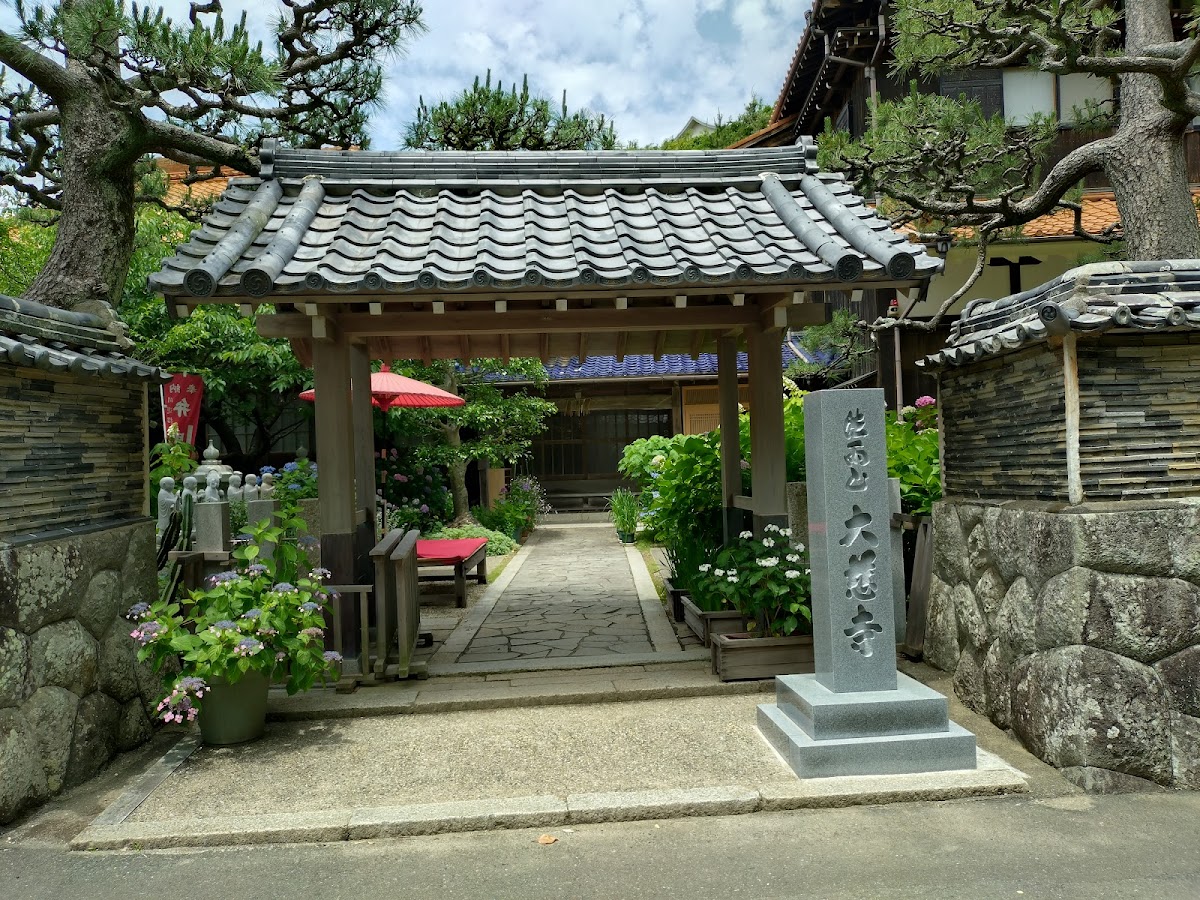
Hōuzan Daiji-ji Temple, located in Nakiri, Daiō-chō, Shima City, Mie Prefecture, is a temple belonging to the Myōshin-ji branch of the Rinzai school of Zen Buddhism. Its official name is “Hōuzan Daiji-ji,” but in June, approximately 1,500 hydrangea bushes bloom throughout the temple grounds and surrounding area, creating a beautiful scene that makes it seem as if “the temple is surrounded by hydrangeas.” Because of this, it is affectionately known as “Shima’s Hydrangea Temple.”
History and Origin
Daiji-ji Temple is said to have been founded in the first year of Kōkoku (1340) during the Muromachi period, making it an ancient temple with a history of over 680 years. It is also known as the burial place of Kawazura Ukon, the commander of the Kuki Suigun (Kuki Navy), who ruled this region, and his retainers. The Kuki Suigun were a group of pirates who controlled Ise Bay from the Sengoku period to the early Edo period, and their historical legacy is still quietly preserved here.
The guardian deity is the Eleven-Faced Kannon Bodhisattva, and the temple possesses a painting of the Nirvana as a treasure, but it is not open to the public. It is also a sacred site for Benzaiten and Hotei, two of the Seven Lucky Gods of Shima, and has played an important role as a center of local faith.
Hydrangea Highlights
In June, during the rainy season, approximately 1,500 hydrangea bushes planted on the temple grounds and surrounding slopes bloom all at once. The sight of the hydrangeas in a riot of colors—blue, purple, pink, and white—is breathtaking, truly befitting the name “Hydrangea Temple.” Walking among the hydrangeas blooming along the stone steps and approach, you can enjoy the atmosphere of early summer in a tranquil setting.
The Charm of Kawazu Cherry Blossoms “Tenrei Cherry Blossoms”
Another highlight of Daiji-ji Temple is the Kawazu cherry blossoms “Tenrei Cherry Blossoms,” which bloom annually from mid-February to early March. Known as early-blooming cherry blossoms, the Kawazu cherry blossoms adorn the temple grounds, announcing the early arrival of spring. The sight of the deep pink flowers against the blue sky offers a different kind of beauty than that of hydrangea season.
Access and Basic Information
Address: Nakiri, Daio-cho, Shima City, Mie Prefecture
Transportation Access:
- Approximately 30 minutes by Mie Kotsu bus bound for “Nakiri” from Kintetsu Shima Line “Ugata Station,” then approximately 10 minutes on foot from the last stop.
- Approximately 60 minutes by car from Ise Expressway “Ise-Nishi IC”
Parking: Available (Free)
Visiting Hours: Grounds are freely accessible
Admission Fee: Free
Telephone Number: Available at Shima City Tourism Association (0599-46-0570)
Daiji-ji Temple (Dairyozan Daiji-ji) in Kumamoto City, Kumamoto Prefecture
A representative Soto Zen training temple in Kyushu
Dairyozan Daiji-ji Temple, located in Tomiai-cho, Minami-ku, Kumamoto City, Kumamoto Prefecture, is a temple belonging to the Soto Zen sect and is also known as “Daiji Zen-ji.” As the former head temple of Kyushu, it enjoys high status and still maintains a monastic hall where many monks dedicate themselves to rigorous Zen training.
History and Temple Status
Daiji-ji Temple is an ancient temple founded in the Middle Ages and has developed as a central temple of the Soto Zen sect in Kyushu. Its principal image is the Shakyamuni Triad, and it possesses a strict atmosphere characteristic of Zen temples. Its high status as the former head temple of Kyushu has had a significant influence on Soto Zen temples throughout Kyushu.
It maintains its function as a training ground, with monks from all over the country engaging in Zen meditation and manual labor. General visitors also have opportunities to participate in Zen meditation sessions, making it a valuable place for an authentic Zen experience.
Highlights of the Temple Grounds
The simple and dignified temple grounds, typical of Zen temples, offer a tranquil space that soothes the mind. The main hall, monastic hall, and kitchen are neatly arranged, conveying its function as a training ground to this day. The trees on the temple grounds are beautifully maintained, allowing visitors to experience the beauty of nature throughout the seasons.
Access and Basic Information
Address: Kihara, Tomiai-cho, Minami-ku, Kumamoto City, Kumamoto Prefecture
Transportation Access:
- Approximately 10 minutes by car from JR Kagoshima Main Line “Tomiai Station”
- Approximately 15 minutes by car from Kyushu Expressway “Matsubashi IC”
Parking: Available
Visiting Hours: Please check (Advance contact is recommended for visits as it is a training hall)
Telephone Number: Please contact the temple directly
Daiji-ji Temple, Shibushi City, Kagoshima Prefecture
A Historic Temple Conveying the Samurai Culture of Satsuma
Daiji-ji Temple, located in Shibushi-cho, Shibushi City, Kagoshima Prefecture, is an ancient temple founded in 1340. Located in the “Fumoto” (samurai residence district) of Shibushi, an area where the samurai culture of the Satsuma Domain remains strong, it holds significant historical value as one of the components of the Japan Heritage site “The Town Where Satsuma Samurai Lived.”
History of the Anti-Buddhist Movement and its Restoration
Daiji-ji Temple was founded in 1340 during the Muromachi period and long attracted the faith of the local community. However, it was temporarily abolished in 1869 during the anti-Buddhist movement. This movement, which arose as part of the Meiji government’s policy of separating Shinto and Buddhism, was particularly thorough in the Satsuma Domain, resulting in the destruction of many temples.
Daiji-ji Temple was also affected, but it was restored in 1879 through the efforts of those associated with the former Daiji-ji Temple and local residents. This history of restoration speaks to the deep faith of the local people in Buddhism and their strong will to protect cultural assets.
Connection to Samurai Culture
The Fumoto district of Shibushi was an important base within the Satsuma Domain’s outer castle system. This area, where samurai once lived, still retains samurai residences, stone walls, and gardens, conveying the atmosphere of that time. Daiji-ji Temple also functioned as a family temple for the samurai, and was deeply intertwined with Satsuma’s samurai culture.
Access and Basic Information
Address: Shibushi-cho, Shibushi City, Kagoshima Prefecture
Transportation Access:
- Approximately 15 minutes on foot from JR Nichinan Line “Shibushi Station”
- Approximately 10 minutes by car from Higashi-Kyushu Expressway “Shibushi IC”
Parking: Public parking available nearby
Visiting Hours: Grounds are freely accessible
Inquiries: Shibushi City Lifelong Learning Division, Cultural Properties Management Office (099-472-1111)
Daiji-ji Temple (Horinzan Daiji-ji Temple) in Iwate Prefecture
A Famous Temple of the Oshu Thirty-Three Kannon Pilgrimage
Horinzan Daiji-ji Temple in Iwate Prefecture is a temple belonging to the Soto Zen sect and is known as the fourteenth temple of the Oshu Thirty-Three Kannon Pilgrimage. Founded in 1429 (Eikyo 1) by the fourth abbot of Daibai Nengezan Entsu Shobo-ji Temple in Oshu City, Iwate Prefecture, by Zen Master Nakayama Ryoyo.
Role as a Pilgrimage Site
The Oshu Thirty-Three Kannon Pilgrimage is one of the important pilgrimage routes in the Tohoku region. Daiji-ji Temple, as the fourteenth temple on the pilgrimage route, has welcomed many pilgrims. As a center of Kannon worship, it serves as a spiritual haven for the local people.
Access and Basic Information
Transportation Access: Please use the various transportation options within Iwate Prefecture.
Inquiries: Please contact the temple directly.
Other Daiji-ji Temples in Other Regions
Daiji-ji Temples Scattered Across Japan
In addition to the above, there are temples named “Daiji-ji” throughout Japan. Each is deeply connected to the history and culture of its region and possesses its own unique characteristics. There are also temples of various sects, such as the Obaku sect’s Daiji-ji, allowing you to discover the unique charm of each temple.
How to Enjoy Visiting Daiji-ji Temple
Seasonal Highlights
When visiting Daiji-ji Temple, you can enjoy different charms depending on the season.
Spring (Mid-February to Early March): At Daiji-ji Temple in Shima City, Mie Prefecture, the Kawazu cherry blossoms, “Tenrei-zakura,” are in full bloom. The early-blooming cherry blossoms color the temple grounds, giving you a sense of the early arrival of spring.
Early Summer (June): At Daiji-ji Temple in Shima, approximately 1,500 hydrangea bushes are in full bloom, showcasing its true nature as a “hydrangea temple.” A picturesque landscape unique to the rainy season unfolds.
Autumn: The autumn leaves are beautiful at Daiji-ji Temples throughout the region, adding autumnal colors to the tranquil temple grounds.
Winter: The temple amidst a snowy landscape has a special charm, allowing for a peaceful visit in a crisp, serene atmosphere.
Photography Tips
Daiji-ji Temple is also a popular photography spot. In particular, Daiji-ji Temple in Shima attracts many photography enthusiasts during hydrangea season. You can enjoy photographing from various angles, such as the combination of stone steps and hydrangeas, or flower compositions with the main hall in the background. However, please be mindful of proper etiquette and avoid disturbing other visitors.
Zen Meditation and Training Experiences
Temples with training halls, such as Daiji-ji Temple in Kumamoto City, sometimes offer Zen meditation sessions and training experiences for the general public. This is a valuable opportunity to experience authentic Zen training, so it is recommended that those interested inquire in advance. Through Zen meditation, you can calm your mind and spend a quiet time away from the hustle and bustle of everyday life.
Nearby Tourist Spots and Model Courses
Around Daiji-ji Temple in Shima City, Mie Prefecture
When visiting Daiji-ji Temple in Shima City, a sightseeing plan combining it with nearby tourist spots is recommended.
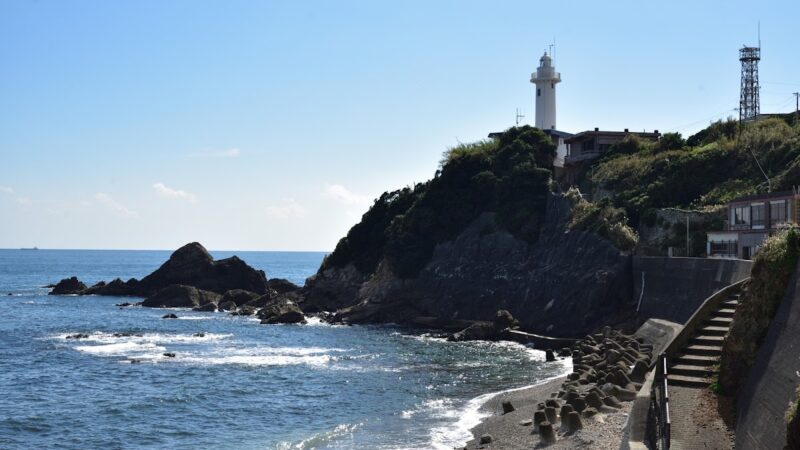
Daiozaki Lighthouse: A white lighthouse standing at the tip of the Shima Peninsula, about a 10-minute drive from Daiji-ji Temple. Enjoy panoramic views of the magnificent Pacific Ocean, with picturesque scenery unfolding before you.
Namikiri Fishing Port: A fishing port where fresh seafood is landed, and you can savor freshly caught fish and shellfish at local restaurants.
Shima Marine Land: An aquarium recommended for families, where you can see sunfish and other marine life of the Ise-Shima area.
Sample Itinerary:
- Morning: Hydrangea viewing at Daiji-ji Temple (June) or Kawazu cherry blossom viewing (late February to early March)
- Lunch: Seafood cuisine near Namikiri Fishing Port
- Afternoon: Enjoy the spectacular view from Daiozaki Lighthouse
- Evening: Relax at Shima Marine Land or a nearby hot spring facility
Around Daiji-ji Temple, Shibushi City, Kagoshima Prefecture
Around Daiji-ji Temple in Shibushi City, there are numerous historical spots where you can experience the samurai culture of Satsuma.
Shibushi Fumoto Samurai Residences: Located in the same Fumoto district as Daiji-ji Temple, these samurai residences offer a glimpse into the life of samurai during the Satsuma Domain era.
Yamamiya Shrine: A shrine revered as the guardian shrine of Shibushi, its beautiful shrine buildings and surrounding forest are highlights.
Shibushi Castle Ruins: The remains of a medieval mountain castle, retaining a unique structure utilizing the Shirasu plateau.
For Schools and Travel Agencies
Acceptance of Group Visits and Tours
Daiji-ji Temples throughout the region accept school field trips and group tours from travel agencies. Daiji-ji Temple in Shima City, Mie Prefecture, in particular, is a popular spot attracting many groups during the hydrangea season.
If planning a group visit, please note the following:
- Advance Contact: For large group visits, please contact the temple or tourist association in advance to confirm their acceptance.
- Securing Parking: If visiting by large bus, securing parking space is necessary. Please check the availability and capacity of parking in advance.
- Manners Guidance: Remember that temples are places of worship. Thoroughly instruct participants on proper manners. Please pray quietly and refrain from speaking loudly on the temple grounds.
- Photography Permission: If taking photographs or videos as a group, please obtain permission in advance.
- Choosing the Right Time: If your purpose is to see seasonal flowers such as hydrangeas or cherry blossoms, please check the blooming season in advance and choose the optimal time to visit.
Use as an Educational Program
Daiji Temple can also be used as an educational program for learning about Japanese history, culture, and religion.
- History Learning: The temple’s history, dating back to the Muromachi period, and its history of the anti-Buddhist movement and subsequent restoration, can be used for learning about Japanese history.
- Religious Culture: You can deepen your understanding of religious culture, including the structure of Buddhist temples, the etiquette of worship, and Zen philosophy.
- Regional Culture: This provides an opportunity to learn about local history and culture, such as the Kuki Suigun (Kuki Navy) and the samurai culture of Satsuma.
- Nature Observation: This provides an opportunity to observe seasonal plants such as hydrangeas and cherry blossoms, and to reflect on coexisting with nature.
General Access Guide to Daiji-ji Temple
Access by Public Transportation
You can access Daiji-ji Temples from various locations using public transportation.
Shima City, Mie Prefecture: The nearest station is Ugata Station on the Kintetsu Shima Line. From there, you can take a bus or taxi. The Kintetsu Limited Express is convenient from the Nagoya area.
Kumamoto City, Kumamoto Prefecture: The nearest station is Tomiai Station on the JR Kagoshima Main Line, but since the temple is some distance from the station, taking a taxi is recommended.
Shibushi City, Kagoshima Prefecture: Within walking distance from JR Nichinan Line’s “Shibushi Station.” Express buses also operate from Kagoshima City.
Access by Car
Access by private car or rental car is convenient. Each temple has its own parking lot, or there are public parking lots nearby. However, congestion is expected during peak tourist seasons such as hydrangea season, so early arrival is recommended.
When using a car navigation system, it is best to enter not only the temple name but also the address and phone number. There are multiple temples named “Daiji-ji,” so please be careful not to go to the wrong destination.
Manners and Precautions for Visiting
Basic Manners for Visiting
When visiting Daiji-ji, please observe the following basic manners:
- Bow at the Temple Gate: Before entering the temple grounds, bow at the temple gate.
- Be Quiet: Temples are places of worship and training. Please refrain from loud conversations and offer your prayers quietly.
- Photography: Even in areas where photography is permitted, please be considerate of other visitors. Absolutely do not take photos in areas where photography is prohibited, such as inside the main hall.
- Smoking and Eating: Smoking and eating are generally prohibited on the temple grounds. Please refrain from doing so except in designated areas.
- Consideration for Plants: Please do not touch the plants on the temple grounds, such as hydrangeas. Picking flowers or breaking branches is strictly prohibited.
Regarding Clothing
While there are no particularly strict dress code regulations, please dress appropriately when visiting a temple. It is best to avoid extremely revealing or overly flashy clothing. Also, since you will often be climbing stone steps, we recommend wearing comfortable shoes.
Summary
The Daiji Temples located throughout Japan are valuable cultural assets, each possessing its own unique history and charm. By understanding and visiting the unique characteristics of each temple, such as Daiji-ji Temple in Shima City, Mie Prefecture (known as the “Hydrangea Temple”), Daiji-ji Temple in Kumamoto City (which functions as a training dojo), and Daiji-ji Temple in Shibushi City, Kagoshima Prefecture (which preserves samurai culture), you can deepen your understanding of Japanese history, culture, and religion.
Daiji-ji Temple offers diverse value, not only as a tourist spot, but also as a place of worship to seek peace of mind and as an educational place to learn about history and culture. By experiencing the beautiful scenery of each season, the tranquil atmosphere of the temple grounds, and the spirituality nurtured by its long history, you can spend a special time away from everyday life.
We encourage you to visit Daiji-ji Temple and experience its charm firsthand. Checking access information and flowering information in advance and visiting at the appropriate time will ensure a more fulfilling experience.