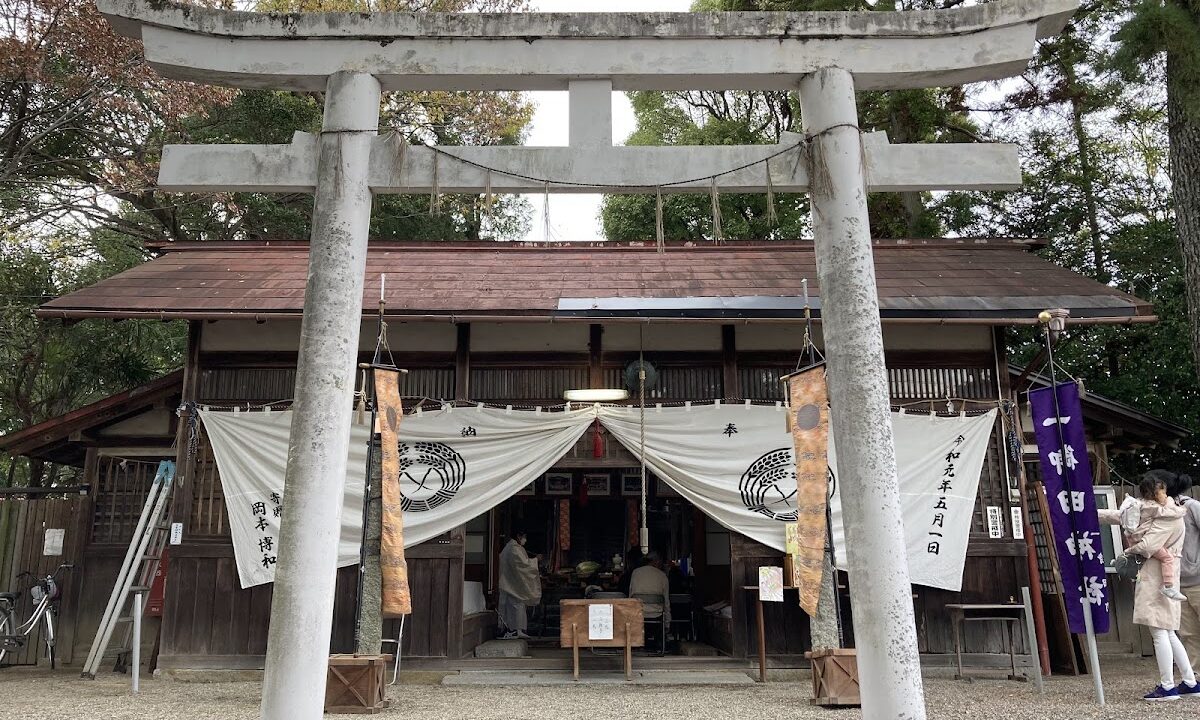
Ichimita Shrine (Mie Prefecture) Complete Guide: A Thorough Explanation of History, Goshuin (Shrine Seals), Access, and Blessings
What is Ichimita Shrine?
Ichimita Shrine is a historic shrine located in Ise City, Mie Prefecture. It is known as a venerable shrine with deep ties to Ise Grand Shrine and has attracted the faith of the local community.
The word “Mita” in the shrine’s name means sacred rice fields offered to the gods, indicating the shrine’s long-standing connection to agriculture and fertility. Given its location in Ise, it has been cherished by the local people as a shrine associated with Ise Grand Shrine.
History and Origins of Ichimita Shrine
History of Founding
The exact founding date of Ichimita Shrine is unclear, but it is believed to have been located in Ise since ancient times. It is thought to have played a role in protecting the sacred rice fields that cultivated rice offered to Ise Grand Shrine, as part of the shrine’s territory.
The Ise region has many subsidiary shrines and smaller shrines, and Ichimita Shrine is one of them, occupying an important position in the spread of Ise faith.
Changes since the Edo period
During the Edo period, pilgrimages to Ise became extremely popular among common people, and the entire Ise region was bustling with many worshippers. It is believed that Ichimita Shrine also developed as a center of local faith during this period.
Even during the Meiji era’s reform of the shrine system, it survived as a local shrine and continues to attract the faith of local residents to this day.
Deities and Benefits
Deities
The deities enshrined at Ichimita Shrine are gods known as gods of agriculture and grain. The name of the shrine, “Mita,” suggests that the deities are primarily those related to rice cultivation and agriculture.
Given its connection to Ise Grand Shrine, it is also possible that deities related to Amaterasu Omikami or Toyouke Omikami are enshrined there.
Benefits
Ichimita Shrine is believed to offer the following benefits:
- Abundant Harvest: As the god of agriculture, it brings abundant harvests.
- Business Prosperity: Development and prosperity of businesses.
- Family Safety: Health and peace for the family.
- Protection from Evil and Good Fortune: Wards off misfortune and attracts good luck.
It is said that many people, especially those working in agriculture or food-related fields, and those praying for the development of the region, visit the shrine.
Highlights of the Shrine Grounds
Main Hall and Worship Hall
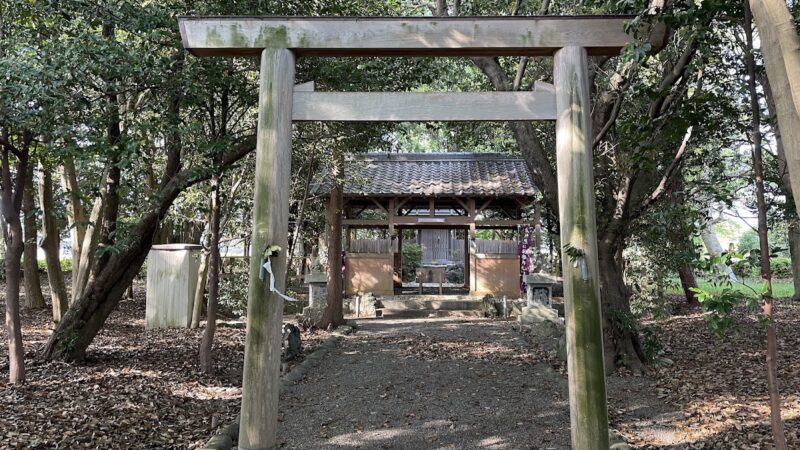
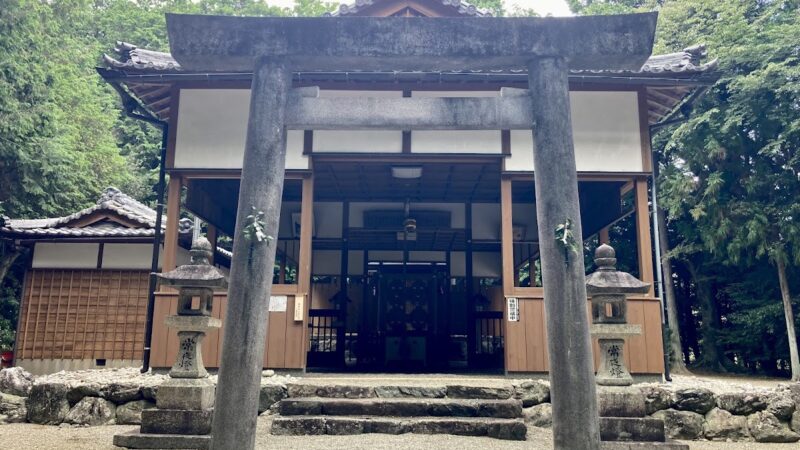
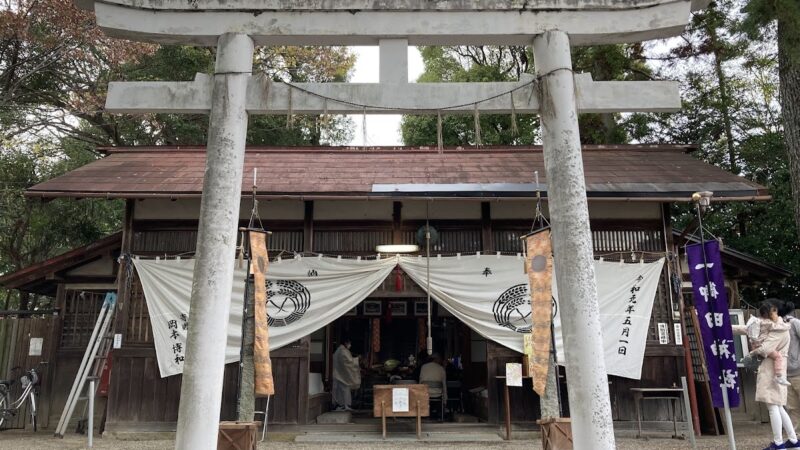
The main hall of Ichimita Shrine preserves the traditional shrine architecture style of the Ise region. Although not large in scale, it is meticulously maintained, reflecting the deep faith of the local people.
The worship hall offers a peaceful atmosphere, far removed from the hustle and bustle of the city.
Nature of the Sacred Grounds
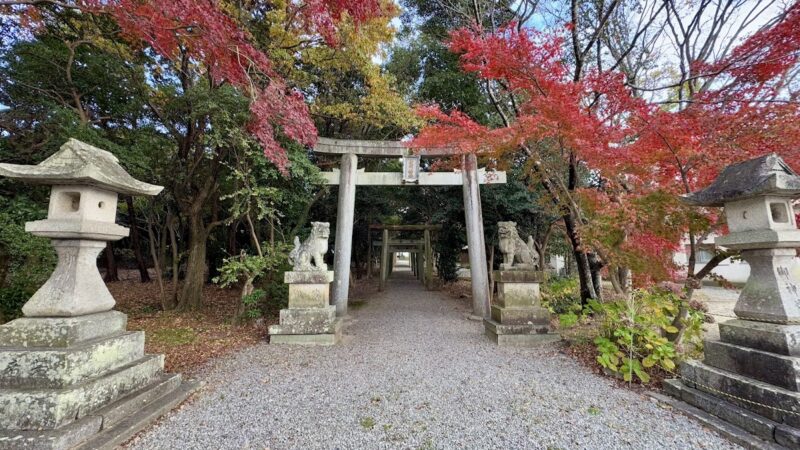
The shrine grounds feature ancient trees and seasonal flowers, allowing visitors to experience the beauty of nature throughout the seasons. The lush natural surroundings of Ise make it the perfect place for a peaceful and serene visit.
Goshuin (Shrine Seal) Information
Regarding the Issuance of Goshuin
The issuance of goshuin at Ichimita Shrine may vary depending on the presence of a shrine office and the availability of resident priests. Smaller shrines may not always be able to issue goshuin, so it is recommended to check in advance if you wish to receive one.
Manners When Receiving a Goshuin
Goshuin are proof of your visit, not a stamp rally. Please observe the following manners:
- Complete your prayers before receiving your goshuin.
- Prepare a goshuin notebook (notebooks are inappropriate).
- Prepare a donation (approximately 300-500 yen).
- Remember to express your gratitude to the priest.
Access and Transportation Information
Location
Ichimita Shrine is located in Ise City, Mie Prefecture. It is recommended to check the detailed address in advance. ### Access by Train
Access from the Nearest Station:
- The nearest major stations are JR/Kintetsu “Ise-shi Station” or Kintetsu “Ujiyamada Station”.
- It is convenient to use a bus or taxi from the station.
- Walking is a distance, so please check the route in advance.
Access by Car
Access from Major Roads:
- From the Ise Expressway, take the “Ise IC” or “Ise-Nishi IC” towards Ise city center.
- Access from the area around Ise Grand Shrine is also possible.
- When using car navigation, please search by the shrine name or address.
Parking
As this is a small shrine, there may not be a dedicated parking lot. Please avoid street parking and use nearby paid parking lots or public transportation.
Points and Manners for Visiting a Shrine
Etiquette for Visiting a Shrine
Please observe the basic etiquette for visiting a shrine:
- Bow before passing through the torii gate: This is a courtesy before entering the sacred area.
- Purify yourself at the water basin: Purify your left hand, right hand, and mouth in that order.
- Walk along the edge of the path: The center is considered the path of the gods.
- Two bows, two claps, one bow: This is the basic etiquette for visiting the main hall.
Suitable Time for Visiting a Shrine
Shrine visits are generally recommended during the daytime. Early morning visits are especially recommended as you can pray in the refreshing air. Visiting in the evening is also preferable for safety reasons, as it becomes dark after dark.
Regarding Clothing
There are no specific dress code requirements, but clean and subdued clothing is desirable, as you are going to meet the gods.
Nearby Tourist Attractions
Ise Grand Shrine
If you visit Ichimita Shrine, be sure to also visit Ise Grand Shrine (Naiku and Geku). It is Japan’s most prestigious shrine, considered the spiritual home of the Japanese people.
Naiku (Kotai Jingu): Dedicated to Amaterasu Omikami
Geku (Toyouke Daijingu): Dedicated to Toyouke Omikami
The order of worship is “Geku-sensai,” meaning that it is considered proper to visit the Geku first.
Okage Yokocho/Oharai-machi
This area flourished as a temple town in front of the Ise Grand Shrine’s Naiku, and is a tourist spot that recreates the townscape of the Edo period. You can enjoy local delicacies such as Ise’s famous Akabuku mochi, Ise udon, and tekone sushi.
Futami Okitama Shrine
This shrine is famous for its Meoto Iwa (Married Couple Rocks) and has long been considered a place of purification before visiting Ise Grand Shrine. It is believed to bring blessings for matchmaking and marital harmony. ### Sarutahiko Shrine
This shrine enshrines Sarutahiko-no-Okami, known as the god of protection against misfortune and good fortune. Located near the Inner Shrine of Ise Grand Shrine, it attracts many worshippers.
Annual Events and Festivals
Annual Festival
It is believed that Ichimita Shrine also holds an annual festival. This is an important event where local parishioners and devotees gather to offer gratitude to the gods.
Niiname-sai and Kinen-sai
As a shrine dedicated to the god of agriculture, it is possible that the Kinen-sai (spring festival) to pray for a bountiful harvest and the Niiname-sai (autumn festival) to give thanks for the harvest are held.
Relationship with Ise Grand Shrine
Shrine Territory and Sacred Rice Fields
The name “Mita” in Ichimita Shrine is thought to originate from the sacred rice fields where rice offered to Ise Grand Shrine is grown. At Ise Grand Shrine, the rice used for daily offerings is sacred rice grown in the shrine’s territory.
Several shrines in the Ise region played a role in protecting these sacred rice fields, and Ichimita Shrine is highly likely to be one of them.
Spread of Ise Faith
Ise faith, centered on Ise Grand Shrine, spread throughout Japan from ancient times. In this process, many shrines supporting the Grand Shrine were established in the Ise region, each playing its own unique role.
Ichimita Shrine is also thought to have occupied an important position within this network of Ise faith.
Connection with the Community
Role as a Local Guardian Deity
Ichimita Shrine has gathered the faith of surrounding residents as the local guardian deity. A local guardian deity is a god who protects the people living in a particular area and serves as the spiritual center of the local community.
Participation in Local Events
Ichimita Shrine has played an important role in local festivals and events. The cooperation of local people in protecting the shrine and performing rituals deepens community bonds.
Visitor Voices and Reviews
Quiet Worship Environment
Many visitors appreciate the quiet atmosphere, a stark contrast to the bustling Ise Grand Shrine. The peaceful environment allows for a peaceful and contemplative experience.
Experiencing Local History
Many visitors comment on the opportunity to experience Ise’s history and culture, and to connect with the faith of the local people. The shrine’s unpretentious nature, free from excessive tourism, is highly valued.
How to Enjoy Visiting Ichimita Shrine
Visiting in Combination with Ise Grand Shrine
Visiting smaller shrines in the surrounding area during a visit to Ise Grand Shrine allows for a deeper understanding of Ise’s religious culture. Ichimita Shrine is one such “hidden gem” worth visiting.
Collecting Goshuin (Shrine Stamps)
The Ise region boasts numerous shrines, making it a great place to enjoy collecting Goshuin. By visiting several shrines, including Ichimita Shrine, you can learn about the diverse forms of faith in Ise.
Seasonal Visits
This shrine displays different expressions throughout the seasons: the fresh greenery of spring, the shade of summer leaves, the vibrant autumn foliage, and the tranquility of winter. Visiting in different seasons will allow you to discover different charms.
Precautions When Visiting
Basic Manners
- Do not speak loudly or make noise.
- Refrain from eating or drinking within the sacred grounds.
- Take photographs with moderation (photography is often prohibited inside the main hall).
- Always take your trash with you.
- Do not harm plants or animals.
Shrine Office Hours
For smaller shrines, the shrine office may not be open all the time. If you wish to obtain a goshuin (shrine stamp) or other items, it is recommended to check in advance.
The History of Pilgrimages to Ise and Ichimita Shrine
The Tradition of Pilgrimages to Ise
During the Edo period, visiting Ise Grand Shrine was such a coveted experience for Japanese people that it was said, “Everyone should visit Ise at least once in their lifetime.” Pilgrimages to Ise became extremely popular among commoners, with millions of people estimated to have visited Ise.
During this period, the entire Ise region was bustling with pilgrims, and surrounding shrines also became widely known.
Modern Pilgrimages to Ise
Even today, millions of people visit Ise Grand Shrine annually. However, by focusing not only on the main tourist attractions but also on smaller, locally rooted shrines like Ichimita Shrine, you can have a deeper experience of Ise.
The Significance of Shrine Visits
Understanding Japanese Culture
Shrine visits are not merely sightseeing or visiting power spots. They are an important experience for understanding the Japanese spirituality, view of nature, history, and culture.
A Heart of Gratitude and Prayer
The essence of visiting a shrine lies in expressing gratitude to the gods and praying for future peace. It’s important not only to make requests, but also to have a heart of gratitude for the blessings we receive daily.
Summary: The Charm of Ichimita Shrine
Ichimita Shrine is a historic shrine located in Ise City, Mie Prefecture. It has deep ties to Ise Grand Shrine and, as a shrine dedicated to the gods of agriculture and grain, has attracted the faith of the local community.
Its greatest charm lies in its simple atmosphere, unspoiled by tourism, allowing for quiet worship. When visiting Ise Grand Shrine, be sure to also visit Ichimita Shrine and experience the profound faith and culture of Ise.
For those seeking blessings for abundant harvests, business prosperity, and family safety, as well as those interested in the history and culture of Ise, Ichimita Shrine is a shrine worth visiting.
Ichimita Shrine has been a part of people’s lives in Ise since ancient times. Within its tranquil atmosphere, you can see the essence of traditional Japanese faith.