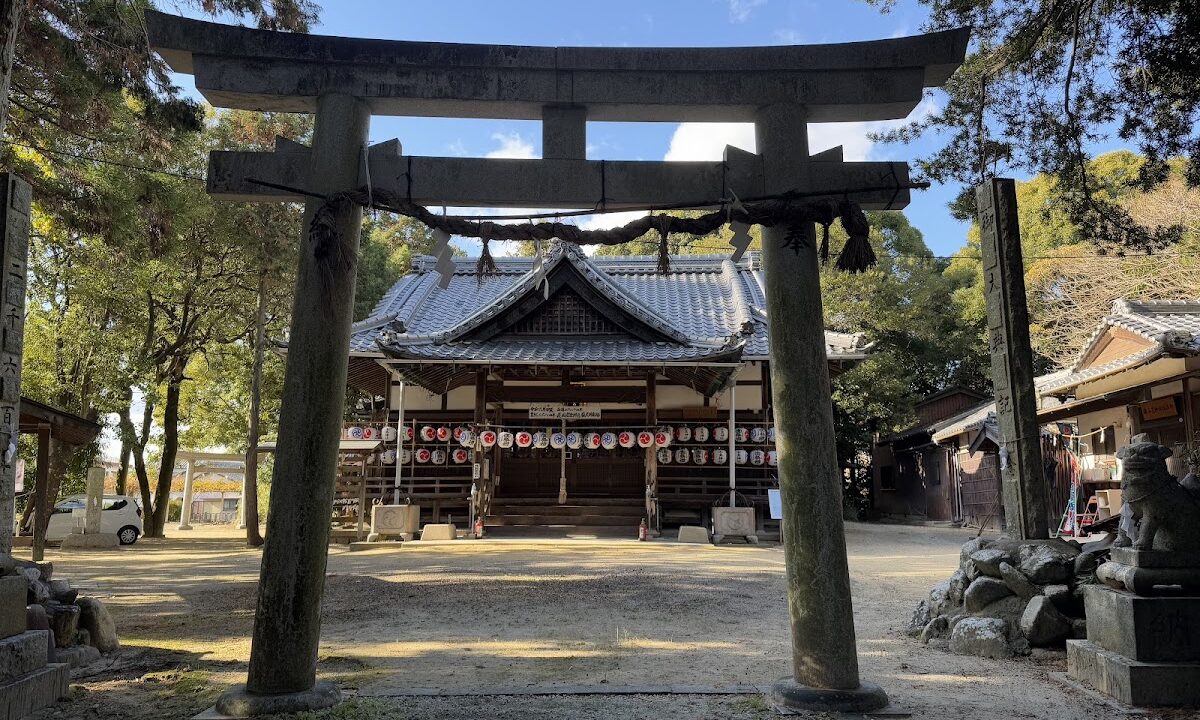
Sen’ō Shrine (Tsu City, Mie Prefecture) | Detailed Explanation of History, Deities, Access, and Visiting Information
Sen’ō Shrine, located in Kurima-machi, Tsu City, Mie Prefecture, is a shrine that has been cherished by local residents for centuries. While many shrines exist in Mie Prefecture, the home of Ise Grand Shrine, Sen’ō Shrine is revered as an important tutelary deity in the Kurima district of Tsu City. This article provides a detailed explanation of Sen’ō Shrine’s history, enshrined deities, highlights of the grounds, proper worship etiquette, and access information—all essential information before visiting.
Basic Information on Sen’ō Shrine
Sen’ō Shrine is located at 946 Kurima-machi, Tsu City, Mie Prefecture, and is a religious corporation registered with the Mie Prefecture Shrine Association. Located slightly southeast of the center of Tsu City, it is deeply rooted in the lives of the local people as the tutelary deity of the Kurima district.
Location and Access
Location: 946 Kurimacho-ya-cho, Tsu City, Mie Prefecture 514-0115
Sen’ō Shrine can be accessed by public transport or private car. It is approximately 15 minutes by car from the center of Tsu City, and is surrounded by residential areas.
Access by Car:
- Approximately 10 minutes from the Tsu Interchange on the Ise Expressway
- Accessible from National Route 23
- It is recommended to check in advance whether parking is available.
Access by Public Transport:
- Take a bus or taxi from Kintetsu Nagoya Line’s Tsu Station or Tsu-Shinmachi Station
- Take a Mie Kotsu bus towards Kurima.
History and Origins of Sen’ō Shrine
The founding date and detailed history of Sen’ō Shrine are passed down through local oral traditions and records. The Kurima district of Tsu City has long been a thriving agricultural area, and Sen’ō Shrine has played an important role as a place to pray for abundant harvests and the peace and prosperity of the community.
Deep Ties with the Community
Sen’ō Shrine has been protected by local residents for generations as the tutelary shrine of the Kurima-machi area. Various festivals are held throughout the year, including the spring grand festival and the autumn harvest thanksgiving festival, making it a central presence in the community.
Mie Prefecture, with Ise Grand Shrine at its forefront, is a region where Shinto culture is deeply rooted. Sen’ō Shrine has inherited this tradition, and continues to perform rituals according to Shinto customs to this day.
Deities and Divine Virtues
The deities enshrined at Sen’ō Shrine are revered as guardian deities of the community. Like many local shrines, they are believed to bestow blessings such as abundant harvests, family safety, and business prosperity.
Divine Virtues and Faith
Main Divine Virtues:
- Abundant Harvest: As the guardian deity of an agricultural region
- Family Safety: Protecting the peaceful lives of local residents
- Business Prosperity: Prayers for the development of the local economy
- Protection from Evil and Good Fortune: Prayers at important life milestones
As the local guardian deity, many worshippers visit the shrine for life events such as first shrine visits for newborns, Shichi-Go-San (a traditional rite of passage for children), and protection from evil.
Highlights of the Shrine Grounds
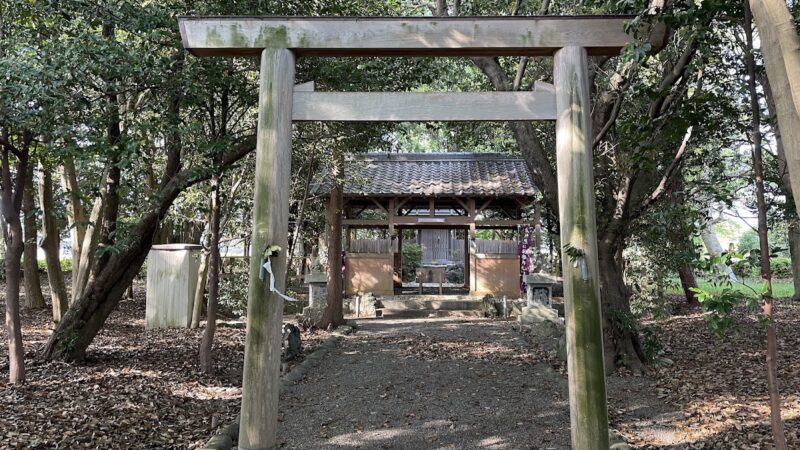
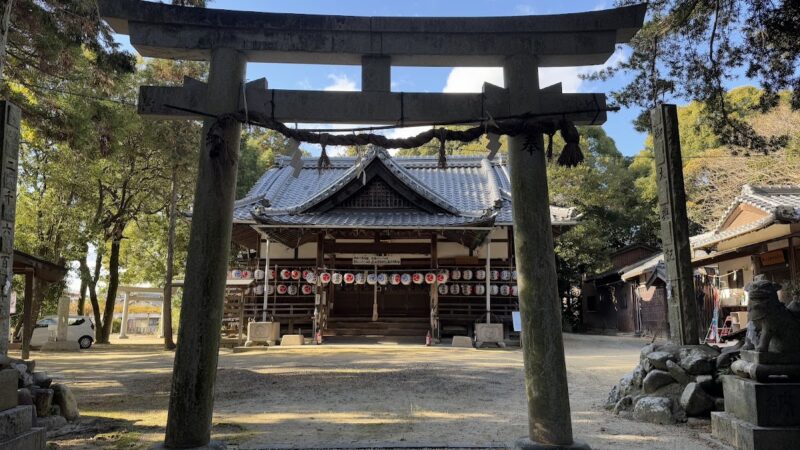
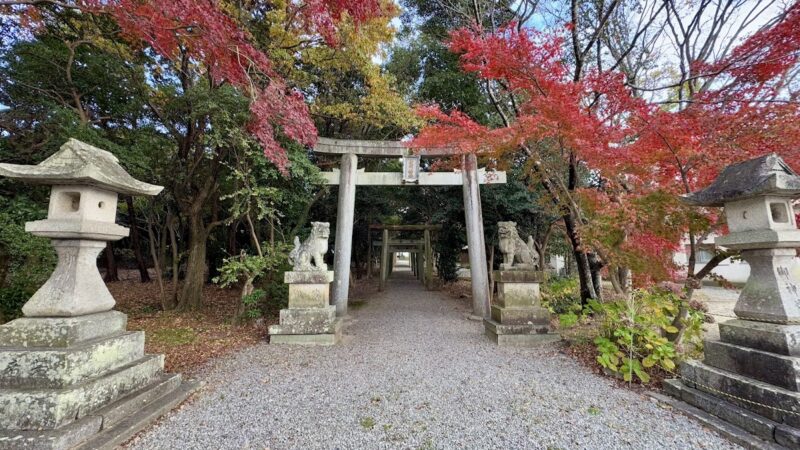
The grounds of Sen’o Shrine have a calm atmosphere befitting a local shrine. From the torii gate welcoming worshippers to the main hall, a space imbued with Shinto tradition unfolds.
Main Hall and Worship Hall
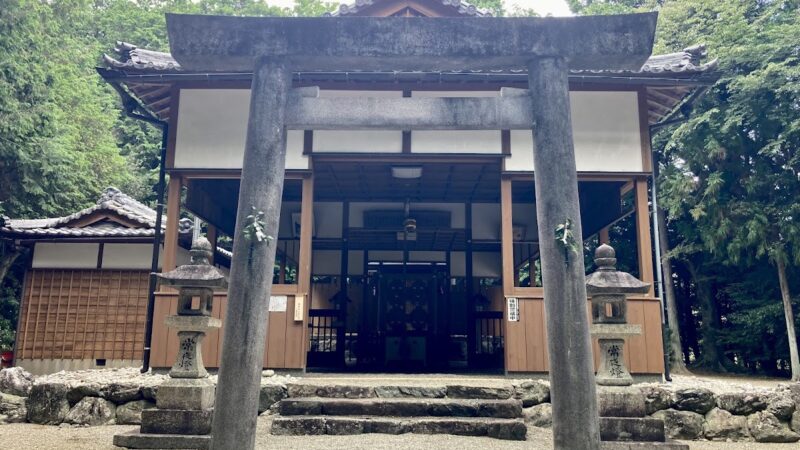
The main hall is built in the traditional shrine architectural style and is carefully maintained by the local people. Daily worship and rituals are performed in the worship hall, where amulets are also distributed.
Shrine Precincts and Monuments
Like many shrines, the grounds of Sen’ō Shrine may contain subsidiary shrines and monuments. These are important elements that convey the history of the shrine and the memory of the local community.
Annual Festivals and Events
Sen’ō Shrine holds various festivals and events throughout the year. These festivals are based on Shinto traditions and support the religious lives of the local people.
Main Annual Events
Spring Festivals:
- Grand Festival: One of the most important festivals held in spring.
- Prayer Festival: Prayers for a bountiful harvest.
Autumn Festivals:
- Harvest Festival: A festival of gratitude for the harvest.
- Autumn Grand Festival: Prayers for the prosperity of the region.
Other Festivals:
- Monthly Festival: Regular monthly festivals.
- Great Purification Ceremony: A Shinto ritual held twice a year, in June and December, to purify sins and impurities.
Etiquette and Manners for Worship
When visiting Sen’o Shrine, it is important to observe basic Shinto etiquette. The Mie Prefecture Shrine Association also provides information on worship etiquette, and by learning the correct worship manners, you can have a more heartfelt visit.
Basic Etiquette for Visiting a Shrine
How to Pass Through the Torii Gate:
- Bow before passing through the torii gate.
- Walk along the edge of the path, as the center is the path for the gods.
How to Wash Your Hands at the Water Basin:
- Hold the ladle in your right hand and wash your left hand.
- Switch the ladle to your left hand and wash your right hand.
- Switch the ladle back to your right hand, receive water in your left hand, and rinse your mouth.
- Finally, stand the ladle upright and wash the handle.
Worship at the Main Hall:
- Quietly place your offering in the offering box.
- If there is a bell, ring it.
- Worship using the two bows, two claps, and one bow method.
- Sincerely express your wishes and gratitude.
Attire and Mindset When Visiting a Shrine
When visiting a shrine, clean and subdued attire is desirable. Especially when visiting for prayers or life rituals, formal attire is recommended. Furthermore, it is important to remember that visiting a shrine is an act of gratitude and respect to the gods, and to approach it with humility.
Life Rituals and Prayers
At Sen’o Shrine, various rituals and prayers are performed for important milestones in life. As the local guardian shrine, it is there to support important moments in life, starting with the first shrine visit (Hatsumiyamairi).
First Shrine Visit
The first shrine visit (Hatsumiyamairi) is generally performed on the 31st day after birth for boys and the 32nd day for girls. Sen’o Shrine also holds Hatsumiyamairi ceremonies to celebrate the birth of new life in the community and pray for healthy growth.
Shichi-Go-San
Shichi-Go-San, celebrating the growth of children at ages 3, 5, and 7, is another important life ritual performed at Sen’o Shrine. Many families visit the shrine, mainly around November 15th.
Exorcism and Purification of Misfortune
We also offer exorcism and purification rituals for those in their unlucky years, praying for protection from misfortune and a peaceful year.
Other Prayers
- Prayer for Family Safety
- Prayer for Business Prosperity
- Prayer for Traffic Safety
- Prayer for Success in Exams
- Prayer for Recovery from Illness
If you wish to have a prayer performed, we recommend contacting the shrine in advance to confirm the date, time, and offering fee.
Amulets and Talismans
Sen’o Shrine also offers amulets and talismans. Amulets are placed on the household altar and used to offer daily gratitude and prayers.
How to Enshrine Amulets
It is important to properly enshrine amulets on the household altar. The altar should be placed in a clean location, and offerings and prayers should be made daily to pray for the peace and prosperity of the family. The Mie Prefectural Shrine Association also provides information on the correct way to enshrine Shinto amulets as part of its Shinto trivia for the home.
Shrine Pilgrimage in Tsu City
Tsu City, where Sen’ō Shrine is located, is home to many other shrines. The Mie Prefectural Shrine Association has registered 815 shrines throughout the prefecture, and historical shrines are scattered throughout the Tsu City area.
Major Shrines Around Tsu City
When visiting Tsu City, it is recommended to visit other shrines in addition to Sen’ō Shrine. Each shrine has its own history and divine virtues, and a shrine pilgrimage will allow you to gain a deeper understanding of Mie Prefecture’s Shinto culture.
Shrine Culture of Mie Prefecture and Ise Grand Shrine
Mie Prefecture is a special region where Ise Grand Shrine is located, and Shinto culture remains strong there. The Shikinen Sengu (periodic rebuilding) of Ise Grand Shrine is one of Japan’s largest Shinto rituals, held once every 20 years, and the entire Mie Prefecture is imbued with the spirit of Shinto.
The Ise Grand Shrine’s Shikinen Sengu and Local Shrines
The Shikinen Sengu of the Ise Grand Shrine is a Shinto ritual in which the shrine buildings are rebuilt and the sacred object is moved. This tradition has continued for over 1300 years, embodying the Shinto spirit of valuing renewal and purity. Local shrines like Sen’ō Shrine also inherit this spirit, cherishing their daily rituals.
Local Communities and Shrines
Sen’ō Shrine is not merely a place of worship, but also functions as a center of the local community. Through festivals and cleaning activities, it plays a role in deepening the bonds among local residents.
Parishioner Organizations and Shrine Maintenance
Like many local shrines, Sen’ō Shrine is supported by local residents called parishioners. The parishioner organization is involved in the maintenance and management of the shrine and the operation of festivals, playing an important role in passing on traditions to future generations.
Precautions When Visiting
When visiting Sen’ō Shrine, please note the following points.
Visiting Hours
Generally, shrines are open for worship from sunrise to sunset, but the reception hours at the shrine office may be limited. If you wish to receive prayers or a Goshuin (shrine stamp), it is recommended to check in advance.
Photography Etiquette
When taking photographs on the shrine grounds, please be considerate of other worshippers. Photography inside the main hall or during Shinto rituals may be discouraged; please check with shrine staff if you have any questions.
Respectful Worship
Shrines are sacred places. Please refrain from loud conversations and noisy behavior, and strive for quiet worship.
Mie Prefecture Shrine Association and Sen’ō Shrine
Sen’ō Shrine is one of the shrines belonging to the Mie Prefecture Shrine Association. The Mie Prefecture Shrine Association is comprised of 815 shrines in Mie Prefecture under the jurisdiction of the Association of Shinto Shrines, and is responsible for promoting worship and support activities for Ise Grand Shrine, and training Shinto priests.
List of Shrines in Mie Prefecture
The Mie Prefecture Shrine Association website publishes a list of shrines in Mie Prefecture, allowing you to find a shrine near your residence. Sen’ō Shrine is also listed and is recognized as a formal religious corporation.
Shinto Trivia
Here is some useful Shinto trivia to know when visiting Sen’ō Shrine.
What is Shinto?
Shinto is an ancient Japanese religion, a polytheistic religion that reveres nature and ancestors. It does not have scriptures or a founder, and is characterized by its emphasis on rituals and purity.
Difference between Shrines and Temples
Shrines are Shinto facilities, while temples are Buddhist facilities. Shrines have torii gates and enshrine deities. Temples, on the other hand, have sanmon gates and house Buddha statues.
Difference between Shinfuda and Omamori
Shinfuda are placed on a household altar, while Omamori are worn and carried with you. Both are meant to receive divine protection, but their purposes differ.
Summary: A Peaceful Visit to Sen’ō Shrine
Sen’ō Shrine, located in Kurima-machi, Tsu City, Mie Prefecture, has long been revered as a local guardian deity. As one of the shrines embodying the Shinto culture of Mie Prefecture, the home of Ise Grand Shrine, it continues to welcome many visitors today.
When visiting Sen’ō Shrine, observing the correct worship etiquette and offering heartfelt prayers will allow you to feel a connection with the deities. Supporting the shrine as a member of the local community through life rituals, annual events, and daily visits is also important.
When visiting Tsu City, we highly recommend visiting Sen’ō Shrine and spending some time in its tranquil grounds to find peace of mind. It will be a valuable opportunity to experience the rich shrine culture of Mie Prefecture.
*For details regarding visiting hours, prayer services, and offering fees, please contact Sen’ō Shrine or the Mie Prefecture Shrine Association directly. Information may change, so we recommend checking before your visit.