Complete Guide to Kawabe Nanakusa Shrine (Ise City, Mie Prefecture) | History, Deities, Tenno Festival, and Deep Connections to the Kawasaki Merchant Town
Kawabe Nanakusa Shrine, located in the Kawasaki district of Ise City, Mie Prefecture, is a historic shrine affectionately known as “Tenno-san” by the locals. Situated on the banks of the Setagawa River, approximately 2 kilometers from the Outer Shrine of Ise Grand Shrine, it stands in the heart of Kawasaki, a town that once flourished as a merchant district.
This article will comprehensively introduce the charms of Kawabe Nanakusa Shrine, including its history, enshrined deities, the grand annual Tenno Festival, highlights within the shrine grounds, access methods, and nearby tourist attractions such as the Kawasaki Merchant Museum.
History and Origins of Kawabe Nanagusa Shrine
History of Founding and the Origin of “Nanagusa”
While the exact founding date of Kawabe Nanagusa Shrine is unclear, it has long been revered as the guardian deity of the Kawasaki area. There are various theories regarding the origin of the shrine’s name, “Nanagusa,” including theories relating it to the seven spring or autumn herbs, or that it represents seven divine virtues.
From the Edo period through the Meiji and Taisho periods, Kawasaki flourished as a supply base for the Outer Shrine of Ise Grand Shrine and as a wholesale district. During a time when goods gathered from all over the country via the Setagawa River and many merchants lined the streets, Kawabe Nanagusa Shrine played an important role as a spiritual center for merchants and a place to pray for the safety and prosperity of the region.
The Reason for the Affectionate Affection of “Tenno-san”
Kawabe Nanatsugusa Shrine is often affectionately called “Tenno-san” by locals. This nickname stems from the fact that Gozu Tenno is one of the enshrined deities. Gozu Tenno is worshipped as a god who wards off epidemics, and many worshippers visited the shrine, especially during the summer epidemic season.
This friendly nickname, “Tenno-san,” demonstrates the deep roots the shrine has in the lives of local residents, and even today, locals casually use the expression, “I’m going to Tenno-san.”
Enshrined Deities and Divine Virtues
About the Main Deity
Kawabe Nanatsugusa Shrine enshrines several deities, centered around Susanoo-no-Mikoto. Susanoo-no-Mikoto plays an important role in Japanese mythology and is believed to possess a wide range of divine virtues, including protection against misfortune, eradication of epidemics, matchmaking, and abundant harvests.
Due to its syncretism with Gozu Tenno, it has been particularly revered as a deity for protection against disease and for prayers for good health. Even after the separation of Shinto and Buddhism during the Meiji era, the fervent faith of the local people has continued unchanged.
Expected Divine Blessings
The main divine blessings you can expect from visiting Kawabe Nanatsugusa Shrine are as follows:
- Protection from Misfortune and Disaster: Susanoo-no-Mikoto’s powerful divine authority protects you from various calamities.
- Prayer for Protection from Epidemics and Good Health: Worshipped since ancient times as a deity that protects against epidemics.
- Business Prosperity: From its history of protecting Kawasaki, a town of merchants.
- Family Safety: As the local guardian deity, it watches over the safety of families.
- Matchmaking: One of Susanoo-no-Mikoto’s divine blessings.
Highlights of the Shrine Grounds
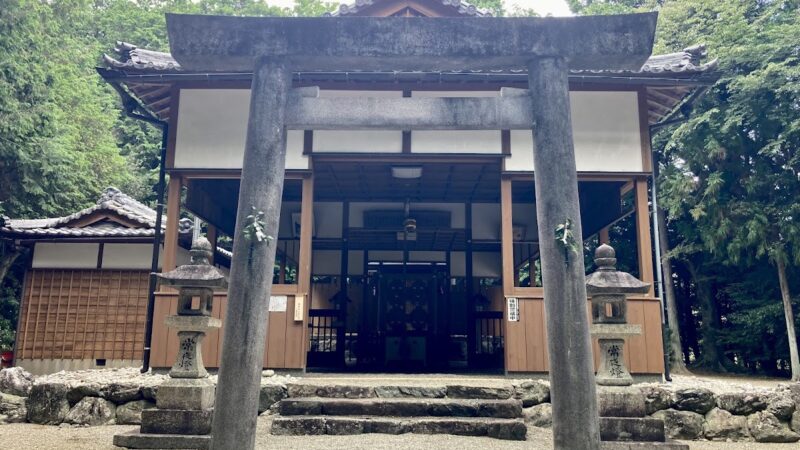
Main Hall and Worship Hall
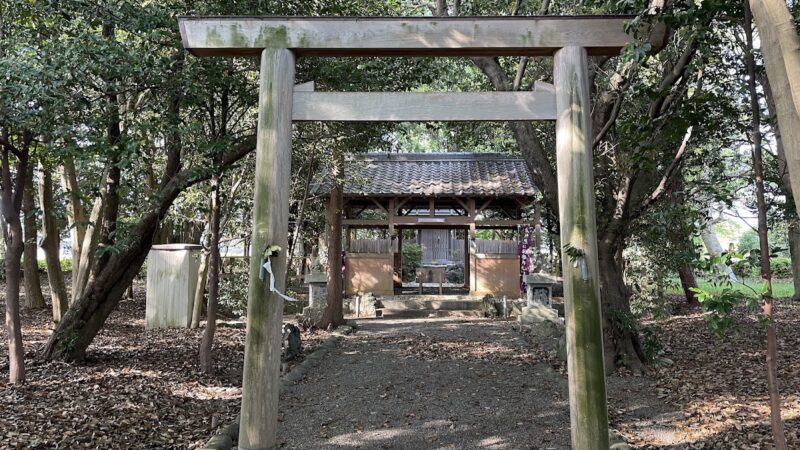
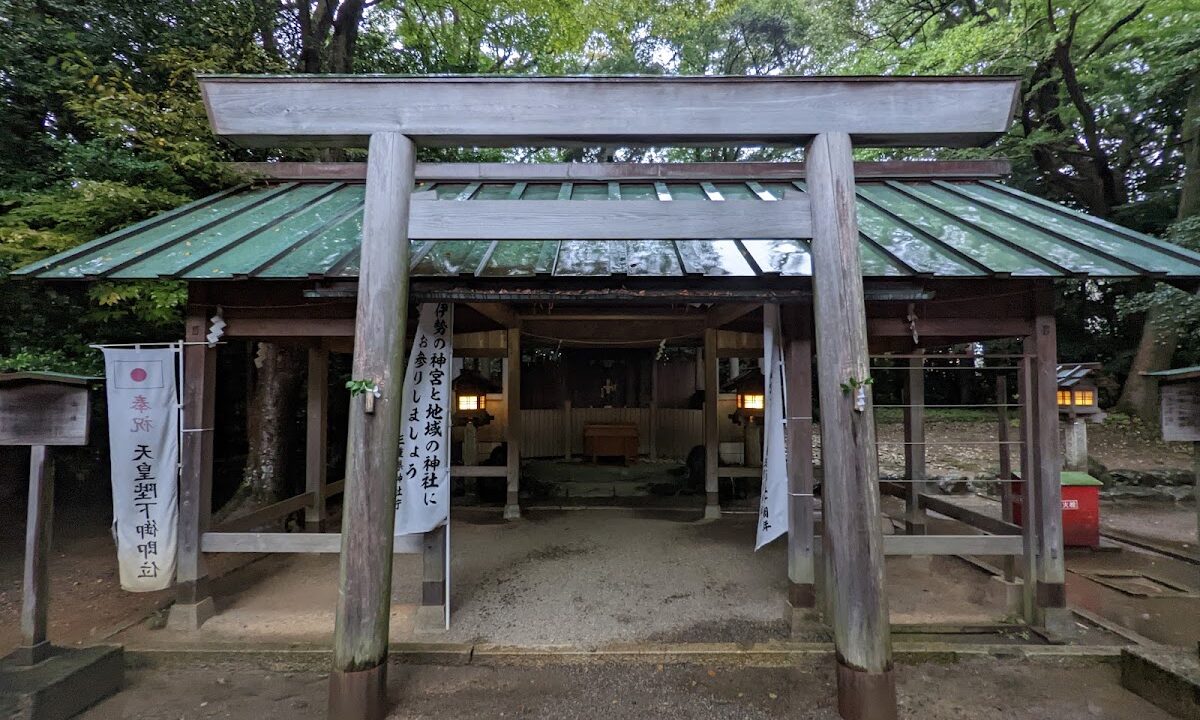
The grounds of Kawabe Nanatsugusa Shrine, while located in the heart of Kawasaki, are enveloped in a tranquil atmosphere. Although a relatively small shrine, the meticulously maintained grounds reflect the faith of the local people.
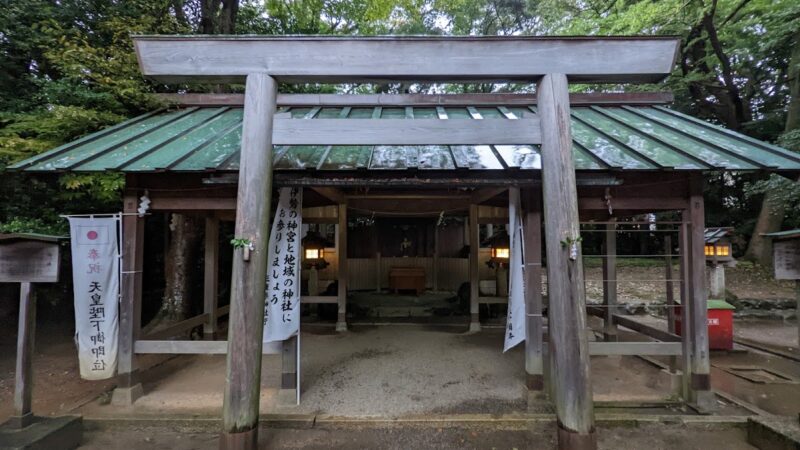
The main shrine is built in the traditional style of Shinto shrine architecture, and local people visit the worship hall daily. Ancient trees flourish around the shrine, creating a tranquil space that makes you forget the hustle and bustle of the city.
Sacred Trees and Ancient Trees
Within the shrine grounds stand magnificent, ancient sacred trees, leaving a deep impression on visitors. These ancient trees are living witnesses that have watched over the history of Kawasaki, and are an important element in creating the sacred atmosphere of the shrine.
Around these ancient trees, you can enjoy the changing natural scenery of each season, especially during the fresh green season and the autumn foliage season, which offer beautiful views.
Torii Gate and Approach
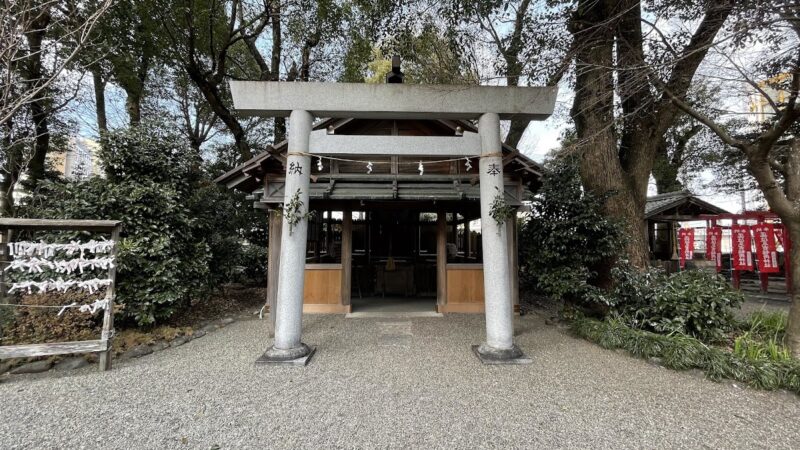
Passing through the torii gate, which blends seamlessly into the Kawasaki cityscape, a short but charming approach leads you to the shrine. Walking along this approach, you can feel the transition from everyday life to a sacred space, and you may feel your heart being naturally purified.
Tenno Festival | Kawasaki’s Largest Festival
History and Significance of the Tenno Festival
The Tenno Festival, held every summer, is the largest event at Kawabe Nanatsugusa Shrine. This festival is a traditional event dating back to the Edo period and is considered an important festival for praying for the eradication of disease and a bountiful harvest.
During the Tenno Festival, the entire town of Kawasaki is immersed in the festival atmosphere, transforming the usually quiet merchant district into a vibrant space. Many worshippers and tourists from not only the local area but also neighboring regions visit, making it a beloved summer tradition in Ise City.
Festival Highlights
The Tenno Festival features various Shinto rituals and supporting events:
- Mikoshi Procession: The portable shrine parades through the streets of Kawasaki accompanied by energetic shouts.
- Dedication Ceremonies: Children from the community offer dances and musical performances as dedications.
- Stalls and Night Markets: Numerous stalls line the approach to the shrine and surrounding roads, creating a lively festival atmosphere.
- Supporting Events: Special events are also held at nearby facilities such as the Kawasaki Merchant Museum.
Tenno Festival Dates
The Tenno Festival is usually held from mid- to late July, but the specific dates vary each year. Those planning a visit are advised to inquire in advance with the Ise City Tourism Association or the Kawasaki Merchant Museum.
During the festival, surrounding roads become congested and parking lots are often full, so the use of public transportation is recommended.
About Goshuin (Shrine Seals)
Issuance of Goshuin
While Kawabe Nanatsugusa Shrine may offer Goshuin, there is no permanent shrine office, so it is necessary to check the issuance hours and procedures in advance. Due to the small size of the shrine, those wishing to obtain a Goshuin are advised to inquire at major shrines in Ise City or the Mie Prefecture Shrine Association.
Those undertaking a Goshuin pilgrimage can enjoy a more fulfilling shrine tour by visiting nearby shrines such as Ise Grand Shrine (Naiku and Geku), Tsukuyomi-no-miya Shrine, and Sarutahiko Shrine.
Access Information
Basic Information
Shrine Name: Kawabe Nanakusa Shrine
Location: 2-19-29 Kawasaki, Ise City, Mie Prefecture
Phone Number: None (Small shrine, no permanent staff)
Visiting Hours: Grounds are open 24 hours a day
Admission Fee: Free
Parking: No dedicated parking (use nearby paid parking lots)
Access by Public Transportation
By Train/Bus:
- From Kintetsu/JR Ise-shi Station:
- Approximately 20 minutes on foot (approx. 1.5 km)
- Get off at the “Kawasaki” bus stop (Mie Kotsu Bus), approximately 3 minutes on foot
- From Kintetsu Ujiyamada Station:
- Approximately 25 minutes on foot (approx. 2 km)
- Approximately 5 minutes by taxi
- From Ise Grand Shrine Outer Shrine:
- Approximately 25 minutes on foot (approx. 2 km)
- Enjoying a stroll through the streets of Kawasaki is recommended.
Access by Car
By Car:
- From Ise Expressway “Ise IC”: Approximately 10 minutes (approx. 5 km)
- From Ise Expressway “Ise-Nishi IC”: Approximately 15 minutes (approx. 7 km)
Parking:
There is no dedicated parking lot for the shrine, but the following parking lots are available nearby:
- Kawasaki Merchant House Parking (approx. 3 minutes on foot)
- Ise City Kawasaki Parking
- Nearby coin-operated parking lots
During events such as the Tenno Festival, congestion is expected, so using public transportation is strongly recommended.
Nearby Tourist Attractions
When visiting Kawabe Nanatsugusa Shrine, you can enjoy a more fulfilling Ise sightseeing experience by also visiting the attractive tourist spots in the surrounding area.
Ise Kawasaki Merchant Museum
Approximately 3 minutes on foot
The closest tourist attraction to Kawabe Nanatsugusa Shrine is the “Ise Kawasaki Merchant Museum.” This facility preserves and displays the buildings of the Ogawa family, a merchant family that has been in business since the Edo period. Within the grounds, where seven storehouses stand, you can learn about the merchant culture and history of Kawasaki.
The Merchant Museum exhibits the lifestyle of merchants at the time, their business tools, and historical materials of Kawasaki, offering a glimpse into the lives of the merchants who supported Ise Grand Shrine. A cafe is also attached, allowing you to relax while enjoying the atmosphere of the storehouses.
Exploring the Streets of Kawasaki
Surrounding Area
The Kawasaki area, along the Setagawa River, is dotted with storehouses and townhouses dating from the Edo period to the early Showa period, and is known as the “Town of Storehouses.” Exploring this historical streetscape starting from Kawabe Nanatsugusa Shrine is highly recommended.
The scenery of white-walled storehouses makes for great photos, giving you the feeling of stepping back in time. In recent years, the area has seen an increase in cafes, galleries, and general stores housed in renovated old houses, enhancing its appeal as a tourist destination.
Scenery of the Setagawa River
Approximately 5 minutes on foot
The Setagawa River, which supported the development of Kawasaki, continues to gently flow through the town. A promenade is maintained along the river, and locals can be seen enjoying walks and jogging.
Especially during cherry blossom season, the rows of cherry trees along the river are beautiful, making it a popular spot for cherry blossom viewing. At dusk, the reflections of the storehouses on the river surface create a magical atmosphere.
Outer Shrine of Ise Grand Shrine
Approximately 25 minutes on foot, approximately 5 minutes by car
Located about 2 kilometers northwest of Kawabe Nanatsugu Shrine is the Outer Shrine (Toyouke Daijingu) of Ise Grand Shrine, often called the spiritual home of the Japanese people.
The formal order of visiting Ise Shrine is “Geku-sensai” (Outer Shrine First), meaning you should start by visiting the Outer Shrine. However, when visiting the Kawasaki area, combining your visit to the Outer Shrine with a stroll through the streets of Kawasaki and visiting Kawabe Nanatsugu Shrine allows you to experience a deeper understanding of Ise’s history and culture.
Ise Grand Shrine Inner Shrine
Approximately 15 minutes by car
Located about 5 kilometers from the Outer Shrine is the Inner Shrine (Kotai Jingu), dedicated to Amaterasu Omikami. It’s the main destination for Ise Grand Shrine pilgrimages, and its majestic buildings and sacred atmosphere captivate visitors.
A popular itinerary involves visiting the Inner Shrine, enjoying Ise’s local cuisine and shopping at Okage Yokocho and Oharaimachi, and then spending some relaxing time in the Kawasaki area.
Manners and Points for Visiting a Shrine
Basic Worship Etiquette
Kawabe Nanatsugusa Shrine is a small shrine, but the basic worship etiquette is the same as for other shrines:
- Bow before passing through the torii gate: As a greeting before entering the sacred area.
- Avoid walking in the center of the approach: The center is considered the path of the gods.
- Purify yourself at the water basin if available: Purify your left hand, then your right hand, then your mouth.
- Worship at the main hall: The basic procedure is two bows, two claps, and one bow.
- Bow again at the torii gate when leaving: With gratitude.
Suitable Time for Visiting
The shrine grounds are open for worship 24 hours a day, but the following times are recommended for a peaceful visit:
- Early morning (6:00-8:00): You can worship quietly in the refreshing air.
- Morning (9:00-11:00): A time that is easy to combine with sightseeing.
- Evening (4:00 PM – 5:30 PM): The shrine grounds bathed in the setting sun create a magical atmosphere.
While the shrine is bustling until night during the Tenno Festival, it’s generally best to avoid visiting at night.
Regarding Photography
Photography is generally permitted on the shrine grounds, but please observe the following:
- Refrain from taking photos inside the main hall or during religious ceremonies.
- Be considerate of other worshippers.
- Use tripods with care to avoid disturbing others.
- Consider location information when posting on social media.
The History of Kawasaki and its Relationship to Kawabe Nanatsugusa Shrine
The Prosperity of Kawasaki, a Merchant Town
During the Edo period, Kawasaki flourished as a wholesale district supplying goods to the Outer Shrine of Ise Grand Shrine. Using the Setagawa River for water transport, various goods such as rice, sake, soy sauce, timber, and seafood gathered from all over the country. It is said that at its peak, there were over 100 wholesale shops.
Kawasaki, also known as the “kitchen of Ise,” flourished especially during the Shikinen Sengu (periodic rebuilding and relocation of the Ise Grand Shrine), and many merchants amassed fortunes there. The numerous magnificent storehouses that still remain today symbolize this prosperity.
Deep Connection Between the Shrine and Merchants
Kawabe Nanatsugu Shrine served as a spiritual support for these merchants. They cherished and protected the shrine as a place to pray for business prosperity, family safety, and the safety and development of the community.
The grand Tenno Festival is also an expression of the merchants’ gratitude to the shrine and their celebration of the region’s prosperity. Even today, many shop owners and residents of Kawasaki cooperate in the maintenance and management of the shrine, continuing to preserve tradition.
Changes Since the Modern Era
After the Meiji era, as the importance of water transport declined with the development of railways, Kawasaki’s function as a wholesale district gradually declined. However, its historical streetscape and culture remain, and in recent years, it has been re-evaluated as a tourist destination.
Kawabe Nanagusa Shrine, though smaller in scale due to changing times, continues to be carefully preserved as the local guardian shrine and an important cultural asset that tells the history of Kawasaki.
Kawabe Nanagusa Shrine in Every Season
Spring (March-May)
In spring, the trees on the grounds of Kawabe Nanagusa Shrine bud, and the fresh greenery is beautiful. There are rows of cherry trees along the nearby Setagawa River, and during cherry blossom season, it is bustling with visitors. Cherry blossoms flutter down within the shrine grounds, creating a picturesque scene.
Summer (June-August)
The biggest highlight of summer is undoubtedly the Tenno Festival. During this festival, held from mid- to late July, the entire town of Kawasaki is immersed in the festive atmosphere. Portable shrines parade through the streets, stalls line the streets, and the lively atmosphere continues late into the night.
Autumn (September-November)
Autumn is a season when the trees in the shrine grounds begin to change color, creating a tranquil atmosphere for worship. The pleasant weather makes it an ideal time to visit, especially when combined with a stroll through the streets of Kawasaki. It’s also harvest season, and you can see locals visiting to express their gratitude for a bountiful harvest.
Winter (December-February)
In winter, Kawabe Nanatsugusa Shrine is enveloped in a serene atmosphere. While there are fewer visitors, you can more slowly appreciate the shrine’s ambiance. During the New Year’s period, it becomes lively with worshippers praying for good health and business prosperity in the coming year.
The Charm of Kawabe Nanatsugusa Shrine as Told by Locals
For locals born and raised in Kawasaki, Kawabe Nanatsugusa Shrine is not just a tourist spot, but an integral part of their lives.
“I’ve been playing in the grounds of Tenno-san since I was a child,” “The Tenno Festival is a summer tradition in Kawasaki; it doesn’t feel like summer has arrived without it,” “When I started my business, I prayed at Tenno-san to renew my resolve”—these voices demonstrate the shrine’s function as a central hub for the local community.
Even when visiting as a tourist, feeling the faith and affection of the local people for the shrine will lead to a deeper pilgrimage experience.
Summary: Experience the Charms of Kawabe Nanatsugusa Shrine and Kawasaki
Kawabe Nanatsugusa Shrine is not a large-scale shrine like Ise Grand Shrine, but it is a charming shrine rooted in local history and culture, and imbued with the deep faith of the local people.
By visiting this shrine, affectionately known as “Tenno-san,” you can experience another side of Ise—the history and culture of Kawasaki, a town that flourished as a merchant town. When visiting Ise Grand Shrine, why not extend your trip a little and visit Kawabe Nanatsugusa Shrine and the townscape of Kawasaki?
Especially during the Tenno Festival, it’s a fantastic opportunity to experience a vibrant Kawasaki unlike its usual self. Combining the charming scenery of the warehouse district, historical learning at the Ise Kawasaki Merchant Museum, and a peaceful visit to the Kawabe Nanatsugusa Shrine—you’re sure to discover the multifaceted charm of Ise.
The Kawabe Nanatsugusa Shrine, though small, is beloved by the local community and is a valuable spot where you can feel the essence of Japanese shrine culture. Be sure to visit it at least once.