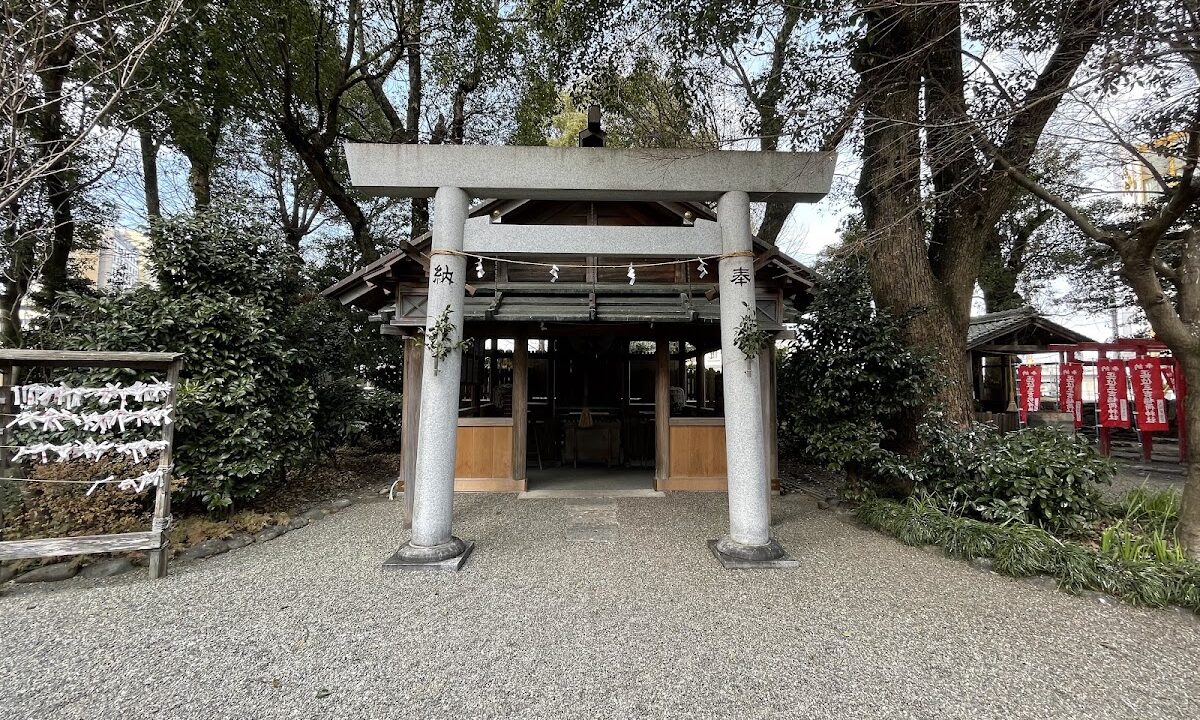
Segi Shrine (Ise City, Mie Prefecture) Complete Guide | History, Goshuin (Shrine Seal), and Access Information
Located just a one-minute walk from JR and Kintetsu Ise-shi Station, the gateway to Ise City, Mie Prefecture, Segi Shrine is a shrine enveloped in a tranquil atmosphere that belies its proximity to the station. As one of the eight tutelary shrines of Yamada, which flourished as a temple town for the Outer Shrine, it has long been cherished by the local people.
This article provides a detailed explanation of everything you need to know before visiting Segi Shrine, including its historical background, enshrined deities, highlights within the grounds, goshuin information, and access methods.
History and Origins of Segi Shrine
Origin of the Place Name “Seki”
The name of Segi Shrine originates from the historical characteristics of this area. “Seki” is derived from “seki,” a weir that dams up water. Since ancient times, a weir existed in this area that dammed a portion of the Toyokawa River, a branch of the Miyagawa River, to provide water for rice paddies. Because of the presence of this important flood control facility, the area came to be called “Seki.”
This place name has meaning beyond mere nouns. It indicates that it was the center of the water management system supporting agriculture in the Ise Plain, and is deeply connected to the background of Seki Shrine’s deity of water.
The Relationship Between the Watari Clan and Seki Shrine
Indispensable to understanding the history of Seki Shrine is its deep connection with the Watari clan. The main deity, Amenomurakumo-no-Mikoto, is considered the distant ancestor of the Watari clan, who served as priests (Negi) of the Outer Shrine of Ise Grand Shrine for generations.
One branch of the Watari clan lived in Seki Village, adopted the name Seki, and revered the shrine as their tutelary deity. They were deeply involved not only in their roles as Shinto priests but also in flood control projects in this area, praying to the water deity, Ame-no-Mura-Kumo-no-Mikoto, for the success of flood control efforts.
Founding Date and Historical Changes
The exact founding date of Seki Shrine is unknown, but records confirm its existence before the Tenpuku and Kenchō eras (1233-1256). During the Kamakura period, ancient documents remaining at Kōmyōji Temple, the family temple of the Seki clan, convey the prosperity of this area.
In the past, it was called “Seki-sha” or “Seki-za-Watarai-uji Shrine.” Throughout the Edo period, it was revered as the local tutelary deity, and under the Meiji era’s shrine ranking system, it was classified as a village shrine.
In 1908 (Meiji 41), several shrines related to the Watarai clan that were scattered around the area were merged, resulting in its current form. This merger meant that multiple deities were enshrined in a single shrine building, making it an object of diverse worship.
Deities and Divine Virtues
Main Deity: Ame-no-Murakumo-no-Mikoto
The main deity of Seki Shrine is Ame-no-Murakumo-no-Mikoto. This deity is known as a water god who oversees the “governance of heavenly waters.” “Heavenly waters” refers to rain falling from the heavens, which was the most important natural blessing in agricultural societies.
Ame-no-Murakumo-no-Mikoto has been revered as the ancestral deity of the Watari clan, presiding over water management and agricultural prosperity. In an era when water management was directly linked to daily life, faith in this deity was a heartfelt wish of the local people.
Deities Enshrined Together
Due to the shrine consolidation during the Meiji era, the following deities are also enshrined at Seki Shrine:
- Watarai Haruhiko Kannushi: One of the ancestral deities of the Watarai clan
- Sugawara no Michizane: Tenjin-sama, known as the god of learning
- Ukanomitama no Okami: As Inari-sama, presides over abundant harvests
- Okuninushi no Mikoto: God of matchmaking and business prosperity
With these deities enshrined in one location, the shrine offers a variety of divine blessings, including the blessings of water, academic success, abundant harvests, business prosperity, and matchmaking.
Highlights of the Shrine Grounds
A Serene Space Unexpectedly Located Near the Station
The most striking feature of Seki Shrine is that, despite its location right outside the south exit of JR and Kintetsu Ise-shi Station, the noise of cars and the hustle and bustle surprisingly disappear once you step onto the shrine grounds.
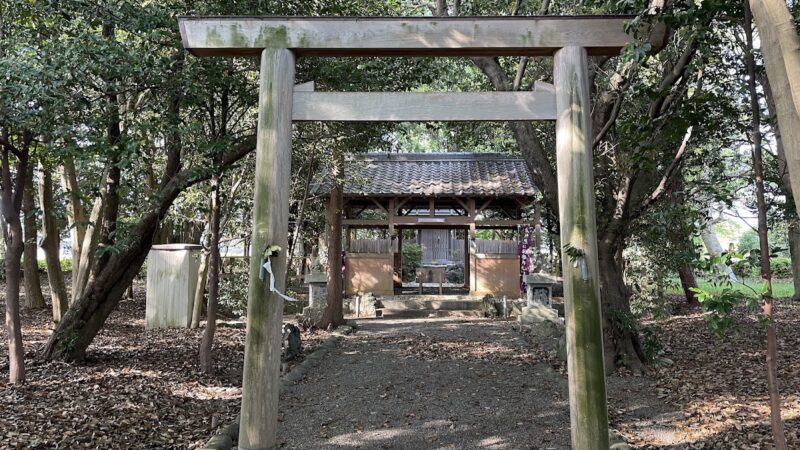
Despite being adjacent to the station’s rotary, you are enveloped in a tranquil atmosphere once you pass through the torii gate. The grounds, surrounded by trees, are like an oasis in the city, offering peace of mind to visitors.
Shrine Buildings and Grounds Layout
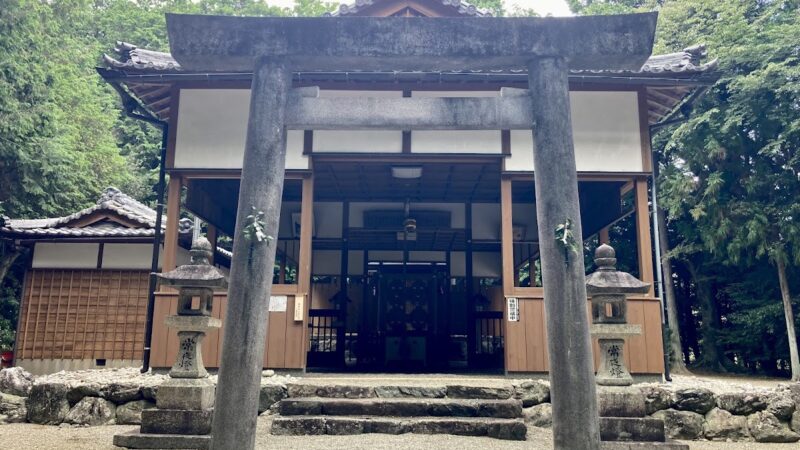
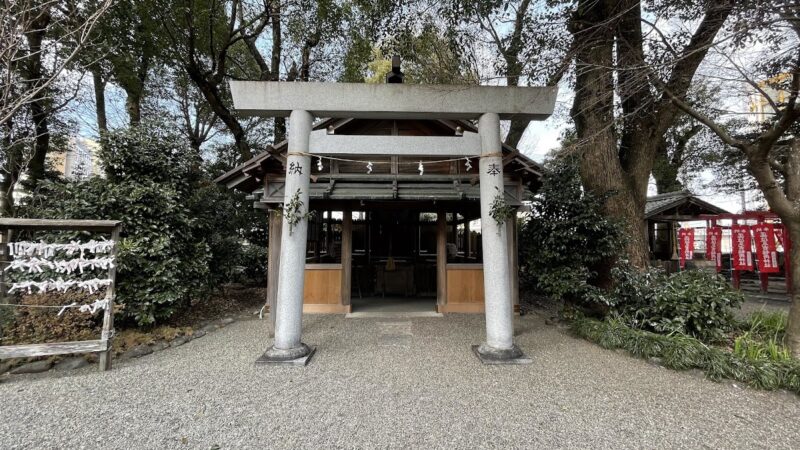
The grounds are not particularly large, but they are compact yet neatly arranged. Upon passing through the torii gate, the main shrine building is directly ahead, surrounded by trees.
Despite the small grounds, shrine facilities such as the purification fountain and lanterns are appropriately placed, creating an environment where visitors can pray peacefully while observing proper etiquette.
Miyoshi Inari Shrine (Shrine within the grounds)
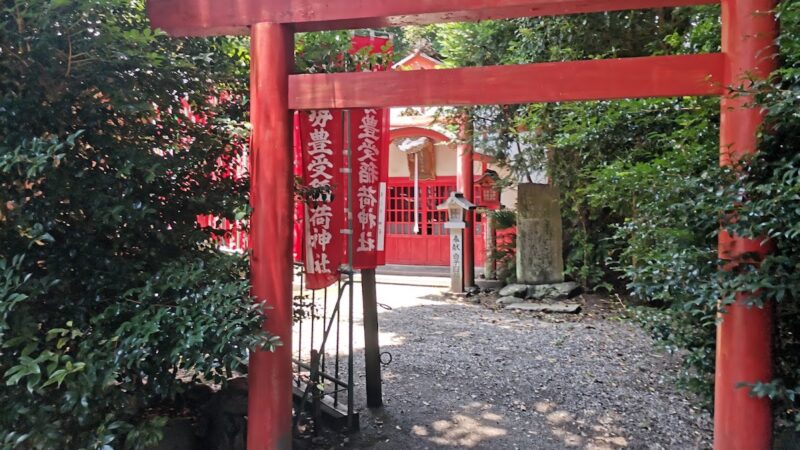
One of the most striking features within the grounds of Seki Shrine is the Miyoshi Inari Shrine, a shrine within the grounds. Located in a corner of the main hall, this Inari shrine features numerous red torii gates, attracting the attention of visitors.
The rows of vermilion torii gates in this small space evoke the sight of Fushimi Inari Taisha in Kyoto, making it a must-visit spot when visiting Seki Shrine. Many worshippers visit to pray for business prosperity and a bountiful harvest.
Positioning as one of the Eight Ubusunagami Shrines of Yamada
Seki Shrine is counted as one of the “Eight Ubusunagami Shrines” of Yamada, a town that flourished as a temple town for the Outer Shrine of Ise Grand Shrine. Ubusunagami are the guardian deities of a place, the gods who protect the land where one was born.
The Eight Ubusunagami Shrines of Yamada are a collective term for eight shrines around the Outer Shrine, each playing an important role as a guardian deity of the region. Among them, Seki Shrine is the closest shrine to the station, making it easily accessible to many visitors even today.
Visiting these local guardian deities before or after visiting the Outer Shrine is a well-known way to enjoy a pilgrimage to Ise.
Goshuin (Shrine Seal) Information
About the Issuance of Goshuin
Seki Shrine offers goshuin (shrine seals). Many visitors receive them as a memento of their visit and as proof of their connection with the shrine.
Goshuin can be obtained at the shrine office, but since staff may be absent, it is recommended to check in advance if you definitely want a goshuin.
About Electronic Goshuin
Seki Shrine also offers electronic goshuin to accommodate modern pilgrimage styles. A service has been introduced that allows you to record your goshuin digitally using your smartphone, so you can keep a record of your visit even if you don’t bring your goshuin book.
Electronic Goshuin (temple/shrine stamps) have a different appeal than paper Goshuin, and the advantage is that they can be saved as data, eliminating the worry of loss.
Annual Festival and Events
The annual festival of Seki Shrine is held every year on August 25th. This is the most important festival for the shrine, a Shinto ritual to express gratitude to the enshrined deity and pray for peace and prosperity in the region.
On the day of the festival, the atmosphere is solemn and different from usual, and local parishioners and devotees gather. If you have the opportunity to visit Ise City around this time, it would be a good idea to attend the festival.
Access and Basic Information
Location
Address: 1-2-6 Fukiage, Ise City, Mie Prefecture
Access by Train
Seki Shrine boasts one of the most easily accessible shrines in Mie Prefecture.
- JR Sangū Line “Ise-shi Station”: Approximately 1 minute walk (approx. 85m) from the South Exit
- Kintetsu Yamada Line “Ise-shi Station”: Approximately 1 minute walk (approx. 85m) from the South Exit
The shrine is located to the left of the station exit, across the rotary, making it easy to find even for first-time visitors. Its convenient location makes it easy to stop by before heading to Ise Jingu Outer Shrine or when using Ise-shi Station.
Access by Car
If visiting by car, you will need to use a paid parking lot around Ise-shi Station. While there is no dedicated parking lot for the shrine, there are several coin-operated parking lots nearby due to its location in front of the station.
If visiting on the way to Ise Jingu Outer Shrine, you can also use the Outer Shrine’s parking lot (free) and walk to the shrine. It’s approximately a 10-minute walk from the Outer Shrine to Seki Shrine.
Visiting Hours
While the shrine grounds are generally open for free worship, there may be limited hours for services such as receiving Goshuin (shrine stamps) and prayers at the shrine office. If you definitely want a Goshuin (temple/shrine stamp), we recommend contacting them in advance.
Nearby Tourist Attractions
Ise Grand Shrine Outer Shrine (Toyouke Daijingu)
Located about a 10-minute walk from Seki Shrine, the Ise Grand Shrine Outer Shrine is an important shrine that serves as the starting point for pilgrimages to Ise. It enshrines Toyouke Daijingu, who presides over the meals of Amaterasu Omikami, and is revered as the guardian deity of industries including clothing, food, and shelter.
After visiting Seki Shrine, be sure to also visit the Outer Shrine.
Outer Shrine Approach
The Outer Shrine approach, leading from Ise City Station to the Outer Shrine, is lined with restaurants where you can enjoy local specialties such as Ise Udon and Akabuku, as well as souvenir shops. You can enjoy the flavors of Ise before or after your visit.
Shopping Street Around Ise City Station
A shopping street spreads around the station, lined with shops that support the lives of local people. It’s an area that hasn’t been commercialized for tourism and where you can feel the local atmosphere.
Visitor Feedback and Reputation
Visitors to Seki Shrine have shared the following comments:
“Unbelievable tranquility for a station-front location” The most common comment is surprise at the peaceful atmosphere of the shrine grounds, despite its location near the station. Many visitors report feeling a sense of calm and serenity upon entering the torii gate, as if all sound has been cut off.
“Compact but charming” While the grounds are not large, they are meticulously maintained, and visitors appreciate the dignified presence of the shrine despite its small size. Many specifically mention the striking red torii gate of the Miyoshi Inari Shrine.
“Easy accessibility is a major draw” The shrine’s convenient location, just a one-minute walk from Ise City Station, is a significant draw for many visitors. The ease of visiting before or after a visit to the Outer Shrine is highly appreciated.
A Quiet, Hidden Gem
In contrast to the bustling Outer Shrine (Geku), this shrine is praised as a quiet, hidden gem for worship. Many consider it an ideal environment for those seeking a peaceful and tranquil experience.
Points to Note When Visiting Seki Shrine
Recommended Visiting Time
Due to its location near the station, it’s possible to visit from early morning until evening, but the morning is especially recommended. Visiting during the quiet hours before the commuters and students arrive allows you to feel an even more sacred atmosphere.
It’s also a good idea to stop by before visiting the Outer Shrine (Geku). Visiting Seki Shrine, the local guardian deity, first before heading to the Outer Shrine is a meaningful local custom.
Regarding Photography
Photography is generally permitted on the shrine grounds, but consideration should be given to avoiding disturbing worshippers or religious ceremonies. It’s especially recommended to refrain from taking photos directly in front of the main shrine building, and instead focus on photographing the scenery within the grounds, such as the torii gate of Miyoshi Inari Shrine.
Shrine Visiting Etiquette
Although the shrine grounds are compact, the proper way to visit is the same as at other shrines:
- Bow before passing through the torii gate
- Purify your body and mind at the water basin
- Bow twice, clap twice, and bow once in front of the main shrine building
- Visit the subsidiary shrine, Miyoshi Inari Shrine
- When leaving, turn around and bow after passing through the torii gate
Seki Shrine and the Water Culture of Ise
The history of Seki Shrine is closely intertwined with the water culture of the Ise region. The weir technology used to utilize the abundant water of the Miyagawa River system for agricultural purposes formed the foundation of agricultural development in this region.
The worship of Amemurakumo-no-Mikoto as a water deity was not merely a religious practice, but a practical faith linked to actual flood control projects. The fact that the Watari clan held both the roles of Shinto priests and flood control managers conveys the ancient form of Shintoism and daily life being integrated.
When we visit Seki Shrine today, reflecting on the gratitude for water and the history of flood control behind it will lead to a deeper pilgrimage experience.
Summary: A Small Sanctuary in Front of the Station
Seki Shrine, despite its modern location just a one-minute walk from Ise City Station, is a precious shrine that conveys ancient faith and history. It enshrines a water deity associated with the Watari clan and has been revered by the local people as the guardian deity of flood control and agriculture.
The shrine grounds are not particularly large, but they are enveloped in a tranquil atmosphere that is unexpected for a place so close to the station, providing a space for peaceful worship. The sight of the rows of red torii gates of Miyoshi Inari Shrine is also impressive, making it a small shrine with many points of interest.
Before or after visiting the Outer Shrine of Ise Grand Shrine, or when using Ise City Station, please be sure to stop by Seki Shrine. As one of the eight tutelary shrines of Yamada, paying your respects to the deities who have protected this land for generations will deepen your connection to the land of Ise.
With its convenient access, tranquil surroundings, and rich history, Seki Shrine is a hidden gem in Ise known only to those in the know. Enjoy a moment of peace and tranquility in this small sanctuary right in front of the station.