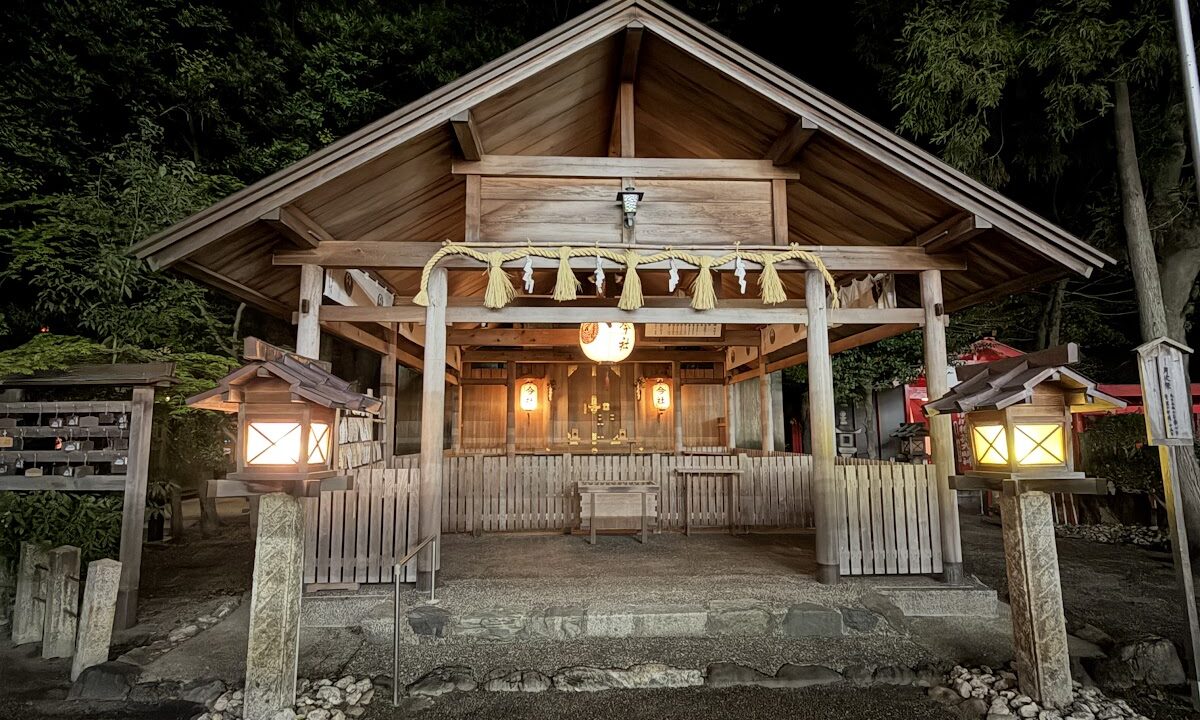
Ima-sha Shrine (Ise City, Mie Prefecture): The History and Charm of an Ancient Shrine Revered as the Guardian Deity of the Twelve Yamada Shrines
Ima-sha Shrine, located in Ise City, Mie Prefecture, is a shrine that has long been revered as the guardian deity of the local residents in the Yamada region, which is at the foot of Ise Grand Shrine. Counted as one of the Twelve Yamada Shrines, and bearing the name of the old village of Iniwa, it remains a central place of worship in the region.
Basic Information about Ima-sha Shrine
Ima-sha Shrine is located in Ise City, Mie Prefecture, relatively close to the Outer Shrine of Ise Grand Shrine. Ise City is one of the central cities in Mie Prefecture and is known as a region visited by many pilgrims to Ise Grand Shrine.
Ima-sha Shrine has long been cherished by local residents as one of the Twelve Yamada Shrines, known as the guardian deities of the region. The Yamada Twelve Shrines are a collective term for twelve local shrines located in the Yamada district of Ise City (the area surrounding the Outer Shrine), each playing an important role as the guardian deity of its respective community.
Location and Access
The shrine is easily accessible on foot from Ise City Station or Ujiyamada Station, or by bus. Its convenient location makes it a popular stop for visitors combining a visit to the Outer Shrine of Ise Grand Shrine with a visit to the shrine itself.
History and Origins of the Shrine
Origin of the Shrine’s Name and the Former Name of Iba Village
The area where the shrine is located was formerly known as Iba Village or Iba Village. This area was situated along the Kiyokawa River, a tributary of the Miyagawa River, and was part of a wilderness called Kiyono.
According to the ancient document “Koji Jū,” it states: “An ‘Iba’ is what is now called a weir. Ancient wells were not dug in the ground to draw water as they are today. Instead, the edge of the river was dug and surrounded with bamboo and wood like a well, and river water was drawn into it to draw water. This was also called an ‘i’ or ‘iba.’ This is an ancient well. Later, it came to be called an ‘i-seki.'”
This indicates that ancient wells were not dug in the ground to draw water as they are today, but rather dug at the edge of the river and surrounded with bamboo and wood like a well, and river water was drawn into it to draw water. This method was called an “iba” or “seki,” and later it was also called an “i-seki.” Because a ‘iba’ (weir) was built on the Kiyokawa River to draw water, this area came to be called Iba Village.
The shrine’s name, Ima-sha, originates from this old village name, Iba Village. Historically, it was also known as Iniwa Shrine, Imamura Shrine, and Imamura-dono, a name closely intertwined with the region’s history.
Positioning as one of the Twelve Shrines of Yamada
Ima Shrine is one of the twelve tutelary shrines of Yamada and has been revered as the tutelary deity of Iniwa Village. A tutelary deity is a god who protects the people born in a particular area and has played a crucial role as a spiritual pillar of the local community.
In the Yamada district, where the Outer Shrine of Ise Grand Shrine is located, twelve tutelary shrines, including Ima Shrine, are scattered throughout the area, each attracting worship as a guardian deity of its region. These shrines, separate from Ise Grand Shrine, have functioned as objects of daily faith for the local residents.
Deity and Divine Virtues of Ima Shrine
Regarding the deity enshrined at Ima Shrine, given that it is worshipped as the tutelary deity of the region, it is considered to have a strong character as a guardian deity of the land. Tutelary deities have been worshipped as gods who preside over abundant harvests, family safety, and regional prosperity.
Many visitors come seeking divine blessings for family safety, business prosperity, and the flourishing of descendants. For local residents, it is a familiar shrine they visit at important life events.
The Grounds and Shrine Building of Ima Shrine
Ima Shrine’s grounds are quietly situated within a residential area of Ise City. Although small in scale, it is carefully maintained as a place of worship for the community.
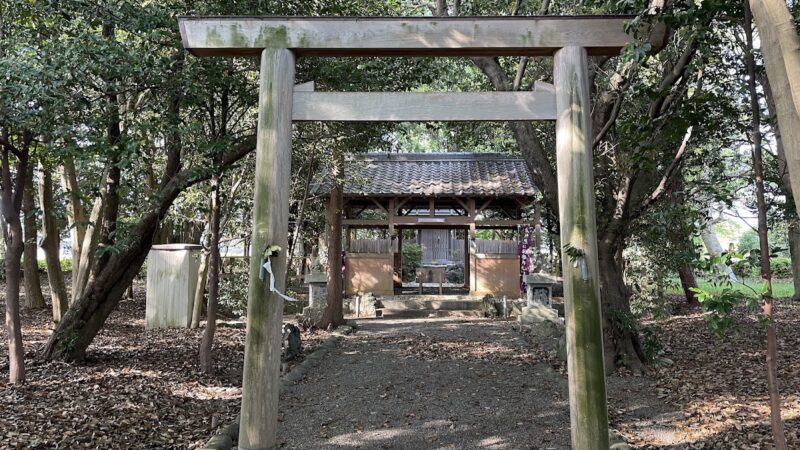
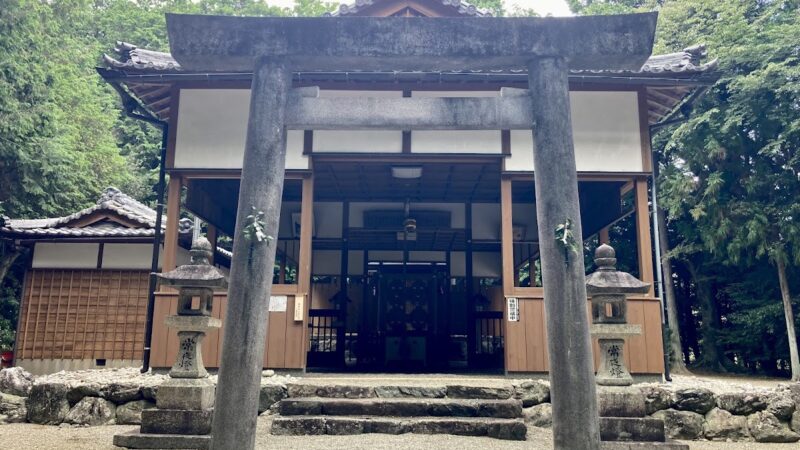
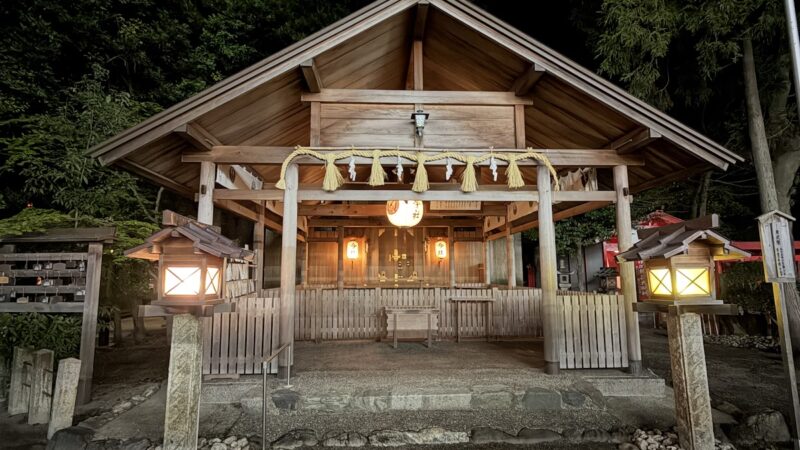
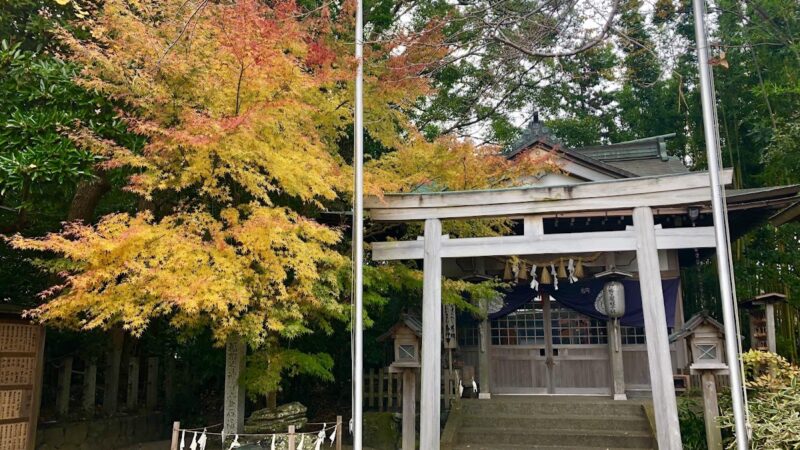
The shrine building exhibits the traditional architectural style of the Ise region, exuding a simple yet solemn atmosphere. The grounds contain sacred trees and stone monuments, preserving elements that evoke a long history.
How to Worship at Ima Shrine
Etiquette for Worship
Worship at Ima Shrine follows the general etiquette for visiting a shrine:
- Bow before passing through the torii gate.
- Cleanse your hands and mouth at the water basin.
- Worship in front of the main hall using the two bows, two claps, and one bow ritual.
- Bow towards the main hall when leaving the grounds.
While Ise Grand Shrine has special worship etiquette, general shrine worship etiquette is acceptable at local tutelary shrines like Ima Shrine.
Timing of Visits
While visits to Ima Shrine are possible throughout the year, the number of visitors increases particularly at the following times:
- Hatsumode (New Year’s visit): The shrine is bustling with worshippers praying for happiness in the new year.
- Annual Festival: Local residents gather during major annual festivals.
- Shichi-Go-San (Seven-Five-Three Festival): Families visit to celebrate their children’s growth.
- When Visiting Ise Grand Shrine: Some worshippers visit in conjunction with their pilgrimage to Ise Grand Shrine.
Shrine Culture in Ise City and Mie Prefecture
Relationship between Ise Grand Shrine and Local Shrines
Ise City in Mie Prefecture is a special region where Ise Grand Shrine, the center of Japanese shrine worship, is located. Visiting Ise Grand Shrine has long been a source of aspiration for Japanese people, known as “O-Ise-mairi,” and during the Edo period, many worshippers came from all over the country.
Local tutelary shrines like Ima Shrine form a separate layer of faith from Ise Grand Shrine. While Ise Grand Shrine is a “public” shrine closely connected to the state and the Imperial family, local tutelary shrines have functioned as “private” shrines closely integrated into the daily lives of local residents. These two types of shrines are not in opposition, but rather complementary, forming a multi-layered structure of faith within the Ise region.
Mie Prefecture Shrine Association and Shrine Network
The Mie Prefecture Shrine Association is comprised of 815 shrines within Mie Prefecture that are under the jurisdiction of the Association of Shinto Shrines, and our shrine is also a member of this network. The Mie Prefecture Shrine Association promotes visits to Ise Grand Shrine and supports related activities, trains Shinto priests, holds training sessions and workshops for shrine personnel, handles reporting to the Association of Shinto Shrines, and conducts educational and public relations activities to raise awareness of shrines.
This organized network ensures that even small local shrines like ours are properly maintained and managed, and that they are passed on to future generations.
Shrine Pilgrimage in Mie Prefecture and Ima-sha Shrine
Yamada Twelve Shrine Pilgrimage
The “Yamada Twelve Shrine Pilgrimage,” which includes Ima-sha Shrine and the other twelve shrines of Yamada, is a fascinating experience for gaining a deep understanding of the regional culture of Ise. Each shrine has a different history and origin, allowing you to learn about diverse aspects of the region.
Visiting these local tutelary shrines, in addition to visiting Ise Grand Shrine, allows you to gain a deeper understanding of the religious life of the people of Ise and the history of their local communities.
Ise Pilgrimage and Local Shrine Visits
The proper way to visit Ise Grand Shrine is to follow the principle of “Geku-Sensai” (visiting the Outer Shrine first) before visiting the Inner Shrine. Visiting local shrines like Ima-sha Shrine before, during, or after your Ise pilgrimage will make your trip to Ise more fulfilling.
Especially for visitors with ample time, we recommend visiting not only Ise Grand Shrine but also the surrounding local shrines to experience the multi-layered religious culture of Ise.
Attractions Around Ima-sha Shrine
History and Culture of Ise City
Ise City, where Ima-sha Shrine is located, is a historic city that has developed around Ise Grand Shrine. Around the Outer Shrine, old townscapes remain, and shops selling local specialties such as Ise udon and Akabuku, as well as traditional crafts, are scattered throughout the area.
Even in the Reiwa era, Ise City maintains its character as a temple town for the Grand Shrine, while also welcoming many worshippers and tourists as an important tourist city in Mie Prefecture.
Natural Environment of the Miyagawa and Kiyokawa Rivers
The Ima-sha area is located along the Kiyokawa River, a tributary of the Miyagawa River, and has long been blessed with water. The Miyagawa River is known as “Japan’s cleanest river,” and its pure water is a symbol of Ise’s natural environment.
The history of water use, which gave rise to the name of Iniwa Village, tells the story of how the people of this region have lived in harmony with water. Even today, rice paddies and waterways remain in the surrounding area, allowing visitors to imagine the landscape of the past.
Shrine Culture and Traditions of Mie Prefecture
Characteristics of Shrines in Mie Prefecture
Mie Prefecture is home to many historical shrines, including Ise Grand Shrine. The 815 shrines belonging to the Mie Prefecture Shrine Association are each deeply connected to the history and culture of their respective regions, exhibiting diverse forms of worship.
Shrines in the Ise region, while influenced by Ise Grand Shrine, maintain their own unique regional characteristics. Local shrines like Ima-sha, unlike large-scale shrines, have served as intimate places of worship, supporting the cohesion of local communities.
Relationship between Shrines and Local Communities
Shrines in Mie Prefecture have functioned not merely as religious institutions, but as central figures in local communities. Festivals and annual events provide opportunities for local residents to gather, strengthening community bonds.
Local shrines like Ima-sha are maintained and managed by parishioners (local residents), and are passed down to future generations through the cooperation of local people. In modern society, where the weakening of local communities is a problem, shrines remain important places for maintaining community ties.
Relationship between Shrines and Local Communities
Shrines in Mie Prefecture have functioned not merely as religious institutions, but as central figures in local communities. Festivals and annual events provide opportunities for local residents to gather, strengthening community bonds.
Local shrines like Ima-sha are maintained and managed by parishioners (local residents), and are passed down to future generations through the cooperation of local people. In a modern society where the weakening of local communities is a problem, shrines remain important places for maintaining community ties.
The Significance of Visiting Ima Shrine
The Modern Significance of Ubusunagami Worship
Worship of Ubusunagami (guardian deity of one’s birthplace) is a uniquely Japanese form of belief that expresses gratitude and affection for the land where one was born and raised. Visiting Ima Shrine is not simply about making requests to the gods, but an experience that connects one’s roots and the history of the region.
In modern society, people move around a lot, and many live away from their birthplace, but Ubusunagami worship offers an opportunity to re-examine one’s origins.
The Preservation of Local Culture
Visiting small local shrines like Ima Shrine and learning about their history and origins is important for passing on local culture to future generations. Knowledge related to Ima Shrine, such as the old name of Iniwa Village and the history of water use, provides valuable clues to understanding the local history of Ise.
When each visitor understands the history and cultural value of the shrine and shares that understanding with others, the region’s cultural heritage is protected and passed down.
Precautions and Manners When Visiting the Shrine
Basic Manners for Visiting the Shrine
When visiting Ima Shrine, please observe the following basic manners:
- Be quiet on the shrine grounds and do not speak loudly.
- Take photographs only in designated areas.
- Always take your trash with you.
- Do not touch the sacred trees or buildings.
- Be considerate of other visitors.
Consideration for the Community
Ima Shrine is located in a residential area, so consideration for the surrounding residents is necessary when visiting. If you are visiting by car, be mindful of parking and avoid parking on the street. Also, it is important to respect the local living environment by refraining from visiting early in the morning or late at night.
Summary: Ima Shrine’s Regional Beliefs in Ise
Ima Shrine, located in Ise City, Mie Prefecture, is a historical shrine that has been revered as the local tutelary deity since ancient times, as one of the Twelve Yamada Shrines. Named after the old village of Iniwa, this shrine’s history, deeply intertwined with the history of water utilization in the Kiyokawa River, is a valuable cultural heritage that tells the story of Ise’s regional history.
Despite being located at the foot of Ise Grand Shrine, one of Japan’s most prestigious shrines, Ima Shrine has played a unique role as a local tutelary shrine closely connected to the community. Its existence demonstrates that Ise’s religious culture is not limited to Ise Grand Shrine, but has a multi-layered structure with diverse aspects.
When visiting Ise, we recommend visiting not only Ise Grand Shrine, but also local shrines like Ima Shrine. There, you will find the form of faith that the people of Ise have cultivated over a long history, and you will be able to experience the richness of Japan’s regional culture.
Visiting Ima Shrine is not merely sightseeing or a power spot tour; it is a valuable opportunity to confront the local history and culture and learn about the traditional forms of Japanese faith. When visiting Mie Prefecture, please be sure to stop by Ima Shrine and experience the local history and faith that breathe life into its tranquil atmosphere.