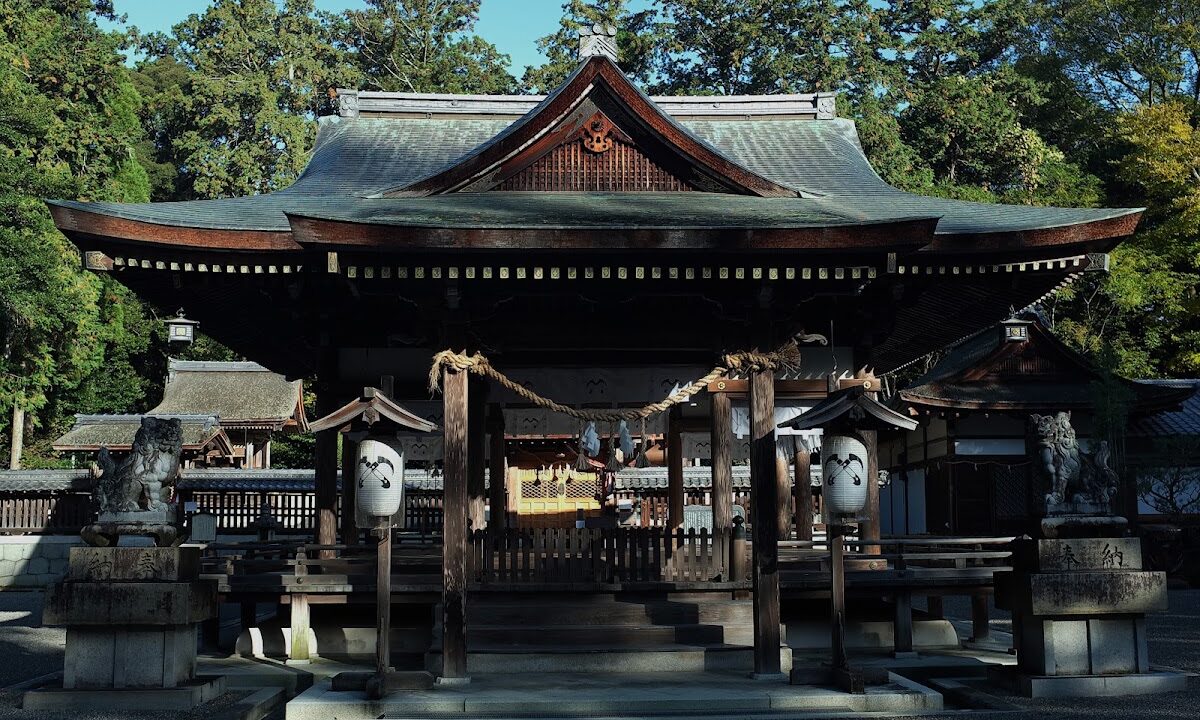
Complete Guide to Okuishi Shrine (Shiga Prefecture) | An Ancient Shrine for Safe Childbirth, Nestled in the Forest of Oiso
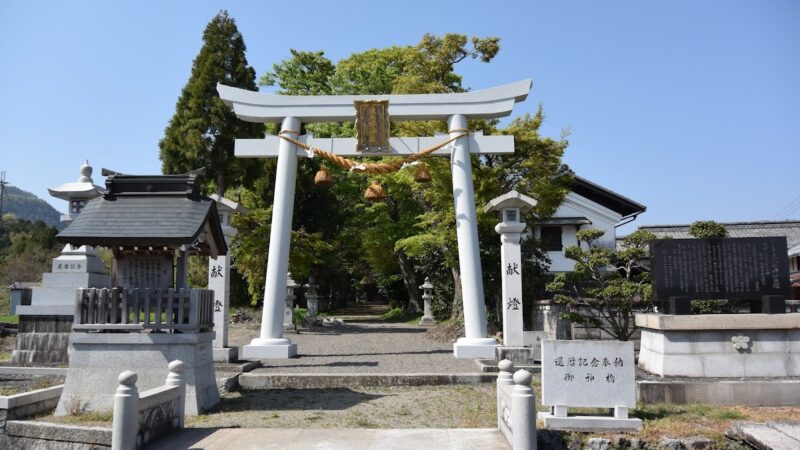
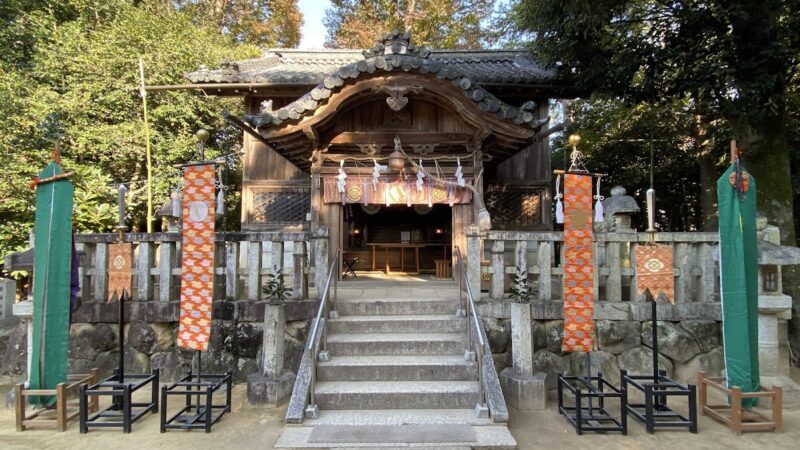
Okuishi Shrine, located in Azuchi-cho, Omihachiman City, Shiga Prefecture, is an Engishiki-listed shrine nestled in a sacred forest known as the Forest of Oiso. It enshrines the ancestral deity of the Fujiwara clan, possesses a nationally important cultural property (main hall) associated with Oda Nobunaga, and has long been revered as a shrine with miraculous efficacy for safe childbirth.
This article comprehensively introduces information you should know before visiting Okuishi Shrine, including its history, enshrined deities, cultural properties, access methods, and information on Goshuin (shrine stamps).
History and Origins of Okuishi Shrine
Status as an Engishiki-listed Shrine
Okuishi Shrine is an Engishiki-listed shrine, listed in the Engishiki Jinmyocho (a list of shrines compiled in the mid-Heian period). While its founding date is unclear, it is known as a historically significant shrine with a long history dating back to ancient times. Formerly a prefectural shrine, it has played an important role as a center of local faith.
Oiso Forest and the Suzuka Mountain Faith
Oiso Forest, where Okuishi Shrine is located, is a sacred forest designated as a national historical site. This forest is located at the southern foot of Mount Suzuka (also known as Kannonji Mountain, elevation 432.7m), and has long been a place of mountain worship.
The origin of the shrine is thought to be a place of worship where people paid homage to the sacred rock (iwakura) at the summit of Mount Suzuka. The ancient form of nature worship, where the mountain itself is considered the deity, remains strongly present even today.
Alternative Names: Kama Daimyojin and Kamamiya
Okuishi Shrine has also been known locally as “Kama Daimyojin” or “Kamamiya.” This is believed to originate from the fact that the deities enshrined in the main hall are fire-preventing hearth gods (kamado-gami), and the character for “hearth” (竈) was sometimes written with the character for “sickle” (鎌). This suggests that the belief in fire prevention has existed since ancient times.
Deities and Divine Virtues
Amenokoyane-no-Mikoto (Amatsu-Koyane-no-Mikoto)
The principal deity of Okuishi Shrine is Amenokoyane-no-Mikoto. Also known as Amatsu-Koyane-no-Mikoto, this deity is known as the ancestral god of the Fujiwara clan.
Amenokoyane-no-Mikoto appears in the Kojiki and Nihon Shoki as the god who recited prayers when Amaterasu Omikami hid in the Amano-Iwato cave. He has been revered as the god who governs the power of words and as the god who presides over rituals. It is believed that shrines dedicated to Amenokoyane-no-Mikoto were established throughout Japan as the Fujiwara clan expanded their influence nationwide.
Faith as a God of Safe Childbirth
Okuishi Shrine is widely known as a shrine with miraculous efficacy for prayers for safe childbirth. This belief stems from a legend involving Yamato Takeru no Mikoto and Ototachibana-hime no Mikoto.
According to the legend, Yamato Takeru no Mikoto encountered a storm at sea during his eastern expedition and was in peril. At that time, his consort, Ototachibana-hime no Mikoto, sacrificed herself by throwing herself into the rough sea to appease the sea god’s anger. The princess was pregnant, and before disappearing into the waves, she is said to have left behind the words, “I will remain in the Oiso Forest and protect women’s safe childbirth.”
From this legend, Okuishi Shrine has long been revered as a god of protection for women’s safe childbirth. Even today, worshippers continue to visit the shrine to pray for safe childbirth.
Other Divine Virtues
In addition to prayers for safe childbirth, the following divine virtues are believed to be associated with the shrine:
- Protection from Fire: Due to its nature as a hearth god, it is believed to offer protection from fire.
- Safety of the Home: Peace and prosperity for the family.
- Protection from Misfortune: The power to ward off calamities.
- Power of Words: The power of words, stemming from the divine virtues of Amenokoyane-no-Mikoto, leading to the fulfillment of prayers.
Main Hall, a National Important Cultural Property
Oda Nobunaga and Shibata Iehisa
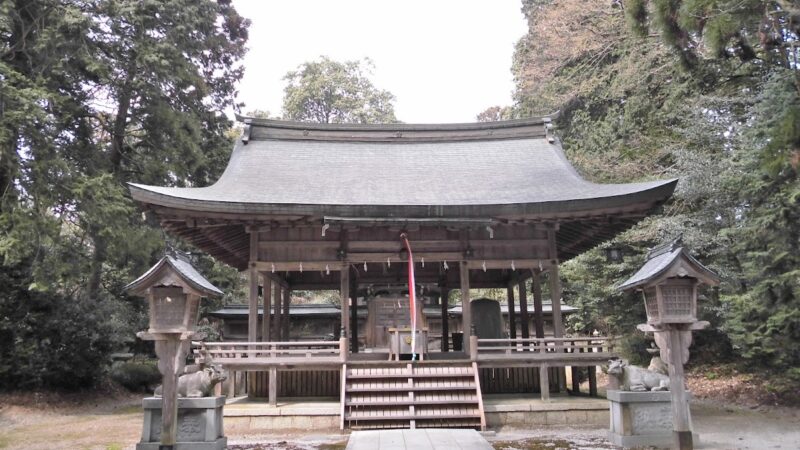
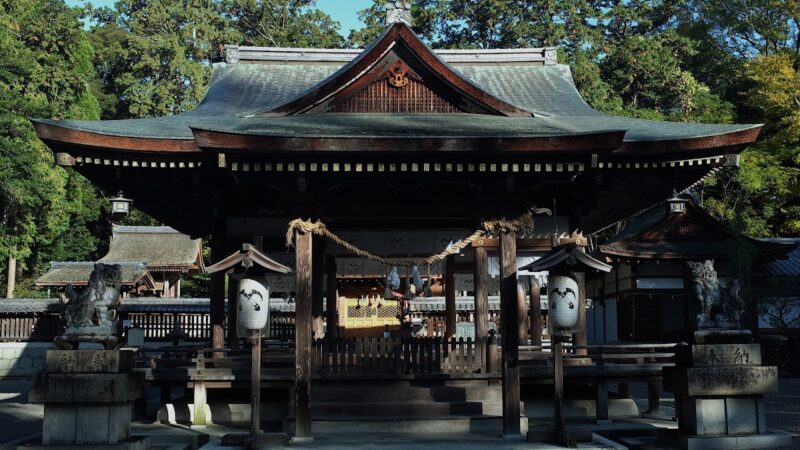
The main hall of Okuishi Shrine is designated as a National Important Cultural Property. This main hall was built in Tensho 9 (1581) by order of Oda Nobunaga to his retainer, Shibata Iehisa.
At that time, Oda Nobunaga resided in Azuchi Castle, and this region was the center of his sphere of influence. It is believed that Nobunaga’s involvement in the construction of the shrine stemmed from his intention to stabilize his regional control and gain the support of the people.
Architectural Style and Characteristics
The main hall strongly retains the characteristics of shrine architecture from the late Muromachi period to the Azuchi-Momoyama period. Highlights include the cypress bark roof, the elaborate carvings, and the well-proportioned structural beauty.
The fact that such a magnificent shrine was built during the turbulent Sengoku period speaks to the religious and political importance of shrines to those in power at the time.
Cultural Value
As a building associated with Oda Nobunaga and a valuable surviving example of Azuchi-Momoyama period shrine architecture, the main hall possesses high historical and cultural value. It is also an important resource in architectural history research, and regular restoration and preservation activities are carried out.
Highlights of the Shrine Grounds
The Mysterious Atmosphere of the Oiso Forest
One of the greatest attractions of Okuishi Shrine is the Oiso Forest that surrounds the shrine grounds. Despite being located near a modern intersection where National Route 8 and the Tokaido Shinkansen cross over each other, stepping into the forest feels like entering a different world.
The approach to the shrine, surrounded by lush trees, is filled with a tranquil atmosphere, as if time has stood still. Many visitors say that walking through the forest, where sunlight filters through the leaves, gives them a feeling of having their hearts naturally cleansed.
Relationship with the Nakasendo Road
Okuishi Shrine is located along the Nakasendo Road, one of the five major highways of the Edo period. Situated north of the Higashi-Oiso settlement, it has a history of travelers praying for safe journeys.
As a shrine along the highway, its history of being cherished not only by local people but also by travelers has shaped the character of the shrine.
Trailhead to Mt. Suzuka
The area around Okuishi Shrine is also one of the trailheads to Mt. Suzuka. Mount Suzuka is dotted with historical temples such as Ishibaji and Kannonshoji, and is a popular hiking destination.
The opportunity to enjoy the nature and history of Mount Suzuka along with visiting shrines is another of the region’s attractions.
Visiting Information
Shrine Office Hours
- Reception Hours: 9:00 AM – 4:00 PM
- Reception for Goshuin (shrine stamps) and prayers for safe childbirth is conducted during these hours.
- While the shrine grounds themselves are accessible outside of these hours, it is recommended to visit during reception hours if you require assistance from the shrine office.
Admission Fee
- Free
- No admission fee is required to visit the shrine grounds.
Parking
- Parking is available near the shrine entrance.
- Spaces are limited, so caution is advised during busy times.
Access Methods
Access by Train
Nearest Station: JR Biwako Line “Azuchi Station”
- Walking: Approximately 50 minutes (approximately 3.5 km)
- Taxi: Approximately 15 minutes
Since it is a considerable distance from Azuchi Station, plan accordingly if walking. Consider taking a taxi depending on the weather and your physical condition.
Access by Car
Meishin Expressway
- Approximately 15 minutes from “Gamo Smart IC”
- Approximately 20 minutes from “Ryuo IC”
- Approximately 30 minutes from “Hikone IC”
General Roads
- Look for the overpass along National Route 8, near the Tokaido Shinkansen crossing
- Address: 1615 Higashi-Oiso, Azuchi-cho, Omihachiman City, Shiga Prefecture
When setting your car navigation system, please search for “Okuishi Shrine” or the address above.
Combining with Nearby Tourist Attractions
The following tourist attractions are located near Okuishi Shrine:
- Azuchi Castle Ruins (approx. 10 minutes by car): Ruins of Oda Nobunaga’s castle
- Azuchi Castle Archaeological Museum: Learn about Azuchi Castle and the history of Omi
- Kannonshoji Temple (summit of Mt. Suzuka): One of the 33 temples of the Saigoku Kannon Pilgrimage
- Ishibaji Temple (mid-slope of Mt. Suzuka): An ancient temple famous for its stone Buddha statues
- Omihachiman City (approx. 20 minutes by car): Waterfront and preserved townscape
It is recommended to incorporate this into a one-day sightseeing route exploring the Azuchi and Omihachiman area.
Goshuin (Shrine Seal) Information
You can receive a Goshuin at Okuishi Shrine.
Goshuin (Shrine Stamp) Reception
- Reception Hours: 9:00 AM – 4:00 PM (within shrine office hours)
- Offering Fee: Generally around 300-500 yen (subject to change)
- Bringing your own goshuincho (stamp book) is recommended.
Features of the Goshuin
The goshuin at Okuishi Shrine features the shrine’s name and date of visit written in ink, along with the shrine’s seal. It’s a simple yet dignified goshuin, reflecting its status as a shrine listed in the Engishiki (an ancient Japanese legal code).
For those collecting goshuin, a goshuin from an Engishiki-listed shrine holds special value. Please consider receiving one as part of your shrine pilgrimage in the Azuchi/Omihachiman area.
Annual Events and Festivals
Okuishi Shrine holds various festivals throughout the year.
Main Annual Events
- New Year’s Day Festival (January 1st): A festival celebrating the New Year
- Setsubun Festival (around February 3rd): A prayer for protection against evil spirits
- Spring Festival: The grand spring festival
- Autumn Festival: The grand autumn festival, giving thanks for a bountiful harvest
For specific dates and event details, we recommend contacting the shrine before your visit.
Procedures for Praying for Safe Childbirth
Here’s a general overview of the procedures for receiving prayers for safe childbirth at Okuishi Shrine.
Preparations
- Confirmation of Reservation: If you wish to pray for a safe delivery, it is recommended to inquire and make a reservation by phone in advance.
- Attire: Formal attire or equivalent is preferable.
- Offering: Prepare the offering for the safe delivery prayer (confirm the amount with the shrine).
Flow of the Day
- Registration: Register for the safe delivery prayer at the shrine office.
- Prayer: Receive a prayer from a Shinto priest.
- Gift: Receive a safe delivery amulet, etc.
- Worship: Visit the main shrine and express your gratitude.
Visiting on the Day of the Dog
It is common to pray for a safe delivery on the Day of the Dog in the fifth month of pregnancy. This custom stems from the belief that dogs have easy deliveries. However, it is acceptable to visit on a different day depending on your physical condition and circumstances.
Summary of the Charms of Okuishi Shrine
For History Enthusiasts
- A long history as a shrine listed in the Engishiki (an ancient Japanese legal code)
- The main hall, a nationally important cultural property associated with Oda Nobunaga
- A historical site dedicated to the ancestral deity of the Fujiwara clan
- A historical location along the Nakasendo Road
For Nature Enthusiasts
- The mystical atmosphere of the nationally historic site, Oiso Forest
- Shrine grounds integrated with the nature of Mt. Suzuka
- The ever-changing expressions of the forest throughout the seasons
For Those Seeking Prayers for Safe Childbirth
- A belief in safe childbirth based on the legend of Ototachibana-hime no Mikoto
- A sacred place of prayer with a long history of miraculous efficacy
- Peaceful prayer in a tranquil environment
For Tourists
- Combined with sightseeing in the surrounding area, such as the Azuchi Castle ruins
- Part of a historical exploration of the Omihachiman area
- A spot for collecting Goshuin (shrine stamps)
Points to Note and Manners When Visiting
Forest Protection
Oiso Forest is a national historical site. Please cherish the plants and animals, and be sure to take all your trash with you.
Respect
This is a sacred space. Please refrain from loud conversations and noise, and pray quietly.
Photography Etiquette
Photography is generally permitted on the shrine grounds, but please refrain from taking photos inside the main hall or during prayers. If unsure, please check with shrine staff.
Dress Code
Especially when receiving prayers, please avoid revealing or flashy clothing and opt for subdued attire.
Nearby Accommodation and Dining Information
Accommodation
Omihachiman City offers a variety of accommodations, from historic inns to business hotels. Combining your stay with a canal cruise or stroll through the town is highly recommended.
Gourmet
- Omi Beef: A representative brand of beef from Shiga Prefecture
- Funazushi: A traditional fermented food from Lake Biwa
- Akakonnyaku: A specialty of Omihachiman
Okuishi Shrine in the Four Seasons
Spring (March-May)
A beautiful season for the fresh green of the Oiso Forest. As the trees bud, the entire forest is filled with vitality.
Summer (June-August)
Even in the hot summer, the grounds, enveloped in deep green, offer a cool breeze. The shade of the trees makes for a pleasant visit.
Autumn (September-November)
A season when the forest is colored by autumn leaves. The contrast between the colorful trees and the historic main shrine is magnificent.
Winter (December-February)
The forest, now free of leaves, offers a different kind of charm with its clearer views. Visiting the shrine in the crisp winter air is a special experience.
Frequently Asked Questions
Q1: How long does it take to visit Okuishi Shrine?
A1: If you only wish to visit the shrine grounds, it will take about 30 minutes. However, if you plan to take a leisurely stroll through the Oiso Forest or receive prayers for safe childbirth, it’s best to allow 1 to 1.5 hours.
Q2: Is it accessible for wheelchair users?
A2: Many parts of the path through the Oiso Forest are in their natural state, making wheelchair access difficult. We recommend contacting the shrine in advance to confirm what is possible.
Q3: Is it possible to bring pets to the shrine?
A3: Generally, it is discouraged to bring pets onto the shrine grounds. In particular, please avoid bringing pets around the main hall.
Q4: Can I receive a Goshuin (shrine stamp) by mail?
A4: Goshuin are generally given as proof of in-person visit. Please contact the shrine directly regarding mail-order options.
Q4: Can I receive a Goshuin by mail?
A4: Goshuin are generally given as proof of in-person visit. Please contact the shrine directly regarding mail-order options. Q5: Are there any places to eat nearby?**
A5: The area around the shrine is quiet, so there aren’t many restaurants. You can find restaurants if you travel to the Omihachiman city center or the area around Azuchi Station.
Summary
Okuishi Shrine in Omihachiman City, Shiga Prefecture, is a shrine steeped in history and faith, enveloped in the mystical nature of the Oiso Forest. It possesses multifaceted charm, including its status as an Engishiki-listed shrine, its nationally important cultural property main hall associated with Oda Nobunaga, and its reputation for miraculous powers in prayers for safe childbirth.
Visiting it in conjunction with the Azuchi Castle ruins and the townscape of Omihachiman will allow you to gain a deeper understanding of Omi’s history and culture. The time spent calming your mind in the tranquil forest and offering prayers to the gods, just like the people of ancient times, will be a precious experience that will allow you to forget the hustle and bustle of modern life.
When visiting Shiga Prefecture, be sure to include a visit to Okuishi Shrine in your itinerary. The mystique of the Old Su Forest and the shrine buildings steeped in over a thousand years of history will warmly welcome visitors.