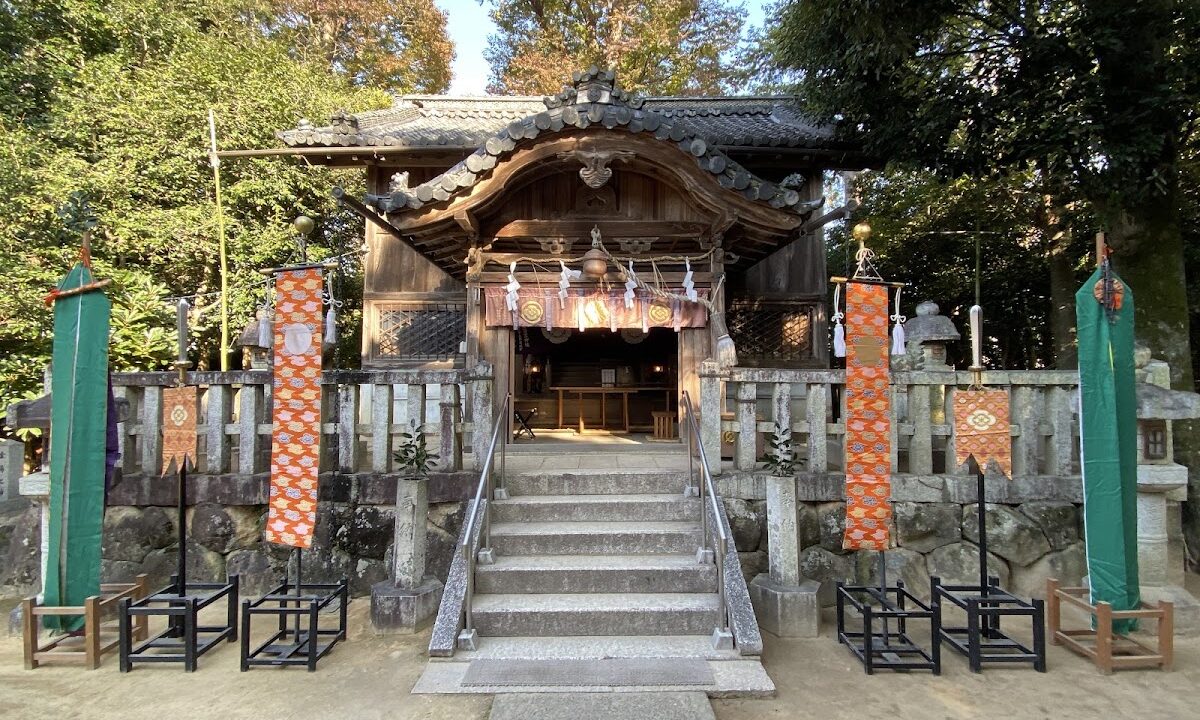
Kamawakamiya Shrine (Omihachiman City, Shiga Prefecture) Complete Guide | History, Deities, Access, and Highlights Explained in Detail
Kamawakamiya Shrine, located in Omihachiman City, Shiga Prefecture, is a historical shrine that has long been revered as the local tutelary deity. While the exact founding date is unclear, it is believed to have been established as Wakamiya Shrine following the separation of the four Kamamiya shrines. This article provides detailed information useful for those planning a shrine tour in Shiga, covering the history of Kamawakamiya Shrine, its enshrined deities, highlights within the grounds, access methods, and surrounding tourist attractions.
Basic Information on Kamawakamiya Shrine
Location and Address
Kamawakamiya Shrine is located in Nishioiso, Omihachiman City, Shiga Prefecture. It is situated in the Omihachiman area on the eastern shore of Lake Biwa, a region dotted with historical shrines and temples.
Location: Nishi-Oiso area, Omihachiman City, Shiga Prefecture
Deity Enshrined
The main deity enshrined at Kamawakamiya Shrine is Ōnamuchi-no-Mikoto. Ōnamuchi-no-Mikoto is also known as Ōkuninushi-no-Mikoto and is widely worshipped as the god of nation-building, matchmaking, and business prosperity.
Ōnamuchi-no-Mikoto is also the main deity of Izumo Taisha Shrine and is believed to possess a wide range of divine virtues, including agriculture, medicine, matchmaking, and commerce. As a guardian deity watching over the development of the region and the prosperity of its residents, it has been deeply revered since ancient times.
History and Origins of Kamawakamiya Shrine
Background of Founding
The exact founding date of Kamawakamiya Shrine is not clearly recorded, but its origins are deeply connected to the formation of ancient villages. Originally, Higashi-Oiso and Nishi-Oiso were one village, but they were separated into east and west during the course of history. Following this separation, the Omura-za, one of the four Kamamiya shrines, separated to become Nishi-Oiso, and it is said that it was then enshrined as the Wakamiya Shrine of Kamamiya. The name “Wakamiya” is often given to shrines that enshrine a divided spirit of the main shrine or a child deity, and it is believed that Kama Wakamiya Shrine followed this tradition.
Connection to the Community
Omihachiman City has long flourished as a transportation hub, and Kama Wakamiya Shrine has played an important role as a spiritual pillar for the local residents. In the era when agriculture was the main industry, it functioned as a place to pray for a bountiful harvest and to strengthen the bonds of the local community.
Even today, as the local guardian deity, it attracts many worshippers during New Year’s visits and various festivals, and remains a central presence in the local community.
Highlights and Cultural Assets of the Shrine Grounds
Main Hall and Worship Hall
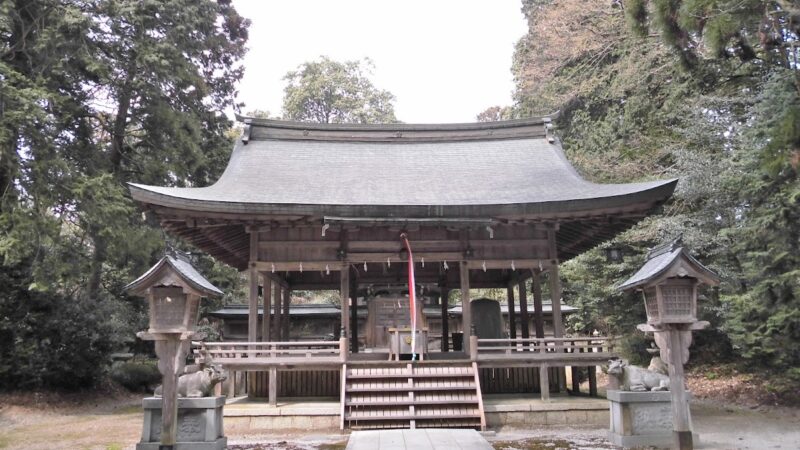
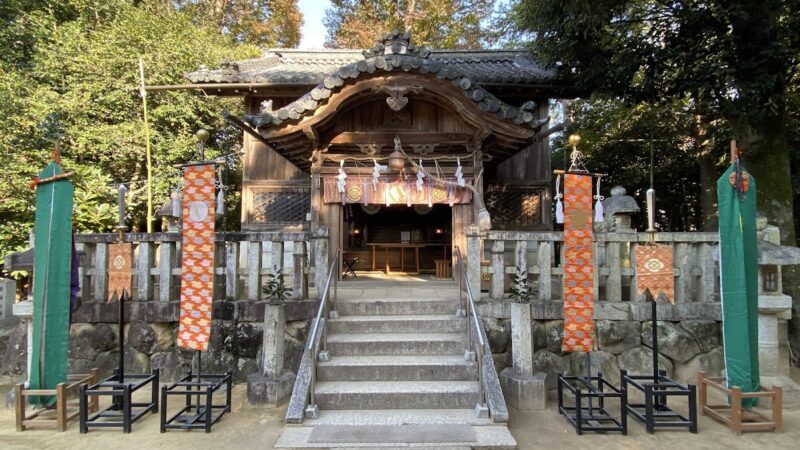
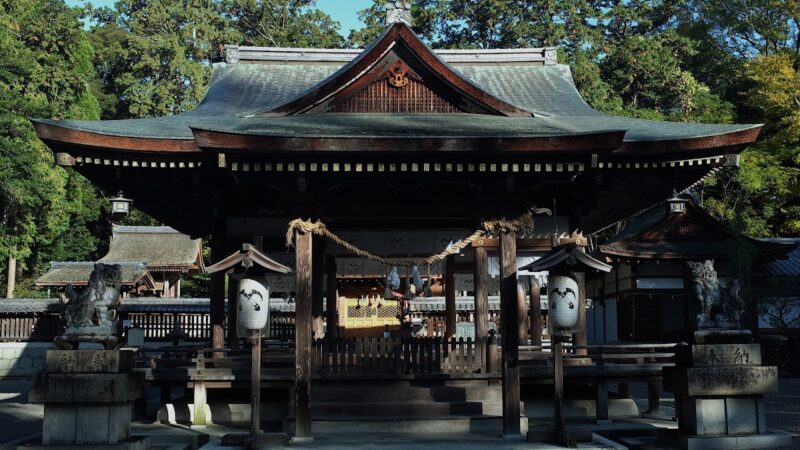
The main hall of Kama Wakamiya Shrine is a valuable structure that preserves the traditional style of shrine architecture. Although not particularly large in scale, it possesses a solemn atmosphere that reflects its long history of supporting local faith.
The main hall is a well-maintained space for worshippers to offer prayers, and is clean and refreshing. The shrine grounds, which show different expressions with each season, offer new discoveries with every visit.
Natural Environment of the Shrine Grounds
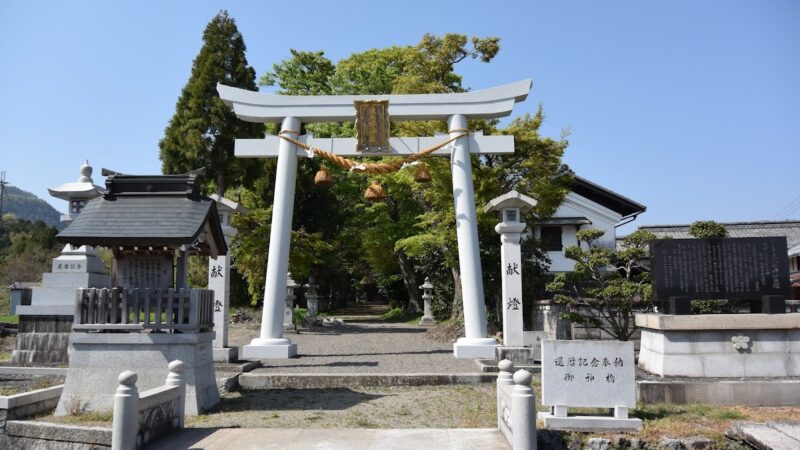
The grounds of Kamawakamiya Shrine are surrounded by abundant nature. Ancient trees line the approach to the shrine, allowing visitors to enjoy the beauty of each season: fresh greenery in spring, deep shade in summer, autumn leaves in fall, and snowscapes in winter.
In particular, the tranquility of the grounds provides a healing space that allows you to forget the hustle and bustle of the city, making it a worthwhile place to visit for a peaceful retreat during a tour of Shiga’s shrines.
Stone Monuments and Memorials
The shrine grounds contain stone monuments and memorials that tell the story of its history. These are valuable resources for understanding the history of the shrine and the region, making them an interesting sight for history-loving visitors.
Festivals and Annual Events
Annual Festival
Kama Wakamiya Shrine holds various festivals throughout the year. The most important festival is the Annual Festival (Reisai), where local residents gather and solemn Shinto rituals are performed.
At the Annual Festival, prayers are offered for a bountiful harvest, family safety, and regional prosperity, and sometimes Kagura (sacred dance) and other offerings are performed. It is an important opportunity to pass on the region’s traditional culture to the next generation.
New Year’s Visit and Setsubun Festival
Many worshippers visit the shrine for the New Year’s visit, praying for safety and happiness throughout the year. The Setsubun Festival also includes rituals to ward off evil and pray for good fortune, demonstrating the deep faith of the local residents.
Other Annual Events
Festivals deeply connected to agriculture, such as the Spring Prayer Festival and the Autumn Harvest Festival, are also traditionally held. These events are valuable cultural heritage that convey traditional Japanese forms of belief to the present day.
Access and Transportation Information
Nearest Station and Line
The nearest station to Kamawakamiya Shrine is JR Biwako Line “Omihachiman Station”. Omihachiman Station is a major station where the Special Rapid Service also stops, making it convenient to access from Kyoto and Maibara.
- From Kyoto Station: Approximately 35 minutes by JR Biwako Line Special Rapid Service
- From Osaka Station: Approximately 1 hour 10 minutes by JR Biwako Line Special Rapid Service
- From Nagoya Station: Approximately 1 hour 30 minutes via Maibara Station on the Tokaido Shinkansen
Access by Bus
Omi Railway buses operate from Omihachiman Station. You can access near the shrine by taking a bus towards Nishi-Oiso. However, since the number of buses is limited, it is recommended to check the timetable in advance.
Access by Car
Access by car is also convenient.
- From Meishin Expressway “Ryuo IC”: Approximately 15 minutes
- From Meishin Expressway “Yokaichi IC”: Approximately 20 minutes
Regarding parking, it is recommended to check the situation around the shrine in advance. When visiting, please be considerate of local residents and avoid causing any inconvenience.
Access by Foot or Bicycle
Using a rental bicycle around Omihachiman Station allows you to efficiently visit nearby tourist spots as well. For those planning a shrine tour in Shiga Prefecture, cycling is recommended.
Nearby Shrines and Tourist Spots
Okuishi Shrine and Otabisho
On the way to Kamawakamiya Shrine, you will find the Otabisho of Okuishi Shrine. The Otabisho is where the portable shrine is carried during festivals, and it is an interesting spot for understanding the local religious practices.
Wakamiya (Kongoji) Spring Water Park
In the Kongoji area of Omihachiman City, adjacent to Wakamiya Shrine, is the Wakamiya (Kongoji) Spring Water, where spring water from the Suzuka Mountains flows. This spring has been developed into a park, and its pure water and lush green environment soothe visitors.
Visiting Wakamiya Shrine, said to have been founded as the tutelary deity of the nine villages (Jori system) during the Taika Reforms, will deepen your understanding of the ancient Jori system and the history of the region.
Historic Townscape of Omihachiman
In the center of Omihachiman City, a historical townscape that retains the atmosphere of the castle town built by Toyotomi Hidetsugu is preserved. The white-walled storehouses along the Hachiman Canal and the former residences of Omi merchants offer a valuable landscape that conveys the atmosphere of the Edo period.
By visiting these historical spots in conjunction with a visit to Kamawakamiya Shrine, you can experience the rich history and culture of Omihachiman.
Azuchi Castle Ruins
In Azuchi Town, adjacent to Omihachiman City, are the ruins of Azuchi Castle, built by Oda Nobunaga. Known as the castle of Nobunaga, who aimed to unify Japan, the remaining stone walls and foundation stones allow us to imagine its former grandeur.
The Position of Kamawakamiya Shrine in Shiga Prefecture’s Shrine Pilgrimage
Shrine Culture of Shiga Prefecture
Shiga Prefecture flourished as “Omi Province” from ancient times, and many shrines and temples were built there. Many of the shrines listed in the Engishiki Jinmyocho (a list of shrines compiled in the Heian period) are listed there, and it occupies an important position in Japanese religious culture.
The rich natural environment centered around Lake Biwa and its geographical location as a transportation hub along the Tokaido and Nakasendo roads have fostered diverse forms of faith.
Role as a Local Guardian Deity
Kamawakamiya Shrine is not a large shrine, but it has gathered faith closely intertwined with the lives of the residents as a local guardian deity. Such community-based shrines form the foundation of Japanese Shinto faith and possess a different kind of charm than large shrines.
When visiting shrines in Shiga Prefecture, you can gain a deeper understanding of Japanese religious culture by visiting not only famous grand shrines but also smaller local shrines like Kamawakamiya Shrine.
Manners and Mindset for Shrine Visits
When visiting a shrine, please observe the following basic manners:
- Bow before passing through the torii gate: This shows respect when entering the sacred area.
- Avoid walking in the center of the approach: The center is considered the path for the gods.
- Purify yourself at the water basin: Purify your left hand, then your right hand, then your mouth.
- Two bows, two claps, one bow: This is the general way of worship.
- Maintain silence: Be mindful that this is a sacred place.
- Be considerate when taking photographs: Refrain from taking photographs in areas where photography is prohibited.
About Goshuin (Shrine Seals)
Significance of Goshuin
Goshuin are given by shrines as proof of worship, and collecting them has become popular in recent years. However, it’s important to understand that these stamps are primarily a memento of your visit and have a religious significance different from a stamp rally.
Goshuin (Shrine Seals) at Kamawakamiya Shrine
Regarding the issuance of Goshuin at Kamawakamiya Shrine, as it is a small shrine, it may not be available at all times. It is recommended to check with the Shiga Prefectural Shrine Association or related information before visiting.
If you wish to receive a Goshuin, it is important to check the opening hours of the shrine office and the presence of the chief priest in advance to avoid any disrespect.
Best Season for Visiting
Spring (March-May)
Spring is a beautiful season of fresh greenery, with the trees on the shrine grounds budding. Visiting in the refreshing air is invigorating for both mind and body. During cherry blossom season, you can also enjoy cherry blossom viewing in various locations throughout Omihachiman City.
Summer (June-August)
In summer, the greenery deepens, and the shrine grounds offer cool shade. However, heat protection is essential. Visiting in the early morning or evening is recommended.
Autumn (September-November)
Autumn is the most beautiful season for visiting the temple, with its vibrant autumn foliage. The pleasant weather allows for a leisurely stroll through the temple grounds. The historic townscape of Omihachiman is especially charming in autumn.
Winter (December-February)
Winter is enveloped in a sacred atmosphere of tranquility. The temple is bustling with visitors during the New Year’s pilgrimage season. The snow-covered temple grounds also possess a unique beauty.
Nearby Accommodation and Dining Information
Accommodation
There are business hotels and traditional inns around Omihachiman Station, making accommodation convenient. There are also hot spring inns and resort hotels along Lake Biwa, allowing you to enjoy Shiga sightseeing at a leisurely pace.
Omihachiman’s Cuisine
Omihachiman is famous as a production area for Omi beef. Omi beef sukiyaki and steak are exquisite and a must-try when visiting Shiga.
Furthermore, you can enjoy the unique local food culture, such as Lake Biwa fish dishes, red konjac, and Detchi yokan (a type of sweet bean jelly). Enjoy the local cuisine along with a stroll through the townscape of Omihachiman.
Significance of Visiting Kamawakamiya Shrine
Learning about Local History
Visiting Kamawakamiya Shrine is a valuable opportunity to learn about the history of Omihachiman, particularly the formation of ancient villages and the nature of religious beliefs. You can experience Japanese history firsthand, including the Jori system of the Taika Reforms, the division of villages, and the worship of local guardian deities.
Finding Peace of Mind
Praying in the quiet shrine grounds provides a time to escape the hustle and bustle of everyday life and find peace of mind. Let us pray for peace and prosperity in our daily lives, drawing on the divine virtues of Ōkuninushi-no-Mikoto.
Rediscovering the Charms of Shiga
Shiga Prefecture boasts famous grand shrines such as Enryaku-ji Temple on Mount Hiei, Hiyoshi Taisha Shrine, and Taga Taisha Shrine, but smaller, locally rooted shrines like Kamawakamiya Shrine also possess their own unique charm.
Through a tour of Shiga’s shrines, you can experience the deep history and culture of the region that superficial sightseeing doesn’t reveal.
Summary: Plan a Visit to Kamawakamiya Shrine
Kamawakamiya Shrine is a historic shrine located in Omihachiman City, Shiga Prefecture. It enshrines Ōkuninushi-no-Mikoto and has long been revered as the local tutelary deity. While the exact founding date is unknown, it is said to have been established as Wakamiya Shrine following the separation of the four Kamawamiya shrines.
The shrine grounds are surrounded by abundant nature, allowing visitors to enjoy the beauty of each season. It’s relatively easy to access from Omihachiman Station, and there are plenty of attractions nearby, including Okuishi Shrine, Wakamiya (Kongoji) Spring Water Park, the historic townscape of Omihachiman, and the ruins of Azuchi Castle. If you’re planning a shrine tour in Shiga Prefecture, be sure to visit Kamawakamiya Shrine and experience the deeply rooted faith of the region and the rich history and culture of Omihachiman. The tranquil grounds will offer a precious opportunity to calm your mind and reflect on traditional Japanese beliefs.
In the historic region of Omihachiman, you’ll discover the charm of a simple and warm shrine, distinct from the grander, more traditional shrines.