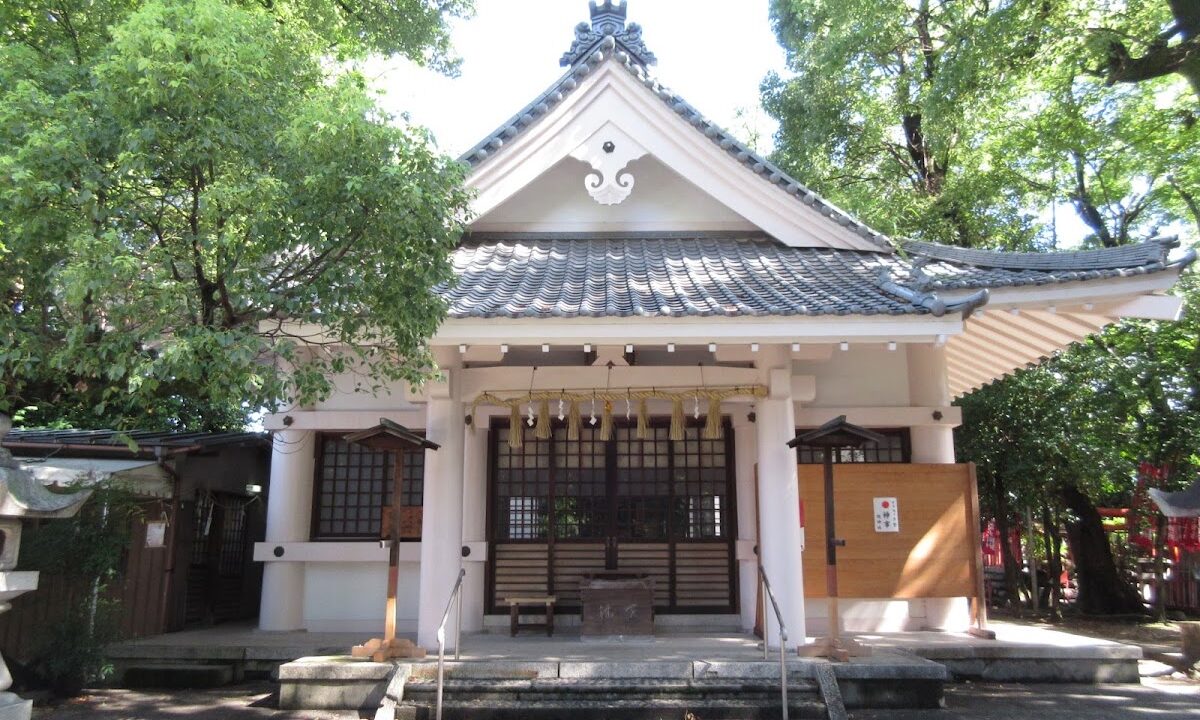
Complete Guide to Wata Shrine (Kita-ku, Nagoya City, Aichi Prefecture) | History, Goshuin (Shrine Seal), and Access Information
Wata Shrine, located in Motoshiga-cho, Kita-ku, Nagoya City, Aichi Prefecture, is a historical shrine listed in the “Engishiki Jinmyocho” (a list of shrines compiled in the Heian period). This guide provides detailed information about Wata Shrine, which was once revered by the local people as the tutelary shrine of Nishishiga Village, from its historical background to information for visitors.
Basic Information about Wata Shrine
Wata Shrine is located in a residential area of Kita-ku, Nagoya City, and is conveniently located within walking distance of Kurokawa Station on the Nagoya Municipal Subway Meijo Line. Despite its status as an Engishiki-listed shrine, it maintains a friendly and approachable atmosphere rooted in the local community.
Location and Address
Address: 2-53-1 Motoshiga-cho, Kita-ku, Nagoya City, Aichi Prefecture
Phone Number: 052-981-4907
Wata Shrine is located on the west side of National Route 41, adjacent to the Soto Zen temple Reigenji to the east. It was formerly the center of Nishishiga Village in Kasugai District and continues to function as a center of local faith.
Deity and History
Deity
The deity enshrined at Wata Shrine is Watatsumi-no-kami. Watatsumi-no-kami is a god of the sea and guardian of navigation, revered since ancient times, and has a deep connection with the Azumi people, a seafaring people.
Founding and Historical Background
The founding date of Wata Shrine is unknown, but it has been suggested that it may date back to the early Yayoi period. According to tradition, the shrine originated when the Azumi clan, based on Shikanoshima Island in Fukuoka Prefecture, migrated to this area and enshrined Watatsumi-no-kami, the god of the sea.
The Azumi clan was a powerful seafaring people in ancient Japan, and they established shrines dedicated to Watatsumi-no-kami throughout the country. The existence of a shrine dedicated to the sea god in the inland area of Kita Ward, Nagoya City, suggests that this region had a deep connection with the sea and water transport in ancient times.
Listing in the Engishiki Jinmyocho
Wata Shrine is identified as the “Wata Shrine” in Yamada District, Owari Province, in the Engishiki Jinmyocho (a list of shrines compiled in the Heian period, 927 AD). The Engishiki Jinmyocho is a list of major shrines throughout Japan compiled in the mid-Heian period (927 AD), and its inclusion signifies that it was a historically significant shrine recognized by the imperial court since ancient times.
It is listed as “Wata Shrine, Minor Shrine” in Yamada District, indicating that despite its minor shrine status, it was recognized as an important place of worship in the region.
Changes During the Edo Period
During the Edo period, the shrine was known as “Hachiman-gu” and was revered by the local people as the tutelary deity of Nishishiga Village in Kasugai District. Following the Meiji-era separation of Shinto and Buddhism, it was designated a Shikinaisha (a shrine listed in the Engishiki, an ancient Japanese legal code) in 1872 (Meiji 5) and ranked as a Gosha (a local shrine).
At this time, the shrine reverted to its original name, “Wata Shrine,” which it remains to this day.
Highlights of the Shrine Grounds
Shrine Buildings and Grounds Layout
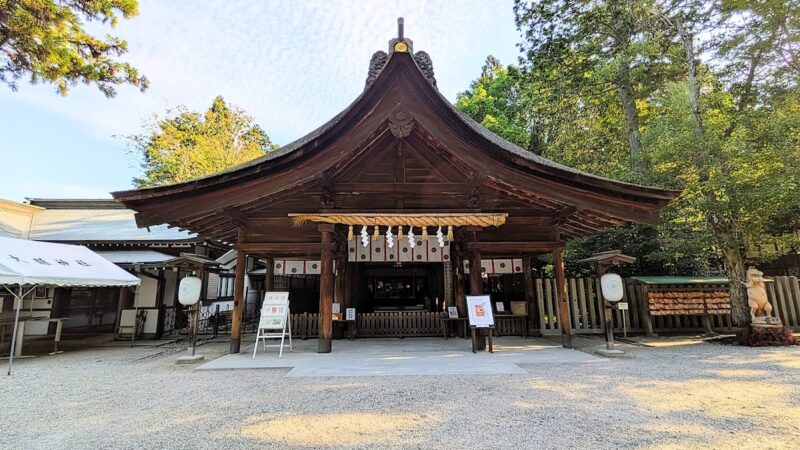
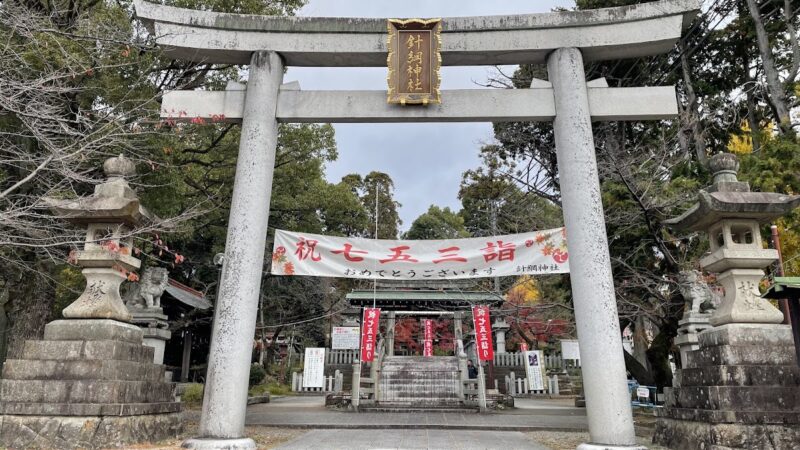
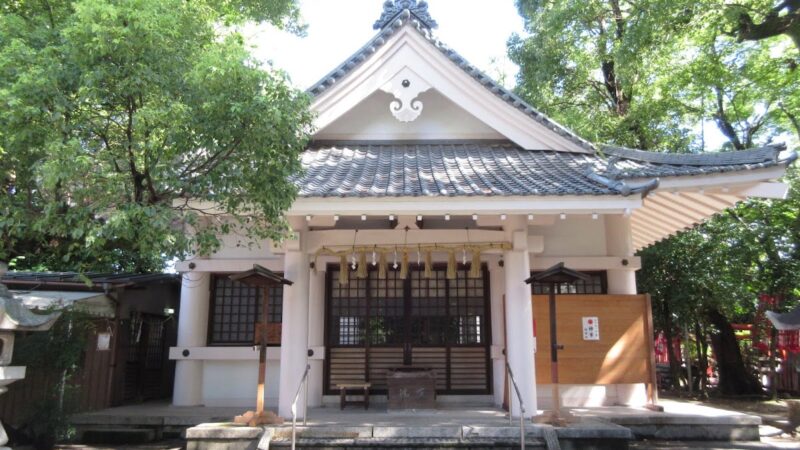
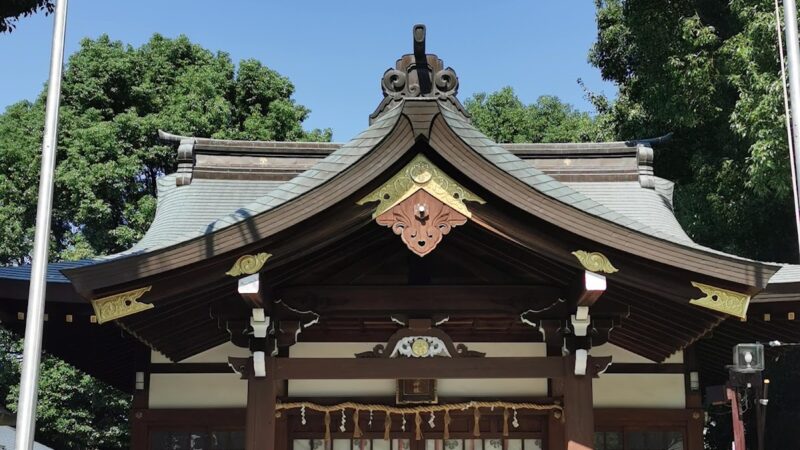
Despite being located in a residential area, the grounds of Wata Shrine maintain a tranquil atmosphere. Passing through the torii gate, a path leads to the main shrine building. The grounds are meticulously maintained, reflecting the deep faith of the local people.
Relationship with the Adjacent Reigenji Temple
The shrine has deep historical and geographical ties with Reigenji Temple, a Soto Zen temple located to the east. It is believed that they had a close relationship during the era of Shinto-Buddhist syncretism, and even today, both stand side-by-side as spiritual pillars of the region.
Goshuin (Shrine Seal) Information
Goshuin (shrine seals) can be obtained at Wata Shrine. If you wish to receive a goshuin, please speak to the shrine office staff during your visit. However, staff may be absent, so if you want to be sure to obtain one, it is recommended to call ahead to confirm.
The goshuin features the calligraphy and red seal of “Wata Shrine,” reflecting its status as a shrine listed in the Engishiki (ancient Japanese legal code). Even if you do not have a goshuin notebook, pre-printed goshuin may be available.
Festivals and Annual Events
Wata Shrine holds various festivals and religious ceremonies throughout the year. As the local guardian shrine, it continues to preserve traditions together with the local people.
Main Annual Events
- Annual Festival: The most important festival held every autumn.
- New Year’s Visit: The shrine is bustling with many worshippers during the first three days of the New Year.
- Setsubun Festival: A ritual to ward off evil is held on Setsubun, the day before the beginning of spring.
- Summer Purification Ceremony: A ritual to purify oneself of the impurities accumulated over the past six months is held at the end of June.
For specific dates and details, we recommend contacting the shrine directly or checking during your visit.
Access and Nearest Station
Wata Shrine is conveniently located in Nagoya City and easily accessible by public transport.
Access by Train
Nearest Station: Kurokawa Station, Nagoya Municipal Subway Meijo Line
It is approximately a 4-5 minute walk from Kurokawa Station. Exit the station and head north along National Route 41; Wata Shrine will be visible on your west side. Because it’s close to the station, even first-time visitors can easily find it.
Detailed Directions from Kurokawa Station
- Exit from Exit 2 of Kurokawa Station
- Head north along National Route 41 (Nagoya Ring Road)
- After walking approximately 350 meters, you will see Watajinja Shrine on your left (west side)
- The journey takes approximately 4-5 minutes on foot.
Access by Bus
The nearest bus stops are “Shiga-cho” or “Kurokawa”. Nagoya City Bus routes are available, but please check the latest information on bus frequency and operating times on the Nagoya City Transportation Bureau website.
Access by Car
Because it is located along National Route 41, access by car is relatively easy. However, it is necessary to check in advance whether there is a dedicated parking lot on the shrine grounds. There are also coin-operated parking lots in the surrounding area, which can be used.
Nearby Attractions and Tourist Spots
Reigenji Temple
A Soto Zen Buddhist temple located next to Watajinja Shrine to the east. Visiting both Watajinja Shrine and this shrine will allow you to more deeply appreciate the history and faith of this region.
Meijo Park
Located a few stations away on the Meijo Line, Meijo Park is a vast urban park spread across the north side of Nagoya Castle. It’s also recommended to visit after visiting Watajinja Shrine.
Shiga Park
This park is a popular place of relaxation for the local community and is within walking distance of Watajinja Shrine.
Etiquette and Manners for Visiting Watajinja Shrine
Proper Worship Procedures
- Bow before passing through the torii gate: As a sign of respect before entering the sacred area.
- Purify yourself at the water basin: Purify your left hand, right hand, and mouth in that order.
- Two bows, two claps, one bow: Follow the general etiquette for visiting a shrine.
- Worship quietly: As it is located in a residential area, consideration for the surroundings is important.
Points to Note When Receiving a Goshuin (Shrine Stamp)
A Goshuin is proof of your visit, not a stamp rally. First, offer your prayers with sincerity, and then receive your Goshuin (temple/shrine stamp). Please follow this order. Also, the shrine office may be unattended, so if your purpose is to obtain a Goshuin, it is recommended to contact them in advance.
Historical Significance and Modern Role of Wata Shrine
Value as a Shikinaisha (Shrine Listed in the Engishiki)
Wata Shrine is a valuable cultural heritage site with a history of over a thousand years, as it is listed in the Engishiki Jinmyocho (a list of shrines compiled in the Heian period). It is an important presence that conveys the state of faith in ancient Owari Province.
Traces of the Azumi Clan and Sea God Worship
The existence of a shrine dedicated to the sea god in Kita Ward, Nagoya City, an inland area, is a valuable example showing the movement of people and the spread of faith in ancient times. It is also attracting attention from a historical research perspective as a place where one can trace the footsteps of the Azumi clan, a maritime people.
As a Core of the Local Community
Even today, Wata Shrine remains an integral part of the local community as the local tutelary shrine. It serves as a spiritual pillar of the local community, a place visited at important life events such as New Year’s visits, Shichi-Go-San (a traditional rite of passage for children), and exorcisms. ## Best Season to Visit Wata Shrine
Spring (March-May)
The fresh greenery is beautiful, and the weather is pleasant for worship. The surrounding scenery becomes even more vibrant during cherry blossom season.
Autumn (September-November)
This is the time when the annual festival is held, and the shrine is at its most vibrant. It is also a beautiful time for autumn foliage.
New Year’s Visit (January 1st-3rd)
Many worshippers visit to pray for the new year. It is a time to feel a sense of unity with the local people.
Summary: The Charm of Wata Shrine
Wata Shrine, while possessing the prestige of being an Engishiki-listed shrine, is a friendly and approachable shrine deeply rooted in the local community. It retains traces of the ancient Azumi clan’s sea god worship and has a history of being revered by the local people for over a thousand years.
Its convenient location, just a 4-5 minute walk from Kurokawa Station on the Nagoya Municipal Subway, is another attractive feature, making it easily accessible for worship. Located in a quiet residential area, stepping onto the shrine grounds immediately immerses you in a solemn atmosphere.
You can also obtain a Goshuin (shrine stamp), making it a worthwhile visit for history buffs and shrine enthusiasts. For those wishing to visit a Shikinaisha (shrine listed in the Engishiki) within Nagoya City, those interested in sea god worship or the history of the Azumi clan, or those simply wanting to quietly pay their respects to their local guardian deity, Wata Shrine is an ideal destination.
If you have the opportunity to visit Kita Ward in Nagoya City, be sure to stop by Wata Shrine. You’re sure to find peace and tranquility in the serene atmosphere of this shrine with over a thousand years of history.