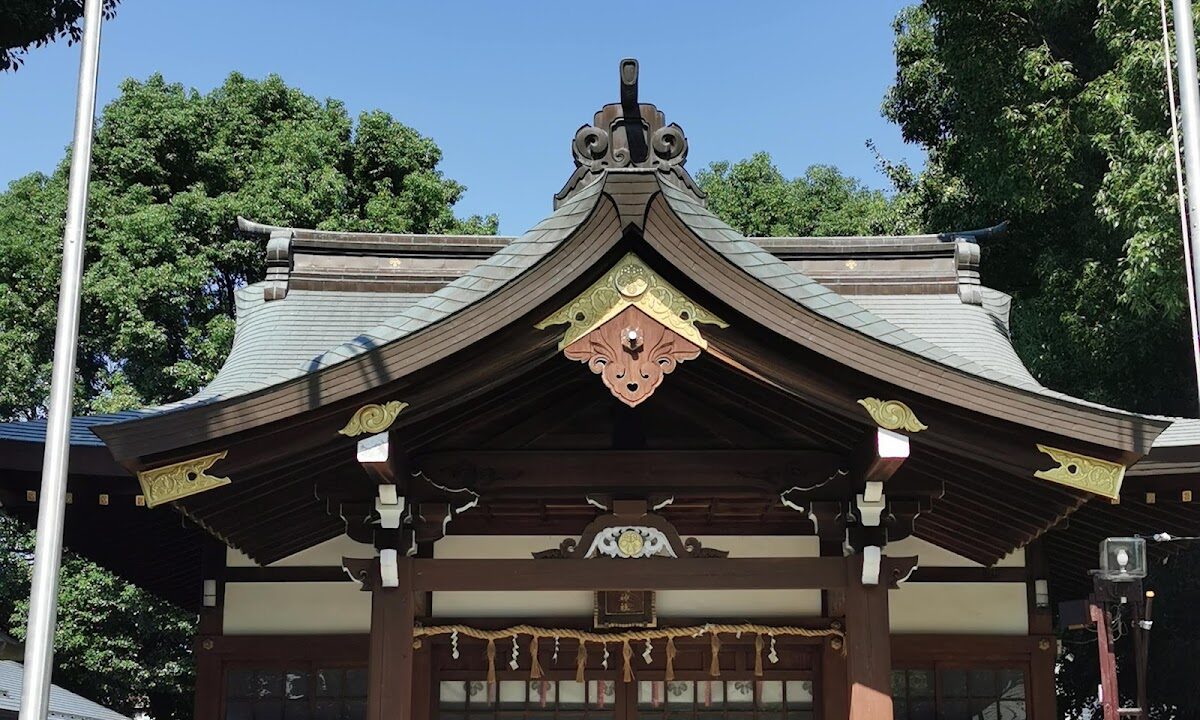
Tanabata Shrine (Kita-ku, Nagoya City, Aichi Prefecture) Complete Guide | Goshuin (Shrine Seal), History, and Access Information
Tanabata Shrine, located in Kinjo, Kita-ku, Nagoya City, Aichi Prefecture, is an ancient shrine deeply connected to the Tanabata legend, as its name suggests. While it is a historically significant shrine listed in the Engishiki Jinmyocho (a list of shrines compiled in the Heian period), its quiet presence nestled in a peaceful residential area makes it a hidden power spot in Nagoya, captivating visitors.
This article comprehensively introduces information you should know before visiting Tanabata Shrine, including its history, enshrined deities, goshuin information, access methods, and annual events.
Basic Information about Tanabata Shrine
Location: 4-13-16 Kinjo, Kita-ku, Nagoya City, Aichi Prefecture
Main Deity: Ame-no-Tanabata-hime-no-Mikoto
Shrine Rank: Engishiki-listed shrine (Shikinaisha)
Annual Grand Festival: August 7th (corresponding to the Tanabata festival in the old lunar calendar)
Visiting Hours: Open 24 hours
Shrine Office Opening Days: Morning of the 7th of each month
Parking: Available (limited number of spaces)
Access Methods
Access by Train
- Get off at Meijo-Koen Station on the Nagoya Municipal Subway Meijo Line, approximately 4-5 minutes on foot
- Get off at Kurokawa Station on the Nagoya Municipal Subway Meijo Line, approximately 10 minutes on foot
Access by Car
- Approximately 5 minutes from the Kurokawa exit of the Nagoya Expressway Inner Ring Road
- There is limited parking space on the shrine grounds (however, due to limited spaces, the use of public transportation is recommended).
The route from Meijo Park Station to the shrine passes through a quiet residential area north of Nagoya Castle. Since there are no prominent commercial facilities nearby, it is recommended to check the location beforehand using a map app.
History and Origins of Tanabata Shrine
Status as an Engishiki Shrine
Tanabata Shrine is identified as the “Tanabata Shrine” in Yamada District, Owari Province, listed in the Engishiki Jinmyocho (a list of shrines compiled in the mid-Heian period). The Engishiki Jinmyocho is a document compiled in 927 AD recording major shrines throughout Japan, and its inclusion indicates a high status for a shrine.
While several Engishiki shrines existed in Yamada District, Owari Province, Tanabata Shrine is known for its unique character related to Tanabata (Star Festival) worship.
From “Tendo” to “Tanabata Shrine”
Until the Edo period, this shrine was called “Tendo.” Tendo refers to the movement of the sun and celestial bodies, suggesting a connection to the Tanabata Star Festival. During the Meiji era’s reorganization of the shrine system, the name was changed to “Tanabata Shrine” based on its entry in the Engishiki Jinmyocho (a list of shrines compiled in the Heian period).
Locally, it is affectionately known as “Tanabata-san” or “Tanabata no Mori” (Tanabata Forest), and has a long history of attracting the faith of local people.
The Mystery and Legend of its Founding
The exact founding date of Tanababata Shrine is unknown, but since it is listed in the Engishiki Jinmyocho, it is believed to have existed at least by the early Heian period. One theory suggests that it originated when a clan of immigrant origin, possessing ancient weaving techniques, enshrined Ame-no-Tanabata-hime-no-Mikoto as the guardian deity of weaving in this area.
The ancient Yamada district was a thriving center of trade utilizing the Shonai River’s water transport, and it is believed that the textile industry also flourished there. It is highly probable that a belief in the god of weaving was deeply rooted in the area.
About the Deity: Ame-no-Tanabata-hime-no-Mikoto
Goddess of Weaving
Ame-no-Tanabata-hime-no-Mikoto, the principal deity of Tanabata Shrine, is the goddess of weaving who weaves garments for the gods in heaven. “Tanabata” refers to an ancient loom, and this goddess has been worshipped for her superior weaving skills.
Relationship to the Tanabata Legend
The Tanabata legend is a story of the Weaver Star (Vega in the constellation Lyra) and the Cowherd Star (Altair in the constellation Aquila) that originated in China. However, in Japan, there has been a long-standing tradition of “Tanabata-tsume,” a miko (shrine maiden) who weaves garments for the gods by the water’s edge. It is believed that these two beliefs merged to create the current form of the Tanabata Festival.
Ame-no-Tanabata-hime-no-Mikoto is the deified form of this “Tanabata-tsume,” and can be considered the origin of the Tanabata faith.
Divine Virtues (Benefits)
Tanabata Shrine, dedicated to Amenotanahime-no-Mikoto, is believed to offer the following divine blessings:
- Matchmaking: From the legend of Orihime and Hikoboshi, it is believed to bring good fortune in relationships and romantic fulfillment.
- Marital Harmony: From the love of two people who meet only once a year, it is believed to deepen the bond between husband and wife.
- Prayer for Safe Childbirth: From the unbroken threads of weaving, it is believed to bring safe childbirth and fertility.
- Improvement in Skills: As the god of weaving, it is believed to improve handicrafts, art, and technical skills.
- Academic Success: From the intricateness of weaving, it is believed to bring success in academics and studies.
In particular, many worshippers visit seeking blessings for safe childbirth and matchmaking, making it a little-known power spot in Nagoya that has even been featured on television.
Goshuin (Shrine Seal) Information
About the Issuance of Goshuin
Goshuin (shrine seals) from Tanabata Shrine are available at the shrine office on the morning of the 7th of each month. The Goshuin (temple/shrine stamp) is only available on the 7th of each month, in honor of the Tanabata festival, attracting many visitors on this day.
Availability Day: Morning of the 7th of each month (approximately 9:00 AM to 12:00 PM)
Offering Fee: Approximately 300-500 yen (subject to change)
Note: The Goshuin is available even if the 7th falls on a weekday. However, this may change depending on the shrine’s circumstances, so prior confirmation is recommended for those traveling from afar.
Goshuin Design
The Goshuin of Tanabata Shrine has a simple yet dignified design. The words “Tanabata Shrine” are written in ink in the center, “Homage” is inscribed in the upper right, and the date of visit is written on the left, followed by a red stamp.
During the Tanabata season and on special days, limited-edition Goshuin designs may be available. While you can have your Goshuin book stamped directly if you bring it, pre-printed Goshuin may also be available.
About the Goshuincho (Stamp Book)
Regarding the availability of Tanabata Shrine’s original goshuincho, we recommend checking with the shrine office upon your visit. Goshuincho from other shrines in Nagoya City will also be accepted without any problems.
Highlights of the Shrine Grounds
Main Hall and Worship Hall
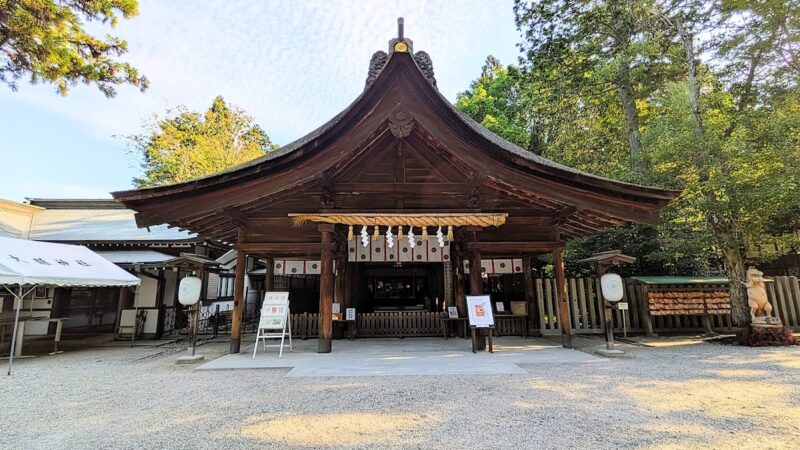
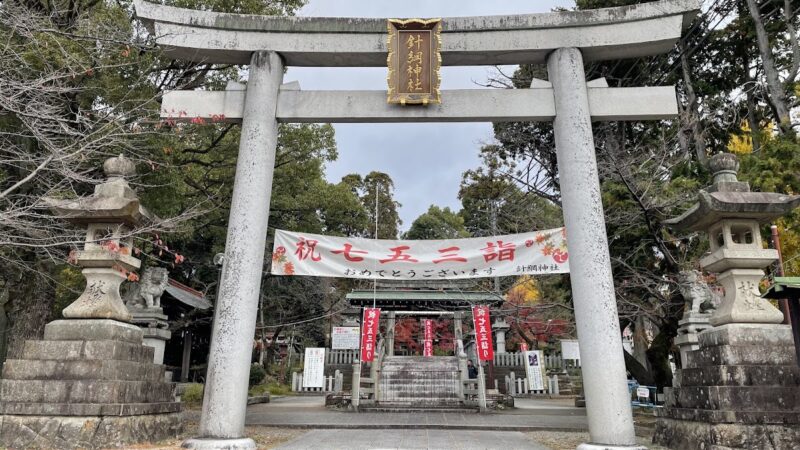
The grounds of Tanabata Shrine are not vast, but they are enveloped in a tranquil atmosphere. Despite being located in a residential area, stepping through the torii gate feels like entering a different world, a sacred atmosphere pervading the air.
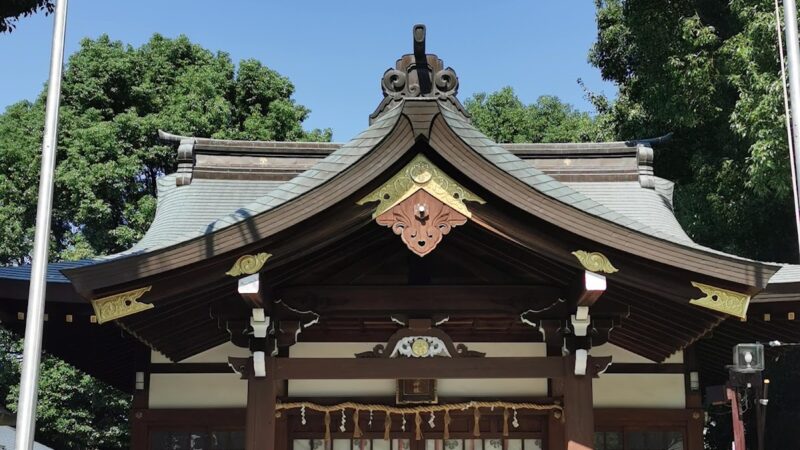
The main hall is a traditional wooden shrine building, simple yet clearly well-maintained. In the worship hall, you can quietly offer your prayers to Ame-no-Tanabata-hime-no-Mikoto.
Tanabata Forest
Tanabata Shrine has long had a grove known as the “Tanabata Forest.” While the forest’s size has shrunk due to urbanization, trees still flourish on the shrine grounds, welcoming visitors as an oasis in the city.
The shrine grounds are particularly beautiful in the summer, and during the Tanabata season, bamboo decorations adorn the area.
Passing Through the Chino-wa (Reed Ring)
On July 7th, Tanabata, a Chino-wa (reed ring) is set up on the shrine grounds. Passing through the Chino-wa is a Shinto ritual to purify oneself of sins and impurities accumulated over the past six months and to pray for good health and protection from illness for the remaining half of the year.
While chanting, “Those who perform the summer purification ritual in the month of Minazuki (June) are said to have their lives extended by a thousand years,” one passes through the ring three times, drawing a figure eight (left, right, left), to purify the mind and body.
Annual Events and Grand Festival
Grand Festival (August 7th)
The most important festival at Tanabata Shrine is the Grand Festival, held on August 7th, which corresponds to the Tanabata festival in the old lunar calendar. It is unique in that it is held according to the traditional lunar calendar, not on July 7th of the new calendar.
During the annual grand festival, Shinto rituals such as the recitation of prayers by Shinto priests and the offering of sacred branches are solemnly performed, expressing gratitude for the past year and praying for peace in the future. Local parishioners and devotees gather, making the shrine the liveliest place of the year.
Tanabata Festival (July 7th)
On July 7th of the Gregorian calendar, a thatched ring is set up, and festivals related to Tanabata are held. Bamboo decorations are erected on the shrine grounds, and worshippers can write their wishes on strips of paper and offer them.
Many worshippers visit on this day, when Orihime and Hikoboshi meet once a year, praying for matchmaking and marital harmony.
Monthly Festival (7th of each month)
The monthly festival is held on the 7th of each month, and the shrine office is open on this day. Since Goshuin (shrine stamps) are also issued on this day, many people visit to pray and receive their Goshuin.
New Year’s Visit and Festival
At the start of the new year, visitors come for their first shrine visit of the year. While not as crowded as large shrines, you can see local residents quietly coming to offer their New Year’s greetings.
The Charm and Points to Note When Visiting Tanabata Shrine
A Quiet Power Spot in the City
Despite being located in the urban area of Kita Ward, Nagoya City, Tanabata Shrine maintains a surprisingly quiet and peaceful atmosphere. While it lacks the bustling activity of large tourist shrines, this makes it a precious space for quiet prayer.
It’s an ideal shrine for those who want to escape the hustle and bustle of everyday life and have time to reflect on themselves.
Experiencing the Origins of Tanabata Faith
Tanabata is known today as an event of bamboo decorations and tanzaku (paper strips), but its background lies in ancient traditions of weaving and star festivals. By visiting Tanabata Shrine, you can experience the original meaning of the Tanabata festival and touch upon the traditional aspects of Japanese faith.
A Faith Rooted in the Community
Tanabata Shrine is a shrine that has been carefully preserved by the local people. The cleaning and maintenance of the shrine grounds are meticulously carried out by local parishioners, reflecting the strong connection between the shrine and the community.
Here, you can find the true essence of a shrine, untouched by commercialization.
Manners and Precautions When Visiting a Shrine
Basic Worship Etiquette
- Bow Before Entering the Shrine Grounds: Bow before entering the shrine grounds.
- Purify Yourself at the Water Basin: If there is a water basin, purify your hands and mouth.
- Walk Along the Edge of the Path: The center of the path is considered the path of the gods.
- Etiquette at the Main Hall: Two bows, two claps, and one bow are the basic rituals.
- Bow Upon Exit: When leaving, turn back and bow before the torii gate.
Photography
Photography is generally permitted on the shrine grounds, but please note the following:
- Refrain from taking photos inside the main hall.
- Be considerate of other worshippers.
- Remember that this is a sacred place and take photos with moderation.
Consideration for the Quiet Residential Area
Tanabata Shrine is located in a residential area, so please refrain from loud conversations and noise. Consideration for the neighbors is especially important when visiting early in the morning or late at night. ### Parking Information
Parking space within the shrine grounds is limited, so we recommend using public transportation whenever possible. If you visit by car, please be considerate of the surrounding area.
Nearby Attractions and Tourist Spots
Nagoya Castle
Located about a 15-minute walk south of Tanabata Shrine, Nagoya Castle is a representative tourist spot in Nagoya. It boasts numerous attractions, including the famous keep with its golden shachihoko (mythical fish-like creatures) and the Honmaru Palace. Visiting it in conjunction with a visit to Tanabata Shrine is highly recommended.
Meijo Park
Meijo Park, the origin of the name of Meijo Park Station, is an urban park located north of Nagoya Castle. This vast park, where you can enjoy flowers throughout the seasons, is ideal for strolling and jogging.
Yamada Tenmangu Shrine
In Kita Ward, Nagoya City, there is also Yamada Tenmangu Shrine, dedicated to Sugawara no Michizane, the god of learning. Many people visit it in conjunction with Tanabata Shrine.
The History of Tanabata Shrine and Nagoya
The Center of Ancient Yamada County
The area where Tanabata Shrine is located was an administrative district called Yamada County in ancient times. It was a key trading point utilizing the Shonai River’s water transport and one of the important regions of ancient Owari Province.
The presence of multiple shrines listed in the Engishiki (ancient Japanese legal code) suggests the importance of this region in ancient times.
Connection to the Textile Industry
The shrine enshrines Amenotanahime-no-Mikoto, the goddess of weaving, suggesting the possibility of a textile industry existing in this region. Ancient Owari Province was a thriving textile production area, and records show that textiles were even presented to the imperial court.
It is thought that Tanabata Shrine also played a role as a guardian deity of this local industry.
Changes Since the Modern Era
Tanabata Shrine has also been affected by the changing times, such as the separation of Shinto and Buddhism during the Meiji era and post-war urbanization. However, supported by the faith of the local people, it has been carefully preserved to this day.
While urbanization has drastically altered the surrounding landscape, the shrine itself continues to quietly mark its history.
Summary: A Recommendation to Visit Tanabata Shrine
Located in Kita Ward, Nagoya City, Aichi Prefecture, Tanabata Shrine boasts the prestigious status of an Engishiki-listed shrine, yet it remains a hidden gem nestled quietly in the heart of the city. It enshrines Ame-no-Tanabata-hime-no-Mikoto, considered the origin of the Tanabata legend, and is known for its divine blessings related to matchmaking, marital harmony, and safe childbirth.
Goshuin (shrine stamps) are available on the morning of the 7th of each month, a Chino-wa Kuguri (a ritual of passing through a ring of reeds) is held on July 7th, and the annual grand festival is held on August 7th, coinciding with the traditional Tanabata festival. Its convenient location, within walking distance of Meijo Park Station, is another attractive feature.
Unlike large-scale tourist shrines, this is a true example of a shrine deeply rooted in the community. When visiting Nagoya, why not visit Tanabata Shrine and experience the origins of Tanabata faith?
The time spent calming your mind in the tranquil temple grounds and offering your prayers to Amenotanahime-no-Mikoto will surely be a special experience.