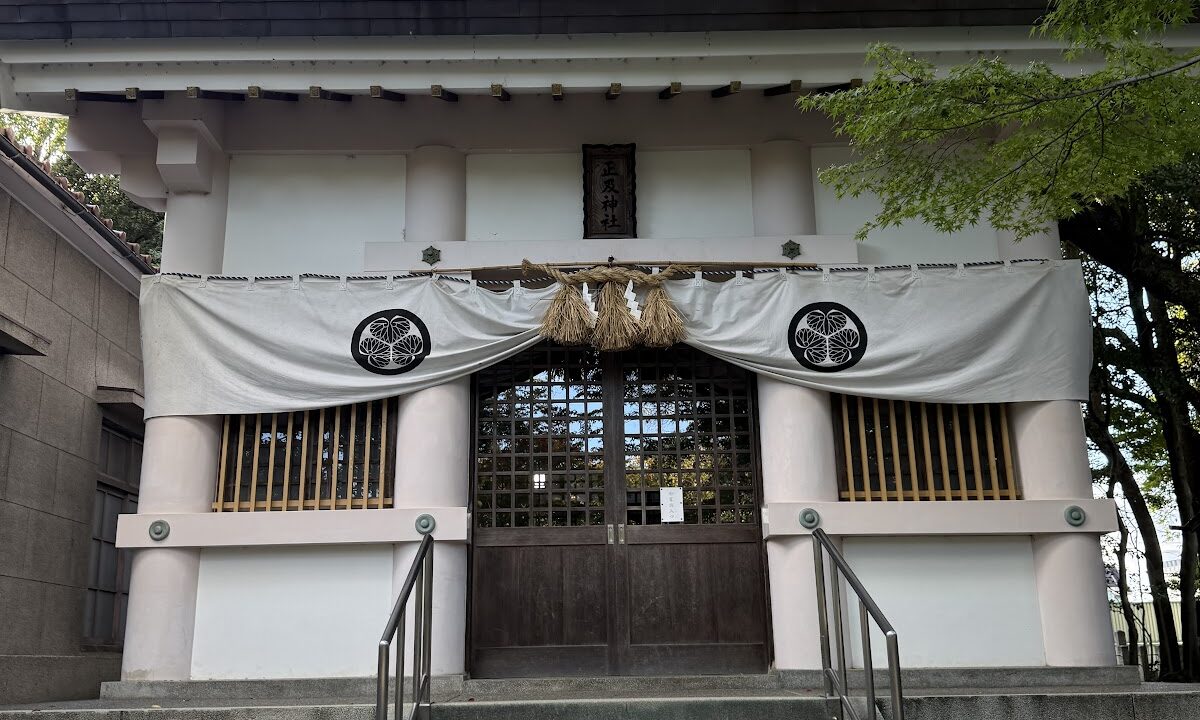
Complete Guide to Shokyu Shrine (Mizuho Ward, Nagoya City, Aichi Prefecture) | History, Deities, and Access Information
Shokyu Shrine, located on Tanabe-dori in Mizuho Ward, Nagoya City, Aichi Prefecture, is a shrine known for its unique name. Situated on a hill along Prefectural Road 30, and featuring a distinctive landscape with its shrine building built atop a stone wall, this guide provides detailed information about the shrine, including its history, enshrined deities, highlights within the grounds, and access methods.
Basic Information about Shokyu Shrine
Shokyu Shrine is located in a residential area of Mizuho Ward, Nagoya City, and is a beloved local shrine that attracts the faith of the community.
Location and Contact Information
- Location: 2-2 Tanabe-dori, Mizuho-ku, Nagoya City, Aichi Prefecture
- Nearest Station: Approximately 16 minutes on foot (approx. 1.2 km) from Sogo Rehabilitation Center Station on the Nagoya Municipal Subway Sakuradori Line
- Corporate Number: 3180005001270
- Former Shrine Rank: Village Shrine, Ninth Rank
Deities and Beliefs
The deities enshrined at Shokyu Shrine have an interesting characteristic: they are described differently depending on the source. The main deities enshrined are listed below:
- Tokugawa Ieyasu: The first shogun of the Edo shogunate and a warlord with deep ties to Nagoya
- Kagutsuchi-no-Mikoto: A deity known as the god of fire
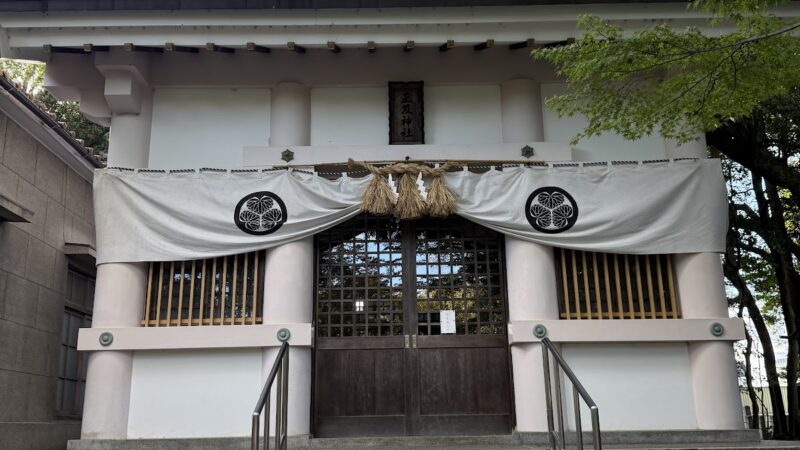
As a shrine dedicated to Tokugawa Ieyasu, it is positioned as another important shrine associated with Ieyasu in Nagoya City, besides Toshogu Shrine.
History of Shōkyū Shrine
Founding and History
Shōkyū Shrine is believed to have been founded in 1716 (Kyōhō 1st year, mid-Edo period). This was a time when Tokugawa Yoshimune was the 8th Shogun and was implementing the Kyōhō Reforms, and reverence for the Tokugawa family was growing throughout the country.
The shrine’s founding is thought to be a combination of the local residents’ reverence for Tokugawa Ieyasu and their faith in Kagutsuchi-no-Mikoto as the god of fire prevention. Nagoya was a city that developed as a castle town of the Owari Tokugawa family, and the faith in Tokugawa Ieyasu was particularly strong.
Origin of the Company Name
There are several theories regarding the origin of the unique company name “Shokyu”:
- Theory related to Tokugawa Ieyasu’s posthumous name: It is possible that the name was taken from characters related to Ieyasu’s divine title, Toshō Daigongen.
- Theory of place name origin: It is possible that the name was taken from a small place name or area name that once existed in this region.
- Theory of fire prevention belief: The name was chosen to convey the meaning of “correctly protecting” from fire.
While the exact origin is unclear, this unusual company name has become familiar to the local people and has been passed down to the present day.
Akiba Festival and Fire Prevention Belief
The Akiba Festival has traditionally been held at Shokyu Shrine. The Akiba Festival is a festival to pray for fire prevention and is deeply related to the worship of Kagutsuchi-no-Mikoto.
In the Edo period, fire was a major threat in the castle town of Nagoya due to the dense concentration of wooden buildings. Therefore, worshipping the god of fire and protecting the area from fire was a heartfelt wish for the residents.
Highlights and Cultural Assets of the Shrine Grounds
Stone Walls and the Shrine on the Hill
The most distinctive feature of Shokyu Shrine is its location: the shrine building stands atop a high stone wall. Situated at the top of a slope before Ishikawa Bridge on Prefectural Road 30, the stone wall creates an impressive landscape.
The reasons for placing the shrine on this hill are thought to be as follows:
- Clearly distinguishing it as a sacred space
- Practical purpose: protecting the shrine building from floods
- Symbolic meaning as the location of a god watching over the area
Shrine Name Marker
At the entrance to the shrine grounds stands a shrine name marker inscribed by former Prime Minister Nobusuke Kishi. Although Nobusuke Kishi was not from Aichi Prefecture, he played an important role as a post-war politician, and his calligraphy enhances the historical value of the shrine.
Approach to the Shrine
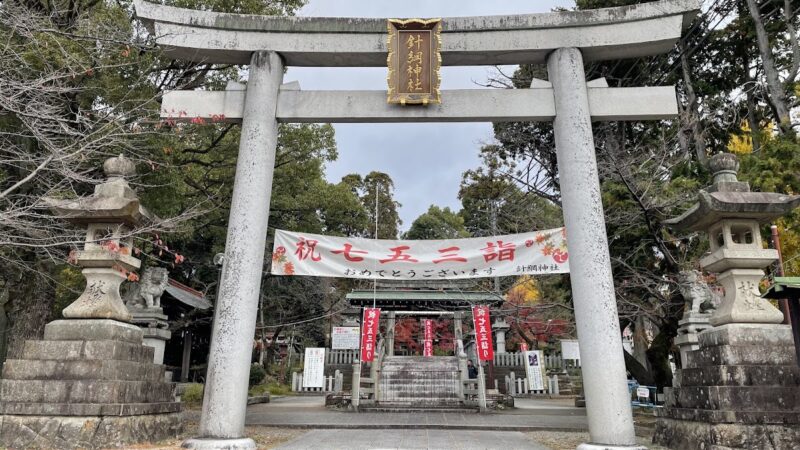
After passing through the torii gate, a long approach lined with trees on both sides leads to the shrine building. Despite being located in a residential area of an urban center, this approach exudes a tranquil atmosphere, providing a peaceful space for worshippers.
The trees along the approach display different appearances with each season, offering particularly beautiful scenery during the fresh green season and the autumn foliage season.
Shrine Architecture
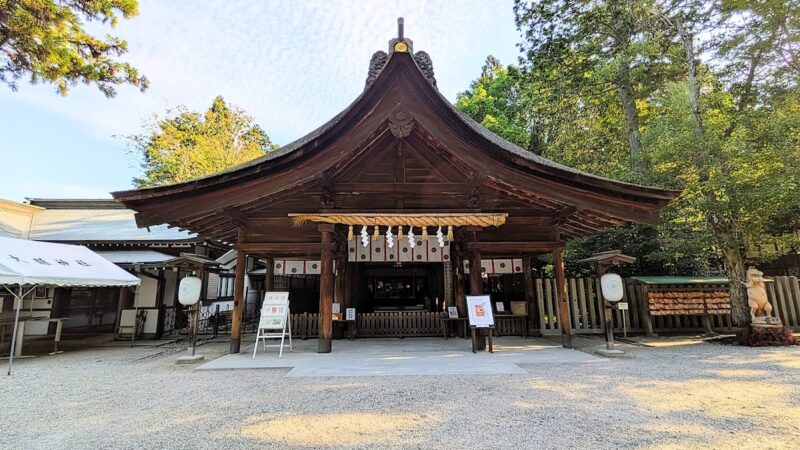
The current shrine building is constructed according to traditional shrine architectural styles. Although small in scale, it is carefully maintained as the local guardian shrine, and the grounds are kept clean and tidy.
Access Methods and Surrounding Area Information
Access by Public Transportation
By Subway
- Sakuradori Line “Sogo Rehabilitation Center Station”: Approximately 16 minutes on foot (approx. 1.2 km)
- Meijo Line “Mizuho Undojo Nishi Station”: Approximately 20 minutes on foot (approx. 1.5 km)
- Sakuradori Line “Sakurayama Station”: Approximately 25 minutes on foot (approx. 2.0 km)
The easiest access method from the nearest Sogo Rehabilitation Center Station is to head south along Prefectural Road 30 (Ring Road).
By Bus
Various Nagoya City Bus routes operate in the surrounding area, and it is possible to access the shrine on foot from the nearest bus stop. We recommend checking the latest bus route information on the Nagoya City Transportation Bureau’s official website.
Access by Car
Located along Prefectural Road 30 (Ring Road), access by car is also convenient. However, information regarding the shrine’s dedicated parking lot should be confirmed in advance. There are also coin-operated parking lots nearby, which can be used as needed. ### Nearby Shrines and Temples
Many shrines and temples are scattered around Shokyu Shrine, mainly in Mizuho Ward, Nagoya City:
- Takada-ji Temple: An ancient temple in Mizuho Ward
- Hachiman Shrine: The local guardian shrine
- Atsuta Jingu Shrine: A major shrine representing Nagoya (approximately 15 minutes by car)
Those who enjoy visiting shrines are recommended to visit these nearby shrines and temples as well.
Attractions in the Surrounding Area
Mizuho Sports Ground
Within walking distance of Shokyu Shrine is Mizuho Sports Ground, which includes Paloma Mizuho Stadium, the home stadium of Nagoya Grampus. Visiting before or after watching a sporting event is a good idea.
Yamazaki River Cherry Blossom Avenue
A short walk away is the Yamazaki River Cherry Blossom Avenue, selected as one of “Japan’s Top 100 Cherry Blossom Viewing Spots.” In spring, approximately 600 Somei Yoshino cherry trees bloom here.
Nagoya City Museum
Mizuho Ward is home to the Nagoya City Museum, where you can learn about the history of Nagoya and gain insight into the Edo period Nagoya castle town, where the Shōkyū Shrine was founded.
Manners and Points for Visiting a Shrine
Proper Etiquette for Visiting a Shrine
When visiting Shokyu Shrine, please follow the general etiquette for visiting a shrine:
- Bow at the Torii Gate: Bow before passing through the torii gate to signal your entry into the sacred area.
- Walking Along the Path: The center of the path is considered the path of the gods, so walk along the sides.
- Purify at the Water Basin: If there is a water basin, purify your hands and mouth.
- Etiquette at the Main Hall: Pray using the two bows, two claps, and one bow method.
Regarding Photography
Photography is generally permitted on the shrine grounds, but please note the following:
- Refrain from taking photos inside the shrine buildings or in sacred areas.
- Be considerate of other visitors.
- Use a tripod only after assessing the surrounding circumstances.
- Be mindful of location information when posting on social media.
Best Time to Visit
While Shōkyū Shrine is open year-round, the following times are particularly recommended:
- Hatsumode (January 1st-3rd): A New Year’s visit to pray for safety throughout the year.
- Akiba Festival: A traditional fire prevention festival (please check specific dates).
- Spring and Autumn with Pleasant Weather: The natural scenery along the approach to the shrine is beautiful during these seasons.
Significance of Enshrining Tokugawa Ieyasu
The Relationship Between Nagoya and Tokugawa Ieyasu
Tokugawa Ieyasu played an extremely important role in the development of Nagoya. In 1610 (Keichō 15), Ieyasu built Nagoya Castle for his ninth son, Yoshinao, and relocated the castle town from Kiyosu (the Kiyosu relocation). This laid the foundation for the present-day city of Nagoya.
The Spread of Ieyasu Worship
After Ieyasu’s death, Toshogu shrines were built throughout Japan, starting with Nikko Toshogu, and Ieyasu was deified as “Toshodai Gongen.” In Nagoya, reverence for Ieyasu, the founder of the Owari Tokugawa family, is particularly strong, and examples of local shrines, such as Shokyu Shrine, enshrining Ieyasu can be seen.
Significance in the Modern Era
In the modern era, Shokyu Shrine, which enshrines Tokugawa Ieyasu, holds the following significance:
- Historical Heritage: Preserving a form of faith that has continued since the Edo period
- Regional Identity: A place embodying Nagoya’s historical background
- Cultural Value: A cultural asset with an unusual name and unique history
The Present and Future of Shokyu Shrine
Connection with the Local Community
Shokyu Shrine continues to be revered as the local guardian shrine, attracting the faith of surrounding residents. In the increasingly urbanized city of Nagoya, the existence of such community-rooted shrines plays an important role in maintaining community bonds.
Challenges of Preservation and Transmission
Small shrines face common challenges such as:
- Maintenance of shrine buildings and grounds
- Transmission of festivals and traditional events
- Transmission of faith to younger generations
- Raising awareness of cultural value
Preservation activities continue to address these challenges through the cooperation of local residents and parishioners.
Potential as a Tourism Resource
The unique name and history of Shokyu Shrine also possess potential as a tourism resource. Incorporating it into Nagoya’s shrine pilgrimage and historical walking routes could make it known to a wider audience.
How to Enjoy Visiting Shokyu Shrine
About Goshuin (Shrine Seals)
Goshuin are a popular part of shrine visits, but it is recommended to check in advance regarding the issuance of goshuin at Shokyu Shrine. Small shrines may not have resident priests, so gathering information beforehand is important for those wishing to receive a goshuin.
Seasonal Attractions
Spring (March-May)
- Beautiful lush greenery along the approach to the shrine
- Enjoy the cherry blossoms along the nearby Yamazaki River
- Mild climate, ideal for visiting
Summer (June-August)
- Enjoy the coolness of the lush green grounds
- Early morning visits are recommended
Autumn (September-November)
- Autumn leaves adorn the approach to the shrine
- Autumn festival period (check beforehand)
- Pleasant climate
Winter (December-February)
- Bustling with New Year’s visitors
- Visit the shrine in a crisp, serene atmosphere
- Snowscapes may be visible
Points for Historical Exploration
When visiting Shokyu Shrine, paying attention to the following points will help you understand the value of the shrine more deeply:
- Structure of the stone walls: Observe how they are stacked
- Shrine name marker written by Kishi Nobusuke: Appreciate the characteristics of the calligraphy
- Atmosphere of the Approach to the Shrine: A sense of tranquility is maintained despite its urban location.
- Style of the Shrine Building: Examine the characteristics of traditional shrine architecture.
- Surrounding Topography: Consider the reason for its location on a hill.
Summary
The Shōkyū Shrine, located in Mizuho Ward, Nagoya City, Aichi Prefecture, is an interesting shrine with a unique name and a history of enshrining Tokugawa Ieyasu. Since its founding in 1716, it has attracted the faith of local people and has been revered as a god of fire prevention.
With its shrine building built on a high stone wall, a shrine name marker inscribed by Kishi Nobusuke, and a tranquil approach surrounded by trees, the shrine grounds maintain a sacred atmosphere despite its urban location, making it a space well worth visiting.
When visiting shrines in Nagoya City or sightseeing around Mizuho Ward, be sure to visit the Shōkyū Shrine. Considering the origin of its unusual name while praying will deepen your understanding of Nagoya’s history and culture.
For the latest information and details, it is recommended to check before visiting. Although it is a small shrine deeply rooted in the local community, its historical value and cultural significance are by no means insignificant. Shōkyū Shrine will undoubtedly continue to be cherished by many people as a little-known historical spot in Nagoya.