Biyō Shrine (Aichi Prefecture) Complete Guide | History and Goshuin Information Related to the Tokugawa Family
About Biyō Shrine
Biyō Shrine is a historic shrine with ties to the Tokugawa family, located at 2-9-19 Gokiso, Showa-ku, Nagoya City, Aichi Prefecture. Founded in the Meiji era at the request of former Owari domain samurai, it enshrines Tokugawa Yoshinao, the first lord of the Owari domain, and Tokugawa Yoshikatsu, the 14th and 17th lords of the Owari domain.
The name “Biyō” is an alternative name for Owari Province and was chosen to symbolize the Owari region. It conveys the achievements of the Tokugawa family, who contributed to the development of Nagoya, and is deeply revered by local people as a god of prosperity and good fortune.
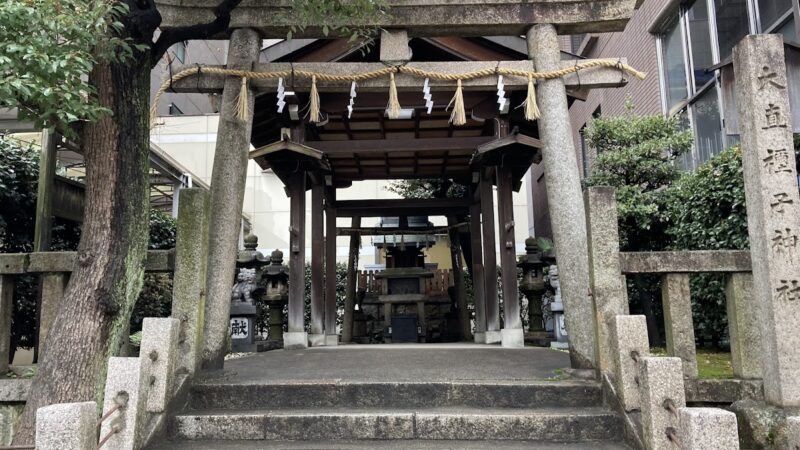
Within the shrine grounds is also the subsidiary shrine, Kuehiko Shrine, which is popular as the god of learning. Despite being in an urban area, it maintains a tranquil atmosphere, providing a peaceful space for visitors.
History of Owari Shrine
Circumstances of its Founding and Petition from Former Owari Domain Samurai
The founding of Owari Shrine dates back to 1910 (Meiji 43). After the Meiji Restoration, former Owari domain samurai, out of gratitude and respect for their lord, ardently desired the creation of a shrine to enshrine Tokugawa Yoshinao and Tokugawa Yoshikatsu.
In 1910, as part of the 300th anniversary of the founding of Nagoya, the former samurai formed the “Taionkai” (Repaying Gratitude Association). This organization, meaning to repay their debt of gratitude to their lord, became the core of the shrine’s founding movement. Thanks to the strong petition and efforts of the former Owari domain samurai, Owari Shrine was officially founded in the same year.
Reasons for the Selection of the Enshrined Deities
Tokugawa Yoshinao (First Lord of Owari Domain) was born as the ninth son of Tokugawa Ieyasu and became the lord of Owari Domain in 1607 (Keicho 12). He was a key figure in the construction of Nagoya Castle and the development of its surrounding town, laying the foundation for present-day Nagoya. He made significant contributions to the development of Owari Province through industrial promotion and the establishment of an educational system.
Tokugawa Yoshikatsu (14th and 17th Lord of Owari Domain) governed the Owari Domain during the turbulent Bakumatsu period and played a crucial role in the Meiji Restoration. After assuming the position of the 14th lord, he temporarily retired, but returned to governing the domain as the 17th lord, leading Owari Domain towards modernization. He was also well-versed in photography and is known for leaving behind many valuable photographs.
These two lords are among the most important figures in the history of Owari, and were chosen as enshrined deities to commemorate their achievements.
Nagoya Air Raid and Post-War Reconstruction
In March 1945, the main hall of Owari Shrine was destroyed by fire during the Nagoya air raid. While much of Nagoya city suffered catastrophic damage, Owari Shrine was no exception.
After the war, reconstruction progressed thanks to the enthusiasm of parishioners and devotees, and the current shrine building was rebuilt in 1970. The rebuilt main hall, while adhering to traditional shrine architectural styles, incorporates modern technology, resulting in a robust structure.
This reconstruction symbolizes the unity of the local community and demonstrates the important role that Owari Shrine plays as a spiritual pillar of the region.
Relationship with Nagoya Toshogu Shrine
When discussing the history of Owari Shrine, its relationship with Nagoya Toshogu Shrine is indispensable. Nagoya Toshogu Shrine was built by the Owari Domain as a shrine dedicated to Tokugawa Ieyasu, and a deep connection developed between it and Owari Shrine during the changes that occurred after the Meiji Restoration.
Both shrines, as shrines dedicated to the Tokugawa family, are central to the commemoration of the Tokugawa family in Nagoya. In particular, both shrines have been cherished as spiritual anchors by former Owari Domain samurai and their descendants.
Shrine Grounds and Cultural Properties
Features of the Main Hall and Shrine Buildings
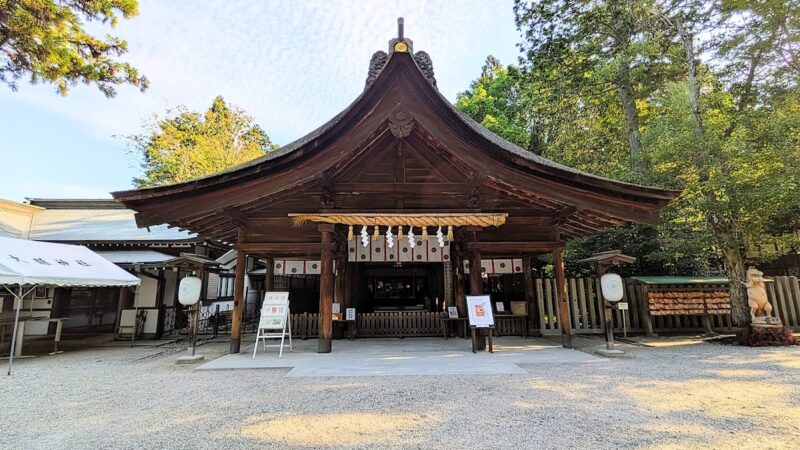
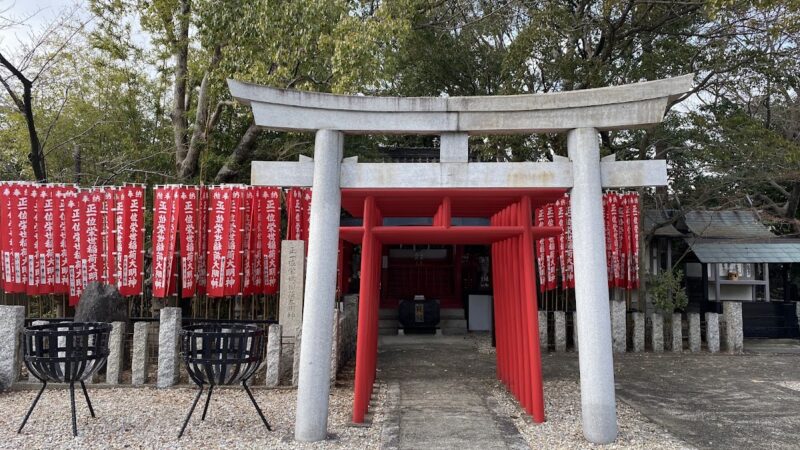
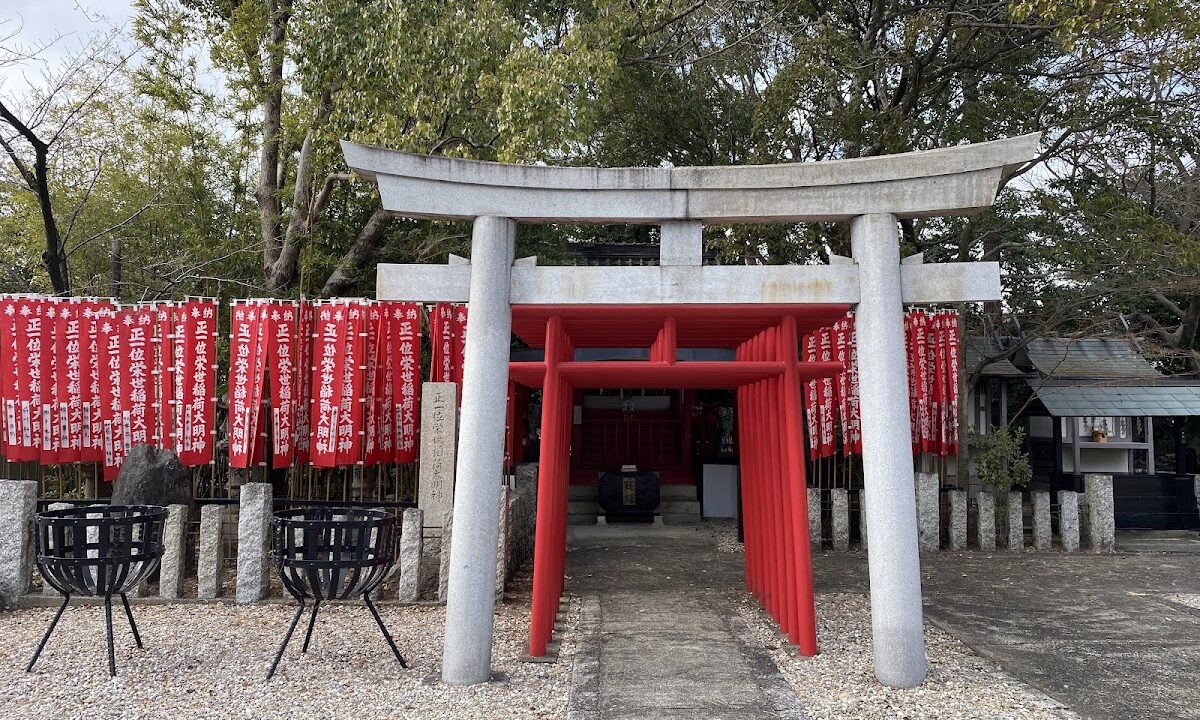
The main hall of Obihi Shrine is a wooden structure built during its reconstruction in 1970. While based on the traditional Shinmei-zukuri style, it also possesses modern durability. Passing through the vermilion torii gate, the path leads to the main hall, and the grounds are kept clean.
Trees surround the shrine buildings, creating a space that harmonizes with nature despite its urban location. Cherry blossoms bloom particularly in spring, and autumn leaves color the grounds in fall.
Subsidiary Shrine: Kuehiko Shrine
Kuehiko Shrine is located within the shrine grounds. Kuehiko Shrine was established by inviting the deity from the Kuehiko Shrine, a subsidiary shrine of Omiwa Shrine in Yamato Province (present-day Nara Prefecture), and enshrines Kuebiko-no-Mikoto.
Kuebiko-no-Mikoto is a god of wisdom appearing in the Kojiki (Records of Ancient Matters), and is believed to grant blessings for academic success and passing exams. During exam season, many students and their parents visit the shrine, offering votive tablets (ema) praying for success.
Highlights of the Shrine Grounds
The shrine grounds include a purification fountain, a shrine office, and a gift shop. At the purification fountain, visitors can purify their minds and bodies before praying, experiencing traditional worship practices.
The shrine office offers goshuin (shrine stamps) and accepts requests for various prayers, with shrine priests providing courteous service. Special decorations may also be displayed on the grounds during seasonal festivals and events.
Goshuin and Goshuincho (Shrine Stamp Books)
Types and Designs of Goshuin
Obiyo Shrine offers standard goshuin. The goshuin features the calligraphy and red seal of “Obiyo Shrine,” a simple yet dignified design.
A Goshuin (temple/shrine stamp) is proof of your visit and a tangible record of your connection to the shrine. The Goshuin of Owari Shrine has a dignified style befitting a shrine associated with the Tokugawa family.
Goshuin Reception Hours and Location
Goshuin are available at the shrine office. Reception hours are generally from 9:00 AM to around 4:00 PM, but may change due to Shinto rituals or festivals. To ensure you receive one, it is recommended to confirm in advance by phone (052-872-4851).
The offering fee is the same as at most shrines and is paid in cash. While direct writing in the Goshuincho (stamp book) is the norm, pre-printed stamps may be provided depending on the situation.
Original Goshuincho
Owari Shrine also offers original Goshuincho (stamp books) (availability may vary depending on the season). Designs reflecting the shrine’s characteristics, such as those featuring the Tokugawa family crest (Aoi no Mon), are popular as souvenirs of your visit.
For those who enjoy collecting Goshuin (temple/shrine stamps), Owari Shrine is an important spot on a Goshuin pilgrimage within Nagoya City.
Benefits and Faith
God of Development and Good Relationships
Owari Shrine is worshipped as the god of development and good relationships. Because the first lord of the domain, Tokugawa Yoshinao, contributed to the development of Nagoya, it is believed to bring benefits such as business prosperity, commerce success, and regional development.
Furthermore, because Tokugawa Yoshikatsu led the Owari domain during the turbulent Bakumatsu period, it is also believed to bring benefits such as sound judgment at turning points in life and success in finding a good partner.
Various Prayers and Ceremonies
Owari Shrine accepts various prayers and ceremonies, including the following:
Shinto Wedding Ceremony: Traditional Shinto wedding ceremonies can be held. A wedding ceremony at a shrine associated with the Tokugawa family takes place in a dignified and solemn atmosphere.
Groundbreaking Ceremony: We perform a groundbreaking ceremony to pray for the safety of construction work and the prosperity of the building. We also accept requests for off-site ceremonies, and can perform the ceremony at the construction site.
Doll Memorial Service: This is a ceremony to express gratitude for dolls and stuffed animals that have been cherished for many years. Doll memorial services are held regularly.
Exorcism and Safety Prayer: We accept various prayers, including prayers for protection against misfortune during unlucky years, traffic safety, and family safety.
Annual Events
Obiyo Shrine holds various festivals throughout the year. Seasonal festivals such as the New Year’s Day Festival, the Spring Grand Festival, and the Autumn Grand Festival are popular with the local community.
Especially during the Grand Festival, many worshippers visit, and the shrine grounds are bustling with activity. As a shrine with strong ties to the local community, these festivals have become established as annual local events.
Access Information
Access by Public Transportation
By Subway
The nearest station is Arahata Station on the Nagoya Municipal Subway Tsurumai Line. It’s conveniently located about a 5-minute walk from Exit 4.
- From Nagoya Station: Take the Higashiyama Line to Fushimi Station, transfer to the Tsurumai Line, and get off at Arahata Station.
- From Kanayama Station: Take the Tsurumai Line and get off at Arahata Station.
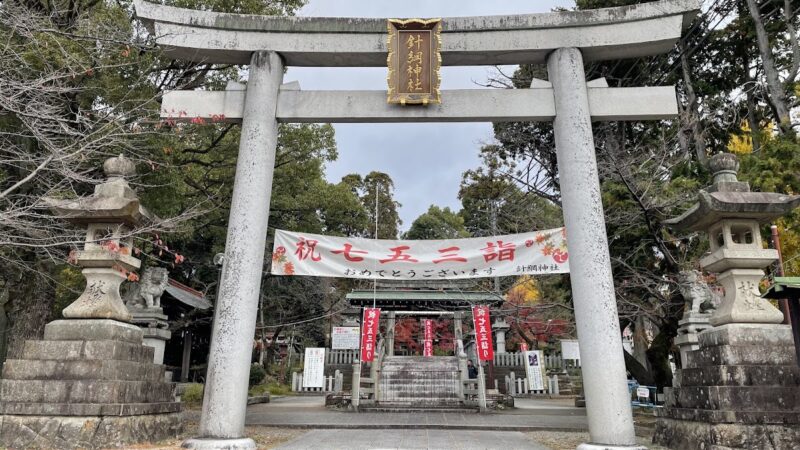
Exit from Exit 4 of Arahata Station and walk southeast along Gokiso-dori Street. You will see the torii gate of Obihi Shrine on your left.
By Bus
Nagoya Municipal Buses are also available. It’s about a 3-minute walk from the Gokiso-dori bus stop. Multiple bus routes pass through this stop, making it convenient to access from surrounding areas.
Access by Car
Route from Major Roads
- Approximately 5 minutes from the Nagoya Expressway Route 2 Higashiyama Line “Fukiage Higashi IC”
- Approximately 3 minutes from National Route 153 (Iida Kaido) onto Gokiso-dori
Parking Information
There is parking space for visitors on the temple grounds, but the number of spaces is limited. During busy periods such as New Year’s Day and the annual festival, the parking lot is likely to be full, so we recommend using public transportation.
There are also several coin-operated parking lots in the surrounding area, so you can use those if the temple parking lot is full.
Address and Contact Information
Address: 2-9-19 Gokiso, Showa-ku, Nagoya City, Aichi Prefecture 466-0015
Phone Number: 052-872-4851
Visiting Hours: The temple grounds are generally open for free visits, but the shrine office is open from 9:00 AM to around 4:00 PM. If you wish to receive prayers or a Goshuin (temple/shrine stamp), it is recommended to visit during the shrine office’s opening hours.
Nearby Attractions
Nearby Shrines and Temples
There are several other shrines and temples worth visiting around Owari Shrine.
Tsurumai Park: One of Nagoya City’s representative parks, within walking distance. In spring, it is a popular spot for cherry blossom viewing, and visitors can enjoy the beauty of nature throughout the seasons.
Hachiman Shrine: A historical shrine located in the Gokiso district, it is cherished as the local guardian deity.
Nagoya University: The campus of Nagoya University, one of the former imperial universities, is nearby, giving the area an academic atmosphere.
The Charm of the Gokiso Area
The Gokiso area, where Owari Shrine is located, is in the heart of Showa Ward, Nagoya City, and is a region where residential and commercial areas harmoniously coexist. The name “Gokiso” is said to originate from the fact that pottery was once made in this area. The area around Gokiso Station, where the Tsurumai and Sakuradori subway lines intersect, is a hub of restaurants, cafes, and shops, serving as the heart of local life. It’s an attractive area where the warmth of a traditional downtown neighborhood coexists with the convenience of an urban setting.
Manners and Points for Visiting a Shrine
Basic Shrine Visit Etiquette
Following basic shrine visit etiquette will make your visit more meaningful.
- Bow Before Passing Through the Torii Gate: As a sign of respect before entering the sacred area, bow before the torii gate.
- Purify Your Body and Mind at the Water Basin: Hold the ladle in your right hand and purify your left hand, then switch to your left hand and purify your right hand. Switch back to your right hand, receive water in your left hand, rinse your mouth, and finally purify the handle of the ladle.
- Walk Along the Edge of the Path: The center of the path is considered the path of the gods, so it is proper etiquette to walk along the edge.
- Two Bows, Two Claps, One Bow: In front of the main hall, bow deeply twice, clap twice, and finally bow once.
Regarding Photography
Photography is generally permitted on the shrine grounds, but please refrain from taking photos inside the main hall or during Shinto rituals. It is also important to be considerate of other worshippers.
While posting on social media is increasing, please remember that this is a sacred place and act with moderation.
Best Time to Visit
Obiyo Shrine is open for worship throughout the year, but there are particularly recommended times.
Spring (March-May): The shrine grounds are beautiful during cherry blossom season, making for a refreshing visit.
Autumn (September-November): The weather is cool and pleasant, and the annual festival is held during this time.
New Year’s Visit (January 1st-3rd): The shrine is bustling with people praying for their wishes in the new year. If you want to avoid crowds, visiting after the first three days of the New Year is recommended.
Summary
Obiyo Shrine is a historical and prestigious shrine dedicated to Tokugawa Yoshinao and Tokugawa Yoshikatsu, who contributed greatly to the development of Nagoya. Since its founding in 1910 (Meiji 43), it has attracted the faith of local people and has been cherished as a god of prosperity and good fortune.
Even after being destroyed in the Nagoya air raids, it was rebuilt thanks to the enthusiasm of the local people, and many worshippers still visit it today. It is conveniently located just a 5-minute walk from Arahata Subway Station, making it easily accessible.
The shrine offers Goshuin (shrine stamps) and accepts various prayers, making it a place to visit for various milestones in life, such as Shinto weddings, ground-breaking ceremonies, and doll memorial services. At the subsidiary shrine, Kuehiko Shrine, you can also receive blessings for academic success.
If you want to visit a shrine associated with the Tokugawa family in Nagoya City, or if you have the opportunity to visit the Gokiso area, please be sure to visit Obiyo Shrine. In the tranquil grounds, you can find peace of mind and spend precious time reflecting on the history of Nagoya.