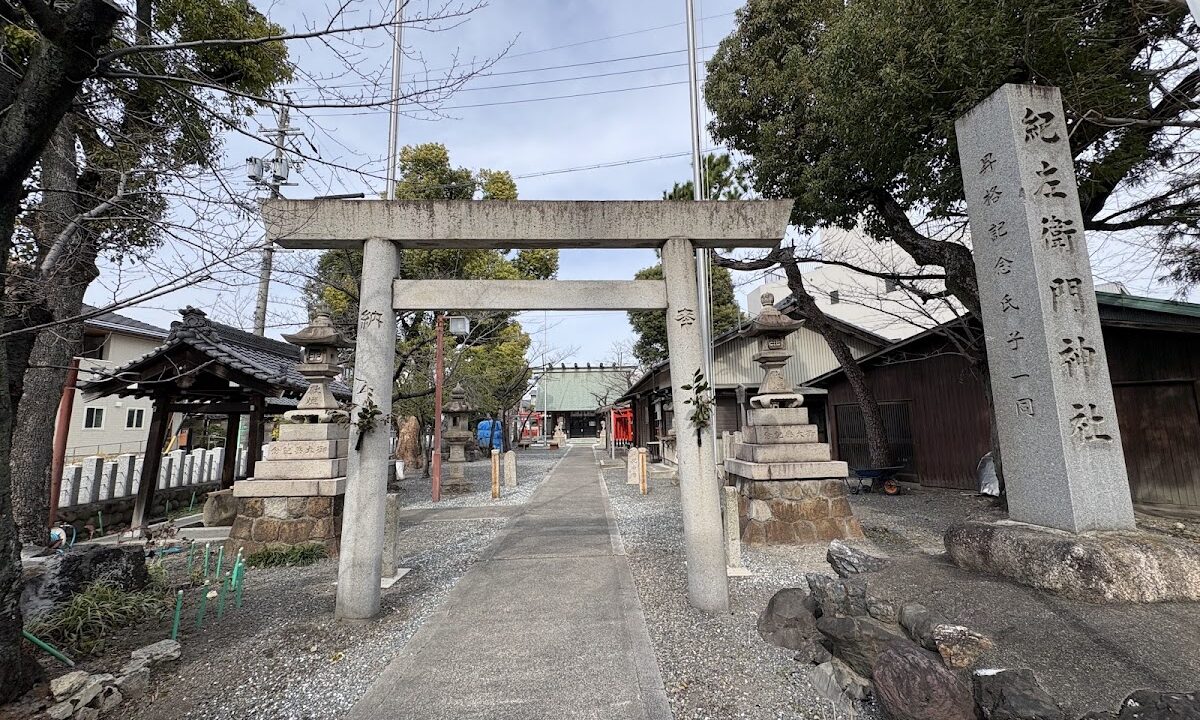
Kizaemon Shrine (Aichi Prefecture) Complete Guide | History, Goshuin (Shrine Seal), and Access Information
Kizaemon Shrine, located in Uchidabashi, Minami-ku, Nagoya City, is a valuable shrine that preserves the history of land reclamation in the mid-Edo period. While many shrines in Aichi Prefecture bear the name “Shinmei-sha,” this shrine is known for its unusual name, derived from the name of its developer.
This article comprehensively introduces information you should know before visiting Kizaemon Shrine, including its historical background, highlights within the grounds, access methods, and information on surrounding shrines.
History and Origins of Kizaemon Shrine
Development of Kizaemon Shinden
The history of land reclamation in this area is essential to understanding the history of Kizaemon Shrine. In 1754 (Horeki 4), this land, developed by Kato Kizaemon of Atsuta, came to be known as “Kizaemon Shinden.”
The land reclamation project was a crucial agricultural expansion policy during the Edo period, a large-scale project to utilize the low-lying wetlands south of Nagoya for farming. Kato Kizaemon, a prominent figure in Atsuta, undertook this challenging project and achieved success.
After the development, this reclamation became the property of the Tokugawa family and was managed as direct territory of the shogunate. This historical background explains why the name of the developer remains in the shrine’s name.
Founding of the Shrine
Kizaemon Shrine is said to have been founded in 1794 (Kansei 6). This was approximately 40 years after the land reclamation project, and it is believed to have been built by the people who settled in the area to express their gratitude to the developer and to pray for the protection of the region.
At that time, natural disasters such as floods and droughts significantly impacted agriculture in the Nitta village. The shrine played an important role as a spiritual pillar for the local residents and as a place to pray for a bountiful harvest.
Basic Information about Kizaemon Shrine
Location and Access
Address
1-33-25 Uchidabashi, Minami-ku, Nagoya City, Aichi Prefecture 457-0862
Nearest Station
Approximately 7 minutes on foot (approx. 578m) from Toyoda-Honmachi Station on the Meitetsu Tokoname Line
Access by Car
Approximately 10 minutes west from the Uchidabashi 1-chome intersection on National Route 247. The Shinkansen overpass is a landmark. Please be careful as the road curves sharply before the Shinkansen overpass.
Visiting Hours and Shrine Grounds Information
Kizaemon Shrine is a small shrine and is unmanned, without a permanent shrine office. While you can generally visit the grounds freely, please be considerate of the neighbors as it is located in a residential area.
Visiting Hours
Visiting during daylight hours is recommended.
Parking
There is no dedicated parking lot, so we recommend using public transportation.
Highlights and Cultural Assets within the Shrine Grounds
Hakuryu-sha Shrine
Within the grounds of Kizaemon Shrine is a subsidiary shrine called Hakuryu-sha. This Hakuryu-sha Shrine houses valuable cultural assets that are rare in Nitta Village, Minami Ward, Nagoya City.
Statue of En no Gyoja
A statue of En no Gyoja (En no Ozunu), considered the founder of Shugendo, is enshrined here. It is unusual to find a statue of En no Gyoja in the Nitta area, making it an important document demonstrating the diversity of beliefs in this region. En no Gyoja was a figure who valued mountain asceticism, and the existence of his statue in this flat Nitta Village is an interesting historical fact.
Koshin-zuka Monument
A Koshin-zuka monument, representing Koshin belief, has also been relocated to the shrine grounds. Koshin belief is a folk belief originating from Taoism, and there was a custom called “Koshin-machi” where people would stay up all night on the Koshin day, which occurred once every 60 days. This monument is a valuable legacy that tells the story of the Koshin-ko (Koshin religious association) activities that were once held in this region.
Origin of the Relocated Cultural Properties
These cultural properties were originally installed on the Shinden embankment and near the sluice gate. Due to flood control work and urban development, they were moved to the grounds of Kizaemon Shrine and are still carefully preserved there today.
In Shinden development, embankments and sluice gates were lifelines, and the fact that objects of worship were placed near them speaks to the fear of floods and the depth of prayer of the people at that time.
About Goshuin (Shrine Seals)
Unfortunately, Kizaemon Shrine is an unmanned shrine, so goshuin are not issued. Since there is no permanently staffed shrine office, it is not possible to have goshuin stamps written in goshuin notebooks or to receive pre-printed goshuin.
Those collecting Goshuin (temple/shrine stamps) are encouraged to visit other nearby shrines. Several shrines in the Minami Ward area of Nagoya City offer Goshuin.
Deities and Benefits of Kizaemon Shrine
While official records regarding the detailed deities of Kizaemon Shrine are currently limited, given its history of land reclamation, it is believed to enshrine guardian deities of the region and gods who preside over abundant harvests.
Expected Benefits
- Abundant harvests
- Regional safety
- Family safety
- Good fortune and prosperity
En no Gyoja, enshrined at Hakuryu Shrine, is considered the founder of Shugendo (mountain asceticism) and is believed to offer benefits such as healing from illness and protection from disaster. Furthermore, Koshin belief is associated with praying for health, longevity, and protection from illness.
Manners and Etiquette for Visiting a Shrine
Basic Visiting Etiquette
- Bow Before the Torii Gate
Before entering the shrine grounds, bow slightly before the torii gate. 2. Purification at the Water Basin
As this is a small shrine, there may not be a water basin. In that case, purify your heart before praying.
- Two Bows, Two Claps, One Bow
In front of the main hall, bow deeply twice, clap your hands twice, and finally bow once.
- Strolling the Shrine Grounds
Take your time to admire the cultural artifacts within the grounds, such as the Hakuryu Shrine and the Koshin-zuka mound.
Points to Note When Visiting
- As this is located in a residential area, please refrain from speaking loudly.
- Please take all your trash with you.
- Photography is permitted, but please be considerate and avoid including nearby houses in your photos.
- As this is an unmanned shrine, please quietly place your offering in the offering box.
Information on Nearby Shrines and Temples
When visiting Kizaemon Shrine, why not also visit other shrines and temples in the Minami Ward area of Nagoya City?
Wakamiya Shinmei Shrine
This is one of the Shinmei shrines located in Minami Ward, Nagoya City, and is cherished as the local guardian deity. Unlike Kizaemon Shrine, it has a shrine office and sometimes offers Goshuin (shrine stamps).
Ichibata-san Yakushi-ji Temple
Near Minami Ward, Nagoya City, is Ichibata-san Yakushi-ji Temple, known for its healing of eye diseases. It’s recommended for a shrine and temple pilgrimage combined with prayers for good health.
Atsuta Jingu Shrine
Atsuta Jingu Shrine, one of Nagoya’s representative shrines, is about a 15-minute drive from Kizaemon Shrine. Since Kato Kizaemon, who developed Kizaemon Shinden (newly reclaimed land), was from Atsuta, you can feel a historical connection while visiting.
History of Kizaemon Shrine and Southern Nagoya
Historical Background of New Land Development
During the mid-Edo period, due to the increasing demand for food accompanying population growth, new land development flourished throughout Japan. Southern Nagoya was a low-lying wetland area, so agricultural development progressed along with the development of flood control technology.
The development of Kizaemon Shinden in 1754 (Hōreki 4) marked a significant turning point in the history of this region. The development required considerable effort and funding, but it was realized through the efforts of Kato Kizaemon.
Relationship with the Tokugawa Family
The fact that this land became the property of the Tokugawa family after the development demonstrates its high value. Being managed as a direct territory of the shogunate ensured stable harvests, leading to the development of the region.
History Passed Down to the Present
While little remains of the former Shinden in the area around Uchidabashi, Minami Ward, Nagoya City, Kizaemon Shrine is a valuable presence that conveys its history to the present day. Even amidst increasing urbanization, it plays a role in preserving the historical identity of the region.
Annual Events and Festivals
Because Kizaemon Shrine is a small, unmanned shrine, it appears that large-scale festivals and annual events are not currently held. While it’s possible that local parishioners once held festivals here, urbanization and demographic shifts have made the continuation of traditional rituals difficult.
However, daily visits and cleaning activities by local residents continue, and the shrine remains an important place for the community.
Recommended Route for Visiting Kizaemon Shrine
Walking Route from Toyoda Honmachi Station
- Get off at Toyoda Honmachi Station on the Meitetsu Tokoname Line.
- Exit from the west exit and head towards National Route 247.
- Proceed west at the Uchidabashi 1-chome intersection.
- Arrive in approximately 7 minutes after passing through the residential area.
Since the route passes through a residential area, we recommend using a map app. When you see the Shinkansen overpass, the shrine is nearby.
Half-Day Course Model Itinerary
Morning
- Visit Atsuta Shrine (a place associated with Kato Kizaemon)
- Historical walk through Atsuta
Afternoon
- Visit Kizaemon Shrine
- Visit surrounding shrines and temples
- Learn about the history of Minami Ward, Nagoya City
This course allows you to gain a deeper understanding of the historical background of Kizaemon Shinden.
Photography Tips
Kizaemon Shrine is a small shrine, but the following points are recommended for photography.
Atmosphere of the Shrine Grounds
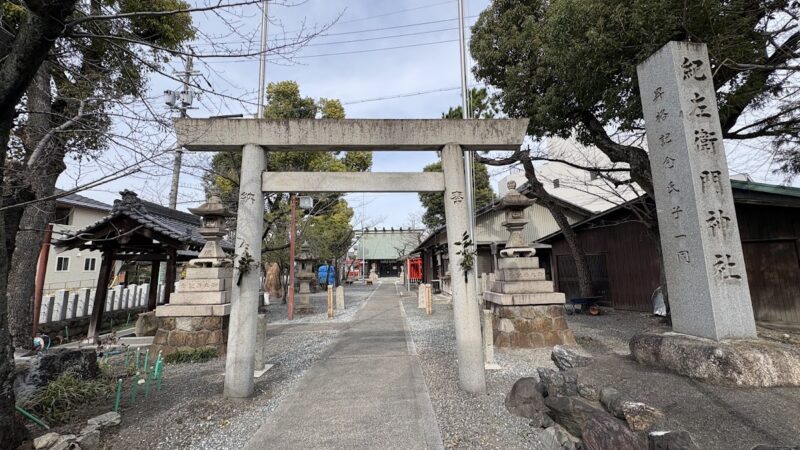
The shrine, quietly nestled in a residential area, symbolizes the coexistence of city and faith. Photographing the shrine through the torii gate creates a compact yet atmospheric composition.
Hakuryu Shrine and Cultural Properties
The statue of En no Gyoja and the Koshin-zuka monument are subjects of high historical value. However, from the perspective of cultural property protection, please be careful not to touch them or get too close.
Precautions When Taking Photos
- Please be considerate and avoid including nearby houses in your photos.
- Please refrain from using flash photography.
- Please check that using a tripod does not disturb the surroundings.
- Please pay attention to location information when posting on social media.
Future Preservation and Challenges of Kizaemon Shrine
Importance of Cultural Property Protection
The statue of En no Gyoja and the Koshin-zuka monument preserved at Kizaemon Shrine are valuable cultural heritage sites of Minami Ward, Nagoya City. Appropriate preservation and management are necessary to pass them on to future generations.
Involvement with the Local Community
The cooperation of local residents is essential for the maintenance and management of an unmanned shrine. Even amidst increasing urbanization, it is important to pass on an awareness of cherishing local history to the next generation.
As a Place for History Education
Kizaemon Shrine is also a valuable teaching material for learning about the history of land reclamation in the Edo period. It is hoped that it will be more actively utilized in local school education and local history research.
Summary
Kizaemon Shrine is a historically significant shrine located in Minami-ku, Nagoya City, Aichi Prefecture. It is known as a rare shrine named after the developer of the land reclamation project, with two historical events as its backdrop: the land reclamation project in 1754 (Hōreki 4) and its founding in 1794 (Kansei 6).
Within the shrine grounds is the Hakuryū-sha shrine, which preserves valuable cultural artifacts such as a statue of En no Gyōja and a Kōshin-zuka monument. These are important materials that illustrate the diverse forms of faith in the Shinden region.
As it is an unmanned shrine, there is no Goshuin (shrine stamp), but it is a valuable place to visit while feeling the history in a quiet residential area. It is a shrine that those interested in the history of Minami-ku, Nagoya City, or those who want to learn about land reclamation in the Edo period should definitely visit.
Its convenient access, just a 7-minute walk from Toyoda-Honmachi Station, is also one of its attractions. Visiting it along with other nearby shrines and temples such as Atsuta Jingu Shrine will allow you to gain a deeper understanding of the history of southern Nagoya.
In today’s increasingly urbanized world, Kizaemon Shrine is a vital presence that continues to preserve the historical identity of the region. When you visit, why not take some time to quietly offer your prayers while reflecting on the efforts of the pioneers who developed this land?