Complete Guide to Koyoji Temple (Aichi Prefecture) | History, Access, and Perpetual Memorial Services
There are several temples named “Koyoji” in Aichi Prefecture, each with a different sect and history. This article provides a comprehensive explanation of detailed information, access methods, and services such as perpetual memorial services for each temple, focusing on the Nichiren sect Koyoji Temple in Atsuta Ward, Nagoya City, and the Shinshu Otani sect Koyoji Temple in Aisai City.
List of Koyoji Temples in Aichi Prefecture
There are mainly two Koyoji Temples in Aichi Prefecture. Since each temple is located in a different area and belongs to a different sect, those considering visiting or performing memorial services should choose the appropriate temple according to their purpose.
Koyoji Temple (Nichiren Sect) in Atsuta Ward, Nagoya City
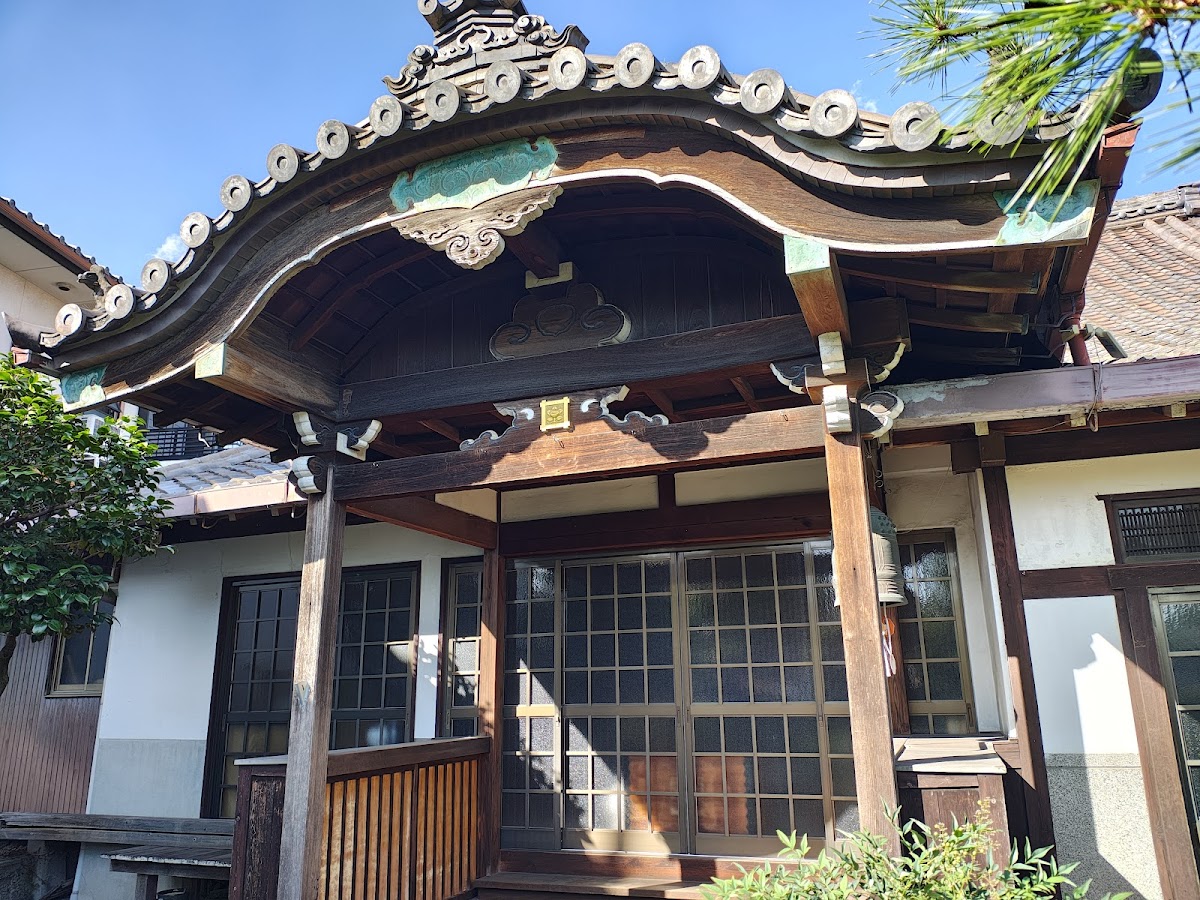
Koyoji Temple, located in Sennen, Atsuta Ward, Nagoya City, belongs to the Nichiren sect. This temple is known as a branch temple of Myogyoji Temple in Nakamura Ward, and historically, it has been characterized by having been headed by nuns for generations. In modern times, it offers a wide range of Buddhist services, including perpetual memorial services, columbariums, funerals, and memorial services.
Basic Information
- Address: 1-18-16, Chitose, Atsuta-ku, Nagoya City, Aichi Prefecture 456-0054
- Sect: Nichiren Buddhism
- Head Temple: Minobu-san Kuonji Temple
- Features: Perpetual memorial service columbarium, cemetery, funeral and memorial service services
Koyoji Temple (Shinshu Otani School) in Aisai City
Located in Akame-cho, Aisai City, Koyoji Temple belongs to the Shinshu Otani School. This temple is based on the teachings of Jodo Shinshu Buddhism and functions as a center of faith in the region.
Basic Information
- Address: 1 Shimotsutsumiaze, Akame-cho, Aisai City, Aichi Prefecture 496-8046
- Sect: Shinshu Otani-ha
- Head Temple: Shinshu Honbyo (Higashi Honganji)
- Postal Code: 496-8046
Detailed Information on Koyoji Temple, Atsuta Ward, Nagoya City
Temple History and Characteristics
Koyoji Temple in Atsuta Ward, Nagoya City, is a temple that operates based on the doctrines of the Nichiren sect. As a branch temple of Myogyoji Temple in Nakamura Ward, it has inherited the teachings of Nichiren Shonin. Notably, until the current head priest, the temple has historically been run by nuns. This is a relatively rare characteristic among Nichiren sect temples, and it is known as a temple with a tradition of temple management by female monks.
The Nichiren sect was founded by Nichiren Shonin during the Kamakura period and practices faith centered on chanting the title “Namu Myoho Renge Kyo.” At Koyoji Temple, daily services and memorial ceremonies are conducted in accordance with this tradition.
Access Information
Access by Train
- Approximately 10 minutes on foot from Nishitakakura Station on the Nagoya Municipal Subway Meijo Line
- Approximately 15 minutes on foot from Atsuta Station on the JR Tokaido Main Line
- Approximately 12 minutes on foot from Jingumae Station on the Meitetsu Nagoya Main Line
Access by Bus
- Approximately 3 minutes on foot from the Chitose bus stop (Nagoya Municipal Bus)
Access by Car
- Approximately 5 minutes from the Horita Exit of the Nagoya Expressway
- Please inquire with the temple in advance regarding parking availability.
About Perpetual Memorial Services
Koyoji Temple in Atsuta Ward, Nagoya City, offers perpetual memorial service services that meet modern needs. Perpetual memorial services are a system where the temple takes responsibility for the perpetual memorial services of the deceased. This is a suitable memorial service method for those who do not have successors to their graves or who do not want to burden their descendants.
Features of the Perpetual Memorial Grave
- Available even without becoming a temple member
- Available with payment of maintenance fees and annual memorial service fees
- Columbarium format allows visits regardless of weather
- Regular memorial services are performed by the temple
Benefits of Perpetual Memorial Services
- Reduced Management Burden: The temple handles grave cleaning and maintenance, providing peace of mind even for those living far away
- Clear Costs: Initial costs are often lower compared to general cemeteries
- Some Temples Accept All Denominations: Some temples accept people of all denominations
- Easy Access in Urban Areas: Conveniently located in Nagoya City, making it easy to visit
Funeral and Memorial Service Services
Koyoji Temple also handles funerals and various memorial services. We conduct respectful ceremonies in accordance with Nichiren Buddhism customs, providing memorial services that commemorate the deceased and offer comfort to the bereaved family.
Available Memorial Services
- Funeral (Wake and Farewell Ceremony)
- First Seven Day Memorial Service
- Forty-Ninth Day Memorial Service
- Annual Memorial Services (First Anniversary, Third Anniversary, etc.)
- Joint Memorial Services during Obon and Higan
- Monthly Memorial Services
Detailed Information on Koyoji Temple, Aisai City
Teachings and Characteristics of the Shinshu Otani School
Koyoji Temple in Aisai City is a temple belonging to the Shinshu Otani School. The Shinshu Otani School is a branch of Jodo Shinshu Buddhism and inherits the teachings of Shinran Shonin. Its head temple is Shinshu Honbyo (Higashi Honganji) in Kyoto.
A characteristic of Jodo Shinshu Buddhism is the teaching of “reliance on the power of others.” This doctrine states that all people are saved by the power of Amida Buddha’s vow, and that reciting the Nembutsu promises rebirth in the Pure Land.
Access Methods
Access by Train
- Approximately 10 minutes by car from Meitetsu Bisai Line “Fuchitaka Station”
- Approximately 15 minutes by car from Meitetsu Tsushima Line “Fujinami Station”
Access by Car
- Approximately 20 minutes from Tomeihan Expressway “Yatomi IC”
- Accessible via National Route 155
- Approximately 10 minutes from Aisai City Center
Access by Bus
- Within walking distance from Aisai City Loop Bus “Akamecho” bus stop
Connection to the Community
Koyoji Temple in Aisai City has played a central role in the local community. Located in a rural area, this temple has a history of supporting the religious lives of local residents and functioning as a venue for weddings, funerals, and other ceremonies.
Attractions Around Koyoji Temple
Around Atsuta Ward, Nagoya City
Atsuta Ward is located in the southern part of Nagoya City and is an area where history and culture thrive.
Atsuta Shrine
Located within walking distance of Koyo-ji Temple, Atsuta Shrine is a historic shrine dedicated to the Kusanagi-no-Tsurugi, one of the Three Sacred Treasures of Japan. It attracts many visitors throughout the year.
Shiratori Garden
Nagoya City’s largest Japanese garden, offering beautiful scenery throughout the seasons. It’s approximately a 10-minute drive from Koyo-ji Temple.
Horikawa Canal
A canal steeped in Nagoya’s history, it has recently become a popular spot for strolls thanks to the development of a promenade.
Around Aisai City
Aisai City is located in western Aichi Prefecture, a naturally rich area surrounded by the Kiso River and Nagara River.
Kiso Three Rivers Park
A national park spread across the area where the Kiso River, Nagara River, and Ibi River converge. Seasonal flowers bloom throughout the vast grounds.
Sentohira Lock
A historical sluice gate built during the Meiji era, designated as a National Important Cultural Property.
Famous Lotus Viewing Spot
Aisai City is famous as a lotus root producing area, and in summer, you can see beautiful lotus flowers.
Differences between Nichiren Buddhism and Shinshu Otani School
Even though they share the same name, Koyoji Temple, different sects have vastly different doctrines and practices.
Characteristics of Nichiren Buddhism
Founder: Nichiren Shonin (1222-1282)
Principal Image: Great Mandala, Shakyamuni Buddha
Scripture: Lotus Sutra (Myoho Renge Kyo)
Words to Chant: “Namu Myoho Renge Kyo” (Title)
Characteristics of Doctrine: The Lotus Sutra is considered the true teaching of Shakyamuni Buddha, and chanting the title makes it possible to attain Buddhahood in this lifetime.
Characteristics of the Shinshu Otani School
Founder: Shinran Shonin (1173-1263)
Principal Image: Amida Buddha
Scriptures: The Three Pure Land Sutras (Sutra of Immeasurable Life, Sutra of Contemplation of Immeasurable Life, Amida Sutra)
Words to Chant: “Namu Amida Butsu” (Nembutsu)
Doctrine Characteristics: Believing in salvation through the power of Amida Buddha’s original vow, and believing that rebirth in paradise is promised by chanting the Nembutsu.
Points to Consider When Choosing Perpetual Memorial Services
The need for perpetual memorial services is increasing in modern society. Here are some points to consider when thinking about perpetual memorial services at Koyo-ji Temple.
Confirmation of Costs
- Initial Costs: Columbarium usage fee, perpetual memorial service fee
- Annual Management Fees: Maintenance association fee, whether or not there is an annual memorial service fee and the amount
- Additional Costs: Offering at memorial services, posthumous name fee, etc.
Details of Memorial Services
- Frequency of Joint Memorial Services: Spring and autumn equinox, Obon, etc.
- Availability of Individual Memorial Services: Services such as memorial services on the anniversary of death
- Memorial Service Period: What exactly does “perpetual” mean (e.g., until the 33rd anniversary of death)?
Location and Access
- Transportation Accessibility: Access by public transportation
- Parking Availability: Whether visits by car are possible
- Barrier-Free Accessibility: Consideration for the elderly and wheelchair users
Confirmation of Sect
- Is Sect Independent?: Are different sects accepted?
- Format of Memorial Services: Which sect’s customs are followed?
Temple Visiting Etiquette
This section explains basic etiquette for visiting Koyoji Temple.
Attire
- Regular Visit: No particular restrictions as long as the attire is clean and presentable.
- Attending Memorial Services: Mourning attire or clothing in subdued colors such as black or navy.
- Summer: Avoid revealing clothing.
Etiquette for Visiting a Temple
Nichiren Buddhism
- Bow at the temple gate before entering the grounds.
- Cleanse your hands and mouth at the water basin.
- Join your hands in prayer in front of the main hall and chant “Namu Myoho Renge Kyo.”
- If offering money, do so quietly.
- Bow deeply and leave.
Shinshu Otani School
- Bow at the temple gate before entering the grounds.
- Join your hands in prayer in front of the main hall and chant “Namu Amida Butsu.”
- In Shinshu Buddhism, clapping is generally not done.
- Bow while keeping your hands clasped.
Photography
- Photography is generally permitted within the temple grounds, but permission is often required to photograph inside the main hall.
- Please refrain from taking photographs during memorial services.
- Remember to be considerate of other worshippers.
Temple Culture in Aichi Prefecture
Aichi Prefecture is a region where Buddhist culture has historically flourished, and many historic temples exist.
Major Temples in Aichi Prefecture
Toyokawa Inari (Toyokawa-kaku Myogonji)
A unique temple known for Inari worship despite being a Soto Zen temple. It is nationally famous as a god of business prosperity.
Kakuozan Nittaiji
The only non-denominational temple in Japan that does not belong to any particular sect. It houses a genuine relic donated by the King of Thailand.
Daijuji
A Jodo sect temple known as the Tokugawa family’s ancestral temple. Many historical buildings associated with Tokugawa Ieyasu remain.
History of Buddhism in Aichi Prefecture
Aichi Prefecture is the region that produced the three great figures of the Sengoku period: Oda Nobunaga, Toyotomi Hideyoshi, and Tokugawa Ieyasu. These warlords had deep connections with temples, and many temples are linked to the history of the Sengoku period (Warring States period).
In particular, Jodo Shinshu Buddhism had a strong influence in Aichi Prefecture, and it was the stage for historical events such as the Ikko-ikki uprisings. Even today, many Shinshu temples exist, supporting the religious life of the region.
The Role of Temples in Modern Times
Modern temples, including Koyo-ji Temple, play various social roles in addition to their traditional religious activities.
End-of-Life Support
- Consultation Service: Consultations regarding funerals, memorial services, and graves
- Pre-need Contracts: Arranging your own funeral and memorial service methods in advance
- Bereaved Family Support: Emotional support such as grief care
Community Hub
- Buddhist Dharma Talks: A place to learn Buddhist teachings
- Sutra Copying Sessions: A place for calming the mind
- Seasonal Events: Continuing traditional events such as Obon and Higan
Cultural Heritage
- Architectural Style: Preservation of traditional temple architecture
- Buddhist Art: Protection of cultural properties such as Buddhist statues and paintings
- Transmission of Rituals: Continuing funeral rites and memorial service practices
Summary
Koyoji Temple in Aichi Prefecture is a temple with different sects and characteristics: a Nichiren Buddhist temple in Atsuta Ward, Nagoya City, and a Shinshu Otani sect temple in Aisai City. Koyoji Temple in Atsuta Ward, Nagoya City, is located in an urban area and is equipped with facilities that meet modern needs, such as a columbarium for perpetual memorial services. On the other hand, Koyoji Temple in Aisai City is a traditional temple deeply rooted in the community, serving as a spiritual pillar for the local area.
When seeking advice regarding Buddhist services such as perpetual memorial services, funerals, and memorial ceremonies, it is recommended to contact the temple directly to obtain detailed information. It is important to understand the differences in doctrines and customs among different sects and choose a temple that aligns with your own and your family’s beliefs and wishes.
In modern society, temples are not merely religious institutions, but also important entities that protect local culture and serve as a spiritual anchor for people. Koyoji Temples, too, continue to uphold traditions in their respective regions while responding to modern needs.
Frequently Asked Questions
Q1: How many Koyoji Temples are there in Aichi Prefecture?
A1: There are mainly two Koyoji Temples confirmed in Aichi Prefecture. These are Koyoji Temples: one belonging to the Nichiren sect in Chitose, Atsuta-ku, Nagoya City, and another belonging to the Shinshu Otani sect in Akame-cho, Aisai City. They belong to different sects and offer different services and have different histories.
Q2: Do I need to become a temple parishioner to use the perpetual memorial service at Koyoji Temple in Atsuta-ku, Nagoya City?
A2: You can use the perpetual memorial service at Koyoji Temple in Atsuta-ku, Nagoya City, without becoming a parishioner. The system allows you to use the perpetual memorial service by paying a maintenance fee and an annual memorial service fee. For detailed fees and conditions, please contact the temple directly.
Q3: What are the differences between Nichiren Buddhism and Shinshu Otani-ha?
A3: The biggest difference is that Nichiren Buddhism uses the Lotus Sutra as its fundamental scripture and chants the title “Namu Myoho Renge Kyo,” while Shinshu Otani-ha uses the Three Pure Land Sutras as its scripture and chants the Nembutsu “Namu Amida Butsu.” Also, Nichiren Buddhism considers Shakyamuni Buddha as its principal deity, while Shinshu Otani-ha considers Amida Buddha as its principal deity.
Q4: Is a reservation necessary to visit Koyoji Temple?
A4: Reservations are not necessary for regular visits. However, if you wish to discuss perpetual memorial services, request funeral or memorial services, or meet with the head priest, we recommend contacting us by phone in advance to arrange a visit date and time.
Q5: Can followers of different Buddhist sects receive memorial services at Koyoji Temple?
A5: This depends on the policy of each temple. At Koyoji Temple in Atsuta Ward, Nagoya City, it’s possible they accept people of all denominations for perpetual memorial services, but you should check directly with the temple for details. Generally, Jodo Shinshu temples tend to be more strict about denominations, but this also varies from temple to temple.
Q6: Is there parking available near Koyoji Temple?
A6: The availability and number of parking spaces vary from temple to temple. Koyoji Temple in Atsuta Ward, Nagoya City, is located in an urban area, so parking spaces may be limited. Koyoji Temple in Aisai City is located in a relatively suburban area, so there is a higher chance of having parking spaces, but in either case, it is recommended to check with the temple in advance.