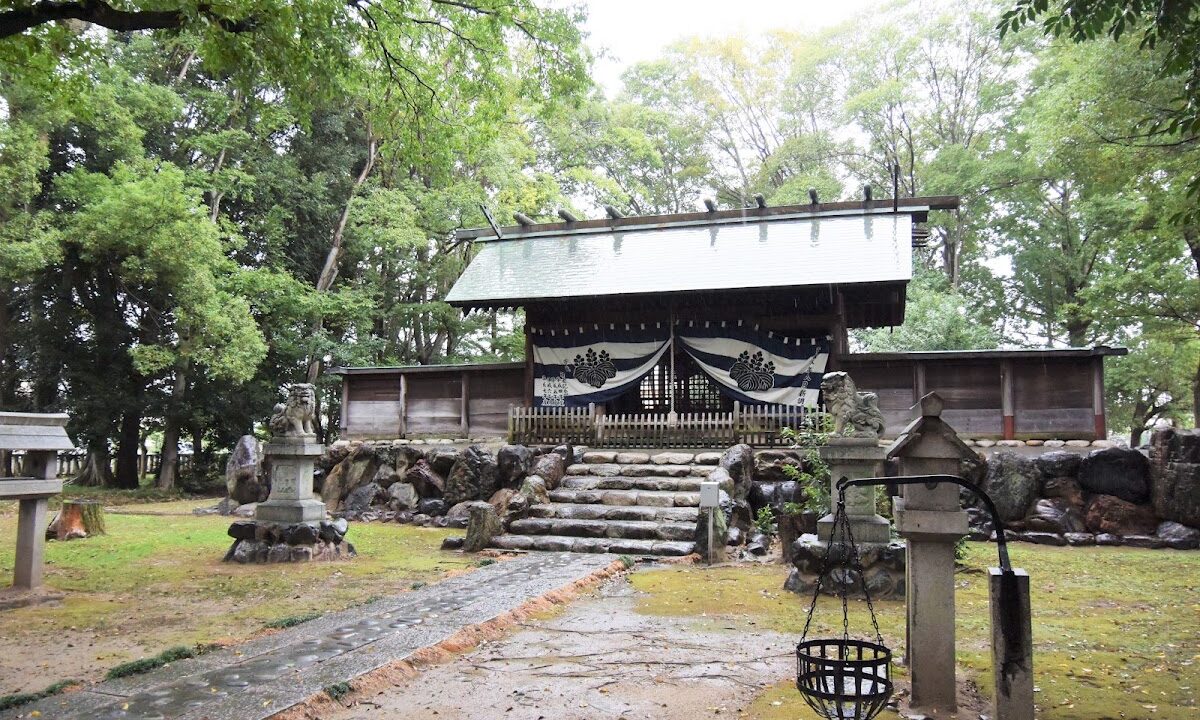
Takumi Shrine (Ichinomiya City, Aichi Prefecture) Complete Guide | History, Deities, Access, and Highlights Explained in Detail
Takumi Shrine, located in Nishi-Ōkaidō, Ichinomiya City, Aichi Prefecture, is a historically significant shrine listed in the Engishiki Jinmyōchō (a list of shrines compiled in the Heian period). This shrine, which has been worshipped in this area since ancient times and has a history deeply intertwined with the legend of Prince Takeda and Tenjin worship, will be introduced in detail, from access methods and highlights to information on Goshuin (shrine stamps).
Basic Information about Takumi Shrine
Location: 73 Nakayama, Nishi-Ōkaidō, Ichinomiya City, Aichi Prefecture
Deity Enshrined: Prince Takeda
Shrine Rank: Shikinaisha (Takumi Shrine, Niwa District, Owari Province)
Nearest Station: Approximately 41 minutes on foot (approx. 3.3 km) from Hotei Station on the Meitetsu Inuyama Line, approximately 44 minutes on foot (approx. 3.5 km) from Kōnan Station
Nearest Bus Stop: Approximately 1-2 minutes on foot from Takumi Shrine bus stop
Visiting Hours: Grounds are freely accessible (free of charge)
Takumi Shrine is located in the Takumi area, north of Aichi Prefectural Road 150 (Nagoya-Kōnan Line). The surrounding area is a quiet rural landscape, and the shrine has a calm atmosphere that evokes a sense of history.
History and Origins of Takumi Shrine
Status as a Shikinaisha Shrine
Takumi Shrine is a Shikinaisha shrine listed in the Engishiki Jinmyocho, compiled during the Heian period, as “Takumi Shrine, Niwa District, Owari Province.” A Shikinaisha is a shrine listed in the Engishiki Jinmyocho, completed in 927 AD, indicating its historical significance and recognition by the imperial court from that time.
While several Shikinaisha shrines existed in Niwa District, Owari Province, Takumi Shrine is one of the most important shrines that has long been a center of worship in this region.
“Tenjin no Mori” in the Edo Period
During the Edo period, Takumi Shrine declined for a time and was known as “Tenjin no Mori” (Tenjin’s Grove). The Honkoku Jinmyocho Shusetsu (Collection of Records of Shrines in Japan) records it as “Takumi no Tenjin, Junior Third Rank, Niwa District,” indicating its connection to Tenjin worship.
During this period, although the shrine buildings were in a state of disrepair, it continued to be worshipped as Tenjin-sama by the local people. Tenjin worship is the worship of Sugawara no Michizane, the god of learning, but in the case of Takumi Shrine, it is thought that the worship was syncretized with the original enshrined deity, Takeda no Ō.
The Legend of Takeda no Ō and the Site of His Residence
The enshrined deity of Takumi Shrine is said to be Takeda no Ō. Takeda no Ō was an ancient member of the imperial family, and there is a legend that he resided in this area. A stone monument marking the “Site of Takeda no Ō’s Residence” stands on the shrine grounds, commemorating the area’s connection to Takeda no Ō.
While there are various theories about who Takeda no Ō was, he is believed to have been a powerful member of the imperial family who was involved in the development and governance of this region. Takumi Shrine, by enshrining Takeda no Ō, has gathered worshippers as the guardian deity of the region.
Takumi Shrine in the Modern Era
Since the Meiji era, as the shrine system was being reformed, Takumi Shrine’s status as a Shikinaisha (a shrine listed in the Engishiki, an ancient Japanese legal text) was re-recognized, and improvements were made to the shrine buildings. Currently, it is a shrine visited by many worshippers as the local guardian shrine and a historical Shikinaisha.
How to Access Takumi Shrine
Access by Train
Using the Meitetsu Inuyama Line:
- Get off at Hotei Station, approximately 41 minutes on foot (approx. 3.3 km)
- Get off at Kōnan Station, approximately 44 minutes on foot (approx. 3.5 km)
The shrine is a considerable distance from the stations, so allow ample time if visiting on foot. It is recommended for a stroll while enjoying the rural scenery.
Access by Bus
The most convenient way to access the shrine is by bus.
The Takumi Shrine Bus Stop is very close, approximately 1-2 minutes on foot. Using the bus is recommended if visiting by public transport. It is recommended to check bus timetables and routes in advance.
Access by Car
Located along Aichi Prefectural Road 150 (Nagoya-Konan Line), it is accessible by car. While there is parking space around the shrine, it is recommended to check in advance for specific parking areas designated for visitors.
Car Navigation Settings:
- Address: 73 Nakayama, Nishi-Okaido, Ichinomiya City, Aichi Prefecture
- Landmark: Takumi Shrine bus stop, along Aichi Prefectural Road 150
Highlights of Takumi Shrine
Historic Grounds
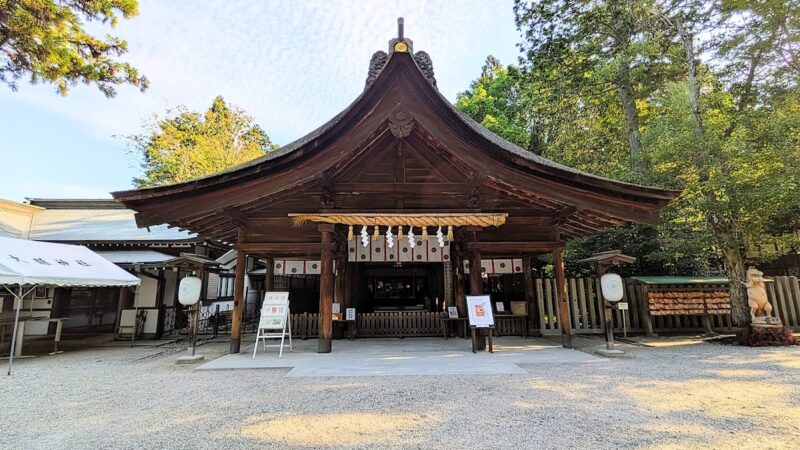
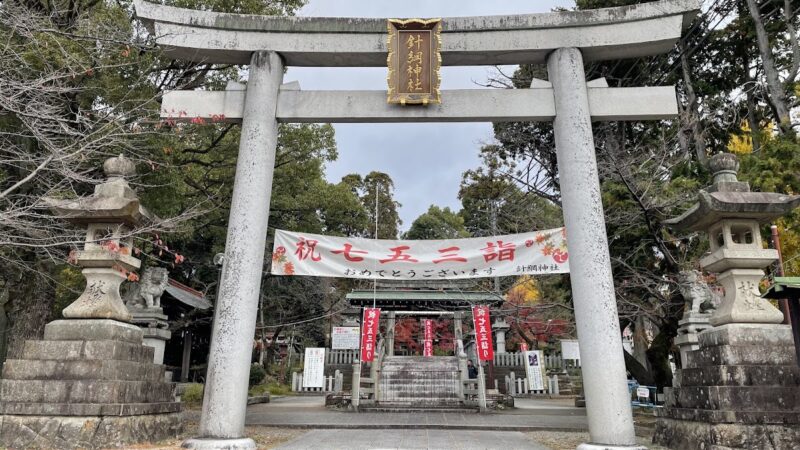
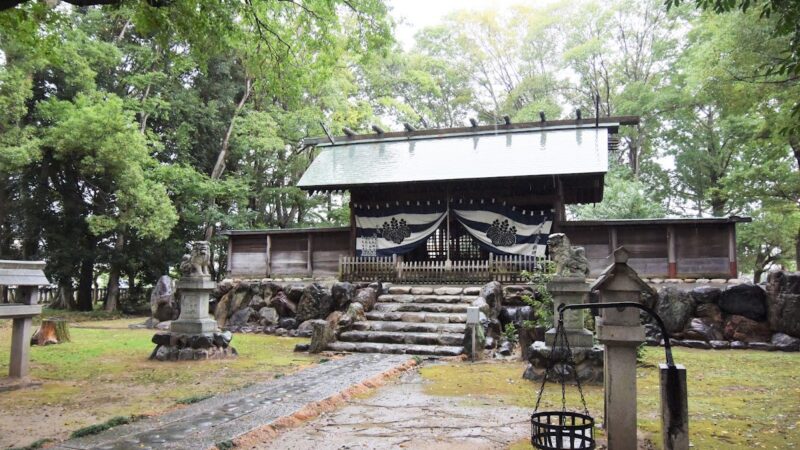
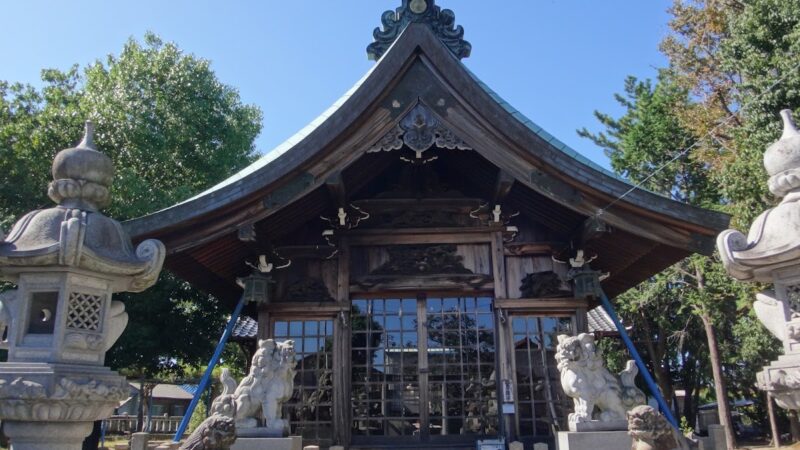
The grounds of Takumi Shrine are enveloped in a tranquil atmosphere that evokes a long history. While possessing the prestige of a Shikinaisha (a shrine listed in the Engishiki), it welcomes visitors as a friendly, community-rooted shrine.
The shrine buildings, though simple, are meticulously maintained, reflecting the deep faith of the local people.
Stone Monument at the Site of the Takeda King’s Residence
The stone monument marking the site of the Takeda King’s residence, located within the shrine grounds, is a valuable historical site demonstrating the historical importance of Takumi Shrine. This monument is crucial evidence that this area was the residence of the Takeda King in ancient times, making it a must-see for history-loving visitors.
The area around the monument is well-maintained, and photography is permitted. Visitors can feel the historical romance of ancient royalty living in this place while offering their prayers.
A Quiet and Peaceful Visiting Environment
Takumi Shrine is situated in a quiet environment surrounded by rural landscapes. Its greatest appeal lies in its peaceful atmosphere, away from the hustle and bustle of the city. Visiting early in the morning or on weekdays offers an even more tranquil setting to calm the mind.
You can also enjoy the changing scenery of nature throughout the seasons: the fresh greenery of spring, the deep green of summer, the vibrant autumn leaves, and the tranquility of winter.
Takumi Shrine offers a tranquil and peaceful environment, allowing visitors to appreciate the beauty of each season. ### Value as a Shikinaisha Shrine
There are approximately 3,000 Shikinaisha shrines listed in the Engishiki Jinmyocho (a list of shrines compiled in the Heian period) throughout Japan, but only a fraction of them continue to exist today. Takumi Shrine is a valuable shrine with a history dating back to the Heian period, attracting attention from shrine history researchers and history enthusiasts.
For those visiting Shikinaisha shrines, it is worth visiting as one of the important Shikinaisha shrines in Owari Province.
About Goshuin (Shrine Seals)
Regarding the issuance of Goshuin at Takumi Shrine, it is recommended to check in advance, as there may not be a permanently staffed shrine office. In the case of small shrines, the chief priest is often not permanently stationed, and prior contact may be necessary if you wish to receive a Goshuin.
Those visiting with the purpose of obtaining a Goshuin are advised to inquire with the Aichi Prefectural Shrine Association or nearby shrines, or to check information before actually visiting.
Manners and Precautions for Visiting Shrines
Basic Manners for Visiting Shrines
- Bow before the Torii Gate: The Torii gate is the entrance to the sacred area. Bow before passing through the torii gate.
- How to walk on the approach to the shrine: The center of the approach is considered the path of the gods. It is good manners to walk along the sides.
- Purification at the water basin: If there is a water basin, purify your hands and mouth before praying.
- Two bows, two claps, one bow: In front of the main hall, the basic etiquette is to bow twice, clap twice, and finally bow once.
Regarding photography
Photography is generally permitted on the shrine grounds, but please note the following:
- Be considerate of other worshippers.
- Permission may be required to photograph inside the shrine building.
- Remember that this is a sacred place and photograph with respect.
Free-to-enter shrine
Entry to the grounds of Takumi Shrine is free, and anyone can freely visit. There are no particular restrictions on visiting hours, but consideration for surrounding residents is necessary when visiting early in the morning or late at night. Please try to visit during reasonable hours.
Nearby Attractions and Shrines/Temples
Major Shrines in Ichinomiya City
Masumida Shrine: This is the principal shrine of Ichinomiya City and a highly prestigious shrine known as the Ichinomiya (first-ranked shrine) of Owari Province. It’s about a 15-minute drive from Takumi Shrine, and is a shrine you should definitely visit when you’re in Ichinomiya City.
Temples and Shrines in the Konan City Area
Takumi Shrine is located near the border between Ichinomiya City and Konan City, making it easy to visit temples and shrines in Konan City. Konan City has historical temples such as Mandara-ji Temple, which can be incorporated into your temple and shrine pilgrimage route.
Annual Events at Takumi Shrine
As it is a small shrine, large-scale festivals may not be held, but as the local guardian shrine, the following annual events are likely to be held:
- New Year’s Day Festival: A festival celebrating the New Year
- Spring Grand Festival: A festival offering thanks for the spring harvest
- Autumn Grand Festival: A festival giving thanks for the autumn harvest
For specific festival dates, it is recommended to check with local residents or the Aichi Prefectural Shrine Association.
How to Enjoy Visiting Takumi Shrine
As a Historical Exploration
Takumi Shrine is a very attractive shrine for those interested in ancient history and the study of Shikinaisha (shrines listed in the Engishiki). With its multi-layered history, including the legend of King Takeda, its inclusion in the Engishiki Jinmyocho (a list of shrines compiled in the Heian period), and its connection to Tenjin worship during the Edo period, this shrine is a valuable example for learning about the history of Japanese shrines.
Preparing by studying the Engishiki Jinmyocho and the history of Owari Province before visiting will allow you to understand the value of the shrine more deeply.
A Place for Quiet Time
Located in a rural area far from the hustle and bustle of the city, Takumi Shrine is an ideal place to find peace of mind. It’s recommended for those who want to escape the stresses of daily life and have time to quietly reflect on themselves.
You can take your time to pray and find inner peace in the tranquil atmosphere of the shrine grounds.
As Part of a Pilgrimage to Shikinaisha Shrines
Owari Province is home to many Shikinaisha shrines. A pilgrimage to these shrines, including Takumi Shrine, will be a fascinating trip for history buffs. Adding Takumi Shrine to a route visiting major Shikinaisha shrines in Owari Province, such as Masumida Shrine, Omiwa Shrine, and Haritsuna Shrine, will make for a more fulfilling shrine pilgrimage.
Useful Information for Visiting Takumi Shrine
Estimated Time Required
- Worship Only: 15-20 minutes
- Thorough Exploration of the Grounds: 30-40 minutes
- Including Photography: 40-60 minutes
Although it is a small shrine, a leisurely visit while understanding its historical background will provide a deeper experience.
Clothing and Items to Bring
- Clothing: No special attire is required, but clean clothing appropriate for visiting a shrine is desirable.
- Shoes: Some parts of the grounds are unpaved, so comfortable walking shoes are recommended.
- Items to Bring: Camera, Goshuincho (stamp book) (if desired), drinks (especially in summer)
Best Time to Visit
Takumi Shrine is open year-round, but each season has its own charm:
- Spring (March-May): Beautiful fresh greenery and pleasant weather.
- Summer (June-August): Lush greenery and a quiet atmosphere. Heat countermeasures are necessary.
- Autumn (September-November): The autumn foliage is beautiful, making it the perfect season for visiting the shrine.
- Winter (December-February): You can enjoy a tranquil visit in the crisp air.
Summary: The Charm of Takumi Shrine
Takumi Shrine, located in Ichinomiya City, Aichi Prefecture, is a prestigious shrine listed in the Engishiki Jinmyocho (a historical record of shrines), yet it is a friendly shrine deeply rooted in the local community. It boasts a multifaceted history, including the legend of King Takeda and the Tenjin faith of the Edo period, and has attracted the faith of the region since ancient times.
Its greatest appeal lies in its quiet environment, far removed from the hustle and bustle of the city, allowing for a peaceful visit. It’s a shrine that can be enjoyed in various ways: as a historical exploration, a place to calm the mind, or as part of a pilgrimage to shrines listed in the Engishiki.
While access by public transport is somewhat inconvenient, it’s very close, about a 1-2 minute walk from the Takumi Shrine bus stop, and easily accessible by car.
Why not add Takumi Shrine to your list of historical shrines in Aichi Prefecture? It’s a precious shrine where you can spend some peaceful time while feeling the history that has existed since ancient times.