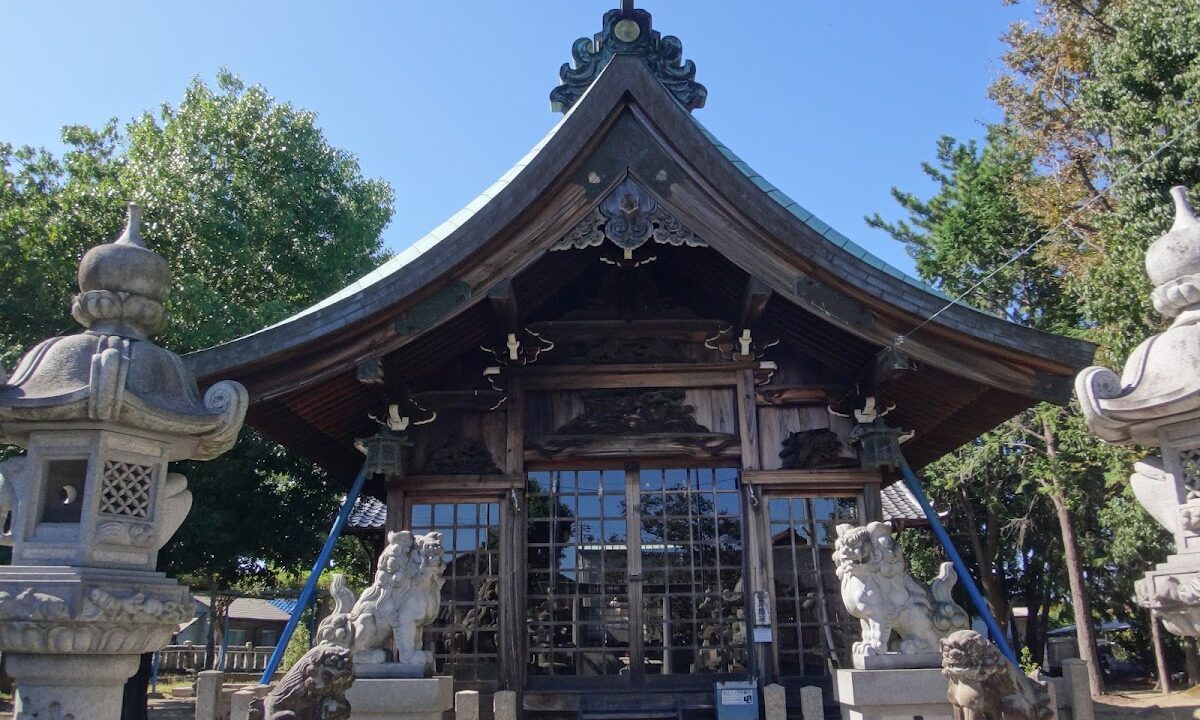
Niwa Shrine (Aichi Prefecture) Complete Guide: History, Blessings, Access, and Visiting Information
What is Niwa Shrine?
Niwa Shrine is a historic shrine located in Aichi Prefecture. It has been cherished and revered by the local people for centuries, and continues to attract many visitors today.
The name “Niwa” originates from an ancient place name in the region, making it a shrine deeply intertwined with the history of the land. The quiet grounds offer a tranquil atmosphere, far removed from the hustle and bustle of urban areas, and are known as a place where one can find peace of mind during worship.
History and Origins of Niwa Shrine
History of Founding
The exact founding date of Niwa Shrine is unknown due to the loss of old records, but according to local tradition, it is believed to have a history of several hundred years. It is thought to have been worshipped as a guardian deity of the land since the time when this region was settled.
In this region, which has historically been centered on agriculture, Niwa Shrine has served as a place to pray for abundant harvests and as a central hub for the local community.
From the Edo Period to the Modern Era
Records show that during the Edo period, the shrine buildings were repaired and maintained by local village headmen and influential figures. Even during the Meiji era’s separation of Shinto and Buddhism, it was preserved through the faith of the local people and has been passed down to the present day.
From the Showa to the Heisei period, the shrine grounds were developed in line with the region’s growth, resulting in its current appearance.
Deities and Benefits
Main Deity
The deity enshrined at Niwa Shrine is a god who has been worshipped as the guardian deity of the region since ancient times. Details about the specific deity can be found by referring to the shrine’s history and local documents.
Expected Benefits
Niwa Shrine is believed to offer the following benefits:
Abundant Harvest and Business Prosperity
As a shrine located in an agricultural area, prayers for abundant harvests have been offered here since ancient times. In modern times, many people also visit to pray for business prosperity.
Family Safety and Protection from Evil
As a guardian deity of the region, many worshippers visit to pray for the safety and health of their families. Prayers for protection from evil during unlucky years are also offered.
Regional Peace and Security
As a local deity, it plays a role in watching over the peace and development of the entire region.
Highlights of the Shrine Grounds
Main Hall and Worship Hall
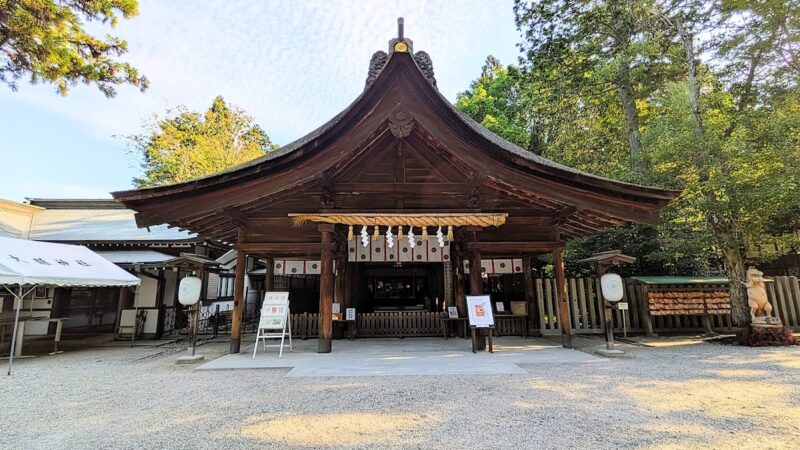
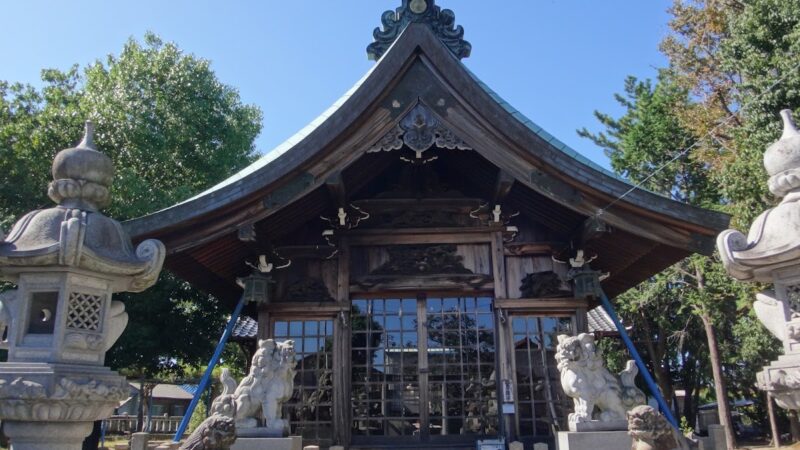
The main hall and worship hall of Niwa Shrine maintain the traditional style of shrine architecture. The warm, wooden buildings are regularly maintained and carefully preserved.
A donation box is placed in front of the worship hall, allowing worshippers to quietly offer their prayers.
Torii Gate and Approach
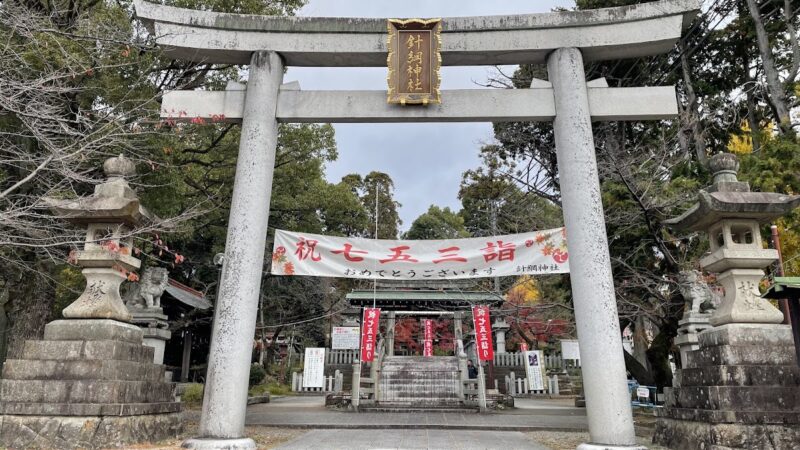
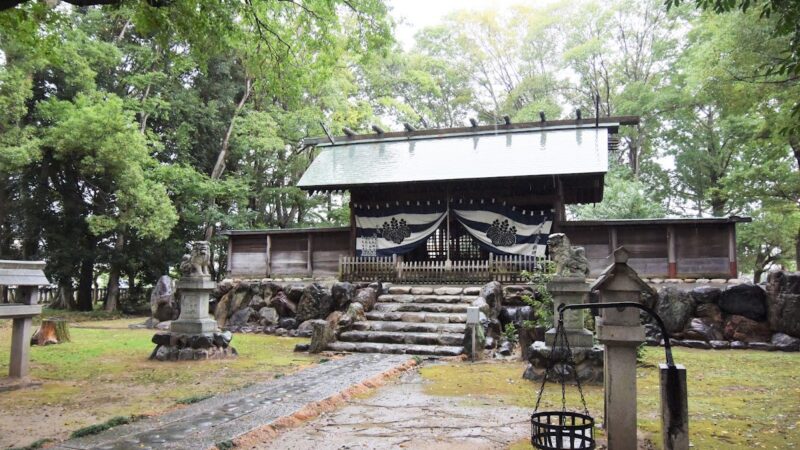
A torii gate stands at the entrance of the shrine, and a path leads from there to the main hall. Walking along the path, you can gradually experience the feeling of entering a sacred space.
Subsidiary Shrines
Several subsidiary shrines (sessha/massha) may be enshrined around the main hall. Each of these small shrines embodies its own unique beliefs.
Sacred Trees and Nature
The shrine grounds are lined with ancient trees, allowing visitors to appreciate the beauty of nature throughout the seasons. Especially large sacred trees are believed to possess sacred power and attract the attention of worshippers.
Annual Events and Festivals
Annual Grand Festival
At Niwa Shrine, an annual grand festival is held. During this festival, a portable shrine is carried, and local people gather to perform Shinto rituals. The specific dates are determined by the shrine and local customs.
First Shrine Visit of the New Year
The shrine is bustling with visitors making their first shrine visit of the year. Local people visit to pray for safety and prosperity in the new year, continuing the tradition of welcoming the year’s beginning at the shrine.
Other Annual Events
- Setsubun Festival: An event including bean-throwing, held the day before the beginning of spring.
- Natsukoshi no Harae: A Shinto ritual held at the end of June to purify oneself of the impurities accumulated over the past six months.
- Shichi-Go-San: In November, Shichi-Go-San celebrations are held to commemorate the growth of children.
- Monthly Festival: Regular festivals held on fixed days each month.
Etiquette and Manners for Visiting the Shrine
Basic Etiquette for Visiting the Shrine
When visiting Niwa Shrine, please observe the following etiquette:
- Bow before passing through the torii gate: As a sign of respect before entering the sacred area, bow before the torii gate.
- Walking along the approach: The center of the approach is considered the path of the gods, so it is preferable to walk along the sides.
- Purify yourself at the water basin: If there is a water basin, purify your hands and mouth before praying.
- Worship at the Main Hall: Worship using the two bows, two claps, and one bow ritual.
Ritual of Washing Hands
- Take the ladle with your right hand and wash your left hand.
- Switch the ladle to your left hand and wash your right hand.
- Take the ladle back into your right hand, receive water in your left hand, and rinse your mouth.
- Wash your left hand once more.
- Hold the ladle upright, wash the handle with the remaining water, and return it to its original place.
Points to Note During Worship
- Be Quiet: Please refrain from speaking loudly on the shrine grounds and remain quiet.
- Photography: Please be aware that photography is prohibited in some areas, such as inside the main hall.
- Attire: Avoid overly casual clothing and wear clean attire when visiting.
- Pets: Some shrines prohibit bringing pets.
Access Information
Location
Niwa Shrine is located in Aichi Prefecture. For specific addresses, we recommend checking the latest information on the shrine’s official website or local tourist guides.
Access by Public Transportation
Using Trains and Buses
You can access the shrine on foot from the nearest station or by bus. Checking local public transportation timetables in advance is helpful. Especially during festivals and New Year’s visits, extra buses may be operated.
Access by Car
Using a Car
The shrine is accessible from major roads within Aichi Prefecture. Entering the shrine’s name into your car’s navigation system will guide you along the route.
Parking
Parking for visitors may be available on the shrine grounds or nearby. However, during peak seasons such as the annual festival and New Year’s visits, parking may be full, so consider using public transportation.
Nearby Attractions and Tourist Spots
Local Historical Sites
There are several historical temples, shrines, and historical sites scattered around Niwa Shrine. Enjoying a historical walk in the area in conjunction with your shrine visit is highly recommended.
Nature & Parks
Aichi Prefecture boasts numerous parks and walking trails where you can enjoy abundant nature. You can appreciate the changing seasons before or after visiting shrines.
Local Specialties & Cuisine
After visiting a shrine, enjoying local specialties and regional cuisine is another pleasure of travel. You can savor local delicacies such as Aichi Prefecture’s unique miso dishes and kishimen noodles.
About Goshuin (Shrine Seals) & Other Items
Goshuin (Shrine Seals)
Some shrines offer goshuin. Goshuin are popular among visitors as proof of their visit and as a memento of their trip.
When receiving a Goshuin (temple/shrine stamp), please note the following:
- Complete your prayers first before receiving the Goshuin.
- Bring your Goshuincho (stamp book) with you (they may be available for purchase at the shrine).
- Prepare a donation (typically 300-500 yen).
- Goshuin may not be given if the chief priest or other Shinto priest is absent.
Amulets and Lucky Charms
Shrines often offer various amulets and lucky charms:
- Traffic Safety Amulet: Praying for safety in cars and motorcycles.
- Academic Success Amulet: Wishing for success in exams and academics.
- Health Amulet: Praying for the health of family members.
- Exorcism Amulet: Warding off evil during unlucky years.
- Business Prosperity Amulet: Wishing for business development.
Connection with the Community
Center of the Local Community
Niwa Shrine has played a central role in the local community, not just as a place of worship. Through festivals and events, the shrine serves as a place for local people to gather and interact.
Parishioner Organization
The shrine’s maintenance and festival management are carried out by the local parishioners (people who believe in and support the shrine). This traditional organization also plays a role in strengthening community bonds.
Participation in Local Events
The shrine is deeply connected to various local events. The shrine often plays an important role in local festivals and events.
Recommended Time to Visit
Spring (March-May)
Spring is a beautiful season when the trees on the shrine grounds bud, and the fresh greenery is stunning. If cherry trees are planted, you can enjoy cherry blossom viewing while visiting. The weather is mild, making it an ideal time for a stroll.
Summer (June-August)
Summer is a season when many festivals, such as the annual grand festival, are held. While it’s a time to feel the vitality of the community, heat precautions are essential. The shrine grounds, with their many shady spots, can sometimes feel cooler than in urban areas.
Autumn (September-November)
Autumn is the perfect season for visiting the shrine, with its beautiful autumn foliage and pleasant weather. During the Shichi-Go-San (7-5-3) festival, you might see children in their festive attire.
Winter (December-February)
Winter sees many visitors for Hatsumode (first shrine visit of the year). While the cold is intense, visiting the shrine in the crisp, clear air offers a special charm.
The Charm of Niwa Shrine
A Faith Rooted in the Community
The greatest charm of Niwa Shrine lies in its deep roots in the local community. Unlike large-scale tourist shrines, it possesses a simple and warm atmosphere, closely intertwined with the lives of the local people.
A Quiet Worship Environment
Another charm is the quiet environment, away from the hustle and bustle of urban areas, allowing for a peaceful and calm worship experience. It’s especially recommended for those who want to avoid crowds and worship at their own pace.
Inheriting History and Tradition
As a shrine with a long history, it plays a role in passing on the traditions and culture of the region to the present day. By visiting, you can experience the history and culture of the land.
Voices of Visitors
Voices of Local Residents
For people born and raised in this area, Niwa Shrine is a special place they have been familiar with since childhood. It holds many memories as a shrine visited at important life events such as a baby’s first shrine visit, Shichi-Go-San (a traditional rite of passage for children), and coming-of-age ceremonies.
Visitor Impressions
Visitors from other regions often comment on the “quiet and peaceful atmosphere” and the “warmth of the local people.” Its simple charm, unlike large tourist shrines, is highly appreciated.
The Significance of Shrine Visits
As a Place of Spiritual Support
Shrines have long served as a place of spiritual support for people. By leaving the hustle and bustle of daily life and quietly offering prayers, one can calm their mind and gain the strength to face each day with a renewed spirit.
Cultivating a Sense of Gratitude
Through visiting a shrine, you can cultivate a sense of gratitude for your daily life. It provides an opportunity to reaffirm your appreciation for things that may seem taken for granted, such as a bountiful harvest and family safety.
Understanding Local Culture
Visiting a shrine is also a good opportunity to understand the history and culture of the area. By learning about the different forms of faith and festivals in each region, you can learn about the diverse culture of Japan.
Summary
Niwa Shrine, a historic shrine located in Aichi Prefecture, has long been cherished by the local people. Many worshippers visit today seeking blessings for a bountiful harvest, family safety, and other blessings.
Unlike large-scale tourist shrines, its charm lies in its simple and warm atmosphere rooted in the local community. The quiet grounds, where you can pray with peace of mind, provide a precious healing space in modern society.
When you visit Aichi Prefecture, be sure to visit Niwa Shrine. You will be able to experience the history and culture of the region and spend a peaceful time there. When visiting the shrine, please observe basic etiquette and manners, and approach the deities with respect.
Shrines are treasures of the community and a spiritual haven for the people. We hope that Niwa Shrine will continue to be protected for many years to come, together with the people of the community.