Katsushika Hachimangu Shrine (Ichikawa City, Chiba Prefecture) Complete Guide | History, Goshuin (Shrine Seals), Senbon Icho (Thousand Ginkgo Trees), and Highlights of the Grounds
Located in Yawata, Ichikawa City, Chiba Prefecture, Katsushika Hachimangu Shrine is a venerable shrine boasting a history of over a thousand years, founded during the Heian period as the guardian shrine of Shimosa Province. It possesses numerous cultural assets, including the nationally designated natural monument, the Senbon Icho (Thousand Ginkgo Trees), and has been deeply revered by historical figures such as Minamoto no Yoritomo and Tokugawa Ieyasu. This article provides a detailed explanation of everything you need to know before visiting, from the history of Katsushika Hachimangu Shrine and its highlights, to information on goshuin (shrine seals) and access methods.
What is Katsushika Hachimangu Shrine? | History and Overview of the Guardian Shrine of Shimosa Province
Katsushika Hachimangu Shrine is one of the Hachimangu shrines located at 4-2-1 Yawata, Ichikawa City, Chiba Prefecture, and its former shrine rank was Prefectural Shrine. Many people might associate the name “Katsushika” with Katsushika Ward in Tokyo, but it is actually located in Ichikawa City, Chiba Prefecture. This is due to the historical fact that this area was once called “Katsushika County.”
Deities Enshrined
Katsushika Hachimangu Shrine enshrines three deities:
- Honda-wake no Mikoto: The divine spirit of Emperor Ojin, the ancestor of education and the guardian deity of industry and prosperity
- Okinagatarashihime no Mikoto: The divine spirit of Empress Jingu, the goddess of military fortune and safe childbirth
- Tamayorihime no Mikoto: The goddess of child-rearing
These deities are known for their wide-ranging blessings, including military fortune, safe childbirth, child-rearing, education, and industrial development.
The Prestige of the Grand Guardian Shrine of Shimosa Province
Katsushika Hachimangu Shrine has long been revered as the grand guardian shrine of Shimosa Province (present-day northern Chiba Prefecture to southwestern Ibaraki Prefecture), serving as the protector of the entire region. A grand guardian shrine refers to the most prestigious shrine protecting an entire region, playing a vital role as a spiritual pillar for the local people.
History of Katsushika Hachimangu Shrine | From the Heian Period to the Present
Origins of its Founding
It is said that Katsushika Hachimangu Shrine was founded during the Kanpyo era of the Heian period (889-898), when Emperor Uda requested the enshrinement of a divided spirit from Iwashimizu Hachimangu Shrine in Kyoto. This history, founded by Emperor Uda’s request, speaks to the high status of this shrine.
Iwashimizu Hachimangu Shrine, located in Yawata City, Kyoto Prefecture, is one of Japan’s three great Hachimangu shrines and is known as the guardian deity of samurai families, including the Seiwa Genji clan. Katsushika Hachimangu Shrine, which enshrined a divided spirit of the deity, also possessed the characteristics of a war god from its founding.
Faith of Warlords
Katsushika Hachimangu Shrine has attracted the deep faith of many warlords throughout its history.
Taira no Masakado: Records show that Taira no Masakado, a warlord of the mid-Heian period, offered prayers at the shrine. Masakado was active in Shimosa Province, and his reverence for Katsushika Hachimangu Shrine, a powerful local shrine, was natural.
Minamoto no Yoritomo: Minamoto no Yoritomo, who founded the Kamakura Shogunate, had a deep faith in Hachiman, the guardian deity of the Minamoto clan, and is said to have renovated the shrine buildings of Katsushika Hachimangu Shrine. Yoritomo generously protected Hachimangu shrines throughout the country, making them symbols of the legitimacy of the samurai government.
Ota Dokan: Ota Dokan, a warlord of the late Muromachi period and known as the builder of Edo Castle, restored the shrine buildings of Katsushika Hachimangu Shrine. Dokan was known as a warrior skilled in both military and literary arts, and was also known to have a deep reverence for Shinto shrines and Buddhist temples.
Tokugawa Ieyasu: Tokugawa Ieyasu, who founded the Edo Shogunate, donated 52 koku of land to Katsushika Hachimangu Shrine as a shuinchi (land granted by the shogunate). This donation allowed Katsushika Hachimangu Shrine to have a stable economic base throughout the Edo period.
Remnants of Shinto-Buddhist Syncretism
Within the grounds of Katsushika Hachimangu Shrine, cultural artifacts remain that show remnants of the era of Shinto-Buddhist syncretism. Particularly noteworthy is the presence of the bell tower (temple bell). Before the Meiji-era separation of Shinto and Buddhism, many shrines exhibited a form of worship that fused Shinto and Buddhism. The temple bell of Katsushika Hachimangu Shrine is a valuable cultural artifact that conveys this history to the present day.
Highlights and Cultural Assets within the Shrine Grounds
Senbon Ginkgo Tree (National Natural Monument)
A must-see when visiting Katsushika Hachimangu Shrine is the “Senbon Ginkgo Tree,” a nationally designated natural monument. This gigantic ginkgo tree is said to be over 1200 years old, with a trunk circumference of approximately 10 meters and a height of approximately 25 meters.
The name “Senbon Ginkgo Tree” comes from the countless aerial roots (aerial roots) that hang down from the main trunk, making it appear as if there are a thousand trunks. These aerial roots are a characteristic of ancient ginkgo trees, and when they reach the ground, they grow like new trunks.
In autumn, this magnificent ginkgo tree turns a magnificent golden color, attracting many worshippers and photography enthusiasts. During the autumn foliage season (mid-November to early December), the entire shrine grounds are covered with yellow fallen leaves, creating a fantastical landscape.
Zuishinmon Gate (City-Designated Cultural Property)
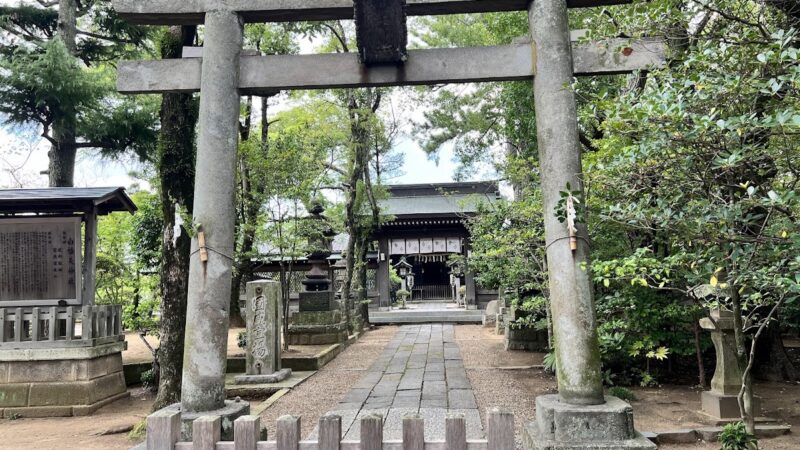
The Zuishinmon Gate, which appears as you proceed along the approach to the shrine, is a valuable architectural structure designated as a cultural property of Ichikawa City. A Zuishinmon Gate is a gate of a shrine with guardian deities (Zuijin) placed on either side of the main gate. The Zuishinmon Gate of Katsushika Hachimangu Shrine preserves the architectural style of the Edo period.
The beautiful vermilion-painted gate serves as an important boundary, guiding worshippers into the sacred area. When passing through the gate, be sure to pay attention to the guardian deity statues.
Temple Bell (City-Designated Cultural Property)
The temple bell located within the shrine grounds is a valuable cultural property that shows the remnants of the era of syncretism of Shinto and Buddhism, and is designated as a cultural property of Ichikawa City. The presence of a temple bell at a shrine is rare in modern times, making it an important resource for understanding the forms of worship before the Edo period.
This bell indicates that there was once a temple called “Hachiman-san Hozenji” that served as the shrine’s administrator, telling the story of a history where the shrine and temple were united in attracting worship.
Main Shrine and Worship Hall
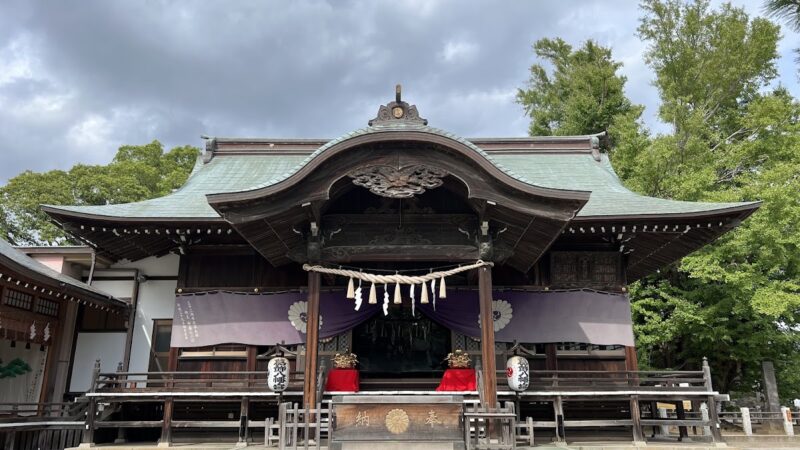
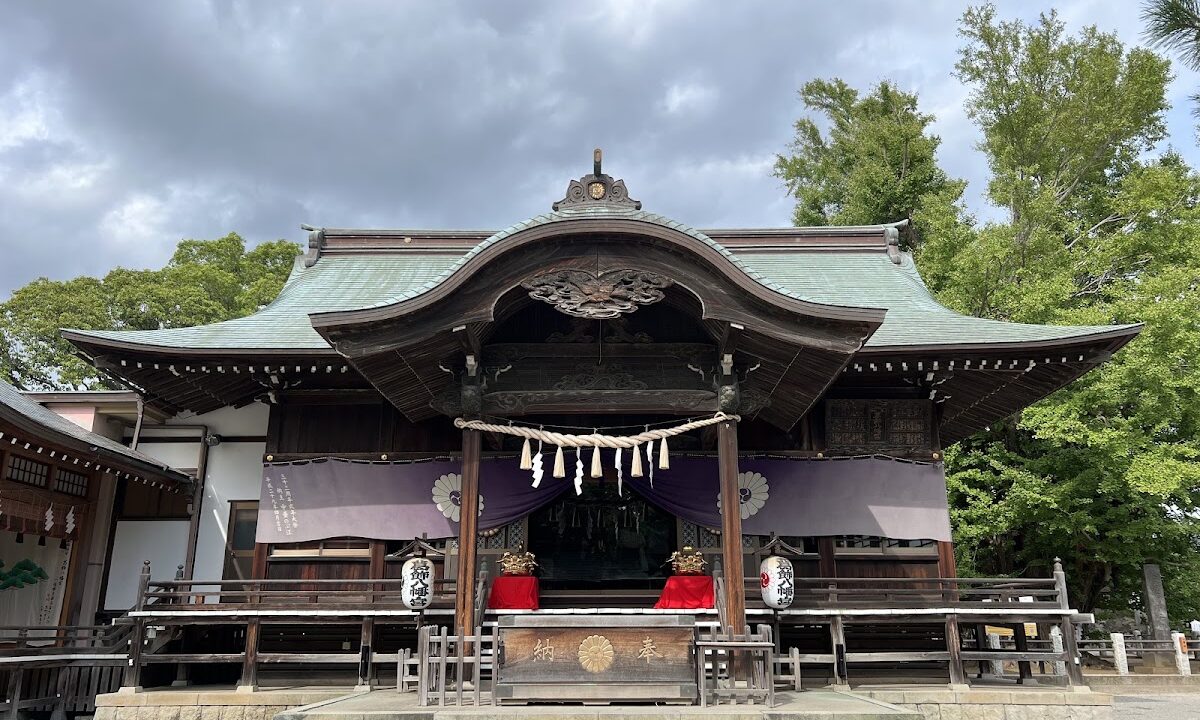
The current main shrine is a magnificent building that follows the traditional style of shrine architecture. The worship hall is where daily prayers and rituals are performed, and it is visited by many worshippers. Paying attention to the architectural style and carvings of the main shrine reveals the high level of skill of the craftsmen.
Other Shrine Facilities
The shrine grounds include facilities such as a purification fountain, a shrine office, and a gift shop. The vast grounds are enveloped in a tranquil atmosphere, providing a peaceful space despite being in an urban area.
Goshuin (Shrine Seal) Information
Issuance of Goshuin
At Katsushika Hachimangu Shrine, you can receive a goshuin as proof of your visit. Goshuin are issued at the gift shop in the shrine office. In addition to the regular goshuin, special goshuin corresponding to the season or festivals are sometimes issued.
The goshuin will have the words “Katsushika Hachimangu” written in ink and stamped with the shrine’s seal. The Goshuin (temple/shrine stamp), written with powerful brushstrokes, is a popular memento for many visitors.
Goshuincho (Stamp Book)
Original Goshuincho are also available, featuring designs unique to Katsushika Hachimangu Shrine. Recommended for those starting their Goshuin pilgrimage for the first time.
Issuance Hours
Goshuin are usually issued from 9:00 AM to around 4:00 PM, but this may change due to festivals and events. To ensure you receive a Goshuin, it is recommended to check the official website or call in advance.
Annual Events and Festivals
Reitaisai (Grand Festival) (September 15th-20th)
The most important festival at Katsushika Hachimangu Shrine is the Reitaisai, held annually from September 15th to 20th. During this period, a traditional farming tools market is held on the shrine grounds, with many stalls lining the streets.
The farming tools market is also known as the “Boro-ichi” (rag market), and various items are sold, including not only farming tools but also plants, antiques, and daily necessities. This event is a traditional one that has continued since the Edo period and is a symbol of autumn for the local people.
Other Annual Events
- Hatsumode (January 1st-3rd): The shrine is bustling with many worshippers as the new year begins.
- Setsubun Festival (around February 3rd): Traditional events such as bean-throwing are held.
- Shichi-Go-San (November): Worshipers celebrate the growth of children.
- Year-End Grand Purification Ceremony (December 31st): A Shinto ritual is performed to purify the impurities of the past year.
For detailed dates and information on these events, we recommend checking the official website for the latest updates.
Access Methods
Access by Train
Katsushika Hachimangu Shrine is easily accessible by public transportation.
From Keisei Electric Railway Main Line “Keisei Yawata Station”: Approximately 5 minutes on foot (nearest station)
- Exit the north exit of Keisei Yawata Station and proceed along the road beside the railway tracks to reach the entrance to the shrine grounds.
- Cross the railway crossing and proceed along the shrine grounds to see the Zuishinmon Gate.
From JR Sobu Line “Motoyawata Station”: Approximately 10 minutes on foot
- Exit the north exit and head towards National Route 14 (Chiba Kaido).
- Cross the Keisei Electric Railway tracks and follow the signs.
From Toei Subway Shinjuku Line “Motoyawata Station”: Approximately 10 minutes on foot
- Accessible via the same route as JR Motoyawata Station.
Access by Car
From National Route 14 (Chiba Kaido):
- Follow the signs from near the “Yawata” intersection.
- There is parking space for visitors on the shrine grounds, but the number of spaces is limited, so it may be crowded during festivals and on weekends.
- During peak seasons such as New Year’s Day and the annual festival, we recommend using public transportation.
Address and Contact Information
- Address: 4-2-1 Yawata, Ichikawa City, Chiba Prefecture 272-0021
- Phone: 047-332-4488 (Main)
- Official Website: https://www.katsushikahachimangu.com/
Nearby Attractions and Tourist Information
Ichikawa City Tourist Spots
When visiting Katsushika Hachimangu Shrine, we recommend also visiting nearby tourist spots.
Ichikawa City Zoological and Botanical Garden:
This zoological and botanical garden is rich in nature and you can see popular animals such as red pandas and capybaras. It’s a recommended spot for families.
Satomi Park:
This park along the Edogawa River is known as a famous cherry blossom viewing spot. In spring, approximately 260 cherry trees bloom, attracting many visitors.
Nakayama Hokkeji Temple:
A major head temple of the Nichiren sect, it boasts numerous buildings designated as Important Cultural Properties. Recommended for those interested in history and culture.
Gourmet Information
A variety of restaurants are concentrated around Motoyawata Station. For meals after visiting the temple, there are plenty of options, including popular local ramen shops, izakayas (Japanese pubs), and cafes.
Manners and Precautions for Visiting a Temple
Basic Manners for Visiting a Temple
- When passing through the torii gate: Bow before entering the temple grounds.
- How to walk on the approach: The center of the approach is considered the path of the gods, so walk along the sides.
- How to purify your hands and mouth: Cleanse your hands and mouth at the purification fountain before praying.
- How to bow: Two bows, two claps, and one bow is the basic method.
Photography
Photography is generally permitted on the temple grounds, but photography inside the main hall or during festivals may be restricted. Please be considerate of other visitors. The Senbon Ginkgo Trees are a popular photo spot, but please be considerate of others and share the space when it’s crowded.
Regarding Attire
For regular visits, no special attire is required, but it’s advisable to dress appropriately for a sacred place. If you are receiving a prayer, please dress in a way that isn’t too casual.
Summary of Katsushika Hachimangu Shrine’s Charms
Katsushika Hachimangu Shrine, with its history spanning over a thousand years, has attracted the faith of many as the guardian shrine of Shimosa Province. It’s a shrine rich in attractions, including cultural assets such as the nationally designated natural monument, the Senbon Ginkgo Trees, a history of reverence from samurai warriors, and traditional events that continue to this day.
With good access from central Tokyo, and located in the urban area of Yawata, Ichikawa City, stepping onto the shrine grounds envelops you in a tranquil atmosphere. It’s a shrine recommended for a wide range of people, from history buffs and those collecting Goshuin (shrine stamps) to those seeking power spots and those who want to enjoy beautiful nature.
Especially during the autumn foliage season, the golden colors of the thousand ginkgo trees are breathtaking. Furthermore, the annual festival in September features a traditional farming tools market, offering a glimpse into a culture that has continued since the Edo period.
When visiting Chiba Prefecture, be sure to pay your respects at Katsushika Hachimangu Shrine and experience its history, culture, and natural beauty. It’s sure to be a memorable experience.