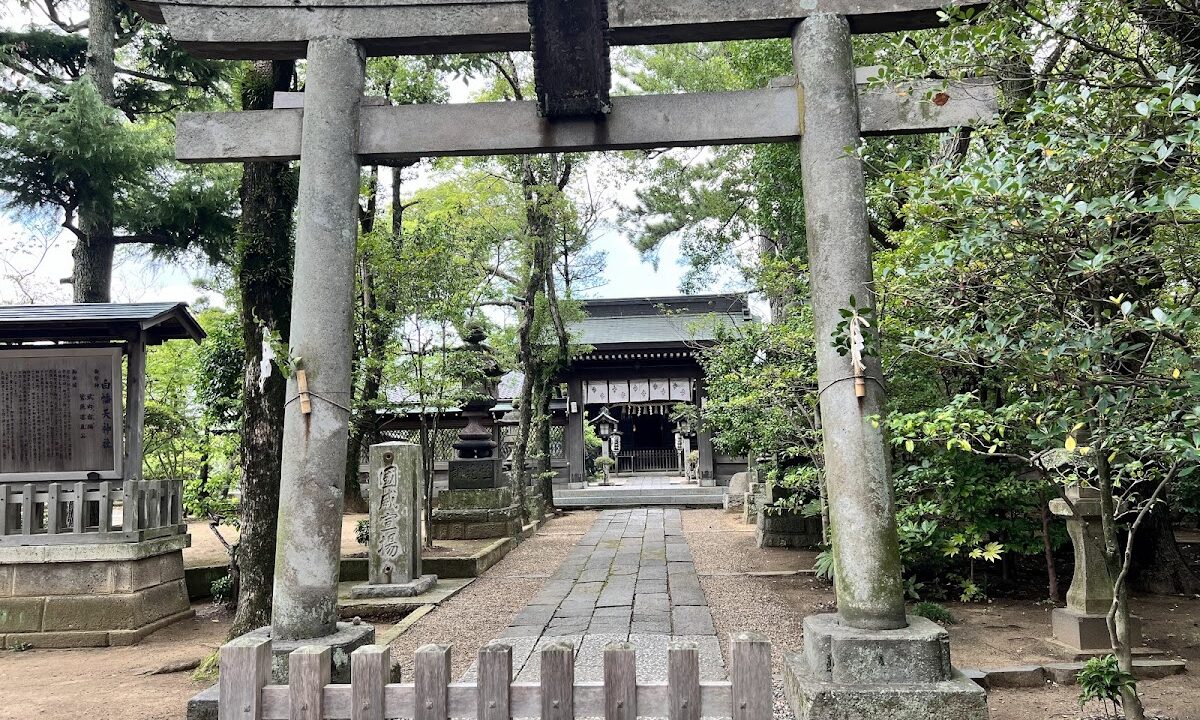
Shirahata Tenjin Shrine (Ichikawa City, Chiba Prefecture) Complete Guide | The Charm of the Shrine Grounds Loved by Literary Masters and its Connection to Minamoto no Yoritomo
Shirahata Tenjin Shrine, located in Sugano, Ichikawa City, Chiba Prefecture, is a historic shrine dedicated to the legend of Minamoto no Yoritomo’s uprising and to Sugawara no Michizane, the god of learning. Its vast grounds, spanning approximately 2,000 tsubo (about 6,600 square meters), are filled with flowers throughout the seasons and have been cherished by literary giants such as Nagai Kafu and Koda Rohan. This article comprehensively introduces information you should know before visiting Shirahata Tenjin Shrine, including its history, enshrined deities, highlights, annual events, goshuin (shrine stamps), and access methods.
History of Shirahata Tenjin Shrine and the Origin of its Name
The Legend of Minamoto no Yoritomo and the White Flag
The history of Shirahata Tenjin Shrine dates back to the late Heian period, specifically to the 4th year of Jisho (1180). After his defeat at the Battle of Ishibashiyama, Minamoto no Yoritomo fled to Awa Province (present-day southern Chiba Prefecture). When he set out to rebuild his forces and head towards the provincial capital of Shimosa Province (present-day Kōnodai, Ichikawa City), he established a camp in this Sugano area. It is said that the shrine’s name, “Shirahata-gū,” originates from the white flag he raised there, a symbol of the Minamoto clan.
This legend represents a crucial moment in the process by which Minamoto no Yoritomo gathered support from the Kanto samurai and established the Kamakura Shogunate. Shirahata Tenjin Shrine is therefore deeply connected to the history of the eastern samurai.
Construction of the Shrine by Ōta Dōkan
During the Muromachi period, Ōta Dōkan, known for constructing Edo Castle, is said to have built the shrine’s main hall. Dōkan was a powerful warrior who ruled Musashi Province, and this suggests he considered Shirahata Tenjin Shrine important as a center of faith in the region.
Records show that the main shrine was rebuilt in 1584, during the reign of Emperor Ogimachi, indicating that it attracted local devotion throughout the Sengoku period (Warring States period).
Enshrinement of Sugawara no Michizane and Changes in the Shrine’s Name
From its founding until the early Meiji period, the enshrined deity of Shirahata Tenjin Shrine was Takenouchi no Sukune. Takenouchi no Sukune is a legendary loyal retainer appearing in Japanese mythology and is worshipped as a god of longevity and military fortune.
In 1871 (Meiji 4), Sugawara no Michizane, known as the god of learning, was enshrined alongside the main deity, and the character “Ten” (天) was added to the shrine’s name, resulting in the name “Shirahata Tenjin Shrine.” This gave the shrine the characteristics of a shrine that presides over both military fortune and academic success.
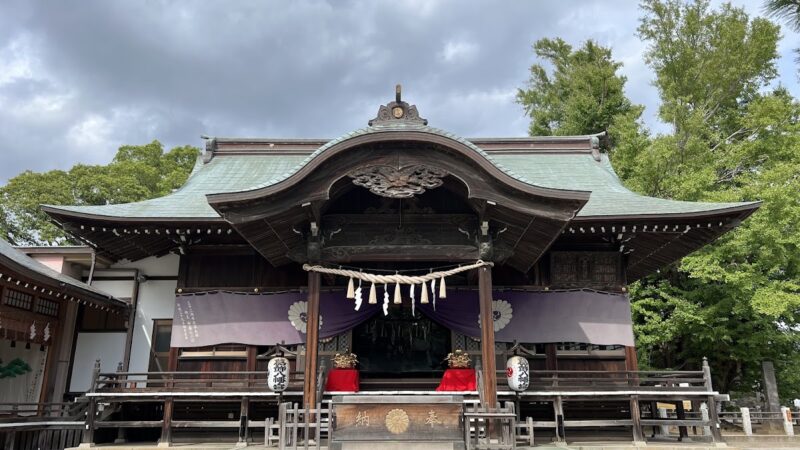
The current main shrine was built in 1880 (Meiji 13), and the worship hall and offering hall were built in 1961 (Showa 36).
Deities and Blessings
Three deities are enshrined at Shirahata Tenjin Shrine.
Takenouchi no Sukune
Takenouchi no Sukune, the principal deity, is a legendary loyal retainer said to have served five emperors, from Emperor Keiko to Emperor Nintoku. Due to legend that he lived for over 300 years, he is worshipped as a god of longevity, good health, and extended life. He has also been revered as a god of military fortune and national peace.
Sugawara no Michizane
Sugawara no Michizane, a scholar and politician of the Heian period, is enshrined at Tenjin shrines throughout Japan as a god of learning and literature. Many worshippers visit Shirahata Tenjin Shrine seeking academic success, passing exams, and academic advancement.
Emperor Ojin
Emperor Ojin, the 15th emperor, is worshipped as Hachiman, a god of military fortune and victory. Because the Minamoto clan worshipped Hachiman as their tutelary deity, the enshrined deity has deep ties to Minamoto no Yoritomo.
Due to these enshrined deities, Shirahata Tenjin Shrine is believed to offer a variety of blessings, including academic success, passing exams, military fortune, health and longevity, family safety, and protection from evil.
Highlights of the Shrine Grounds
Shrine Plaque Calligraphed by Katsu Kaishu
The shrine plaque displayed in the main hall was calligraphed by Katsu Kaishu, a hero of the late Edo period. Katsu Kaishu played an active role as the naval commissioner of the Edo shogunate and is known for achieving the bloodless surrender of Edo Castle. This plaque is a valuable cultural asset that enhances the historical value of Shirahata Tenjin Shrine.
Literary Monuments Associated with Literary Figures
Within the grounds of Shirahata Tenjin Shrine, there are monuments commemorating two famous literary figures.
Nagai Kafu’s Literary Monument
Nagai Kafu, a writer active from the Taisho to Showa periods, spent his later years in Ichikawa City. Kafu frequently visited Shirahata Tenjin Shrine, recording his visits in his diary, *Danchotei Nichijo*. You can recall Kafu’s footsteps, appreciating the tranquil atmosphere of the shrine grounds and the seasonal flowers.
Koda Rohan’s Memorial Monument
Koda Rohan, a literary giant active from the Meiji to Showa periods, also had ties to Ichikawa City and a connection to Shirahata Tenjin Shrine. A memorial monument to Rohan has also been erected on the shrine grounds, demonstrating Shirahata Tenjin Shrine’s place in literary history.
These literary monuments tell the story of Shirahata Tenjin Shrine not merely as a place of worship, but also as a spiritual haven for cultural figures.
Seasonal Flowers
The vast shrine grounds, spanning approximately 2,000 tsubo (about 6,600 square meters), are filled with a variety of flowers throughout the year.
Seasonal Flowers
The vast grounds, approximately 2,000 tsubo (about 6,600 square meters), are adorned with a variety of flowers throughout the year. – Spring (February-April): Plum blossoms, cherry blossoms, camellias, azaleas, satsuki azaleas
- Summer (May-August): Lilies
- Autumn (September-November): Bush clover, spider lilies
- Winter (December-January): Sasanqua camellias
The plum and cherry blossom seasons in spring are particularly magnificent. As Nagai Kafu wrote, “You can enjoy a variety of plum blossoms,” many varieties of plum blossoms adorn the temple grounds. Away from the hustle and bustle of the city, it is a healing space where you can feel the changing seasons, and is beloved not only by local residents but also by visitors from afar.
Park Facilities on the Temple Grounds
In one corner of the temple grounds, under the shade of large trees, there is a small park. It is maintained as a place where children can interact with the soil and nature, making it suitable for family visits. In Ichikawa City, which is undergoing urbanization, it is a valuable space to connect with nature.
Annual Events and Festivals
Hana Matsuri (Flower Festival)
Every year, the Hana Matsuri (Flower Festival) is held at Shirahata Tenjin Shrine. During this festival, a “Yudate Shinto ritual” is performed, where boiling water is poured over worshippers from a large cauldron. This ritual prays for good health and protection from illness; by being doused in the boiling water, worshippers pray for good health and protection from evil throughout the year. It is a traditional ritual, cherished by the local community, to pray for good health in the coming year.
Other Annual Events
- Hatsumode (First Shrine Visit of the Year): The shrine is bustling with many worshippers from New Year’s Day through the third day of the year.
- Setsubun Festival: Bean-throwing ceremonies are held to pray for protection from evil and good fortune.
- Reitaisai (Grand Festival): The most important festival of the year.
- Shichi-Go-San (Seven-Five-Three Festival): Primarily held in November, to pray for the healthy growth of children.
Goshuin (Shrine Seal) Information
Goshuin (shrine seals) are available at Shirahata Tenjin Shrine.
Goshuin (Shrine Seal) Reception Hours
Shrine Office Hours: 9:00 AM – 4:00 PM (Some sources indicate until 3:30 PM)
Those wishing to receive a Goshuin should speak to the shrine office during the above hours. While pre-printed Goshuin may be available, they may also be written directly for you, so it is recommended to allow ample time for your visit.
Goshuin Features
The Goshuin is simple yet dignified, bearing the name of “Shirahata Tenjin Shrine” and the date of your visit. Bringing your Goshuincho (seal book) may increase the chances of having it written directly for you.
About Prayers and Blessings
Shirahata Tenjin Shrine accepts various prayers and blessings.
Main Types of Prayers
- Prayers for Academic Success/Passing Exams
- Family Safety
- Protection from Evil Spirits
- Prayers for Safe Childbirth
- First Shrine Visit for a Newborn
- Shichi-Go-San (7-5-3 Festival)
- Traffic Safety
- Business Prosperity
How to Book a Prayer
If you wish to have a prayer performed, please make a reservation by phone by 3:30 PM (or 4:00 PM) the day before your desired date.
Contact Number: 047-322-1798
Walk-ins on the day may be difficult to accommodate, so we strongly recommend making a reservation in advance.
Access Methods
Basic Information
Address: 1-15-2 Sugano, Ichikawa City, Chiba Prefecture 272-0824
Phone/Fax: 047-322-1798
Official Website: https://www.shirahatatenjinsya.com/
Access by Train
Shirahata Tenjin Shrine is easily accessible by public transportation.
Using the Keisei Main Line
Approximately 8 minutes on foot (about 700m) north from Keisei Yawata Station
This route involves exiting Keisei Yawata Station and heading north, passing through a residential area. It’s relatively close to the station and the route is easy to follow, making it the most recommended access method.
Using the JR Sobu Line
Approximately 12-15 minutes on foot (about 1.0km) from Motoyawata Station
While JR Motoyawata Station is also within walking distance, it’s slightly further than Keisei Yawata Station. The route goes through the shopping street in front of the station and into a residential area.
Access by Car and Parking
While Shirahata Tenjin Shrine has parking spaces for visitors, the number of spaces is limited, so we recommend using public transportation whenever possible. Particular caution is needed during busy periods such as New Year’s Day and the annual festival, as the surrounding roads are narrow.
Nearby Tourist Attractions
When visiting Shirahata Tenjin Shrine, we recommend also visiting the nearby tourist attractions.
- Katsushika Hachimangu Shrine: An ancient shrine where Shirahata Tenjin Shrine is said to have considered itself the “chief priest,” located within walking distance.
- Mamayama Kobo-ji Temple: An ancient temple founded in the Nara period, also known as a famous spot for autumn foliage.
- Satomi Park: A park developed on the site of Kōnodai Castle, offering beautiful views of the Edogawa River.
- Ichikawa City Literature Museum: A facility introducing literary figures associated with Ichikawa, such as Nagai Kafū and Kōda Rohan.
Relationship between Shirahata Tenjin Shrine and Katsushika Hachimangu Shrine
Shirahata Tenjin Shrine has a deep relationship with Katsushika Hachimangu Shrine, located nearby. Katsushika Hachimangu Shrine has long been revered as the guardian shrine of Shimōsa Province, and Shirahata Tenjin Shrine considered itself the “chief priest of Katsushika Hachimangu Shrine.”
This relationship demonstrates the hierarchy and cooperative relationships among local shrines, showing that while Shirahata Tenjin Shrine played an important role as the guardian shrine of the Sugano area, it was also aware of its position within a broader sphere of faith.
Location and Topographical Characteristics of Shirahata Tenjin Shrine
Shirahata Tenjin Shrine is situated on the highest point in the Sugano area of Ichikawa City. This location is not accidental, but follows the ancient tradition of building shrines on high ground.
Being located on high ground not only protects against flooding but also provides excellent views and enhances the symbolic significance of the place as a sacred site. It is thought that Minamoto no Yoritomo set up camp here because of its militarily advantageous high ground.
Even today, standing on the shrine grounds, one can feel that it is situated on a higher level than the surrounding residential area, maintaining a special atmosphere as a sacred place even in modern urbanization.
Manners and Precautions When Visiting Shirahata Tenjin Shrine
Proper Worship Etiquette
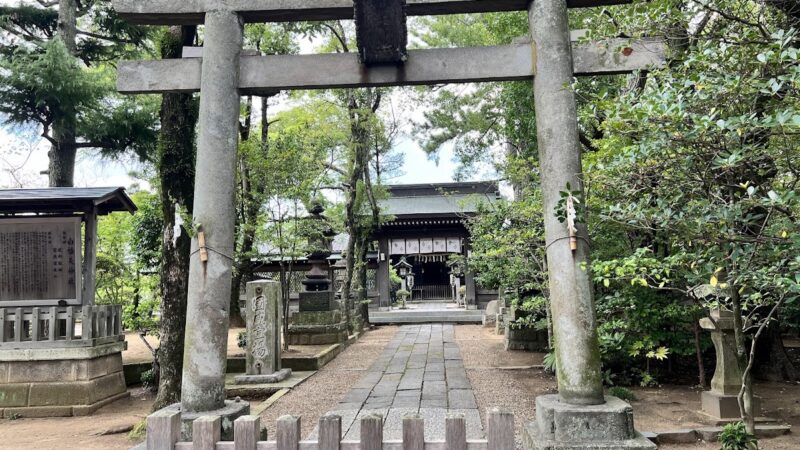
- Bow before passing through the torii gate: This is a courtesy when entering the sacred grounds.
- Purify yourself at the water basin: Purify your left hand, right hand, and mouth in that order.
- Worship at the main hall: Two bows, two claps, and one bow is the basic procedure.
- Maintain silence: Be mindful that the shrine grounds are a sacred place.
Photography
Photography of the shrine grounds and buildings is generally permitted, but please refrain from taking photos inside the main hall or during Shinto rituals. Also, please be considerate of other worshippers.
Attire
If you are receiving a prayer, it is preferable to wear attire that is not too casual. There are no specific dress code requirements for regular worship, but please dress appropriately for a shrine.
What Shirahata Tenjin Shrine Passes Down to the Modern Age
Shirahata Tenjin Shrine is an ancient shrine with a history of over 840 years, from the late Heian period to the present day. The shrine has witnessed important moments in Japanese history and culture, including the historical turning point of Minamoto no Yoritomo’s uprising, the construction of the shrine buildings by Ota Dokan, the separation of Shinto and Buddhism during the Meiji Restoration, and interactions with literary giants such as Nagai Kafu and Koda Rohan.
Even today, the vast grounds of approximately 2,000 tsubo (about 6,600 square meters) are filled with seasonal flowers, providing a tranquil space away from the hustle and bustle of the city. Students praying for academic success, seniors praying for health and longevity, and families praying for happiness—various people visit, offering their wishes before the deities.
While preserving its history and traditions, Shirahata Tenjin Shrine continues to play an important role in the local community as a spiritual haven for modern people.
Summary
Shirahata Tenjin Shrine, located in Sugano, Ichikawa City, Chiba Prefecture, is a historical shrine whose origins lie in the legend of Minamoto no Yoritomo raising a white flag. This shrine enshrines Takenouchi no Sukune, Sugawara no Michizane, and Emperor Ojin, and is known for its blessings of academic success, health and longevity, and military fortune.
The shrine grounds, spanning approximately 2,000 tsubo (about 6,600 square meters), are filled with flowers that bloom throughout the seasons and were beloved by literary giants such as Nagai Kafu and Koda Rohan. There are many attractions, including a shrine plaque inscribed by Katsu Kaishu, literary monuments, and the Hanamatsuri (Flower Festival) featuring a hot water purification ritual.
With easy access—just an 8-minute walk from Keisei Yawata Station and a 12-minute walk from JR Motoyawata Station—the shrine also offers Goshuin (shrine stamps) and prayers (reservations required). Please visit Shirahata Tenjin Shrine, a tranquil space in the heart of the city where you can feel history and nature while offering a peaceful visit.