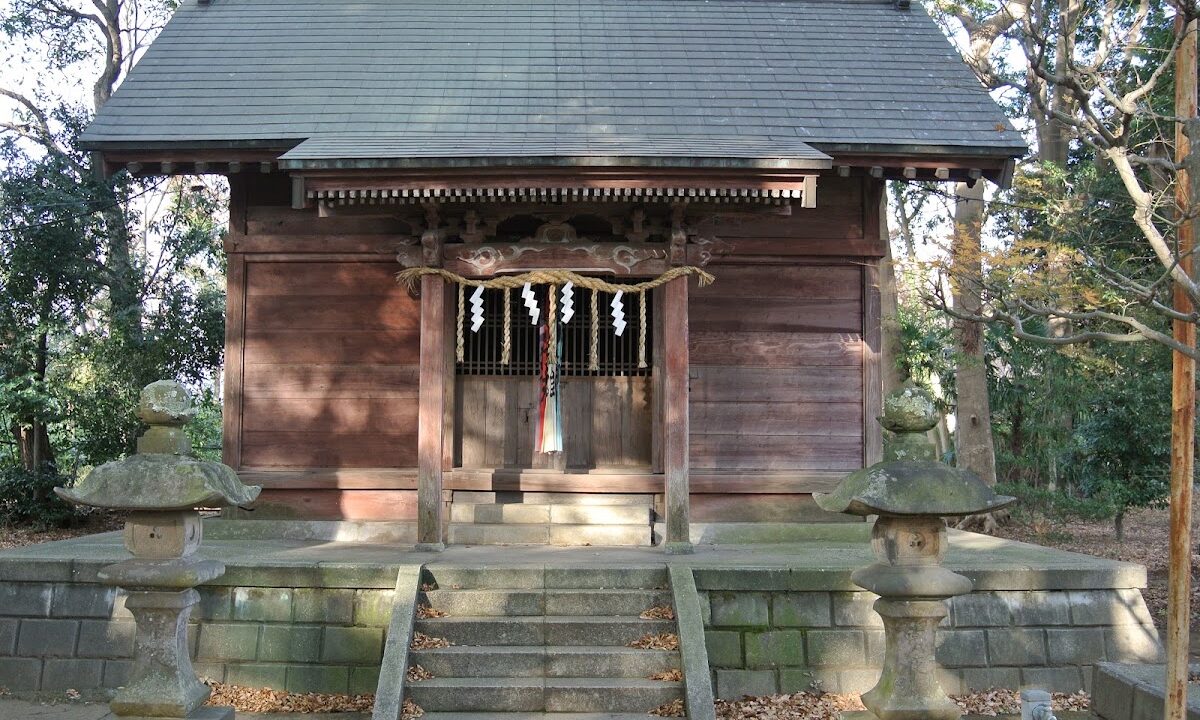
Complete Guide to Kumano Sansha Daijin (Wakaba Ward, Chiba City, Chiba Prefecture) | Thorough Explanation of Deities, Access, and History
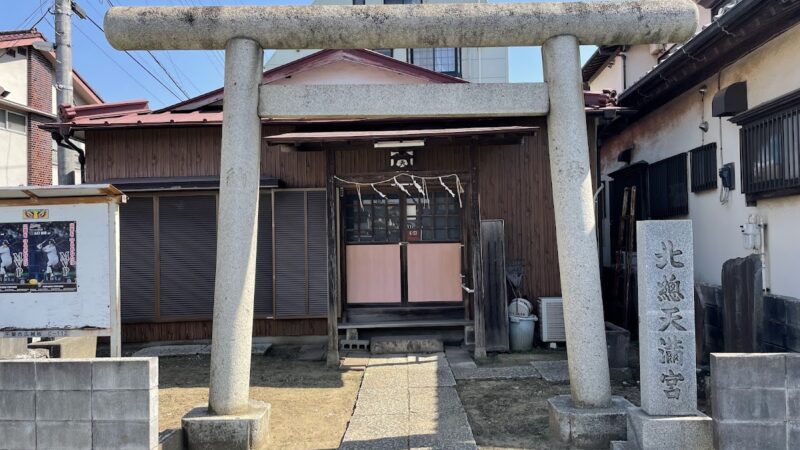
Kumano Sansha Daijin, located in Haramachi, Wakaba Ward, Chiba City, Chiba Prefecture, is a shrine that has been cherished by the local people for centuries. Situated on a hill, the quiet grounds offer panoramic views of the surrounding area and feature a stone monument adorned with a relief of a Tengu mask, a rare sight in northern Chiba Prefecture, creating a unique atmosphere.
This article comprehensively introduces all the information you need to know before visiting Kumano Sansha Daijin, including its enshrined deities, history, highlights of the grounds, and access methods.
Basic Information on Kumano Sansha Daijin
Location
110 Haramachi, Wakaba Ward, Chiba City, Chiba Prefecture 264-0034
Kumano Sansha Daijin is located in the Haramachi district of Wakaba Ward, Chiba City, situated on a small hill within a residential area. Located on a hill overlooking the surrounding houses, the shrine grounds have a quiet and peaceful atmosphere.
Deities enshrined
Based on the shrine’s name, Kumano Sansha Okami, it is believed that the deities of the Kumano Sanzan (Kumano Hongu Taisha, Kumano Hayatama Taisha, and Kumano Nachi Taisha) were invited and enshrined here. Generally, the principal deities of the Kumano Sanzan are as follows:
- Ketsumiko no Okami – The principal deity of Kumano Hongu Taisha, also identified with Susanoo-no-Mikoto
- Kumano Hayatama no Okami – The principal deity of Kumano Hayatama Taisha, identified with Izanagi-no-Okami
- Kumano Fusumi no Okami – The principal deity of Kumano Nachi Taisha, identified with Izanami-no-Okami
These three deities are collectively called “Kumano Sansho Gongen” or “Kumano Sansha Okami.” However, detailed records regarding the exact deities enshrined at this shrine are currently unavailable.
Relationship between Kumano Faith and Chiba Prefecture
Spread of Kumano Faith
Kumano faith spread throughout Japan from the Heian period to the Kamakura period. With the Kumano Sanzan shrines in Kii Province (present-day Wakayama Prefecture) as its main sanctuary, Kumano shrines were established throughout the country, attracting such a large number of pilgrims that it was called “the ant-like pilgrimage to Kumano.”
Numerous Kumano shrines also exist in Chiba Prefecture, and traces of Kumano faith can be seen throughout the Boso Peninsula. This is thought to be the result of the activities of Kumano Shugendo practitioners in the medieval period and the fundraising activities of Kumano nuns.
Characteristics of Kumano Faith in Northern Chiba Prefecture
Kumano-related shrines in the northern region of Chiba Prefecture sometimes exhibit unique forms of worship. The relief of a Tengu mask found on the grounds of Kumano Sansha Okami is one example, and it is a valuable relic suggesting a connection to Shugendo.
Highlights of the Shrine Grounds
Shrine Entrance and Approach
Kumano Sansha Okami is situated on higher ground than the surrounding residential area, and the approach leads up to the shrine grounds. Due to its elevated location, the temple grounds offer a panoramic view of the surrounding houses, suggesting that it was once a place with excellent views.
Stone Monument with Tengu Mask Relief
The most distinctive feature of the temple grounds is the stone monument adorned with a relief of a Tengu mask. While stone monuments inscribed with the words “Great Tengu” and “Little Tengu” are relatively common in northern Chiba Prefecture, a relief carving of a Tengu’s face in three dimensions is extremely rare and a major characteristic of our temple.
This Tengu mask relief is a valuable cultural asset that demonstrates the connection between Kumano faith and Shugendo (mountain asceticism). In Shugendo, the Tengu is a symbolic figure of mountain worship, illustrating its deep connection with Kumano Shugendo.
Main Shrine and Subsidiary Shrines
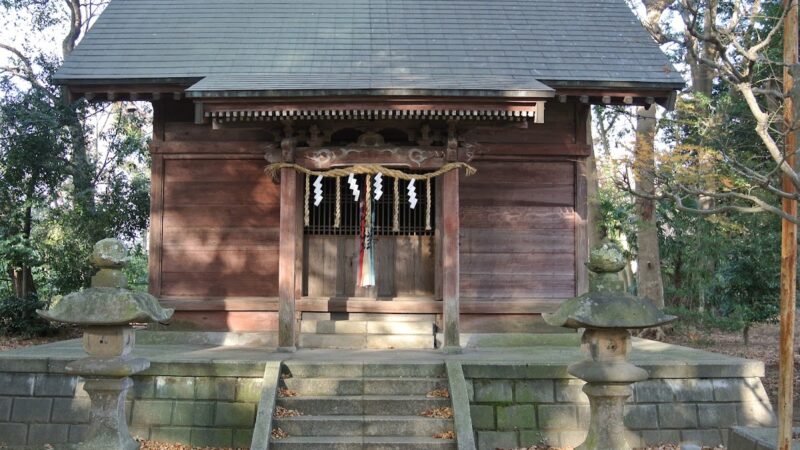
In addition to the main shrine, stone monuments dedicated to the Great Tengu and Little Tengu are located on the left side of the grounds. The compact yet orderly grounds reflect the care and dedication of the local community.
Access Information
Nearest Station/Line
Chiba Urban Monorail Line 2, “Mitsuwadai Station”
- Approximately 13 minutes on foot from Mitsuwadai Station Exit 1 (approximately 630m-800m)
- Exit the station and head southeast towards the Haramachi area.
The Chiba Urban Monorail connects Chiba Station to the Chishirodai area, and Mitsuwadai Station is located in the heart of a residential area.
Nearest Bus Stop/Line
For detailed bus route information, please check the route maps of Chiba Chuo Bus, Chiba Nairiku Bus, etc., which operate within Chiba City. Using bus routes that pass through the Haramachi area may shorten the walking distance.
Access by Car
Access is possible from the Chiba city center via National Route 51 or a prefectural road. However, since the area around the shrine is residential, parking space may be limited. We recommend using public transportation when visiting the shrine.
Map Information
You can find the exact location and route by searching for “Kumano Sansha Okami, Wakaba-ku, Chiba City” on Yahoo! Maps or Google Maps. Using your smartphone’s navigation function will help you find your way without getting lost.
Points to Note When Visiting
Visiting Hours
The shrine grounds are generally open for free visits. However, as it is located in a residential area, consideration for neighbors is necessary when visiting early in the morning or late at night. We recommend visiting during daylight hours.
About Goshuin (Shrine Seals)
Currently, Kumano Sansha Okami does not have a resident priest, so regular goshuin may not be available. However, you can record your visit through an electronic goshuin service, and several visitors have already obtained electronic goshuin.
Photography Etiquette
Photography is generally permitted on the shrine grounds, but since it is adjacent to a residential area, please be mindful of the privacy of the surrounding residents when taking photos. The Tengu mask relief, in particular, is a valuable cultural asset, so we recommend taking careful photographs of it.
Nearby Attractions
Shrines and Temples in Wakaba Ward
Many other shrines and temples are scattered throughout Wakaba Ward in Chiba City. After visiting Kumano Sansha Okami, if you have time, it would be a good idea to visit the surrounding shrines.
Facilities around Mitsuwadai
There are commercial facilities and restaurants around Mitsuwadai Station, making it convenient for resting or eating before or after your visit. You can also enjoy the view from the Chiba Urban Monorail.
History and Origins of Kumano Sansha Okami
About the Founding Date
The exact founding date of Kumano Sansha Okami is currently unknown. While it is certain that the shrine was established by inviting the deities of Kumano Sanzan, further research is needed to determine when and by whom it was founded.
Connection to the Community
It is believed to have gathered the faith of the local people as the guardian shrine of the Haramachi district. The elevated location suggests that the shrine once served as a guardian deity watching over the settlement.
Even today, the shrine grounds are maintained by local residents, indicating that the faith remains deeply rooted in the community.
Significance of Kumano Faith
Worldly Benefits and Salvation in the Afterlife
A key characteristic of Kumano faith is its dual nature, encompassing both worldly benefits and salvation in the afterlife. The deities of Kumano have been worshipped as gods who grant worldly wishes such as healing from illness, family safety, and abundant harvests, while also promising peace in the afterlife.
The Philosophy of Salvation for All
Another significant characteristic of Kumano faith is its philosophy of “salvation for all,” accepting all people regardless of social status or gender. This was groundbreaking in the Middle Ages and is one of the reasons why Kumano faith was widely accepted by the people.
Mindset When Visiting the Shrine
Visiting in a Quiet Environment
Kumano Sansha Okami is a small shrine located in a residential area, but precisely because of this, you can visit in a tranquil atmosphere and calm your mind. You can escape the hustle and bustle of everyday life and have time to converse with the gods.
Respecting Local Faith
As this shrine has been protected by the local people, it is important for visitors to respect its history and faith. The cleaning and maintenance of the shrine grounds are the result of the efforts of the local people, so please visit with gratitude.
Summary
Kumano Sansha Okami, located in Haramachi, Wakaba Ward, Chiba City, is a local guardian deity that enshrines the gods of the Kumano Sanzan (Three Grand Shrines of Kumano). It features a rare stone monument with a Tengu mask relief in northern Chiba Prefecture, making it a valuable shrine that demonstrates the connection between Kumano faith and Shugendo (mountain asceticism).
While conveniently located within walking distance of Mitsuwadai Station, the quiet grounds on a hilltop provide an ideal environment for peaceful worship. If you’re interested in visiting shrines in Chiba City or studying Kumano faith, why not pay a visit?
Using a map app, you can easily find your way there, and you can even record your visit with an electronic goshuin (shrine stamp). Experience the warm spirit of faith that can only be felt at a small, locally rooted shrine.