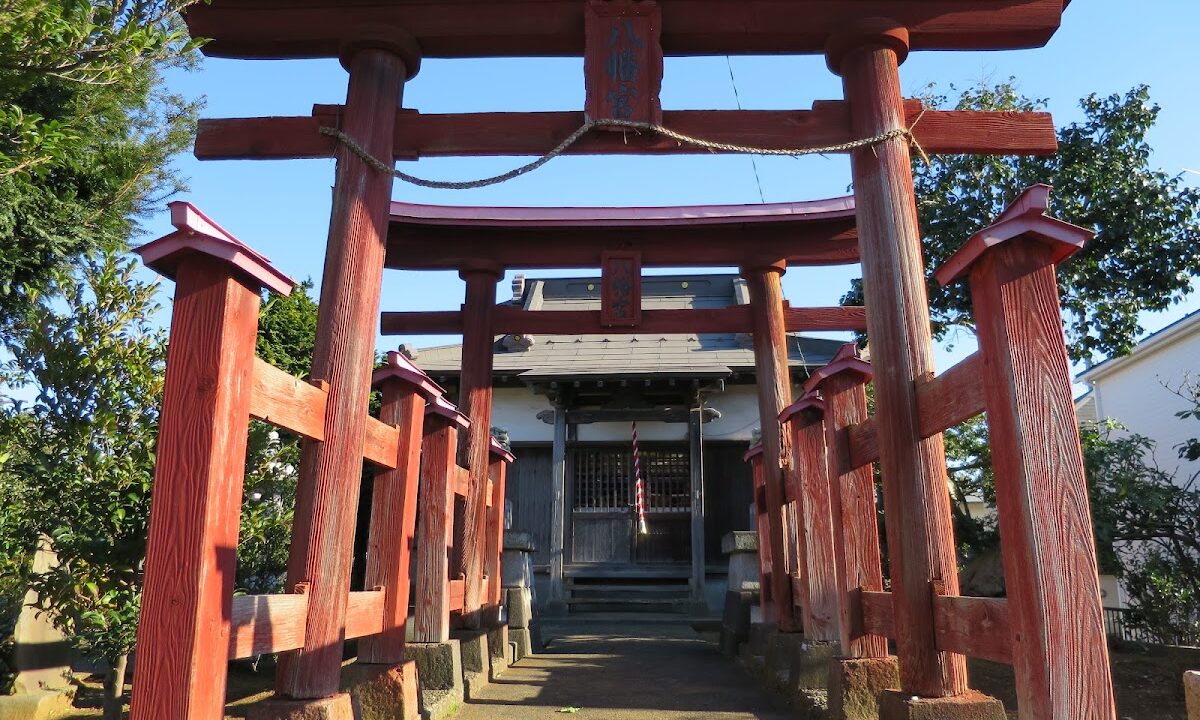
Complete Guide to Shōhachiman Daijin Shrine (Wakaba Ward, Chiba City, Chiba Prefecture) | Thorough Explanation of History, Deities, and Shrine Grounds
Shōhachiman Daijin Shrine, quietly situated in Tonodai-cho, Wakaba Ward, Chiba City, is a shrine that has been cherished by the local people for centuries. Ranked as a village shrine from the Meiji period until the end of World War II, this shrine, as one of the Hachiman-type shrines in Chiba Prefecture, continues to convey the history and culture of the region.
This article will fully explain the charm of Shōhachiman Daijin Shrine, from its historical background and the origin of its deities to the shrine grounds and how to worship. This is a must-read for anyone planning a shrine tour in Chiba or interested in local history.
Overview and Basic Information of Shōhachiman Daijin Shrine
Official Name and Location of the Shrine
Shōhachiman Daijin Shrine is located in Tonodai-cho, Wakaba Ward, Chiba City, Chiba Prefecture, and is pronounced “Shōhachiman Daijin.” Located in a quiet residential area, it has served as a center of local faith.
Basic Information
- Location: Tonodai-cho, Wakaba-ku, Chiba City, Chiba Prefecture
- Former Shrine Rank: Village Shrine (from the Meiji period to the end of World War II)
- Deities Enshrined: Hondawake-no-mikoto and others
- Year of Founding: Unknown (Estimated to be before the 6th year of the Tenpo era (1835) in the late Edo period)
- Annual Festival Date: Based on local tradition
Wakaba-ku, Chiba City, is located in the eastern part of Chiba City and has developed as a lush, green residential area. Shōhachiman Ōkami is an important element that constitutes the historical landscape of this area.
Access Method
Access to Shōhachiman Ōkami is as follows:
If using public transportation:
- Within walking distance from JR Sobu Main Line “Tsuga Station”
- Accessible by bus from Chiba Urban Monorail “Chishirodai Station”
- Take a local bus and walk from the nearest bus stop
If using a car:
- Approximately 15 minutes from Keiyo Expressway “Anagawa IC”
- Approximately 20 minutes from Higashi-Kanto Expressway “Chiba Kita IC”
- It is recommended to check parking spaces for visitors in advance.
History and Origins of Shōhachiman Ōkami
Estimated Founding Date
The exact founding date of Shōhachiman Ōkami is unknown, but historical materials remaining on the grounds indicate that it was definitely enshrined there in the late Edo period. In particular, a water basin from Tenpō 6 (1835) still exists, and this is the oldest physical evidence that tells the history of the shrine.
Tenpō 6 was during the late Edo period, towards the end of Tokugawa Ienari’s reign, a time when Edo culture was reaching its peak. During this period, rural development progressed throughout Chiba Prefecture, and shrines were established in various locations as guardian deities of villages. It is believed that Shō Hachiman Ōkami also developed within this historical context, becoming a place of worship for the local people.
Ranking as a Village Shrine in the Meiji Period
With the arrival of the Meiji era, the government established a system of shrines. Shō Hachiman Ōkami was ranked as a “village shrine” from the Meiji period until the end of World War II. A village shrine, in the modern shrine ranking system, indicates that it was officially recognized as a central shrine in the village.
This ranking as a village shrine was not merely a formality, but reflected the importance of the shrine to the local community. The fact that Shō Hachiman Ōkami was ranked as a village shrine is evidence that it functioned as a central religious facility in the Tonodai-machi area.
From the Post-War Period to the Present
After the war, amidst significant changes in the shrine system, Shō Hachiman Ōkami has been preserved and passed down as the local tutelary deity to this day. Even as Chiba City developed during the period of rapid economic growth, this shrine continued to function as a center of faith for local residents and a focal point for the local community.
Even today, many worshippers visit the shrine for New Year’s prayers, spring and autumn festivals, and life-changing rituals such as Shichi-Go-San (a traditional rite of passage for children).
Deities and Divine Virtues
Hondawake-no-Mikoto
The principal deity of the Hachiman Daishin shrine is Hondawake-no-Mikoto. Hondawake-no-Mikoto is the divine name of Emperor Ojin and is one of the most important deities enshrined at Hachiman shrines and Hachiman temples throughout Japan.
Divine Virtues of Homudawake-no-Mikoto
- Long-lasting Military Fortune: As a god of war, he bestows the strength to overcome challenges and difficulties in competitions.
- Protection from Misfortune and Bringing Good Fortune: He wards off all calamities and brings good fortune.
- National Peace and Security: He protects the land and the peace of its people.
- Prosperity and Industry: He assists in the development of industry and the prosperity of businesses.
- Prosperity of Descendants: He watches over the continuation of the family line and the healthy growth of children.
Characteristics of Hachiman Faith
Hachiman faith is one of the most widespread forms of Shintoism in Japan. Its origins lie in Usa Shrine in Oita Prefecture, from which it spread throughout the country. Many Hachiman-related shrines exist in Chiba Prefecture, and Sho Hachiman Daishin is one of them, attracting local devotion.
Hachiman-no-Kami possesses not only the characteristics of a god of war, but also aspects of an agricultural and industrial god, and is revered as a being that protects people’s lives with a wide range of divine virtues.
Highlights and Facilities on the Shrine Grounds
Worship Hall and Main Sanctuary
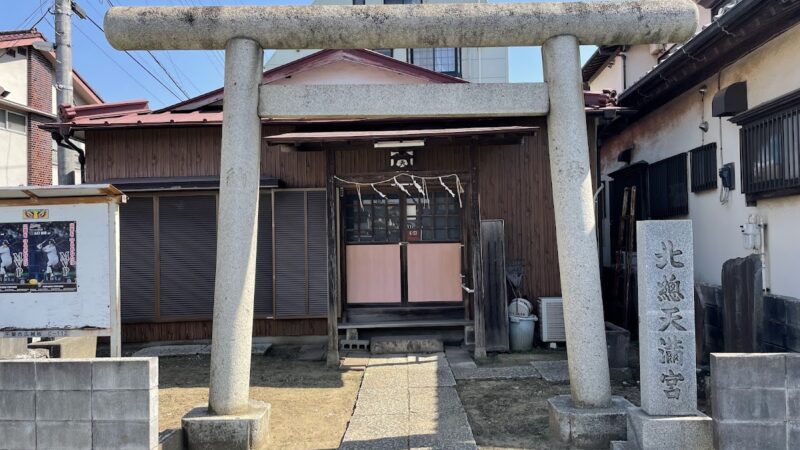
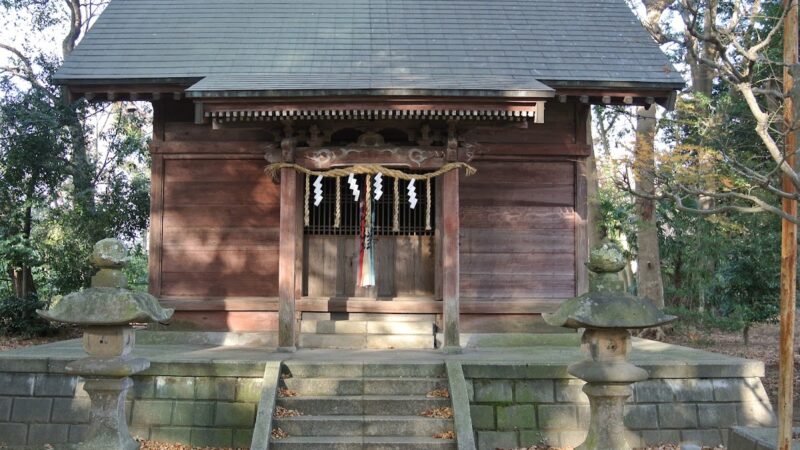
The worship hall of Shō Hachiman Ōkami exhibits a tranquil atmosphere typical of a local shrine. While inheriting the traditional style of shrine architecture, the worship hall, where worshippers offer prayers to the deity, also reflects the unique characteristics of the region.
The main sanctuary is located behind the worship hall and is the most sacred space where the deity is enshrined. While not directly visible to ordinary worshippers, its presence represents the spiritual center of the entire shrine.
Water Basin from Tenpō 6 (1835)
The most historically valuable item on the shrine grounds is the water basin bearing the inscription of Tenpō 6 (1835). This stone structure was dedicated approximately 190 years ago and is a valuable historical artifact that proves the history of Shō Hachiman Ōkami.
The water basin is a facility where worshippers purify their hands and mouths, and is the place where the important ritual of “temizu” (water purification) is performed during shrine visits. The continued existence of this old water basin demonstrates that the tradition of worship that began in the Edo period has been passed down to the present day. ### Shrine Precincts and Stone Monuments
Like many Shinto shrines, the grounds of Shō Hachiman Ōkami may contain multiple shrine precincts and stone monuments. These are important elements that reflect the diversity of local history and beliefs.
Shrine precincts are small shrine buildings separate from the main shrine, enshrining deities unique to the region or deities with specific divine virtues. Stone monuments bear the names and dates of donors, providing clues to the relationship between the shrine and the local community.
Natural Environment of the Shrine Grove
The group of trees surrounding the shrine grounds is called a shrine grove. The shrine grove of Shō Hachiman Ōkami forms a valuable green space in Wakaba Ward, Chiba City, an area undergoing urbanization.
The shrine grove is not merely a scenic element; it also functions as a boundary indicating the sanctity of the sacred area and plays an important role from the perspective of ecosystem conservation. The changing appearance of the trees with each season allows visitors to feel the passage of nature and the breath of the gods.
Proper Way to Visit a Shrine and Etiquette
Basic Etiquette for Visiting a Shrine
When visiting a shrine, it is important to observe traditional worship etiquette. At Shōhachiman Ōkami, please follow the basic etiquette below.
1. Bowing at the Torii Gate
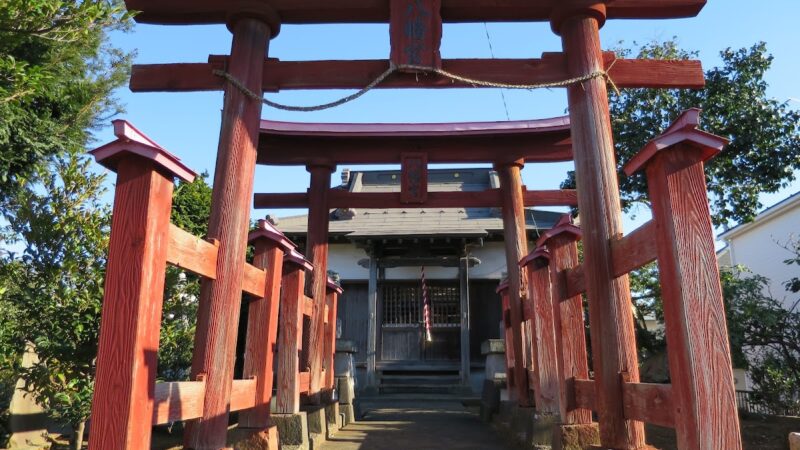
Before passing through the torii gate, which marks the entrance to the shrine, stop and bow slightly. This is a gesture of respect for entering the sacred area.
2. How to Walk Along the Approach
The center of the approach is called the “seichū” and is considered the path of the gods. It is polite for worshippers to walk along the sides.
3. How to Wash Your Hands
Purify your body and mind at the temizuya (water basin).
- Take the ladle with your right hand and purify your left hand.
- Switch the ladle to your left hand and purify your right hand.
- Switch the ladle back to your right hand, receive water in your left hand, and rinse your mouth.
- Finally, hold the ladle upright and purify the handle.
4. Worship at the Main Hall
- Gently place your offering in the offering box.
- Ring the bell if there is one.
- Worship using the two bows, two claps, one bow (two bows, two claps, one bow) method.
- Bow deeply twice.
- Clap your hands twice at chest height.
- Pray with sincerity.
- Finally, bow deeply once.
Attire and Mindset for Worship
There are no specific dress code requirements for visiting a shrine, but clean and subdued attire appropriate for visiting a sacred place is desirable. Avoid extremely revealing clothing or flashy attire that is inappropriate for a sacred place.
As for mindset, the most important thing is to convey your gratitude to the gods. When visiting a shrine, remember to express gratitude not only for your wishes but also for your daily safety.
Annual Events and Festivals
Main Annual Events
At Shōhachiman Ōkami, various Shinto rituals are performed throughout the year.
New Year’s Day Festival (January 1st)
This festival celebrates the start of the new year and prays for peace throughout the year. Many people visit for their first shrine visit of the year.
Setsubun Festival (around February 3rd)
This is a traditional event where beans are scattered to ward off evil spirits and invite good fortune. With the chant of “Demons out, fortune in!”, people pray for good health and protection from illness throughout the year.
Grand Festival (Autumn)
The Grand Festival is the most important annual event at a shrine. At Shōhachiman Ōkami, the Grand Festival is held in the autumn, and local people gather to offer their gratitude to the gods.
Shichi-Go-San (November)
Shichi-Go-San is a life ritual celebrating a child’s growth. At the milestones of 3, 5, and 7 years old, prayers are offered to the gods for the child’s healthy development and to pray for their continued protection.
Great Purification Ceremony (June & December)
This is a Shinto ritual to purify and cleanse away the sins and impurities accumulated over the past six months. There is a summer purification ceremony at the end of June and a year-end purification ceremony at the end of December.
Connections with the Community
The festival of Shōhachiman Ōkami is also an important event for the local community. During the annual festival, local residents cooperate in preparations, and sometimes the portable shrine procession and dedication ceremonies are held.
Through these festivals, intergenerational community bonds are maintained, and traditional culture is passed down to the next generation.
Historical Background of Wakaba Ward, Chiba City
Origins of Wakaba Ward
Wakaba Ward in Chiba City is an administrative district established in 1992 (Heisei 4) when Chiba City became a designated city. However, the history of this area is far older, with people having lived here since ancient times.
The Wakaba area, including Tonodai-cho, was once developed as an agricultural area. After the post-war period of rapid economic growth, residential development progressed as a commuter town for Chiba City, resulting in its current form.
Local Shrine Culture
Chiba Prefecture has long been a region with a strong tradition of shrine worship, and numerous shrines exist within the prefecture. Within Wakaba Ward, Chiba City, several shrines are located, including the Shō Hachiman Ōkami, each conveying the history and culture of the region.
Nearby are Izumi Shrine (Izumi-cho), Rokusha Shrine (Noro-cho), and Ōmiya Shrine (Ōta-cho), and these shrines, along with Shō Hachiman Ōkami, form a shrine network within Wakaba Ward.
The Relationship Between Hachiman Faith and Chiba Prefecture
Major Hachiman Shrines in Chiba Prefecture
Besides the main Hachiman shrine, there are many other Hachiman-related shrines in Chiba Prefecture.
Katsushika Hachimangu Shrine (Ichikawa City)
One of Chiba Prefecture’s leading Hachiman shrines, it has been revered since ancient times as the guardian shrine of Shimosa Province. It is also known for its Senbon Ginkgo tree, designated as a national natural monument.
Yatsurugi Hachimangu Shrine (Kisarazu City)
A shrine affectionately known as “Hachiman-sama,” it is the guardian shrine of Kisarazu City. Known for its connection to Yamato Takeru, it attracts many worshippers seeking divine blessings for protection against misfortune, traffic safety, and business prosperity.
Tsurugaya Hachimangu Shrine (Tateyama City)
As the principal shrine of Awa Province, it has been a center of local faith. The annual September festival, “Awa Yawatamachi,” is designated as a Chiba Prefecture Intangible Folk Cultural Property.
These shrines and the Shō Hachiman Ōkami shrine share a common foundation in Hachiman worship, but have developed uniquely in their respective regions.
The Spread of Hachiman Worship
The widespread adoption of Hachiman worship in Chiba Prefecture is linked to the rise of the samurai class. Hachiman, revered as the tutelary deity of the Minamoto clan, spread throughout Japan with the establishment of the samurai government.
From the late Heian period to the Kamakura period, Chiba Prefecture was the base of powerful samurai groups, including the Chiba clan. It is believed that these samurai embraced Hachiman worship, leading to the establishment of Hachiman shrines throughout the prefecture.
How to Enjoy Visiting Shō Hachiman Ōkami
Seasonal Scenery of the Shrine Grounds
The grounds of Shō Hachiman Ōkami offer different scenery with each season.
Spring: The grounds are filled with vibrant life as new greenery sprouts. If there are flowering trees such as cherry blossoms or plum blossoms, you can enjoy a beautiful floral landscape.
Summer: The grounds, enveloped in deep green, become a tranquil space that allows you to forget the hustle and bustle of the city.
Autumn: The grounds are adorned with autumn leaves, and it is also the season for the annual festival. Let’s visit with a feeling of gratitude for the bountiful autumn harvest.
Winter: Visiting the shrine in the crisp winter air is invigorating for both mind and body. The lively atmosphere of the New Year’s visit is also a winter tradition.
Nearby Attractions
When visiting Shōhachiman Ōkami, consider exploring the surrounding historical sites and facilities.
Other Shrines in Wakaba Ward: A “shrine pilgrimage” visiting local shrines such as Izumi Shrine, Rokusha Shrine, and Ōmiya Shrine is also recommended.
Historical Landscape: Wakaba Ward in Chiba City retains areas with old rural landscapes and historical buildings.
Natural Environment: The ward has many green spaces and parks, allowing visitors to enjoy nature walks in conjunction with their visits to shrines and temples.
Photography Etiquette
Photography is generally permitted on the shrine grounds, but please observe the following etiquette:
- Refrain from photographing the main hall or the sacred object.
- Be considerate of other visitors.
- Use tripods sparingly, or check beforehand.
- When posting on social media, remember to show respect to the shrine.
While conveying the charm of a shrine through photography is wonderful, always be mindful that it is a sacred place.
About Goshuin (Shrine Seals)
What are Goshuin?
Goshuin are seals and calligraphic inscriptions given as proof of visiting a shrine or temple. Collecting Goshuin has become popular in recent years, but they are originally records of visits and proof of faith.
Goshuin (Seal) of Shōhachiman Ōkami
Regarding the issuance of Goshuin at Shōhachiman Ōkami, it is recommended to check directly with the shrine. Smaller shrines may not always offer them, so prior confirmation is important.
When receiving a Goshuin, please observe the following manners:
- Complete your prayers first before receiving the Goshuin.
- Prepare a Goshuincho (avoid notebooks or blank paper).
- Prepare the offering fee (approximately 300-500 yen).
- Request using polite language.
- Wait quietly while the Goshuin is being written.
The Role of Shōhachiman Ōkami in the Local Community
As a Center of the Community
Shōhachiman Ōkami is not merely a religious facility; it plays a crucial role as a focal point for the local community. Through festivals and annual events, it serves as a place for local residents to gather and interact.
Especially in today’s increasingly urbanized society, the existence of such a community center is invaluable. Shrines play a vital role as places where intergenerational exchanges are fostered and community bonds are strengthened.
Preservation of Traditional Culture
At Shōhachiman Ōkami, ancient traditions are preserved, including worship etiquette, festival procedures, and the execution of Shinto rituals. These traditions form the core of the region’s cultural identity.
Children participate in festivals and learn customs from elders, naturally fostering intergenerational cultural transmission. These activities play a crucial role in connecting Japanese traditional culture to the future.
A Place of Peace of Mind
Modern society is full of stress, and more and more people are seeking peace of mind. The tranquil grounds of Shōhachiman Ōkami function as a place to escape the hustle and bustle of everyday life and find inner peace.
The spiritual fulfillment gained from worship, the deep breaths in a natural environment, and the meditative time in a sacred space are valuable opportunities for healing for modern people.
Understanding Chiba Prefecture’s Shrine Culture
Characteristics of Chiba Prefecture’s Shrines
Chiba Prefecture is said to have over 3,300 shrines, making it one of the most densely populated areas in Japan. This reflects a long-standing tradition of faith dating back to ancient times, as well as the diverse histories of each region.
Chiba Prefecture’s shrines have the following characteristics:
- Maritime Worship: Due to its connection with the sea surrounding the Boso Peninsula, many shrines enshrine sea gods.
- Agricultural Gods: Because agriculture flourished, taking advantage of the fertile land, shrines praying for abundant harvests exist throughout the region.
- Samurai Worship: Influenced by samurai groups such as the Chiba clan, Hachiman worship and Katori worship are prevalent.
- Diverse Deities: A variety of gods are enshrined, reflecting the history and characteristics of each region.
A Recommendation for Shrine Visits
Why not start a shrine tour of Chiba Prefecture, starting with your visit to Sho Hachiman Daishin? Each shrine has its own unique history and charm, and you’ll discover something new every time you visit.
How to enjoy visiting shrines:
- Choose a theme: Setting a theme, such as visiting Hachiman shrines or seaside shrines, will lead to a deeper understanding.
- Learn about local history: Investigating the history of a shrine will reveal the history of the region.
- Participate in seasonal events: Participating in annual events such as festivals and Setsubun festivals will allow you to experience shrine culture more deeply.
- Collect Goshuin (shrine stamps): Collecting Goshuin as a record of your visits is another enjoyable aspect.
Summary: The Charm and Significance of Visiting Sho Hachiman Daishin
Sho Hachiman Daishin is a valuable presence in Tonodai-cho, Wakaba-ku, Chiba City, a rapidly urbanizing area, preserving a history and tradition that dates back to the Edo period. As evidenced by the water basin dating back to the sixth year of the Tenpo era, it has attracted the faith of local people for at least 190 years.
Main Attractions of Shō Hachiman Ōkami
- Historical Value: A history dating back to the late Edo period and its designation as a village shrine during the Meiji era.
- Hachiman Faith: The divine virtues of a Hachiman-type shrine dedicated to Homudawake-no-Mikoto.
- Community Ties: A social role functioning as the center of the community.
- Tranquil Environment: A sacred space preserved despite being located in an urban area.
- Cultural Inheritance: The transmission of culture through traditional Shinto rituals and festivals.
Visiting Shō Hachiman Ōkami is not merely about making personal prayers; it’s also an opportunity to connect with local history, experience traditional culture, and feel a sense of community. This shrine, which plays a part in Chiba’s shrine culture, is a precious place that conveys the faith and wisdom of our ancestors to us living in the modern age.
If you have the opportunity to visit Wakaba Ward in Chiba City, please be sure to visit Shō Hachiman Ōkami. As you join your hands in prayer in the tranquil grounds, you will feel the history of faith that has continued since the Edo period and the accumulation of prayers from the local people. And by expressing your daily gratitude and hope for the future to the gods, you will surely find renewed vitality in your heart.
Shōhachiman Ōkami is a shrine worth visiting for understanding Chiba Prefecture’s shrine culture, learning about local history, and seeking peace of mind. We hope this article will be helpful to your visit and serve as an opportunity to deepen your understanding of Chiba’s shrines.