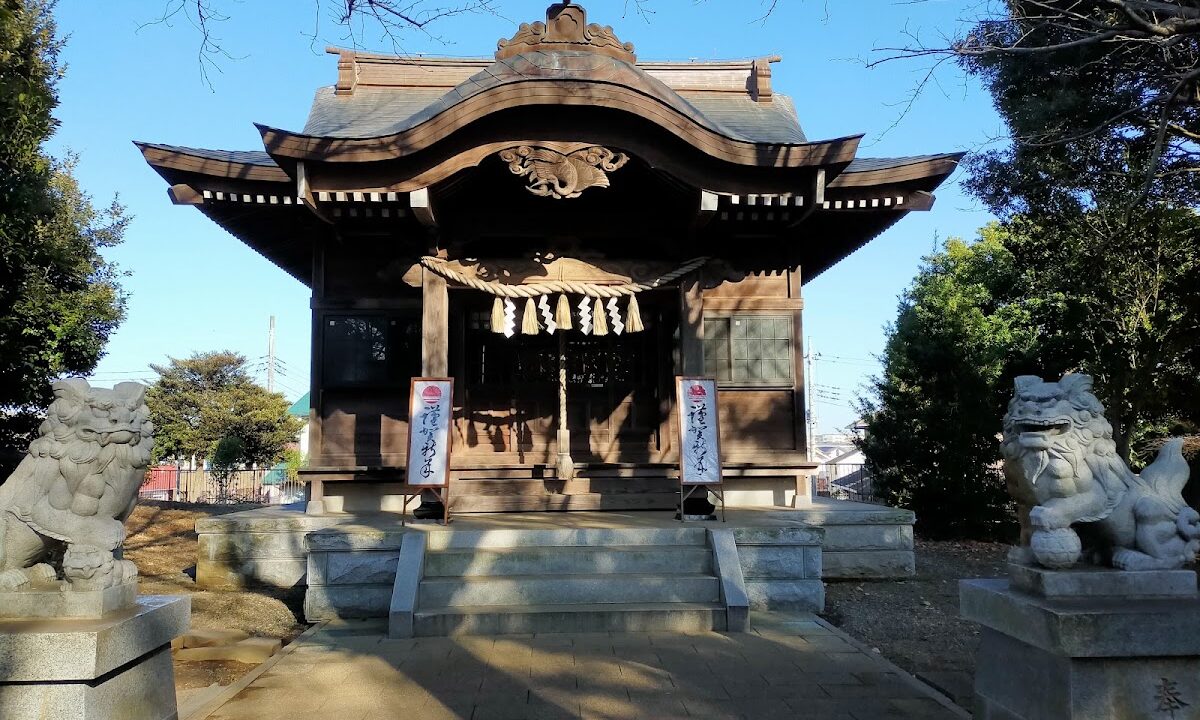
Rokutsu Shrine (Chiba Prefecture) Complete Guide: Access, Goshuin (Shrine Seal), and History Explained in Detail
Rokutsu Shrine, located in Midori Ward, Chiba City, Chiba Prefecture, is a shrine that has been cherished by the local people along with the development of the Oyumino area. This article provides detailed information useful for those considering visiting Rokutsu Shrine, from access methods to its history, goshuin information, and its relationship with surrounding shrines.
Basic Information on Rokutsu Shrine
Location
Rokutsu Shrine is located at 8-7-3 Oyumino Chuo, Midori Ward, Chiba City, Chiba Prefecture. The Oyumino area is located in the southern part of Chiba City and is a planned residential area that has been developed since the 1980s. Along with this development, shrines have been established as spiritual centers for the community.
Official Address: 8-7-3 Oyumino-Chuo, Midori-ku, Chiba City, Chiba Prefecture 266-0032
Type and Characteristics of the Shrine
Rokutsu Shrine is a community-based shrine that attracts the faith of residents in the Oyumino area. There are over 3,100 shrines registered with the Association of Shinto Shrines in Chiba Prefecture alone, and Rokutsu Shrine is one of them, continuing to watch over the peace and development of the region.
How to Access Rokutsu Shrine
Nearest Station and Line
The nearest station to Rokutsu Shrine is Oyumino Station on the Keisei Chihara Line. Oyumino Station functions as a central station in Midori-ku, Chiba City, making it relatively easy to reach the shrine.
Access from Major Stations:
- Take the Keisei Chihara Line from JR Chiba Station via Keisei Chiba Station.
- Get off at Oyumino Station and walk for approximately 15 minutes.
The Keisei Chihara Line connects Chiba City and Ichihara City and is used by commuters and students. The area around Oyumino Station has many commercial facilities, allowing you to enjoy shopping and dining before or after visiting the shrine.
Nearest Bus Stops and Routes
If using the bus, you can use routes operated by Chiba Chuo Bus and Kominato Railway Bus. Because the Oyumino area was developed as a residential area, the bus network is relatively extensive.
Access by Bus:
- Take a bus bound for Oyumino from JR Kamatori Station.
- Get off at the “Oyumino Chuo” bus stop and walk for a few minutes.
For timetables and detailed routes, please check the latest information on the official websites of Chiba Chuo Bus or Kominato Railway Bus.
Access by Car
If visiting by private car, the nearest interchanges are Soga IC on the Keiyo Expressway or Omiya IC on the Chiba-Togane Expressway. The Oyumino area has well-developed road infrastructure, and you can arrive relatively smoothly by entering the address into your car’s navigation system.
Parking Information:
Parking space may be limited depending on the size and condition of the shrine grounds. We recommend considering using public transportation when visiting.
History and Origins of Rokutsu Shrine
Development of the Oyumino Area and the Origin of the Shrine
The Oyumino area in Midori Ward, Chiba City, was developed in the 1980s through a large-scale land readjustment project by the Chiba Prefectural Housing Supply Corporation. The area, which had previously consisted of farmland and forests, was transformed into a planned residential area.
Rokutsu Shrine was established as the spiritual center of this new community during this regional development process. It is believed that the shrine was formed in a way that was appropriate for a modern residential area, taking into account the long-standing beliefs in this area and its relationship with surrounding shrines.
Meaning of the Name “Rokutsu”
The name “Rokutsu” has several possible interpretations. In Buddhist terminology, there is the term “Rokushintsu,” which refers to the six supernatural abilities attained by those who have achieved enlightenment. Furthermore, the character “Tsū” (通) also means “a path is open” or “communication,” suggesting that the name may also reflect a prayer for regional development and the safe movement of people.
In Chiba Prefecture, there are several shrines with the number “roku” (six) in their names, such as “Rokushō Shrine” and “Rokusha Ōkami.” These often derive from the enshrinement of six deities or the merging of six shrines, and Rokutsu Shrine may share a similar background.
Relationship with Shrines with “Roku” in Their Names in Chiba Prefecture
Comparison with Rokushō Shrine and Rokusha Ōkami
Several shrines in Chiba Prefecture contain the character “roku” (six). Each shrine has its own unique history and characteristics.
Rokushō Shrine (Ōtaki Town): Located in Ōtaki Town, Rokushō Shrine is a historic shrine with a main hall designated as a Prefectural Tangible Cultural Property. It is protected by the Chiba Prefectural Board of Education as a valuable cultural asset that preserves Edo period architectural style.
Rokusha Ōkami (Sōsa City): Located in Noda, Sōsa City, Rokusha Ōkami is known as a shrine that attracts the faith of the local community. It is featured on shrine information websites such as “Yaoyorozu no Kami” (Eight Million Gods), and electronic goshuin (shrine stamps) are available.
Rokushō Ōkami (Tako Town): Located in Kitachū, Tako Town, Katori District, Rokushō Ōkami is also designated as a cultural property of Tako Town. As a shrine closely linked to the history of the region, information is managed by the town’s Lifelong Learning Division.
Shimosa Fuchu Rokushō Shrine (Ichikawa City): Located in Suwada, Ichikawa City, Shimosa Fuchu Rokushō Shrine is an important shrine comparable to the main shrine of Shimosa Province. Formerly known as “Rokushō no Miya,” it was formerly a village shrine. As the guardian shrine of Suwada, it continues to attract the faith of local people.
These shrines and Rokutsu Shrine share the commonality of including “roku” (six) in their names, but each has its own unique history and origins.
Other Shrines in Midori Ward, Chiba City
In addition to Rokutsu Shrine, several other shrines are located in Midori Ward, Chiba City.
Shrines in Heda-cho: Another shrine is located at 332 Heda-cho, Midori Ward, Chiba City, and attracts the faith of the local community. It is believed to have a long history as a shrine of a settlement that existed before the development of the Oyumino area.
Dairokuten Shrine: There is also a Dairokuten Shrine within Chiba City. Rokuten Shrine is a shrine dedicated to Rokuten Maō (Taika Jizaiten), a deity of the Buddhist Tenbu (heavenly beings), and was widely worshipped during the Edo period. While many of the enshrined deities were changed due to the separation of Shinto and Buddhism in the Meiji era, the name remains.
These surrounding shrines, along with Rokutsu Shrine, demonstrate the diversity of religious beliefs in Midori Ward, Chiba City.
Rokutsu Shrine’s Festivals and Annual Events
Main Festivals and Events
Annual events at shrines are important opportunities to strengthen community bonds. It is believed that Rokutsu Shrine also holds various festivals and events throughout the year.
Typical Annual Events at Shinto Shrines:
- January: First Shrine Visit of the Year, New Year’s Day Festival
- February: Setsubun Festival, Prayer Festival
- April: Spring Grand Festival
- June: Summer Purification Ceremony
- September-October: Autumn Grand Festival
- November: Shichi-Go-San Festival
- December: Year-End Purification Ceremony, New Year’s Eve Festival
Since the Oyumino area is a relatively new residential area, it’s possible that elements of modern community events are incorporated in addition to traditional festivals.
Connection with the Community
Rokutsu Shrine functions as a place for life-changing rituals such as the first shrine visit of the year, Shichi-Go-San, and exorcism for residents of the Oyumino area. Furthermore, through cooperation with local community associations and neighborhood associations, the festivals likely serve as a place for community interaction.
Shrines in newly developed residential areas are required to inherit ancient traditions while also being flexible enough to meet the needs of new residents. Rokutsu Shrine can be said to embody this modern approach to shrines.
Goshuin (Shrine Seal) and Visiting Information
About Goshuin
In recent years, collecting goshuin has become a widely recognized hobby, and many people now visit shrines and temples. Regarding the issuance of goshuin at Rokutsu Shrine, it is recommended to check directly with the shrine.
Manners for Receiving Goshuin:
- Receive the goshuin after completing your prayers.
- Prepare a goshuin notebook (avoid using notebooks or paper).
- Prepare a donation (around 300-500 yen).
- Do not insist if the priest or shrine office is absent.
Some shrines in Chiba Prefecture offer electronic goshuin through platforms such as “Yaoyorozu no Kami” (Eight Million Gods). Rokusha-Okami (Sosa City) and other shrines offer electronic goshuin (temple/shrine stamps), which can be obtained using GPS and member authentication.
Points to Note When Visiting
Basic Etiquette for Visiting:
- Bow before passing through the torii gate.
- Avoid walking in the center of the approach path.
- Purify your body and mind at the water basin.
- Bow twice, clap twice, and bow once in front of the main hall.
Attire:
No special attire is required, but clean clothing that reflects the sacred nature of the place is desirable.
Photography:
Photography is generally permitted on the shrine grounds, but please refrain from taking pictures inside the main hall or during religious ceremonies. Also, please be considerate of other visitors.
Attractions and Surrounding Information of the Oyumino Area
Characteristics of the Oyumino Area
The Oyumino area, a planned residential area, has the following characteristics:
Urban Planning:
- Development of wide roads and sidewalks
- Planned placement of parks and green spaces
- Appropriate distribution of commercial facilities and residential areas
- Abundance of schools and public facilities
Transportation Convenience:
The opening of the Keisei Chihara Line has improved access to the city center. It’s possible to travel to the center of Chiba City in a relatively short time, making it a convenient location for commuting to work or school.
Nearby Tourist and Cultural Facilities
Here are some nearby facilities you might want to visit when you come to Rokutsu Shrine.
Oyumino Parks:
Several parks are maintained within the area, allowing you to enjoy nature throughout the seasons. It’s ideal for families to relax.
Commercial Facilities:
Supermarkets, restaurants, bookstores, and other shops are concentrated around Oyumino Station, making it convenient for daily shopping.
Other Cultural Properties in Midori Ward, Chiba City:
Besides Rokutsu Shrine, Midori Ward in Chiba City has many other historical shrines, temples, and cultural properties. If you have time, it would be a good idea to visit shrines around Heda-cho.
Understanding Chiba Prefecture’s Shrine Culture
Characteristics of Shrines in Chiba Prefecture
Chiba Prefecture has over 3,100 shrines registered with the Association of Shinto Shrines. Due to its geographical location on the Boso Peninsula, many shrines are associated with the sea and agriculture.
Main Lineages of Worship:
- Katori Shrine: As the Ichinomiya (first-ranked shrine) of Shimosa Province, its worship is widespread, mainly in the northern part of the prefecture.
- Awa Shrine: As the Ichinomiya of Awa Province, it is revered in the southern part of the prefecture.
- Tamaki Shrine: As the Ichinomiya of Kazusa Province, it attracts worship in the central part of the prefecture.
With these Ichinomiya at the top, shrines of various ranks such as national shrines, prefectural shrines, local shrines, and village shrines are located in each region, forming a multi-layered network of worship.
Relationship between Sōsha and Rokushō Shrines
From ancient to medieval times, shrines called “Sōsha” were established in each province. A Sōsha (a type of shrine) was a shrine that enshrined the deities of major shrines throughout a province, allowing the provincial governor to pay homage to all the gods in the province with a single visit.
In Shimōsa Province, the Sōsha is believed to have been the Shimōsa Fuchū Rokushō Shrine, located in present-day Ichikawa City. The name “Rokushō” (six shrines) derives from the fact that it enshrines six major deities.
The number “roku” (six) in Rokutsu Shrine may also have some connection to the tradition of Sōsha and Rokushō Shrines.
Shrines and Local Communities
In modern times, shrines are not merely objects of worship, but also play a central role in local communities.
Community Functions:
- Intergenerational exchange through festivals
- Transmission of local history and culture
- A place for sharing information on disaster prevention and crime prevention
- A place for the healthy development of children
Especially in newly developed residential areas like Oyumino, people who have moved from various regions need to form new communities. Rokutsu Shrine is thought to function as a place where such people can meet and deepen their connections.
Recommendations for Visiting Rokutsu Shrine
Seasonal Highlights
Spring (March-May): The season of cherry blossoms and fresh greenery. If there are trees on the shrine grounds, you can feel the arrival of spring while visiting.
Summer (June-August): Cleanse your mind and body at the Summer Purification Ceremony and pray for a healthy summer.
Autumn (September-November): The time of the Autumn Grand Festival. A good opportunity to give thanks for the bountiful autumn harvest. Shichi-Go-San (children’s festival) visits are also concentrated in November.
Winter (December-February): Experience the Japanese tradition of welcoming the beginning and end of the year at a shrine, such as Hatsumode (first shrine visit of the year) and Setsubun Festival.
Mindset for Visiting a Shrine
Visiting a shrine is a precious time to escape the hustle and bustle of everyday life and confront yourself. Let’s use shrines not only as a place to make wishes, but also as a place to express daily gratitude.
What you can gain from visiting a shrine:
- Peace of mind and spiritual refreshment
- Understanding of local history and culture
- An opportunity to feel the changing seasons
- Connection with the community
How to research shrines in Chiba Prefecture
Useful resources
For those who want to learn more about shrines in Chiba Prefecture, here are some useful resources.
Chiba Prefectural Library:
The Chiba Prefectural Eastern Library provides a research guide (pathfinder) on “Shrines in Chiba Prefecture.” It provides reference books and information sources as a starting point for researching shrines in Chiba Prefecture.
Chiba Prefectural Board of Education:
Information on shrine architecture designated as prefectural cultural properties or nationally registered cultural properties can be found on the Chiba Prefectural Board of Education website. Information on historically valuable shrine architecture, such as the main hall of Rokushō Shrine in Ōtaki Town, is available.
Municipal Cultural Property Departments:
Each municipality has a department responsible for cultural properties and cultural promotion, providing detailed information about local shrines. For Rokushō Ōkami in Tako Town, the Tako Town Lifelong Learning Division manages the information.
Shrine Information Websites:
Websites such as “Yaoyorozu no Kami” (Eight Million Gods) provide basic information on shrines nationwide and a function to obtain electronic goshuin (shrine stamps). You can also record your visits using GPS functionality.
Shrine Architecture as Cultural Properties
Numerous shrine buildings in Chiba Prefecture are designated as cultural properties.
Rokushō Shrine Main Hall (Ōtaki Town):
The main hall, designated as a Chiba Prefecture Tangible Cultural Property, is a valuable cultural heritage that conveys Edo period architectural techniques. The elaborate carvings and architectural style speak to the high skill of the craftsmen of that time.
Shrine architecture is not merely a religious facility; it also embodies the history, culture, and art of the region. Even small shrines not designated as cultural properties hold the stories of their respective regions. ## Summary: Rokutsu Shrine and Chiba Prefecture’s Shrine Culture
Rokutsu Shrine, located in the Oyumino district of Midori Ward, Chiba City, is a shrine that attracts the faith of the local people. Despite its location in a newly developed residential area, it firmly fulfills its role as a shrine and serves as a spiritual pillar for the local community.
Chiba Prefecture has over 3,100 shrines, each with its own unique history and characteristics. Rokutsu Shrine is one of them, playing a part in Chiba Prefecture’s rich shrine culture.
If you have the opportunity to visit the Oyumino district, please be sure to stop by Rokutsu Shrine. Through worship, you can experience the history and culture of the region and find peace of mind. Furthermore, visiting other shrines in Chiba Prefecture with “roku” (six) in their name, or other historical shrines in the surrounding area, will allow you to truly appreciate the diversity and depth of Chiba Prefecture’s shrine culture.
Shrine visits are a wonderful opportunity to experience traditional Japanese culture and connect with the community. We hope your visit to Rokutsu Shrine will be a meaningful experience.