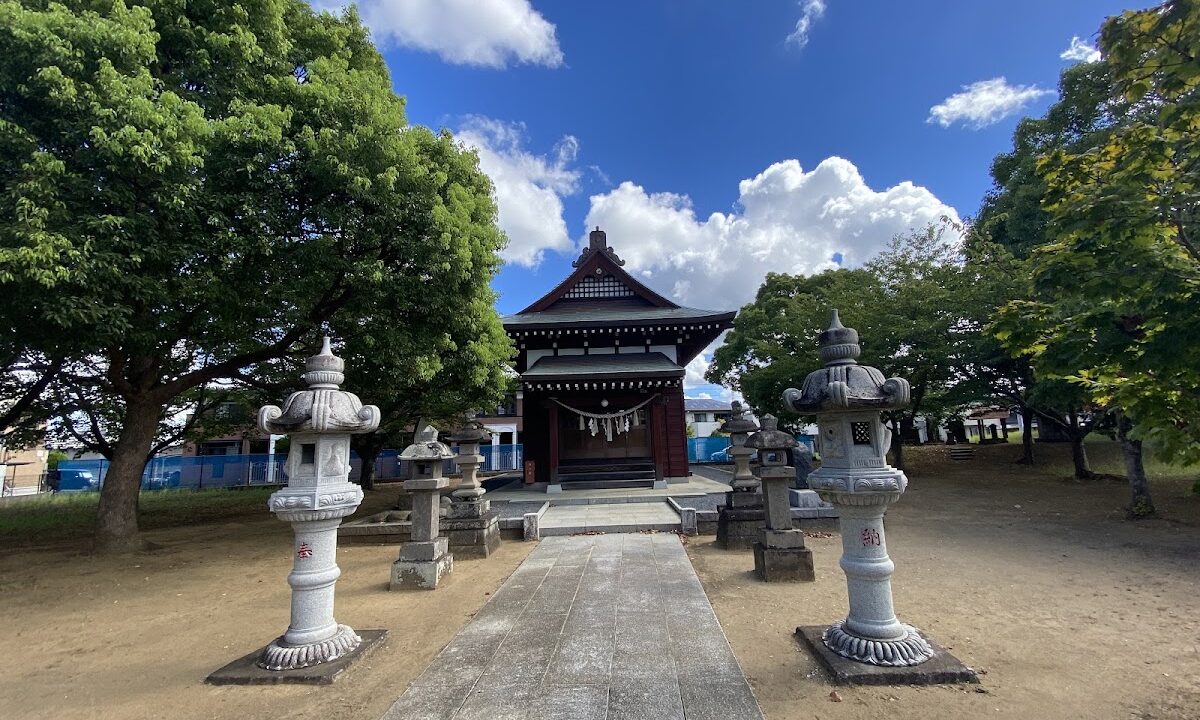
Shiina Shrine (Midori Ward, Chiba City, Chiba Prefecture) Complete Guide | History, Deities, Access, and Goshuin Information
Shiina Shrine, located in Shiinazaki-cho, Midori Ward, Chiba City, Chiba Prefecture, is a historical shrine said to have been founded during the Tenpyo era (729-749). It is a deeply historically significant shrine, formed by the merger of an ancient shrine formerly known as “Shiina Daimyojin” and “Kumano Shrine,” and is a center of local faith.
This article comprehensively introduces all the information you need to know before visiting Shiina Shrine, including its detailed history, enshrined deities, highlights within the grounds, access methods, and surrounding area information.
Overview of Shiina Shrine
Shiina Shrine is located in the Yatsu district of Shiinazaki-cho, in the eastern part of Midori Ward, Chiba City. While there are over 3,100 shrines registered with the Association of Shinto Shrines in Chiba Prefecture, Shiina Shrine is known as one of the oldest.
Basic Information
- Location: Shiinazaki-cho, Midori-ku, Chiba City, Chiba Prefecture
- Deities Enshrined: Izanagi-no-Mikoto, Izanami-no-Mikoto, Hayatama-no-O-no-Mikoto, Misu-no-O-no-Mikoto
- Former Shrine Rank: Village Shrine
- Founding: Traditionally believed to be during the Tenpyo era (729-749)
- Annual Festival Day: Local festivals are held throughout the year.
Midori-ku, Chiba City, is located in the southeastern part of Chiba City and is an area that retains a rich natural environment. Shiinazaki-cho is the site of an ancient settlement, and Shiina Shrine has been revered as the tutelary deity of this area for many years.
Deities Enshrined at Shiina Shrine
Four deities are enshrined at Shiina Shrine. Let’s take a closer look at each of these deities.
Izanagi-no-Mikoto
A male deity known as the god of creation in Japanese mythology. He is said to have created the land of Japan and many gods together with Izanami-no-Mikoto, and is a god symbolizing the power of creation and generation. He is also the god who originated the practice of purification rituals and is believed to have the divine power of warding off evil and purification.
Izanami-no-Mikoto
The wife of Izanagi-no-Mikoto and a central figure in the creation myth. As a goddess symbolizing motherhood and vitality, she is believed to have the divine power of safe childbirth, child-rearing, and matchmaking.
Hayatama-no-O-no-Mikoto
A deity known as one of the three Kumano Gongen. Hayatama also means “wishes are granted quickly,” and he is believed to have the divine power of good fortune and the fulfillment of wishes. He is a deity enshrined at Shiina Shrine, a remnant of the time when it was called Kumano Shrine.
Misuno-no-Mikoto
A deity associated with Kumano faith, this god is associated with water and purification. He has also been worshipped as the guardian deity of water-related occupations such as agriculture and fishing.
These four deities, while each possessing different divine virtues, are collectively enshrined as gods who protect the peace and prosperity of the region and the happiness of its people.
The History and Origins of Shiina Shrine
The history of Shiina Shrine is very old, and its origins are recorded in multiple documents. Here, we will unravel the history of the shrine based on the main documents.
Founding Legend of the Tenpyo Era
The origins of Shiina Shrine are said to date back to the Tenpyo era (729-749) of the Nara period. This was the reign of Emperor Shomu, a time when Buddhist culture flourished, with the establishment of provincial temples and nunneries throughout the country. It was also a time when local shrines were being developed.
Originally, this shrine was called “Shiina Daimyojin.” The place name Shiina is thought to originate from the fact that many chinquapin trees grew naturally in this area. Chinquapin trees have been treated as sacred trees since ancient times and have been considered important as trees marking the sacred grounds of shrines.
Relationship with Kumano Shrines
Another important aspect of Shiina Shrine is its deep connection to Kumano faith. There was once a shrine called “Kumano Shrine” in this area. Kumano faith originated from the Kumano Sanzan (Three Grand Shrines of Kumano) in Kii Province (present-day Wakayama Prefecture) and spread throughout Japan from the Heian period to the Kamakura period.
Many Kumano shrines were established in Chiba Prefecture, and it is believed that a shrine dedicated to the gods of Kumano was also built in Shiinazaki. Kumano faith was widely accepted, especially among the samurai class and commoners, and developed in conjunction with Shugendo (mountain asceticism).
Merger and the Establishment of the Current Shrine Name
In the past, Shiina Daimyojin and Kumano Shrine merged to become the current “Shiina Shrine.” While the exact timing of this merger is unclear from historical documents, it is possible that it was influenced by the Meiji-era shrine consolidation policy.
The Meiji government promoted a policy of one shrine per village as part of its efforts to improve the shrine system. In this process, many small shrines were consolidated, and it is presumed that Shiina Daimyojin and Kumano Shrine merged in the Shiina area.
Through the merger, the deities of both shrines were enshrined together, resulting in the current arrangement of four deities. This means that deities from different lineages—Izanagi-no-Mikoto and Izanami-no-Mikoto, the creator gods, and Hayatama-no-O-no-Mikoto and Misunoo-no-Mikoto of the Kumano lineage—are enshrined in one shrine.
Records of Shiina Shrine According to the “Chiba Prefecture Chiba County History”
One of the important historical sources for understanding the history of Shiina Shrine is the “Chiba Prefecture Chiba County History.” This county history book contains the following description of Shiina Shrine:
“Located in Yatsu, in the eastern part of Shiinazaki district, Shiina Village. It enshrines three deities: Izanagi-no-Mikoto, Izanami-no-Mikoto, Hayatama-no-O-no-Mikoto, and Misunoo-no-Mikoto (as in the original text). This shrine was formerly called Miyamoto Kumano Shrine, but it was merged with Shiina Daimyojin, which is said to have been founded during the Tenpyo era, and its name was changed to its current name.”
From this description, the following can be understood:
- Location: Located in the eastern part of Shiinazaki district, Shiina Village, in an area called Yatsu.
- Deities Enshrined: Four deities are enshrined together (the original text mentions “three deities,” but the names of four deities are listed).
- Former Name: Originally called Kumano Shrine.
- History of Merger: Merged with Shiina Daimyojin, which is said to have been founded during the Tenpyo era, to become the current shrine.
This record provides extremely valuable information for understanding the origins of Shiina Shrine. In particular, the fact that Kumano Shrine was the original name, and that the Tenpyo era is specifically mentioned as the founding tradition, is noteworthy.
The Position of Shiina Shrine within Chiba Prefecture
Chiba Prefecture is known for having many shrines. There are over 3,100 shrines registered with the Chiba Prefectural Shrine Association alone, and including unregistered small shrines, there are even more places of worship.
Comparison with Major Shrines in Chiba Prefecture
Chiba Prefecture also has nationally renowned large shrines. For example:
- Katori Shrine (Katori City): Ichinomiya of Shimosa Province, head shrine of all Katori Shrines nationwide
- Awa Shrine (Tateyama City): Ichinomiya of Awa Province, enshrines the ancestral deity of Awa’s development
- Chiba Shrine (Chuo Ward, Chiba City): Center of Myoken worship, shrine associated with the Chiba clan
- Tamaki Shrine (Ichinomiya Town): Ichinomiya of Kazusa Province, enshrines Tamayorihime-no-Mikoto
Compared to these large shrines, Shiina Shrine can be said to have functioned as a local tutelary shrine, a more familiar object of worship. However, its ancient founding tradition dating back to the Tenpyo era is a feature found only in a limited number of shrines in Chiba Prefecture.
Relationship with Shrines in Chiba City
Many shrines are also located within Chiba City. Chiba City is comprised of six wards: Chuo, Hanamigawa, Inage, Wakaba, Midori, and Mihama, each with numerous historical shrines.
Within Midori Ward, in addition to Shiina Shrine, each area has its own local guardian deity, and each shrine has played a central role in its community. Shiina Shrine has long been a spiritual pillar for Shiinazaki-cho and the surrounding areas, attracting the faith of local residents.
Shiina Shrine Grounds and Highlights
Shiina Shrine is located in a quiet residential area of Midori Ward, Chiba City, offering a peaceful atmosphere for worship. This section introduces the shrine grounds and highlights for visitors.
Shrine Building
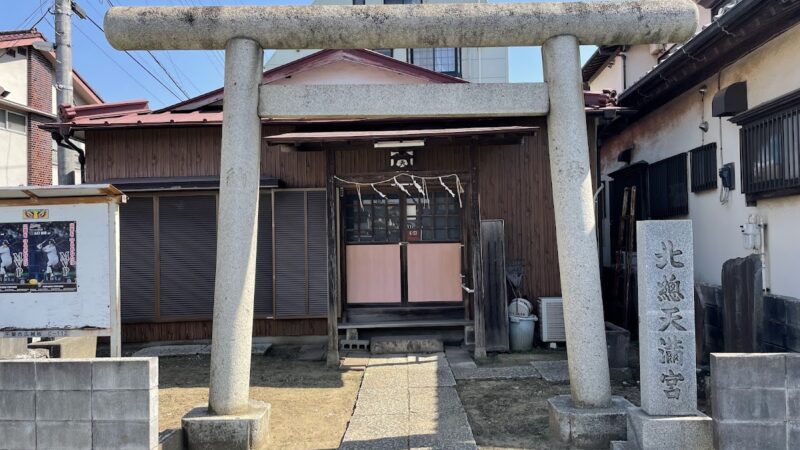
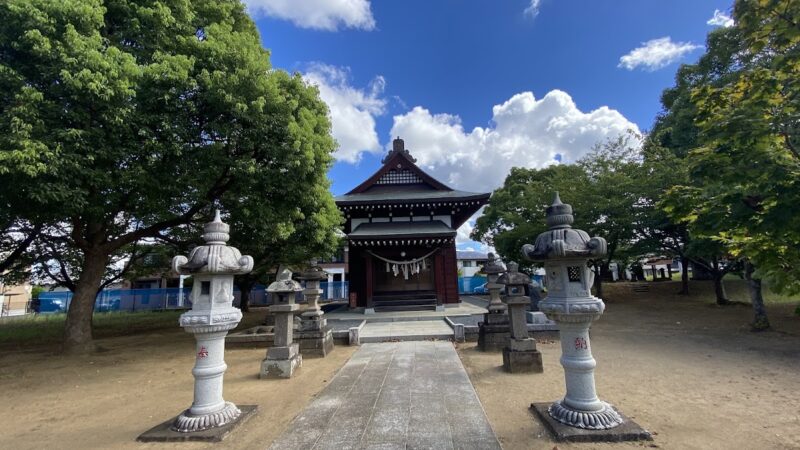
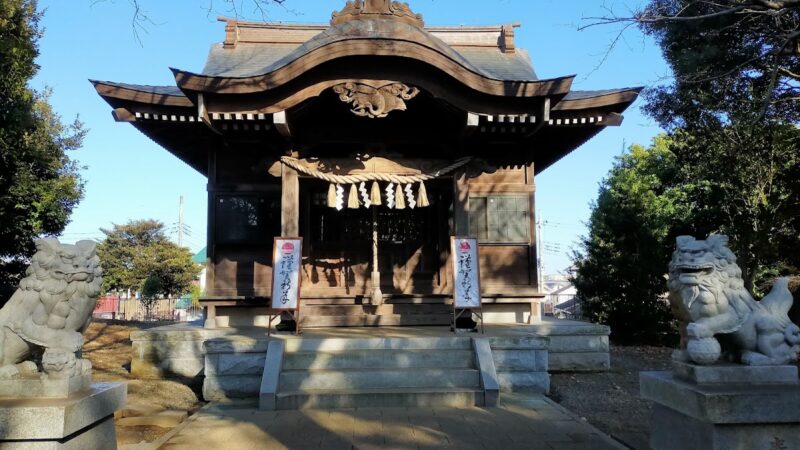
Shiina Shrine’s building maintains the traditional style of shrine architecture while exhibiting a friendly and approachable appearance befitting a local guardian deity. The main hall enshrines four deities, and worship can be conducted from the worship hall.
Atmosphere of the Shrine Grounds
As the place name Yatsu suggests, the area surrounding Shiina Shrine is characterized by a valley topography. A valley is a valley-like landform created by the erosion of hilly terrain, and is commonly found in the inland areas of Chiba Prefecture. Such terrain provides easy access to water, making it a suitable location for settlements since ancient times.
The shrine grounds are planted with trees, including chinquapin trees, allowing visitors to experience the changing seasons. The chinquapin tree, in particular, is an important tree connected to the origins of the shrine.
Etiquette for Worship
When visiting Shiina Shrine, follow the general etiquette for visiting a shrine.
- Bow before passing through the torii gate
- Cleanse your hands and mouth at the water basin
- Offer your donation in front of the main hall
- Worship using the two bows, two claps, and one bow ritual
- Bow again at the torii gate upon leaving
As the guardian deity of the region, this shrine is a place where you can quietly express your daily gratitude and make your wishes.
How to Access Shiina Shrine
For those planning a visit to Shiina Shrine, we provide detailed access information.
Access by Public Transportation
Using the JR Sotobo Line
The nearest stations are Kamatori Station or Honda Station on the JR Sotobo Line. From the stations, you can use the following methods:
- Local Bus: Take a Chiba Chuo Bus or Kominato Railway Bus and get off at a bus stop bound for Shiinazaki-cho, then walk for a few minutes.
- Taxi: Approximately 10-15 minutes by taxi from the station.
- Walking: Approximately 30 minutes on foot from the station.
Access by Car
From Tokyo
- Take the Keiyo Expressway, exit at Soga IC, and drive for approximately 20 minutes via National Route 16.
- Take the Higashi-Kanto Expressway, exit at Chiba-Higashi IC, and drive for approximately 25 minutes.
Parking
Depending on the size of the shrine, parking space may be limited. During peak seasons such as New Year’s Day, we recommend using public transportation.
Landmarks in the Area
Shiinazaki-cho is located in the eastern part of Midori Ward, Chiba City, and is a mixed area of residential and agricultural land. When using a car navigation system, searching for “Shiina Shrine, Midori Ward, Chiba City” is recommended.
Annual Events and Festivals of Shiina Shrine
Shiina Shrine holds various festivals and events throughout the year. As the local guardian shrine, it deepens its ties with the community through seasonal festivals.
Annual Grand Festival
Like many shrines, Shiina Shrine holds an annual grand festival. This is the most important festival for the shrine, where gratitude is offered to the enshrined deity and prayers are made for peace and prosperity in the region.
New Year’s Day Visit
The shrine is bustling with visitors for New Year’s Day. Many local residents visit to pray for good health and safety for their families in the new year.
Other Events
- Setsubun Festival: A bean-throwing ritual held the day before the beginning of spring.
- Natsukoshi no Harae: A ritual held at the end of June to purify oneself of the impurities accumulated over the past six months.
- Shichi-Go-San: In November, Shichi-Go-San celebrations are held to commemorate the growth of children.
These events may vary depending on the shrine, so it is recommended to check in advance if you wish to participate.
Goshuin (Shrine Seal) Information
In recent years, collecting Goshuin has become a popular hobby. The availability of Goshuin at Shiina Shrine may vary depending on the size of the shrine and whether or not there are resident priests.
Generally, smaller shrines may not always offer Goshuin. If you wish to receive a Goshuin, it is recommended to check in advance or visit on a major festival day such as the annual grand festival.
Goshuin are not merely stamps; they are given as proof of visiting the shrine. Always complete your prayers before respectfully requesting one.
Attractions Around Shiina Shrine
When visiting Shiina Shrine, why not also visit other tourist spots in the surrounding Midori Ward of Chiba City and within Chiba City itself?
Major Shrines in Chiba City
Chiba Shrine (Chuo Ward, Chiba City)
Known as a center of Myoken worship, Chiba Shrine has been revered as the guardian deity of the Chiba clan. It features a magnificent vermilion-lacquered shrine building and a rare branch shrine. It is located about 30 minutes by car from Shiina Shrine.
Kemigawa Shrine (Hanamigawa Ward, Chiba City)
This ancient shrine, said to have been founded during the Heian period, is known for its divine power to ward off evil from all directions. Its beautiful grounds and historical shrine building are its main attractions.
Spots to Enjoy Nature
Showa no Mori
This vast park in Midori Ward, Chiba City, allows visitors to enjoy nature throughout the seasons. With walking trails and athletic facilities, it’s a popular spot for families.
Izumi Nature Park
Located in Wakaba Ward, Chiba City, this nature park is particularly known for its beautiful autumn foliage. The spacious grounds feature ponds and forests, making it a great place for birdwatching.
Gourmet Spots
Chiba Prefecture is a treasure trove of ingredients, blessed with both sea and mountains. Even within Chiba City, you can enjoy dishes made with fresh seafood and local produce.
- Boso Seafood Cuisine: Fresh seafood caught in Tokyo Bay and the outer Boso Peninsula.
- Chiba Peanuts: Peanuts from Chiba Prefecture account for approximately 80% of the national production.
- Namerou: A local Boso dish, a fisherman’s dish using fresh fish.
Recommendation for Visiting Shrines in Chiba Prefecture
Why not use your visit to Shiina Shrine as an opportunity to enjoy visiting shrines throughout Chiba Prefecture? Chiba Prefecture has over 3,100 shrines, each with its own unique history and characteristics.
Pilgrimage to the Three Shrines of Eastern Japan
The “Three Shrines of Eastern Japan,” spanning Chiba and Ibaraki prefectures, are one of the most prestigious groups of shrines in the Kanto region.
- Katori Shrine (Katori City, Chiba Prefecture)
- Kashima Shrine (Kashima City, Ibaraki Prefecture)
- Ikisu Shrine (Kamisu City, Ibaraki Prefecture)
Visiting these three shrines is believed to bring powerful blessings for good fortune and protection from evil.
Shrines of Awa Province
The former Awa Province in southern Chiba Prefecture is home to numerous historically significant shrines, including Awa Shrine.
- Awa Shrine (Tateyama City): Ichinomiya (first-ranked shrine) of Awa Province
- Suzaki Shrine (Tateyama City): Ninomiya (second-ranked shrine) of Awa Province
- Mokoshiyama Shrine (Tateyama City): Sanomiya (third-ranked shrine) of Awa Province
Shrines of Kazusa and Shimosa Provinces
In ancient times, Chiba Prefecture was divided into three provinces: Kazusa, Shimosa, and Awa. Visiting the Ichinomiya of each province (“Ichinomiya pilgrimage”) is a popular activity.
- Tamasaki Shrine (Ichinomiya Town): Ichinomiya of Kazusa Province
- Katori Shrine (Katori City): Ichinomiya of Shimosa Province
- Awa Shrine (Tateyama City): Ichinomiya of Awa Province
Manners and Precautions When Visiting Shrines
When visiting a shrine, it is important to observe basic manners.
Attire
While special formal attire is not required, please dress in clean clothing that is respectful to the gods. It is best to avoid revealing or overly flashy clothing.
Regarding Photography
Photography is generally permitted on the shrine grounds, but it may be best to refrain from taking pictures inside the main hall or during religious ceremonies. Always abide by any “No Photography” signs.
Respect and Silence
Shrines are sacred places. Please pray quietly without speaking loudly or running around. Particular consideration is needed when other worshippers are present.
Regarding Offerings
Offerings are a way of expressing gratitude to the gods. There are no set amounts, but it is important to offer them sincerely. Please place them gently into the offering box rather than throwing them in.
History and Culture of Midori Ward, Chiba City
Understanding the history and cultural background of Midori Ward, Chiba City, where Shiina Shrine is located, will deepen your understanding of the shrine.
Origin of Midori Ward
Midori Ward, Chiba City, was established in 1992 (Heisei 4) when Chiba City became a designated city. Previously, it was part of Chiba City, and even further back, it consisted of villages in Chiba County.
The place name “Shiina” in Shiinazaki-cho has been used to refer to this region since ancient times. It is believed that the name originated from the abundance of chestnut trees (Shiina) that grew there, and the name of Shiina Shrine also derives from this place name.
Landscape of Valley Rice Paddies
One of the characteristics of Midori Ward is the landscape of rice paddies formed in valley terrain known as yatsuda. These rice paddies, spread across the valleys of the hilly areas, represent the rural landscape of Chiba Prefecture and are an important environment from the perspective of biodiversity.
It is believed that the area around Shiina Shrine was once covered in such yatsuda landscapes. For people engaged in agriculture, Shiina Shrine, which enshrines the gods who govern water and fertility, was an object of worship closely tied to their lives.
Modern Midori Ward
Present-day Midori Ward has developed as a suburban residential area of Chiba City, with residential development progressing while preserving its natural environment. The areas around each station on the JR Sotobo Line are home to a concentration of commercial facilities and residences, creating a highly convenient living environment.
However, historical shrines and temples like Shiina Shrine, as well as areas that retain the atmosphere of old settlements, are scattered throughout the region, creating a place where tradition and modernity coexist.
Shiina Shrine and the Local Community
Shiina Shrine is not merely a tourist spot; it has played a central role in the local community.
Role as a Guardian Deity
A guardian deity is a god who protects a specific area (the parish area). Shiina Shrine, as the guardian deity of Shiinazaki-cho and the surrounding area, has served as a spiritual pillar for the local residents.
Parishioners are local residents who believe in the guardian deity and cooperate in the maintenance and management of the shrine. During festivals, parishioners cooperate in performing Shinto rituals, and the parishioner organization takes the lead in cleaning and repairing the shrine.
Festivals and Community Bonds
Shrine festivals are important opportunities to deepen the bonds of the local community. During major festivals and other events, many local residents gather to participate in religious ceremonies and enjoy the festivities.
Through these activities, intergenerational exchanges are fostered, and local traditions and culture are passed down to future generations.
The Role of Shrines in Modern Times
In today’s increasingly urbanized society, the weakening of local communities is a problem. However, shrines still function as places where local people gather, continuing to play a vital role as the core of the community.
Shiina Shrine is also a place where local people visit for important life events such as New Year’s visits, Shichi-Go-San (a traditional rite of passage for children), and exorcisms. It remains a cherished place to express gratitude and wishes to the gods in daily life.
Summary: The Charm of Shiina Shrine
Shiina Shrine has a long history, said to have been founded during the Tenpyo era. It is a venerable shrine that took its current form through the merger of Shiina Daimyojin and Kumano Shrine. Located in Shiinazaki-cho, Midori-ku, Chiba City, it enshrines four deities: Izanagi-no-Mikoto, Izanami-no-Mikoto, Hayatama-no-O-no-Mikoto, and Misunoo-no-Mikoto. Unlike large-scale tourist shrines, Shiina Shrine has quietly watched over the community as the local guardian deity. Its simple and approachable atmosphere is imbued with a long history and the faith of the local people.
Chiba Prefecture boasts over 3,100 shrines, each with its own unique history and characteristics. A visit to Shiina Shrine offers a glimpse into Chiba Prefecture’s history and culture, as well as the profound depths of Japanese shrine worship.
If you have the opportunity to visit Midori Ward in Chiba City, please stop by Shiina Shrine and offer a quiet prayer. You will surely feel the atmosphere of a shrine that has received the prayers of countless people throughout its long history.
Visiting a shrine is a precious time to escape the hustle and bustle of everyday life, calm your mind, and reflect on yourself. We hope your visit to Shiina Shrine will be a moment of peace and tranquility for you.