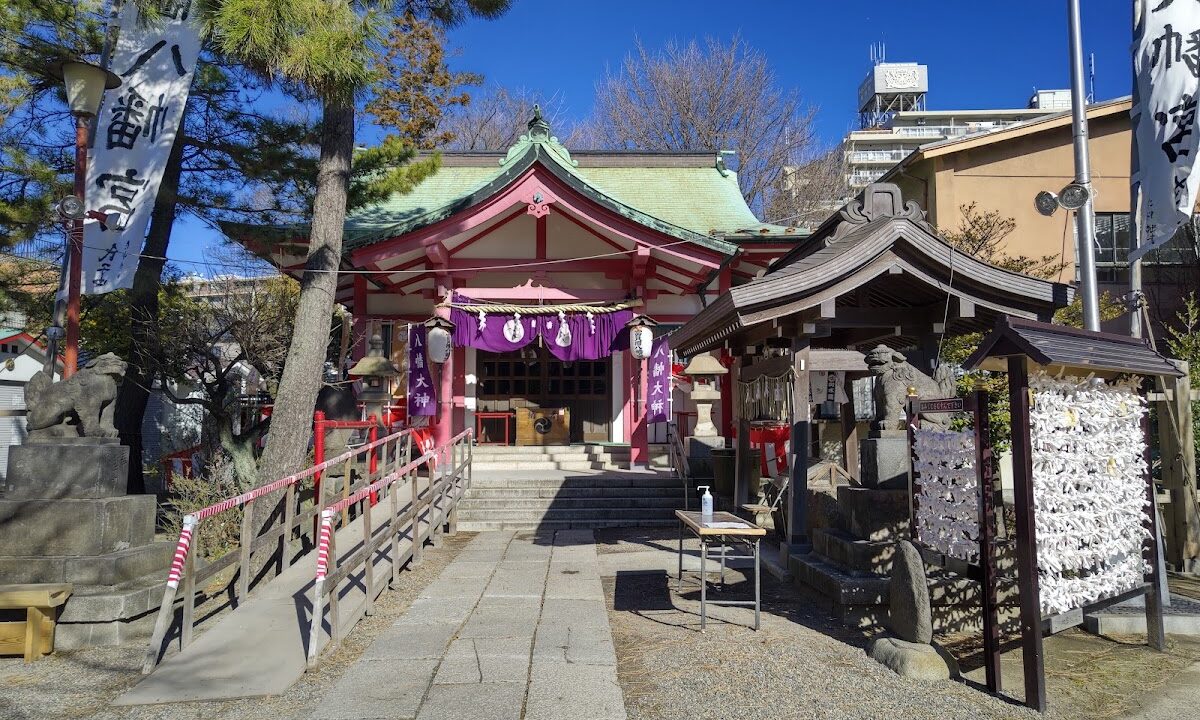
Tomigaoka Hachimangu Shrine (Koto Ward, Tokyo) Complete Guide | History, Goshuin (Shrine Seal), and Access Information
Tomigaoka Hachimangu Shrine, located in Minamisuna, Koto Ward, Tokyo, is a historic shrine affectionately known as “Moto Hachiman” or “Moto Hachimangu.” This ancient shrine, considered the origin of the Tomioka Hachimangu Shrine in Fukagawa, has long been revered as the local guardian deity. This article provides a detailed overview of Tomigaoka Hachimangu Shrine, including its history, enshrined deities, highlights, goshuin information, annual festival, and access methods.
What is Tomigaoka Hachimangu Shrine? | A Historic Shrine Known as “Moto Hachiman”
Tomigaoka Hachimangu Shrine is a Hachiman shrine located in Minamisuna 7-chome, Koto Ward, Tokyo. Its most distinctive feature is that it is considered the “original shrine” of the famous Tomioka Hachimangu Shrine in Monzen-Nakacho, hence its nickname “Moto Hachiman” or “Moto Hachimangu.”
It is believed that this shrine has been located in this area since before the Edo period, and even today it is revered as the tutelary deity of the Minamisuna area, attracting fervent devotion from local residents. The shrine grounds contain a miniature Mount Fuji and various stone monuments, and are attracting attention as valuable cultural assets that convey the history of the Edo period.
Relationship with Tomioka Hachimangu Shrine
According to tradition, the Hachiman deity statue originally enshrined at Tomioka Hachimangu Shrine was moved to Fukagawa during the Kan’ei era (1624-1644), and Tomioka Hachimangu Shrine was founded when it was established. Therefore, Tomioka Hachimangu Shrine is considered the “original Hachiman,” the originating entity of Tomioka Hachimangu Shrine.
History of Tomioka Hachimangu Shrine | A Faith Continuing from the Tenpyo Era
Origin of Founding
The founding of Tomioka Hachimangu Shrine is said to date back to the first year of the Tenpyo-Shoho era (749). According to tradition, the shrine was founded by Fujiwara no Toyonari (also known as Fujiwara no Tominari), a descendant of Fujiwara no Kamatari, when he was appointed Governor of Shimosa Province and moved to the area.
This area was formerly called “Hōroku-jima,” and the surrounding land was a vast expanse of sandbars and wetlands. It is believed that the worship of Hachiman, the god of settlement, began with the enshrinement of Hachiman as the guardian deity of the settlement.
Development of Sunamura Shinden and Tomigaoka Hachiman Shrine
In 1659 (Manji 2), Sunamura Shinzaemon moved to this area from Miura District in Sagami Province and settled the land that was then called Hōroku-jima. The area was named “Sunamura Shinden” after his surname, but Tomigaoka Hachiman Shrine is believed to have been enshrined there even before that.
With the development of Sunamura Shinden, the region developed into an agricultural area, and Tomigaoka Hachiman Shrine came to play a central role as the guardian shrine of the settlement. Throughout the Edo period, it held an important position as a center of faith for the residents of Sunamura Shinden.
Tomioka Hachimangu Shrine in the Edo Period
During the Edo period, the head temple of Tomioka Hachimangu Shrine was Eitai-ji Temple in Fukagawa (which also served as the head temple for Tomioka Hachimangu Shrine). This demonstrates a deep connection with Tomioka Hachimangu Shrine.
Its former shrine rank was Village Shrine, and it functioned as the tutelary shrine of the Sunamura Shinden area. Records show that even then, it played a central role in local festivals, strengthening the bonds among the residents.
Developments Since the Modern Era
Although the head temple system was abolished by the Meiji-era separation of Shinto and Buddhism, Tomioka Hachimangu Shrine continued to exist as the tutelary shrine of the region. During World War II, the surrounding area suffered significant damage from the Tokyo air raids, but it was rebuilt after the war through the efforts of the local residents.
Even today, it continues to be a central presence in the local community as the tutelary shrine of the Minamisuna area.
Deities and Divine Virtues | Guardian Deity for Fulfillment of Wishes and Health and Longevity
Main Deity
The main deity of Tomigaoka Hachimangu Shrine is Emperor Ōjin (Homudawake no Mikoto). Emperor Ōjin is worshipped as Hachiman-sama at Hachiman shrines throughout Japan and is widely revered as the god of military fortune and victory.
Enshrined Deities
In addition to the main deity, the following deities are enshrined:
- Ukanomitama no Mikoto: The god of abundant harvests, known as Inari-sama
- Hime Ōkami: The goddess in Hachiman faith
- Five other deities
Divine Virtues
Tomigaoka Hachimangu Shrine is worshipped as the “guardian deity for fulfillment of wishes and health and longevity.” Specific divine blessings include:
- Fulfillment of all wishes: The fulfillment of various wishes
- Health and Longevity: Recovery from illness and prayers for long life
- Long-lasting military fortune: Success in competitions
- Abundant harvest: Prosperity in agriculture
- Business prosperity: Success in business ventures
- Family safety: Safety and happiness of the family
As the local guardian shrine, many people visit for important life events such as a baby’s first shrine visit, Shichi-Go-San (a traditional rite of passage for children), and exorcism.
Highlights of Tomigaoka Hachimangu Shrine | Cultural Assets and Fujizuka on the Grounds
Fujizuka (Asama Shrine)
One of the biggest highlights of Tomigaoka Hachimangu Shrine is the Fujizuka located on the grounds. This Fujizuka is an artificial mountain made of lava, modeled after Mount Fuji, and preserves a remnant of the Edo period when Mount Fuji worship was prevalent.
At the top of the Fujizuka (a miniature Mount Fuji mound) is a shrine dedicated to Asama Shrine. It was believed that those unable to actually climb Mount Fuji could receive the same blessings by climbing this Fujizuka. Even today, many worshippers continue to climb the Fujizuka and practice their faith.
Shrine Buildings and Grounds
The main shrine building is constructed in a traditional Shinto architectural style, allowing for a tranquil atmosphere for worship. The grounds offer a peaceful space away from the hustle and bustle of the city, providing a calm and peaceful environment for worship.
Stone Monuments and Memorials
The grounds contain various stone monuments and memorials dating from the Edo period to the modern era, serving as valuable historical resources for understanding the region. These monuments offer insights into the history of development in the area and the faith of the people.
Goshuin (Shrine Seal) Information | Obtaining a Goshuin at Moto-Hachiman Shrine
Goshuin (shrine seals) are available at Tomigaoka Hachiman Shrine. The seals feature the calligraphy and red stamp of either “Moto-Hachiman Shrine” or “Tomigaoka Hachiman Shrine.”
Regarding the Reception of Goshuin (Shrine Seals)
We recommend checking the reception hours and availability of Goshuin in advance. The chief priest may be absent, so if you want to be sure to receive a Goshuin, it’s best to inquire by phone beforehand.
Regarding Goshuincho (Shrine Seal Books)
Please inquire directly with the shrine regarding the availability of original Goshuincho.
Annual Festival | Tomigaoka Hachimangu Shrine’s Annual Events
Timing and Content of the Annual Festival
The annual festival of Tomigaoka Hachimangu Shrine is held every year in late August. The main festival takes place once every four years, and the procession of the shrine’s portable shrine is held. In years other than the main festival, a simplified procession is held as the “Nakama Matsuri” (Comrade Festival).
Characteristics of the Festival
At the annual festival, the procession of the portable shrine is centered around the local town associations. Parishioners from the Minamisuna area gather to carry on the traditional festival. While not on the same scale as the Fukagawa Hachiman Festival at Tomioka Hachimangu Shrine in Fukagawa, this festival is a beloved and warm event deeply rooted in the local community.
Other Annual Events
In addition to the annual grand festival, various other festivals are held throughout the year, including the New Year’s Day Festival and the Setsubun Festival. For detailed dates, please contact the shrine directly.
Access Information | How to Get to Tomigaoka Hachimangu Shrine
Basic Information
Address: 7-14-18 Minamisuna, Koto-ku, Tokyo 136-0076
Phone Number: 03-3644-2436 (According to information from the Tokyo Metropolitan Shrine Association)
Opening Hours: Generally open during the day (Please check for details)
Holidays: None (Open year-round)
Access by Train
Nearest Station: Minamisunamachi Station, Tokyo Metro Tozai Line
- Approximately 9 minutes on foot east from Minamisunamachi Station
- It is convenient to use Exit 2 of Minamisunamachi Station
Walking Route
The following route is recommended from Minamisunamachi Station to Tomigaoka Hachimangu Shrine:
- Exit from Exit 2 of Minamisunamachi Station
- Head east (opposite direction from Aeon Minamisunamachi Store)
- Go straight along the main street and enter the residential area
- Following the signs will lead you to Tomigaoka Hachimangu Shrine.
Access by Bus
Toei buses are also available. The nearest bus stop is within walking distance. For detailed bus routes, please check the official Toei bus website.
Access by Car
Please inquire directly with the shrine regarding the availability of dedicated parking. While there are coin-operated parking lots nearby, congestion is expected during events such as the annual festival, so using public transportation is recommended.
Recommended Nearby Spots | Places to Visit Alongside Your Shrine Visit
Tomioka Hachimangu Shrine (Monzen-Nakacho)
After visiting Tomigaoka Hachimangu Shrine, be sure to also visit Tomioka Hachimangu Shrine, known as “Fukagawa’s Hachiman-sama.” It’s about a 5-minute ride from Minami-Sunamachi Station to Monzen-Nakacho Station on the Tokyo Metro Tozai Line. Visiting both the original shrine and the main shrine will allow you to experience a deeper history of faith.
Fukagawa Fudodo Temple
In Monzen-Nakacho, alongside Tomioka Hachimangu Shrine, is the famous Fukagawa Fudodo Temple. As the Tokyo branch temple of Naritasan Shinshoji Temple, it is bustling with many visitors.
Minamisunamachi Shopping Center SUNAMO
A large shopping mall directly connected to Minamisunamachi Station. Convenient for dining and shopping after visiting the temple.
Sendaihorikawa Park
A representative park of Koto Ward, featuring water and greenery. Ideal for strolling and jogging, where you can enjoy nature throughout the seasons.
Manners and Etiquette for Visiting a Shrine
Basic Shrine Visit Etiquette
Please observe the basic etiquette for visiting a shrine and offer your prayers with sincerity:
- Bow before passing through the torii gate: This is a courtesy before entering the sacred area.
- Purify yourself at the water basin: Purify your left hand, right hand, and mouth in that order.
- Walk along the edge of the path: The center is considered the path of the gods.
- Two bows, two claps, one bow: This is the basic way of worship before the deity.
Tomigaoka Hachimangu Shrine as a Local Deity
Tomigaoka Hachimangu Shrine is the local deity of the Minamisuna area. A local deity is a god who protects the people living in that land, and is a special presence for the local residents. Even when visiting from outside the area, please show respect to the local deity when offering your prayers.
The Charm of Tomigaoka Hachimangu Shrine | Edo-era Faith Preserved as the Original Hachiman Shrine
The greatest charm of Tomigaoka Hachimangu Shrine lies in its long history, said to date back to the Tenpyo era, and its special position as the original shrine of Tomioka Hachimangu.
While Tomioka Hachimangu Shrine in Fukagawa is widely known as “Edo’s largest Hachiman shrine,” the fact that its origin lies in Tomigaoka Hachimangu Shrine is extremely interesting in understanding the history of Edo-era faith.
The Fujizuka (miniature Mount Fuji) on the shrine grounds is a valuable cultural asset that conveys the Fuji worship of the Edo period, offering a glimpse into the popular faith of that time. Although not a large shrine, its warm, community-rooted atmosphere and the opportunity to worship at a leisurely pace are also part of its charm.
Summary | Experiencing History and Faith at Tomigaoka Hachimangu Shrine
Tomigaoka Hachimangu Shrine is a historic shrine known as “Moto-Hachiman” (original Hachiman), located in Minamisuna, Koto-ku, Tokyo. With a long history dating back to the Tenpyo era, it holds a special position as the origin of Tomioka Hachimangu Shrine.
This shrine is believed to grant wishes and promote health and longevity, and continues to attract fervent devotion as the local guardian deity. The miniature Mount Fuji within the shrine grounds is a valuable cultural asset that conveys the beliefs of the Edo period.
Conveniently located about a 9-minute walk from Minami-Sunamachi Station on the Tokyo Metro Tozai Line, it’s a tranquil shrine nestled in a quiet residential area. Visiting both Tomioka Hachimangu Shrine and this shrine will allow you to gain a deeper understanding of the history of Hachiman worship in the Fukagawa and Minami-Sunamachi areas.
If you’re interested in learning about Edo-period history and faith, or the origins of Moto-Hachiman, be sure to visit Tomioka Hachimangu Shrine.