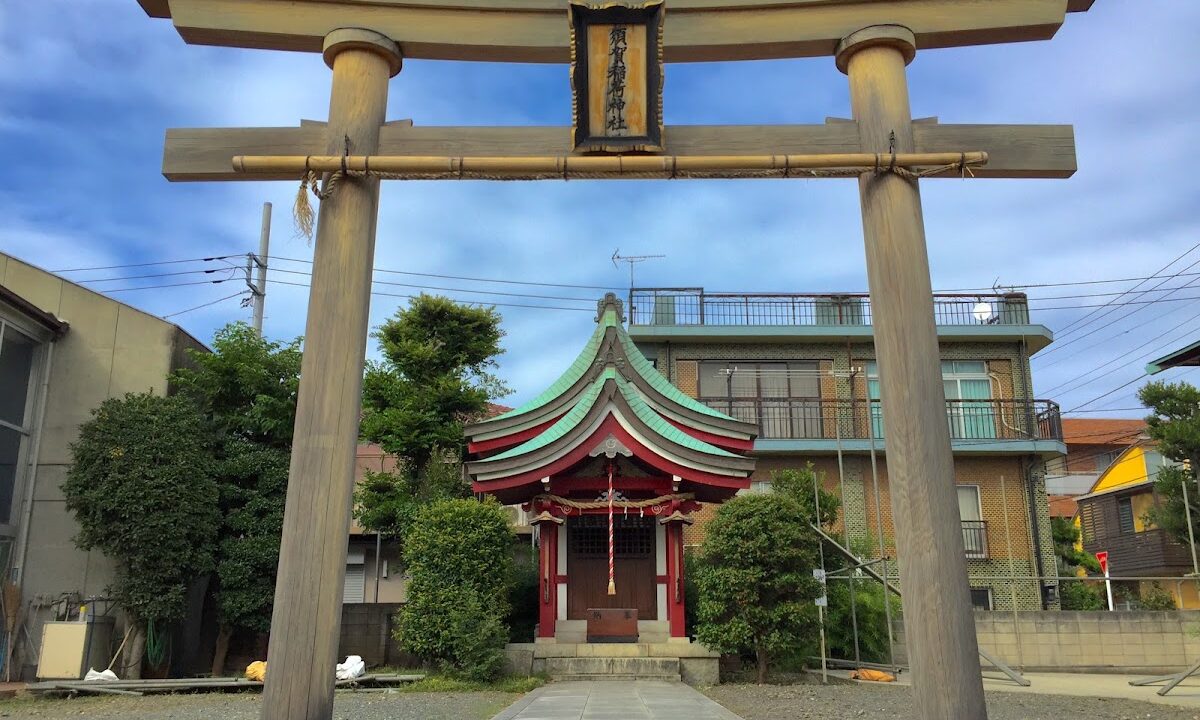
Suga Inari Shrine (Tokyo) Complete Guide | History, Deities, and Access Information
There are several shrines in Tokyo with the name “Suga Inari Shrine.” This article focuses on the Suga Shrine (formerly known as Inari Tenno Gosha) located in Shinjuku Ward and the Suga Inari Shrine in Ehara-cho, Nakano Ward, providing detailed information on the history, deities, blessings, and access methods of each shrine.
Suga Shrine (Shinjuku Ward) – The Guardian Shrine of Yotsuya
Basic Information on Suga Shrine
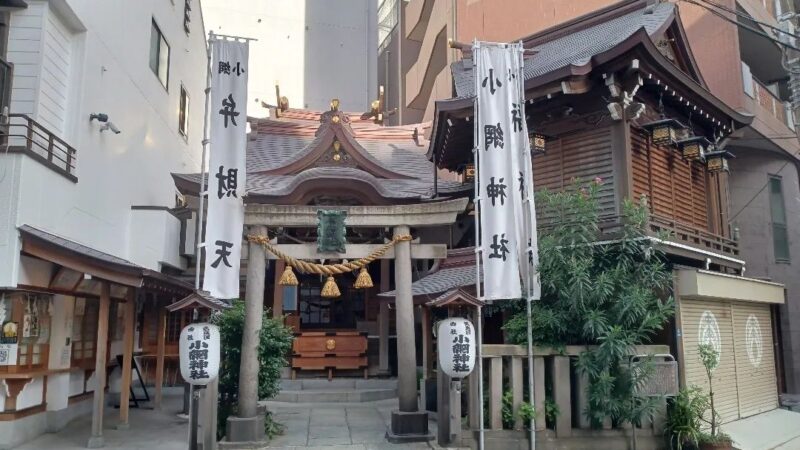
Located in Suga-cho, Shinjuku Ward, Suga Shrine has been revered by the local people since the Edo period as the guardian shrine of the eighteen towns of Yotsuya. Its former shrine rank was Gosha (village shrine), and it continues to attract many worshippers as a central shrine in the Yotsuya area.
Location: 5 Suga-cho, Shinjuku-ku, Tokyo
Nearest Station:
- Approximately 7 minutes on foot from Yotsuya-sanchome Station on the Tokyo Metro Marunouchi Line
- Approximately 10 minutes on foot from Shinanomachi Station on the JR Chuo and Sobu Lines
Deities Enshrined:
- Susanoo-no-Mikoto (Suga-no-Okami)
- Ukanomitama-no-Mikoto (Inari-no-Okami)
Divine Emblem: Three Tomoe (comma-shaped swirl) on the left with two rice plants
History and Origins of Suga Shrine
The history of Suga Shrine dates back to 1634 (Kanei 11). Originally, the Inari Shrine was located in Shimizu-dani, Akasaka Hitotsugi Village, but it is said to have been relocated to its current location in Yotsuya due to the construction of the outer moat of Edo Castle.
Historical Changes:
- Kanei 11 (1634): Relocated from Akasaka to Yotsuya
- Kanei 14 (1637): Enshrined Gozu Tenno, who was enshrined at the Kanda Myojin subsidiary shrine that was the guardian shrine of Nihonbashi Odenmacho
- Around Kanei 20 (1643): Enshrined Susanoo-no-Mikoto, and came to be called “Inari Tenno Gosha” (Inari and Tenno Combined Shrine)
- Edo Period: Known as “Inariyama Hozoin Tenno-sha,” “Yotsuya Gozu Tenno-sha,” “Yotsuya Tenno-sha,” etc.
- Meiji 1 (1868): Renamed “Suga Shrine” due to the separation of Shinto and Buddhism.
During the Edo period, it had a unique form of worship that combined Inari worship and Gozu Tenno worship, and was widely known as “Yotsuya’s Tenno-sama.” Because it has two divine seats, it is also called “Goryosha” (Two Shrines), and it is said that the shrine was particularly revered as a deity that wards off disasters, and was deeply respected by its parishioners.
Yotsuya Tenno Festival – One of Edo’s Five Great Festivals
The annual festival of Suga Shrine is known as the “Yotsuya Tenno Festival,” held every June. During the Edo period, it was a grand festival, counted among Edo’s five great festivals.
During the Tenno Festival in the Edo period, magnificent floats and portable shrines paraded through the streets of Yotsuya, attracting many spectators. Even today, the portable shrine procession takes place during the annual festival in June, and it continues to be an important annual event in the Yotsuya area.
Benefits of Suga Shrine
At Suga Shrine, the following benefits are believed to be available due to the divine virtues of the two enshrined deities:
Divine Virtues of Susanoo-no-Mikoto:
- Protection from misfortune and disaster
- Extermination of disease
- Matchmaking
- Family safety
Divine Virtues of Ukanomitama-no-Mikoto:
- Abundant harvest
- Business prosperity
- Industrial development
- Prosperity of family business
Especially revered as a god of protection from disaster, the shrine attracts many worshippers seeking protection from misfortune during unlucky years and for daily prayers for protection against evil.
Highlights of the Shrine Grounds
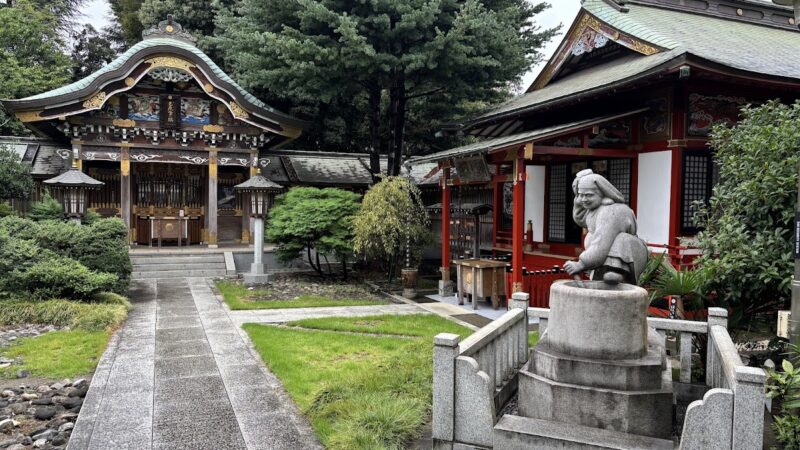
In addition to the main hall and worship hall, several subsidiary shrines are enshrined within the grounds of Suga Shrine.
Main Facilities:
- Main Hall and Worship Hall
- Shrine Office
- Water Basin
- Inari Shrine
- Thirty-Six Immortal Poets Painting
The shrine grounds are located on a hill, and worshippers ascend stone steps to reach the shrine. The view from the grounds is excellent, overlooking the cityscape of Yotsuya.
A Sacred Site for the Movie “Your Name.”
In recent years, Suga Shrine has attracted attention as the model location for the stairs featured in Makoto Shinkai’s animated film “Your Name.” Because the stairs in front of the shrine appeared in the film’s climactic scene, many fans have begun visiting as a “pilgrimage site.”
From the top of the stairs, you can enjoy a panoramic view of the Yotsuya cityscape, a scene reminiscent of the movie. However, since it is located in a residential area, consideration for nearby residents is necessary when visiting.
Goshuin (Shrine Seal) Information
In addition to regular goshuin, Suga Shrine also offers seasonal goshuin. The shrine office is generally open from 9:00 AM to 5:00 PM, but this may change during religious ceremonies and festivals.
The offering fee is usually around 500 yen. Goshuin notebooks are also available, and the original Suga Shrine designs are popular.
Suga Inari Shrine (Ebara-cho, Nakano Ward) – An Ancient Shrine Associated with Ota Dokan
Basic Information on Suga Inari Shrine (Ebara-cho)
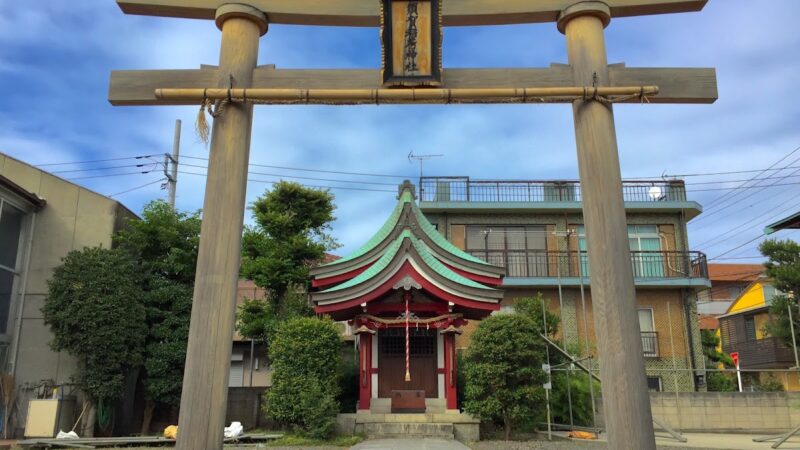
Located in Ebara-cho, Nakano Ward, Suga Inari Shrine is a small shrine quietly nestled in a residential area. While its official founding as “Suga Inari Shrine” dates back to the Showa era, it is a historical shrine that has long served as the tutelary deity of this area.
Location: 1-44-2 Eharacho, Nakano-ku, Tokyo
Nearest Station:
- Approximately 6 minutes on foot from Shin-Egota Station on the Toei Oedo Line (Exit A1)
- Approximately 13 minutes on foot from Egota Station on the Seibu Ikebukuro Line (South Exit)
Deities Enshrined:
- Susanoo-no-Mikoto
- Ukanomitama-no-Kami
The Battle of Egotahara and Ota Dokan
The most noteworthy history of Suga Inari Shrine (Eharacho) is its connection to Ota Dokan, a samurai of the Muromachi period.
It is said that in 1477, when Ota Dokan faced the Battle of Egotahara and Numabukurohara, he prayed for victory at this shrine. This battle is known as an important battle in which Ota Dokan defeated the Toshima clan, and our shrine has been passed down through generations in the region as one of the historical stages of this battle.
As a shrine where Dokan prayed for victory, it is well-known among local history enthusiasts and Ota Dokan fans.
History of Suga Inari Shrine
The name Suga Inari Shrine is thought to originate from the fact that it enshrines two deities: Susanoo-no-Mikoto (Suga-no-Okami) and Ukanomitama-no-Kami (Inari-no-Okami).
It is believed that an Inari shrine existed in this area before the Edo period, and it is presumed that the current form was achieved after the Meiji era when Suga-no-Kami was enshrined. While it was officially established as “Suga Inari Shrine” during the Showa period, its history as the local tutelary shrine predates that.
Shrine Grounds
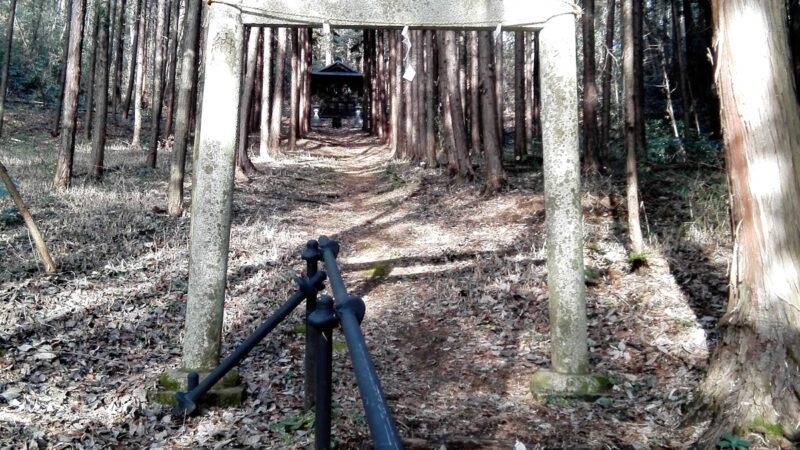
Suga Inari Shrine is a small shrine located in a residential area, and its grounds are very compact. Across the street to the south of the shrine is Ehara Elementary School, which is part of the route used by local children to and from school.
Shrine Facilities:
- Main Hall
- Torii Gate
- Water Basin
- Komainu (Guardian Dogs)
Although small in scale, the shrine is carefully maintained by local residents and kept very clean. Located in a quiet residential area, it offers a peaceful atmosphere for worship.
Divine Blessings
At Suga Inari Shrine, the following blessings are believed to be bestowed through the divine virtues of the two enshrined deities:
- Abundant Harvest
- Business Prosperity
- Protection from Evil
- Family Safety
- Good Fortune
Especially as a shrine of Inari worship, many worshippers visit seeking blessings for business prosperity and family success.
Other Suga Inari Shrines in Tokyo
Besides the two shrines mentioned above, there are numerous other shrines in Tokyo with the names “Suga” or “Inari.”
The Relationship Between Suga Shrine and Inari Shrine
The name “Suga Inari Shrine” is often found in shrines that enshrine both Susanoo-no-Mikoto (Suga-no-Okami) and Inari-no-Kami (Ukanomitama-no-Kami). This is thought to be a result of the influence of the syncretism of Shinto and Buddhism during the Edo period, and the process of shrine consolidation after the separation of Shinto and Buddhism in the Meiji era.
Susanoo-no-Mikoto has long been revered as a god of protection against misfortune and disease, while Inari-no-Kami has been revered as a god of abundant harvests and business prosperity. It is presumed that the belief spread that enshrining these two deities together would grant a broader range of divine blessings.
Manners and Points for Visiting Suga Inari Shrine
Basic Worship Etiquette
The basic etiquette for visiting a shrine is as follows:
- Bow before passing through the torii gate.
- Purify your body and mind at the water basin.
- Hold the ladle in your right hand and purify your left hand.
- Switch the ladle to your left hand and purify your right hand.
- Switch the ladle back to your right hand, receive water in your left hand, and rinse your mouth.
- Purify your left hand.
- Hold the ladle upright and purify the handle.
- Bow twice, clap twice, and bow once in front of the main hall.
- Place your offering in the offering box.
- Ring the bell (if present).
- Bow deeply twice.
- Clap twice.
- Bow deeply once.
- When leaving, turn around and bow after passing through the torii gate.
Points to note when visiting the shrine
Suga Shrine (Shinjuku Ward):
- Be careful when going up and down the stairs (especially slippery in rainy weather).
- It can get crowded as it is a popular filming location.
- As it is located in a residential area, please refrain from loud conversations and photography.
- Parking is limited, so using public transportation is recommended.
Suga Inari Shrine (Nakano Ward):
- Located in a residential area, so please visit quietly.
- There is an elementary school nearby, so special consideration is needed during school hours.
- There is no parking, so please use public transportation.
Nearby Tourist Spots
Around Suga Shrine (Shinjuku Ward)
Yotsuya Arakicho:
An area with a history as a geisha district, still lined with charming restaurants.
Shinjuku Gyoen:
A vast garden within walking distance, where you can enjoy nature in all four seasons.
Akasaka Palace State Guest House:
A Western-style palace built during the Meiji period, open to the public.
Around Suga Inari Shrine (Nakano Ward)
Tetsugakudo Park:
A park founded by philosopher Enryo Inoue, featuring unique facilities themed around philosophy.
Nakano Broadway:
A commercial complex known as a mecca for subculture. ## Annual Events and Festivals
Main Events of Suga Shrine (Shinjuku Ward)
- January 1st: New Year’s Day Festival
- February 3rd: Setsubun Festival
- Early June: Grand Festival (Tenno Festival)
- Around November 15th: Shichi-Go-San Festival
- December 31st: Great Purification Ceremony
The Grand Festival in June, in particular, is the largest festival in the Yotsuya area and attracts many people. A portable shrine procession and devotional performances take place, enveloping the entire town of Yotsuya in a festive atmosphere.
Events of Suga Inari Shrine (Nakano Ward)
As a small shrine, it does not hold large festivals, but local residents visit for seasonal events such as Hatsumode (first shrine visit of the year) and Setsubun.
Summary
Each Suga Inari Shrine in Tokyo has its own distinct history and characteristics.
Suga Shrine in Shinjuku Ward has a long history dating back to the Edo period as the guardian shrine of Yotsuya, and is revered as a deity that wards off disasters. In recent years, it has also gained attention as a pilgrimage site for moviegoers, attracting a new group of visitors.
Suga Inari Shrine in Ehara-cho, Nakano Ward, is a small shrine that tells the history of the area, associated with Ota Dokan. It quietly watches over the community amidst a residential area.
Both shrines enshrine Susanoo-no-Mikoto and Inari-sama, and are believed to offer protection from misfortune and prosperity in business. When visiting Suga Inari Shrines in Tokyo, understanding the history and characteristics of each shrine beforehand will allow for a deeper experience.
Shrines are valuable places that convey the history and culture of the region to the present day. When visiting, observing proper etiquette and praying quietly and sincerely will allow you to forge a good connection with the deities.