Complete Guide to Kogane-yama Shrine | Thorough Explanation of Benefits, Access, Amulets, and Goshuin Information
Kogane-yama Shrine, as its name suggests, is a shrine bearing the auspicious name of “gold,” and there are several such shrines located throughout Japan. Known as a power spot visited by many worshippers praying for increased wealth and business prosperity, each shrine has its own unique history and characteristics depending on the region. This article provides a comprehensive overview of everything you need to know about Kogane-yama Shrine.
What is Kogane-yama Shrine?
Kogane-yama Shrine is a general term for shrines that exist in multiple locations throughout Japan. Shrines derived from the mountain name or place name “Kogane-yama” (Golden Mountain) exist in various locations, each with its own unique history and beliefs. What they all have in common is that many worshippers visit seeking benefits related to wealth and financial fortune, as suggested by the name.
Main Locations of Kogane-yama Shrines
The main shrines known as Kogane-yama Shrines are located in the following regions:
- Ishinomaki City, Miyagi Prefecture: The Kogane-yama Shrine in Ishinomaki City has been worshipped as the guardian deity of the region since ancient times.
- Kure City, Hiroshima Prefecture: The Kogane-yama Shrine is located in a scenic spot overlooking the Seto Inland Sea.
- Other Regions: Smaller Kogane-yama Shrines and altars are scattered throughout the region.
Each shrine is an independent entity, and its enshrined deities and history differ.
History and Origin of Kogane-yama Shrine
Origin of Founding
Regarding the founding of Kogane-yama Shrine, there are different traditions depending on the shrine in each region. In most cases, the following origins are told:
- Connection to Gold Mines and Gold Fields: Built in an area where gold mining once took place, to pray for the safety and prosperity of the mines.
- Golden Natural Phenomenon: Named after the scenery of mountains and seas that shine golden in the light of the setting sun.
- Symbol of Abundance and Prosperity: Worshipped to pray for a bountiful harvest, inspired by the golden color of rice stalks.
Historical Background
Many Kogane-yama Shrines have attracted local faith since before the Edo period. Especially in mining areas, they have played an important role as places where miners and merchants prayed for good fortune and business prosperity.
Even during the Meiji era’s policy of consolidating shrines, many shrines survived due to the strong faith of local residents, and they remain central to local communities today.
Deities and Benefits
Main Deities
The deities enshrined at Kogane-yama Shrines vary depending on the shrine, but generally, the following gods are enshrined:
- Kanayamahiko-no-Mikoto: God of mines, god of metals
- Kanayamahime-no-Mikoto: Consort of Kanayamahiko-no-Mikoto
- Okuninushi-no-Mikoto: God of good fortune and business prosperity
- Kotoshironushi-no-Mikoto: God of business, Ebisu
- Ichikishimahime-no-Mikoto: Goddess of wealth and fortune, identified with Benzaiten
Main Benefits
The main benefits believed to be obtained by visiting Kogane-yama Shrine are as follows:
Increased Financial Fortune and Wealth
The most famous benefit is increased financial fortune. Due to its name, “Kogane” (gold), many visitors come to pray for lottery winnings or business success.
Business Prosperity
Those running businesses or considering starting one pray for the prosperity of their ventures. Many shop owners and company executives visit this shrine.
Improved Career Luck
It is believed to bring blessings for career-related wishes, such as success in job hunting, promotions, and successful career changes.
Good Fortune and Prosperity
Many visitors pray for overall improvement in luck and for attracting good fortune.
Family Safety and Health Prayer
As a guardian deity of the region, visitors also pray for the safety and health of their families.
Highlights of the Shrine Grounds
Main Hall
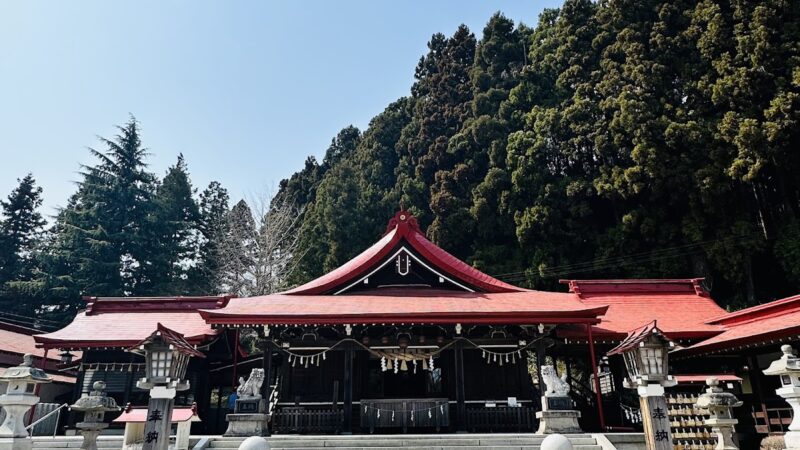
While the architectural style of the main hall of Kogane-yama Shrine varies from shrine to shrine, many maintain the beauty of traditional shrine architecture. Pay attention to the carvings and decorations.
Worship Hall
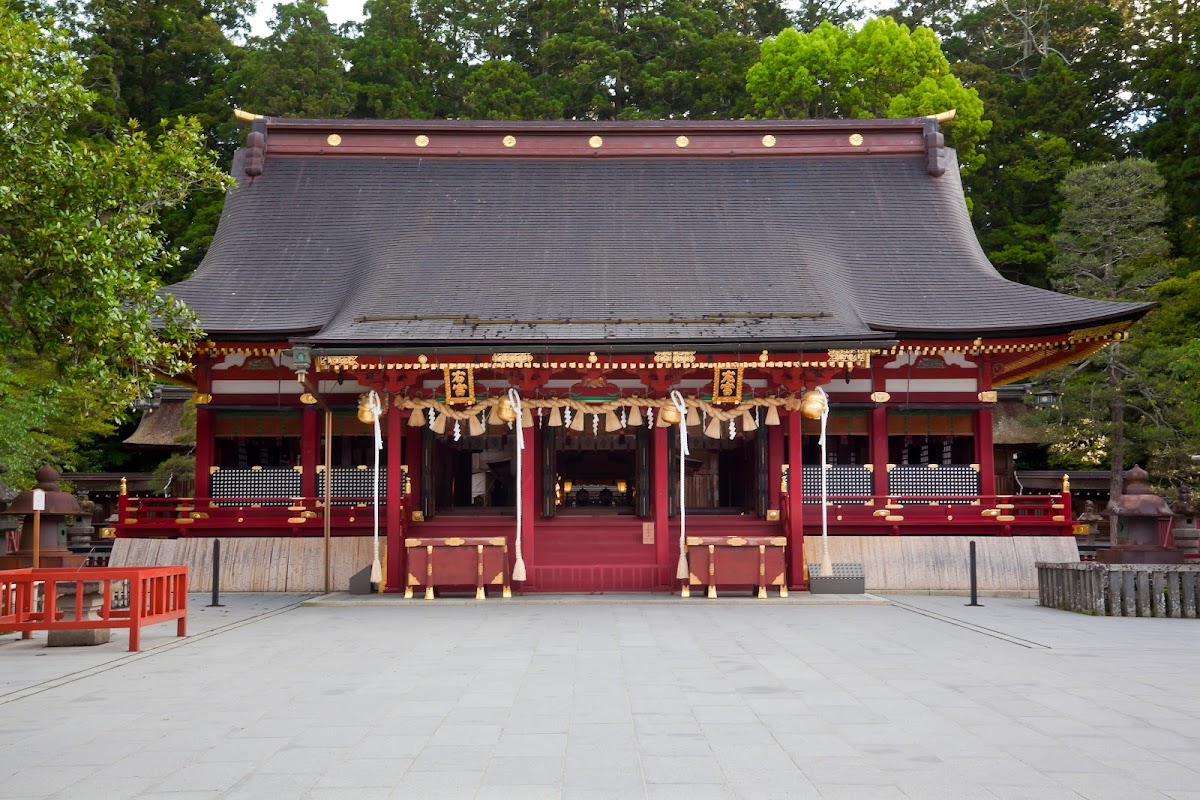
The worship hall, where visitors pray, is considered the face of the shrine. You can observe the unique shrine features such as shimenawa ropes and bells.
Komainu (Guardian Dogs)
The guardian dogs protecting the shrine grounds differ in expression and posture from shrine to shrine. They range from ancient, historically significant dogs to newly donated ones.
Subsidiary Shrines
Besides the main shrine, there are sometimes several smaller shrines within the grounds. Each enshrines a different deity, allowing for diverse blessings.
Sacred Trees
Some shrines have sacred trees over several hundred years old. It is believed that touching these large trees grants one power.
Observation Spots
Shrines located on hilltops, such as Kogane-yama Shrine in Kure City, Hiroshima Prefecture, offer spectacular panoramic views of the Seto Inland Sea and the city.
How to Worship and Manners
Basic Worship Procedure
There are basic manners for visiting a shrine. The same manners apply at Kogane-yama Shrine.
1. Bow Before Passing Through the Torii Gate
The torii gate is the entrance to the sacred area. Bow before entering the shrine grounds.
2. Purify yourself at the water basin
Purify your hands and mouth at the water basin (chozuya).
- Hold the ladle in your right hand and wash your left hand.
- Switch the ladle to your left hand and wash your right hand.
- Switch the ladle back to your right hand, receive water in your left hand, and rinse your mouth.
- Wash your left hand again.
- Hold the ladle upright, let the water flow down the handle, and return it to its original place.
3. Walk along the approach to the shrine
The center of the approach is considered the path of the gods, so it is polite to walk along the sides.
4. Pray at the main hall
Pray in front of the main hall using the “two bows, two claps, one bow” ritual.
- Place your offering in the offering box.
- If there is a bell, ring it.
- Bow deeply twice.
- Clap your hands twice.
- Put your hands together and make a wish.
- Finally, bow deeply once.
5. Bow again when leaving.
When leaving the shrine grounds, turn around and bow once after passing through the torii gate.
Attire for Visiting the Shrine
There are no specific dress code requirements, but it is desirable to dress appropriately for a sacred place.
- Clean and neat attire
- Avoid revealing clothing
- Shoes are preferable to sandals
- It is polite to remove your hat on the shrine grounds.
Photography Etiquette
Photography is generally permitted on the shrine grounds, but please note the following points.
- Photography is often prohibited inside the main shrine.
- Please be considerate of other worshippers.
- It’s safest to check with a Shinto priest before taking photos.
- When posting on social media, please be considerate of others not appearing in the photos.
Amulets and Items Offered
Amulets for Financial Luck
At Kogane-yama Shrine, various amulets related to financial luck are offered.
- Financial Luck Amulet: A basic amulet for wishing for increased financial luck.
- Wallet Amulet: A compact amulet to carry in your wallet.
- Business Prosperity Amulet: An amulet for business owners.
- Lottery Ticket Holder: A special bag for storing lottery tickets.
Other Amulets
Besides financial luck, there are amulets for various other blessings.
- Exorcism Amulet: For those in their unlucky year or those seeking protection from misfortune.
- Health Amulet: Amulet for praying for good health.
- Academic Success Amulet: For students and those taking exams.
- Traffic Safety Amulet: Amulet to attach to cars and motorcycles.
- Matchmaking Amulet: For those seeking good relationships.
How to Carry and Return Amulets
Keep your amulet with you at all times or place it in a safe and important location.
- Carry it in your wallet or bag.
- Place it on your household altar or in a clean place.
- It’s okay to have multiple amulets.
- Replace it with a new one approximately every year.
- Return old amulets to the shrine where they were given, or burn them in a traditional bonfire ceremony.
Goshuin (Shrine Seal) Information
Goshuin Issuance
Ogonzan Shrine may issue Goshuin. Since policies vary by shrine, it is recommended to check in advance.
Offering Fee for Goshuin (Shrine/Temple Stamp)
Generally, the offering fee for a Goshuin is around 300 to 500 yen. It’s best to have small change ready to avoid needing change.
Goshuincho (Shrine/Temple Stamp Book)
Some shrines offer original Goshuincho. The Goshuincho with a unique design specific to Kogane-yama Shrine makes a great souvenir.
Manners for Receiving a Goshuin
- Receive the Goshuin after offering prayers.
- Open your Goshuincho and hand it over.
- Wait quietly while the priest writes.
- Express your gratitude politely.
- Receive it as a token of faith, not as a stamp rally.
Access Information
Access to Kogane-yama Shrine varies depending on the shrine. Here, we introduce the main access methods to Kogane-yama Shrine.
Kogane-yama Shrine, Ishinomaki City, Miyagi Prefecture
Location: Ishinomaki City, Miyagi Prefecture
Public Transportation:
- Take a bus or taxi from JR Ishinomaki Station
- Travel time is approximately 15-20 minutes from the station
Car:
- Accessible via the Sanriku Expressway
- Check parking availability in advance
Kogane-yama Shrine, Kure City, Hiroshima Prefecture
Location: Kure City, Hiroshima Prefecture
Public Transportation:
- Take a bus from JR Kure Station
- Walk or take a bus to the summit of Kogane-yama
Car:
- Accessible via the Hiroshima-Kure Expressway
- Parking available near the summit
Points to Note When Accessing
- Many shrines are located in mountainous areas, so pay attention to the weather.
- In winter, there is a possibility of snow and ice, so check in advance.
- Public transportation may be infrequent, so check the timetable.
- When searching with a car navigation system, enter the exact address.
Best Time and Season for Visiting
Recommended Times to Visit
New Year’s Visit (January 1st-3rd)
The shrine is bustling with visitors praying for increased financial luck in the new year. To avoid crowds, it is recommended to avoid the first three days of the year or visit early in the morning.
Spring Grand Festival
Many shrines hold their annual grand festivals in the spring. This is a valuable opportunity to witness Shinto rituals.
Autumn Grand Festival
The autumn grand festival, a Shinto ritual expressing gratitude for the harvest, is also important. In some regions, it is held in conjunction with autumn festivals, creating a lively atmosphere.
Year-End and New Year’s Period
Visiting a shrine from New Year’s Eve to New Year’s Day offers a special atmosphere.
Recommended Times for Daily Visits
Early Morning (6:00 AM – 8:00 AM)
You can visit the shrine slowly in a quiet and refreshing atmosphere. Visiting while basking in the morning sun is exceptional.
Weekday Afternoon (10:00 AM – 3:00 PM)
Recommended for those who want to avoid crowds and visit the shrine at a leisurely pace. #### Evening (4 PM – 5 PM)
The shrine grounds illuminated by the setting sun are beautiful, and you can enjoy spectacular views, especially at shrines with good scenery.
Times to Avoid
- During major holidays: Crowds are expected.
- During bad weather: Be especially careful at shrines in mountainous areas.
- Mid-summer daytime: Risk of heatstroke.
Nearby Tourist Attractions
Here are some nearby tourist attractions you might want to visit when you come to Kogane-yama Shrine.
Around Kure City, Hiroshima Prefecture
- Yamato Museum: A museum where you can learn about the history of the battleship Yamato.
- Iron Whale Museum: Exhibits Japan Maritime Self-Defense Force submarines.
- View of Kure Bay: Beautiful scenery of the Seto Inland Sea.
- Aray Karasuko-jima: A place where you can see Japan Maritime Self-Defense Force vessels up close.
Around Ishinomaki City, Miyagi Prefecture
- Ishinomori Manga Museum: Exhibits works by Shotaro Ishinomori.
- Hiyoriyama Park: Offers a panoramic view of Ishinomaki city and the Pacific Ocean.
- Tashirojima Island: A famous tourist spot known as “Cat Island.”
- Kinkasan Island: A sacred site associated with the Kogane-yama (Golden Mountain) faith.
Points for Visiting to Increase Your Financial Luck
Here are some points for visiting Kogane-yama Shrine to increase your financial luck.
1. Visit with Sincerity
It is important to visit with heartfelt gratitude and wishes, rather than just going through the motions.
2. Visit Regularly
Visiting regularly, not just once, deepens your connection with the gods.
3. Treat Your Amulet with Care
Treat your amulet with care and keep it with you at all times or in a special place.
4. Never Forget to Be Grateful
It’s important to express gratitude not only for your wishes but also for your daily blessings.
5. Keep the Shrine Grounds Clean
Cooperate in keeping the sacred grounds clean by not littering and not polluting them.
6. Be Considerate of Other Worshippers
Worship quietly and be considerate of other worshippers.
7. Make Your Wishes Specific
It is said that it is good to silently recite specific goals in your heart, rather than vague wishes.
Annual Events at Kogane-yama Shrine
The shrine holds various Shinto rituals and events throughout the year.
January
- New Year’s Day Festival: A Shinto ritual celebrating the start of the new year
- First Shrine Visit of the Year: A bustling festival with many worshippers
February
- Setsubun Festival: A Shinto ritual involving bean-throwing and warding off evil spirits
- Kinensai Festival: A prayer for a bountiful harvest
April-May
- Spring Grand Festival: An important festival of the shrine
June
- Summer Purification Ceremony: A Shinto ritual to purify oneself of the impurities accumulated over the past six months
September-October
- Autumn Grand Festival: A festival to give thanks for the harvest
November
- Shichi-Go-San Festival: A celebration of children’s growth
- Niiname-sai Festival: Offering of new grain to the gods
December
- Year-End Purification Ceremony: A ritual to purify oneself of the impurities accumulated over the year
- New Year’s Eve Festival: A Shinto ritual held on New Year’s Eve.
*The content and dates of the events vary depending on the shrine. Please contact each shrine for details.
Visitor Reviews and Experiences
Many visitors have shared various experiences at Kogane-yama Shrine.
Experiences of Increased Financial Luck
Many visitors share experiences related to increased financial luck, such as “I received unexpected extra income after visiting the shrine” or “I won the lottery.”
Feeling of a Power Spot
Many visitors express a sense of power, saying things like “I felt the air change when I entered the shrine grounds” or “I felt refreshed.”
Beauty of the Scenery
Especially at shrines located on hills, many visitors comment on the “magnificent scenery” and “beautiful sunset.”
Quiet and Peaceful Atmosphere
Visitors also praise the atmosphere of the shrine, saying things like “It was quiet and I could worship at my own pace” and “It’s a peaceful place.”
Points to Note When Visiting Kogane-yama Shrine
Weather Precautions
- Be careful as the ground can be slippery in rainy weather.
- Consider refraining from visiting in strong winds.
- Cancel your visit during thunderstorms as it is dangerous.
Health Management
- Take precautions against heatstroke in summer (hydration, hat, parasol).
- Take precautions against the cold in winter.
- Take precautions against insects at shrines in mountainous areas.
Items to Bring
- Small change (for offerings and goshuin stamps)
- Goshuincho (stamp book) (if you wish to receive goshuin stamps)
- Camera (if you wish to take photos)
- Drinks (especially in summer)
Other Precautions
- Check the shrine’s opening hours in advance.
- Check the availability and number of parking spaces.
- Leave large luggage in your car.
- Check whether pets are allowed.
Summary
Kogane-yama Shrine is a popular shrine for many visitors praying for increased wealth and business prosperity. The Kogane-yama Shrines, scattered throughout Japan, each possess their own unique history and characteristics, attracting local devotion.
When visiting, it is important to observe basic shrine etiquette and offer your prayers with sincerity. You can also obtain amulets for financial luck and Goshuin (shrine stamps), making for a memorable souvenir.
We hope that your visit to a Kogane-yama Shrine will lead to increased financial fortune and happiness. Please visit a Kogane-yama Shrine and experience its power for yourself.
Before visiting, please check the latest information for each shrine on their official website or by phone, and be sure to observe proper etiquette for a pleasant visit.